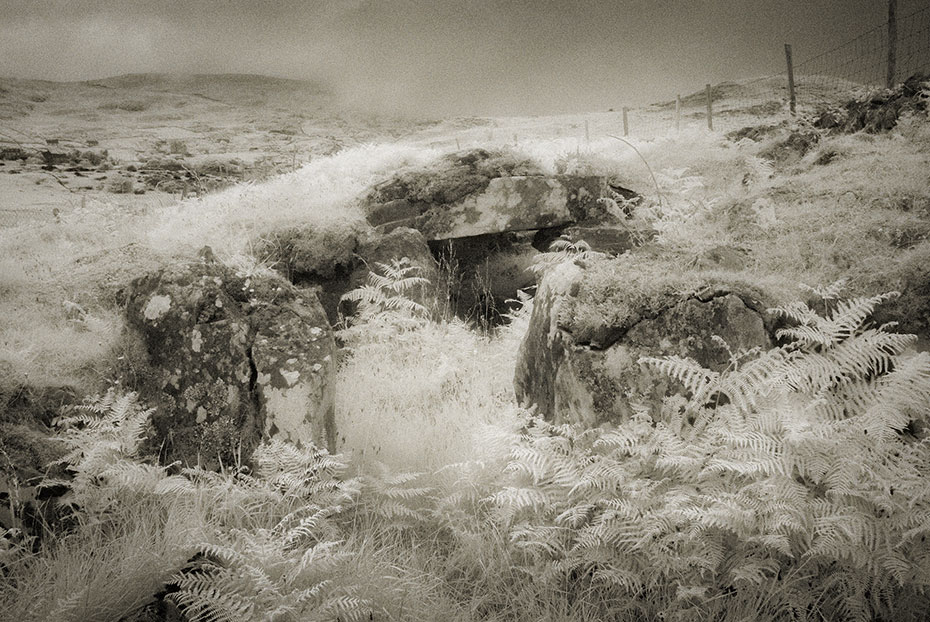
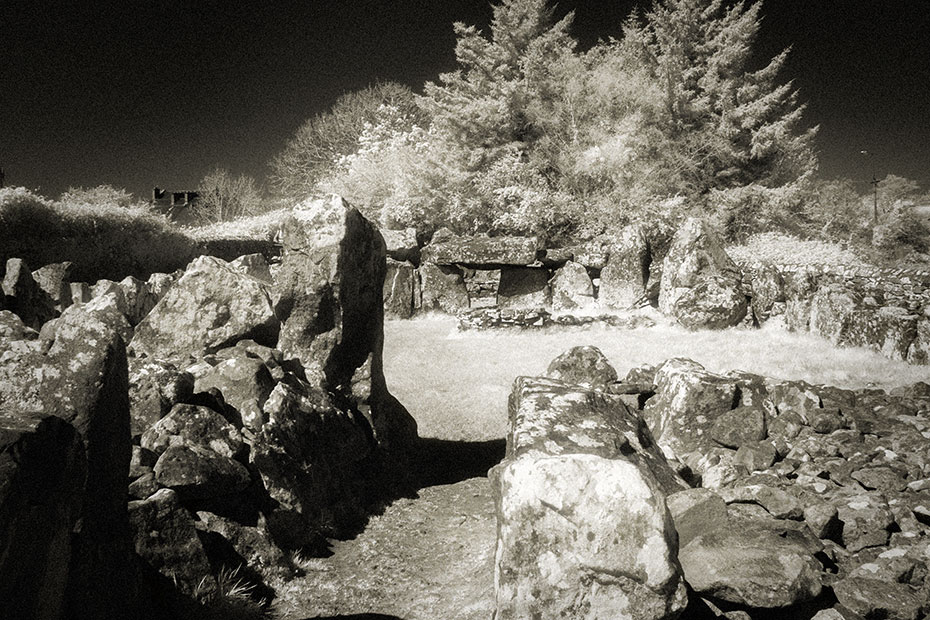
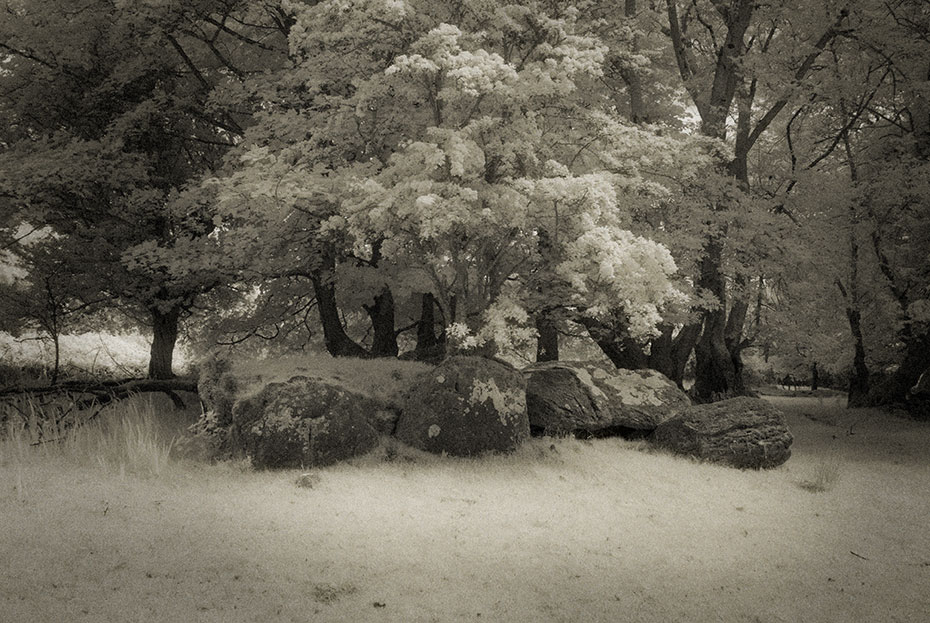
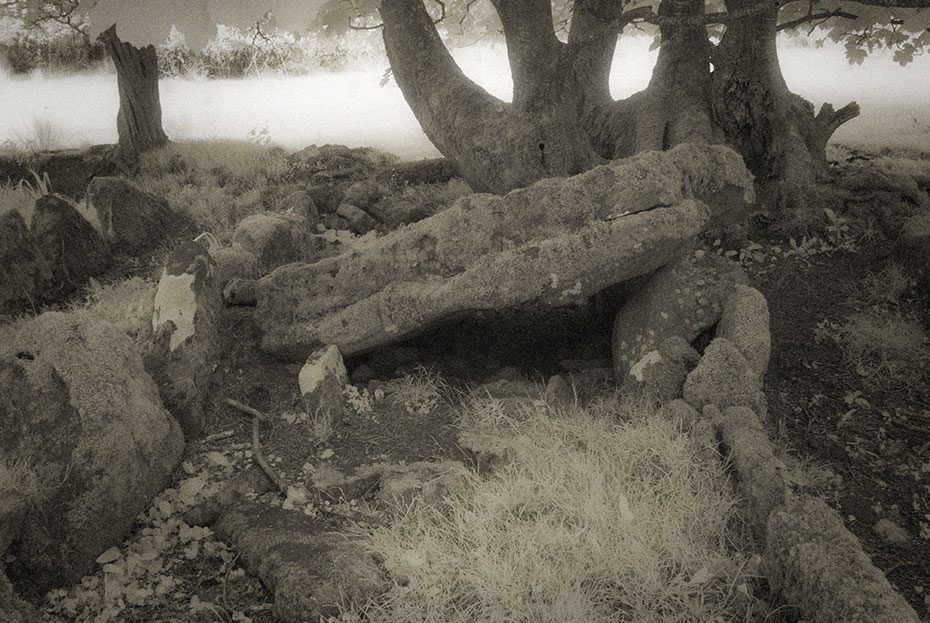
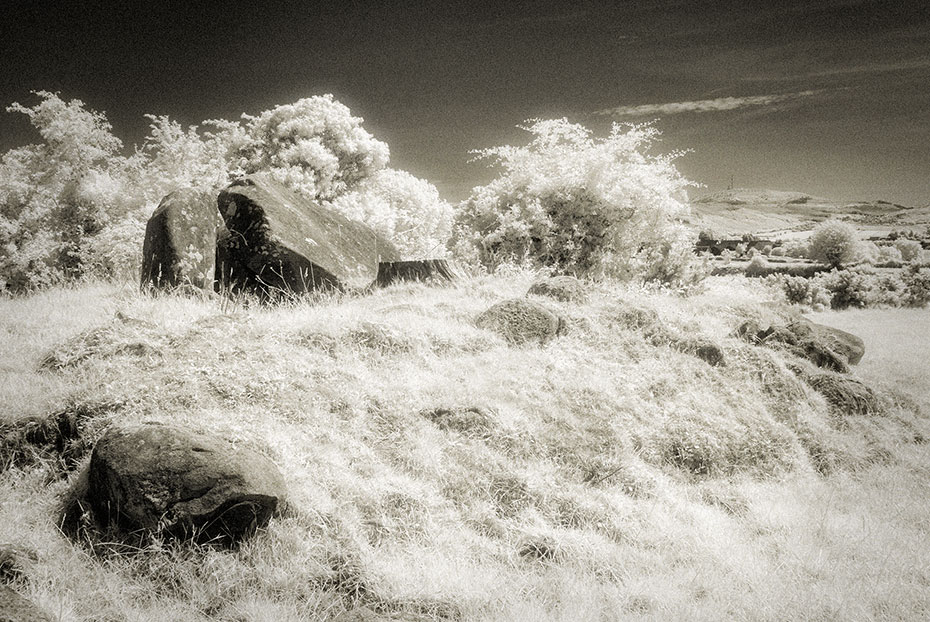
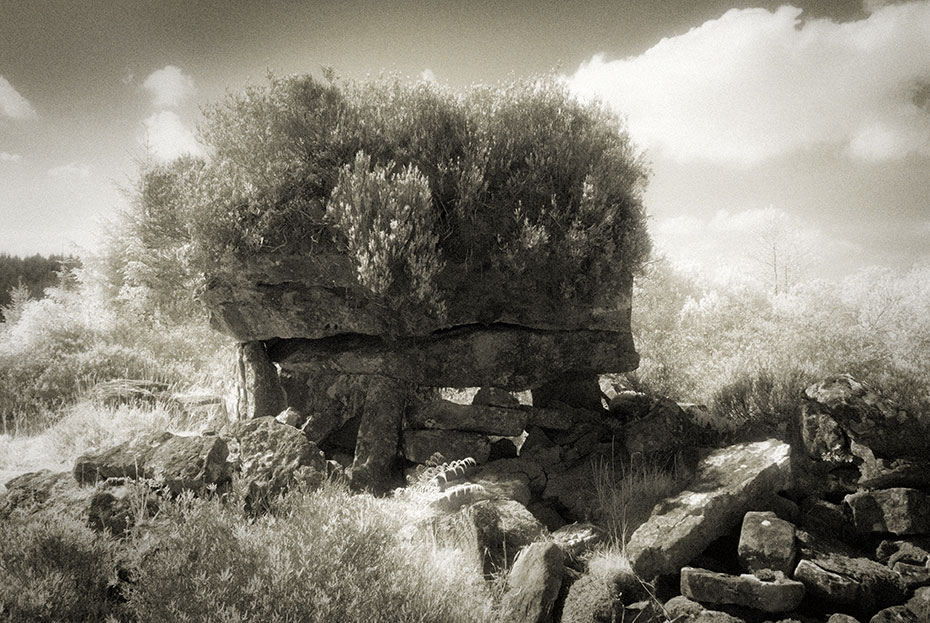
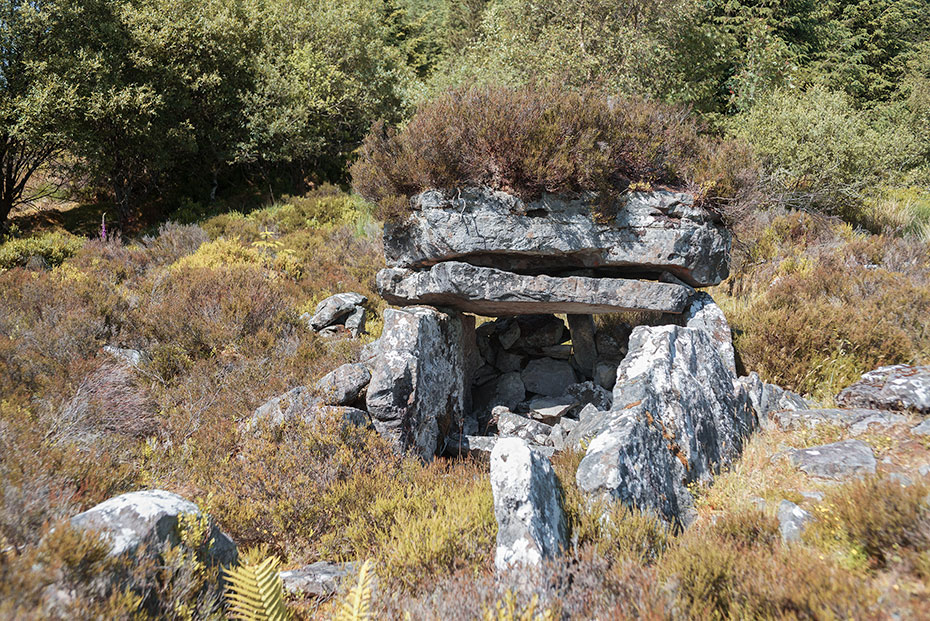
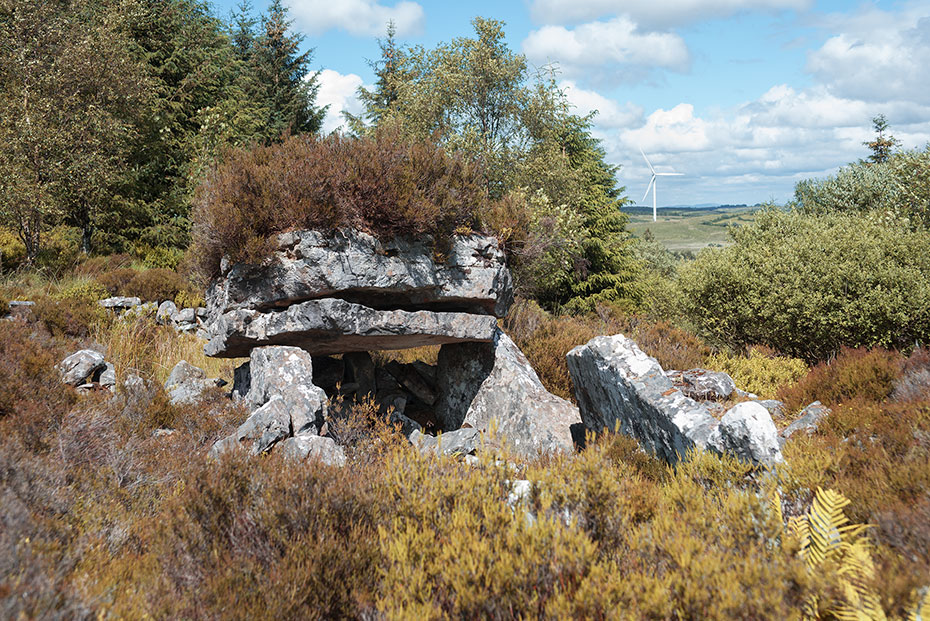
The entrance to the west chamber
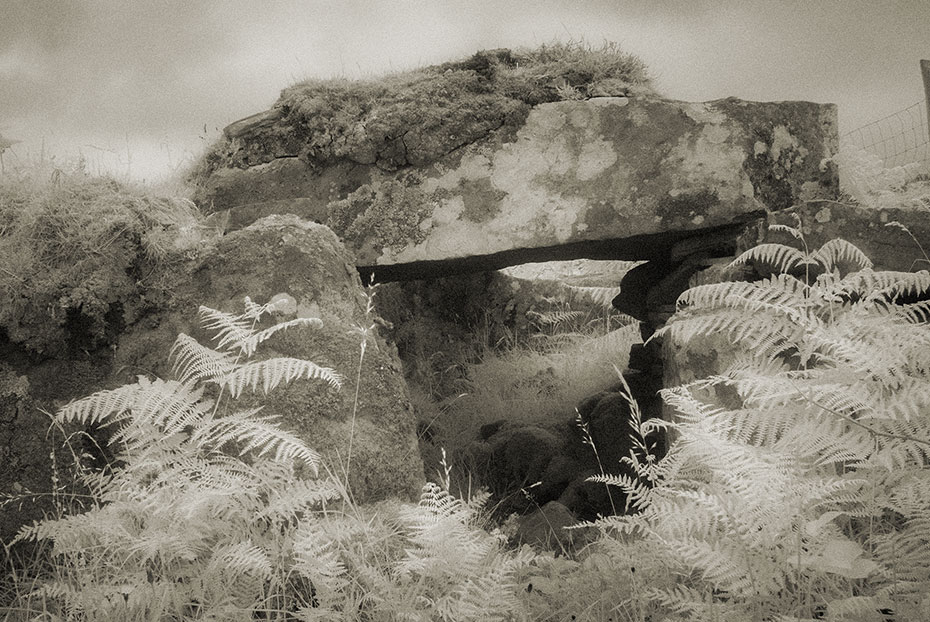
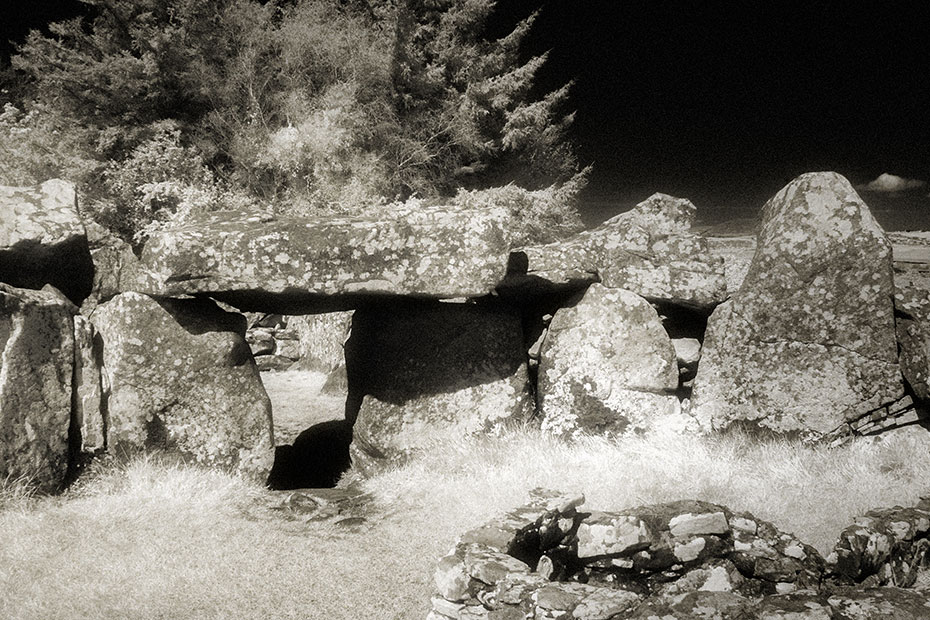
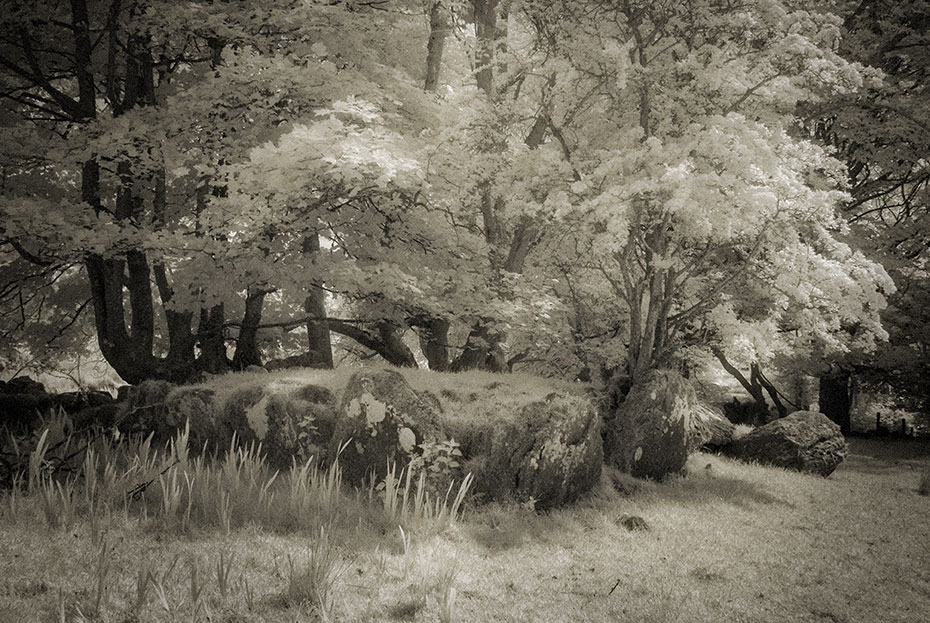
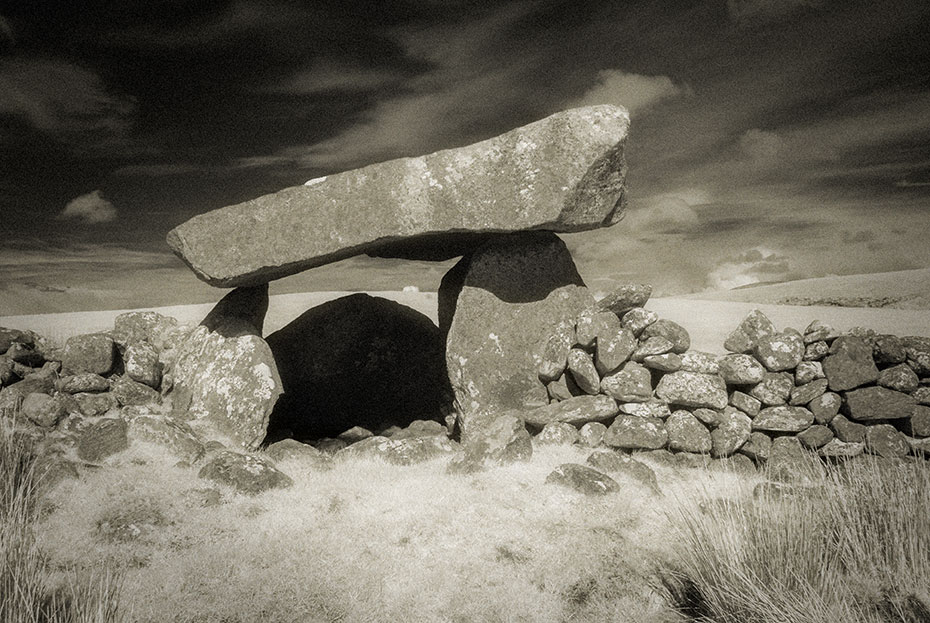
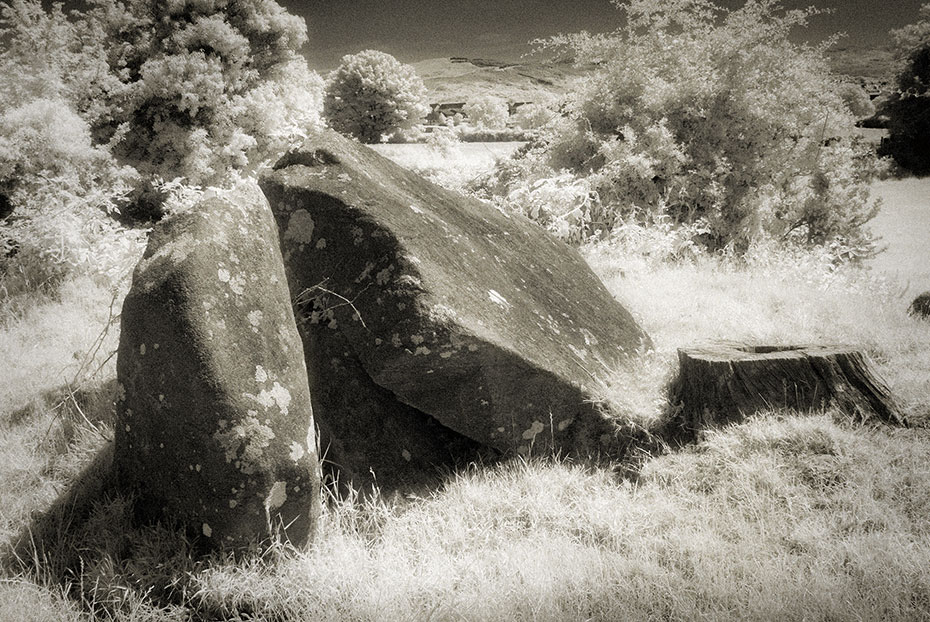
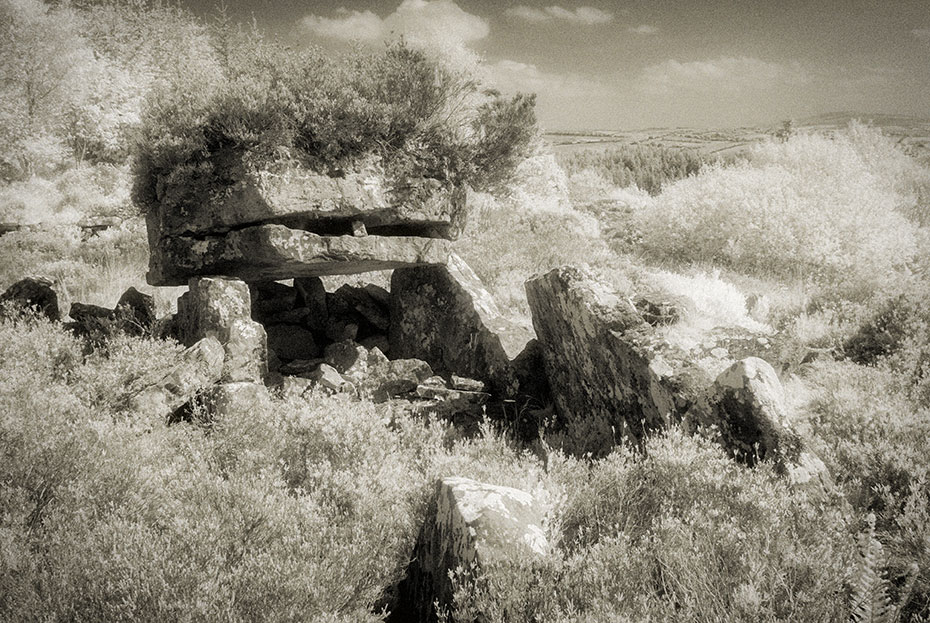
Detail of the west chamber
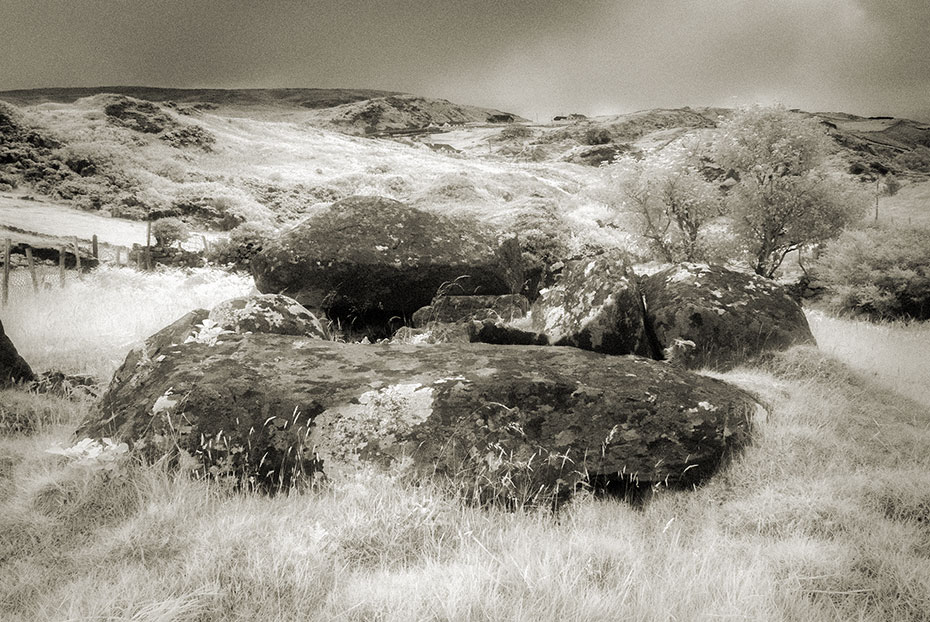
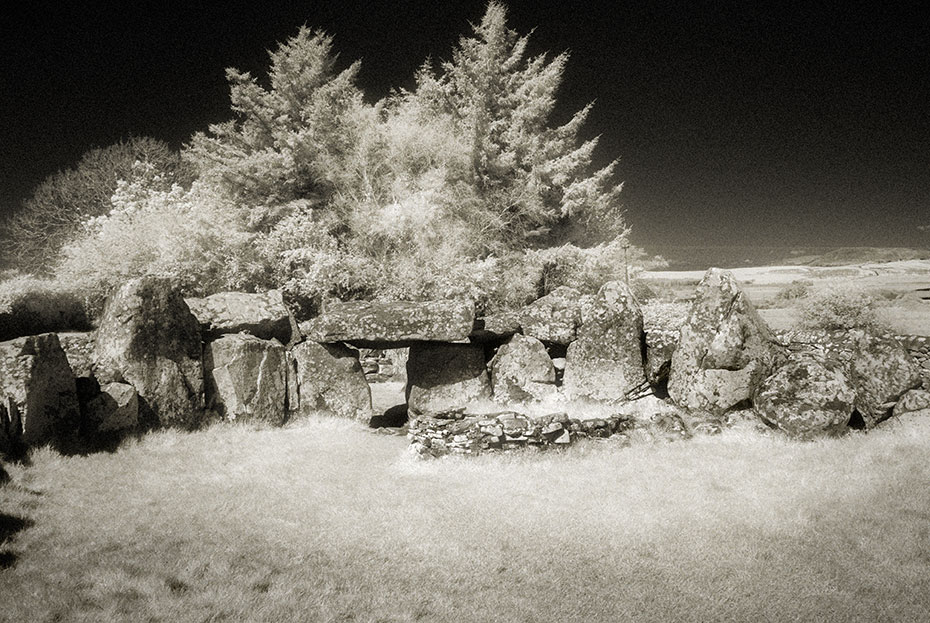
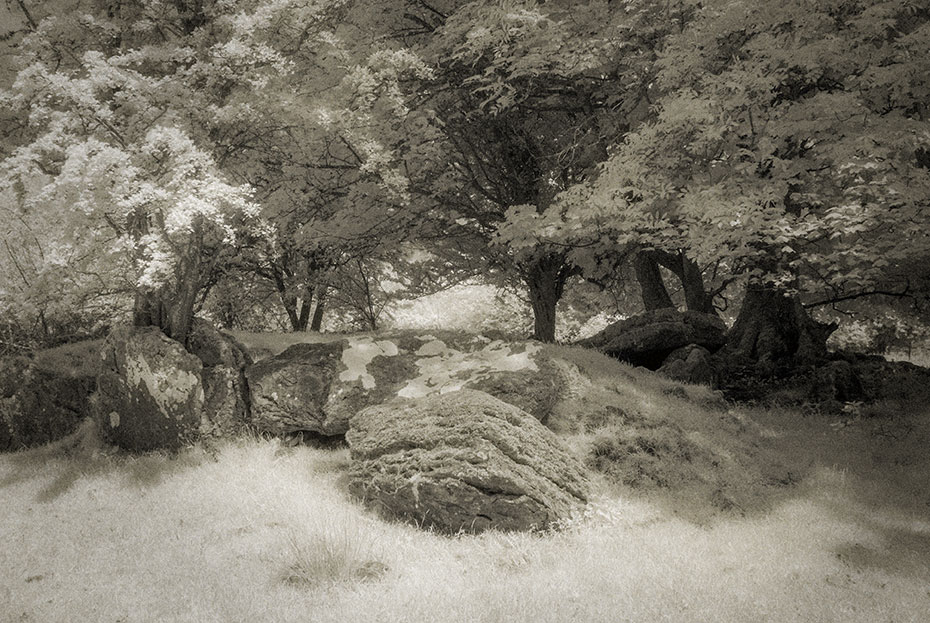
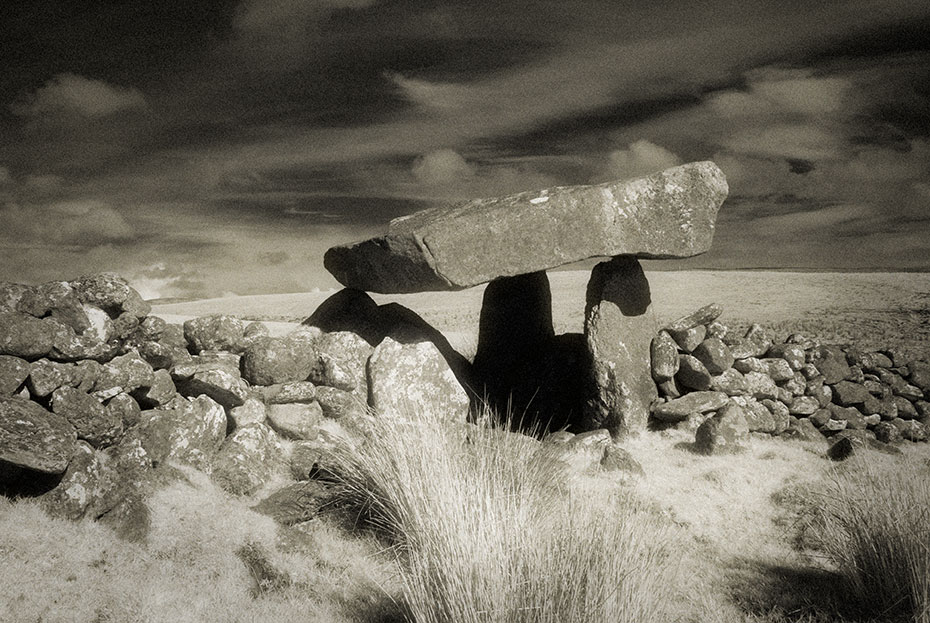
The east part of the site
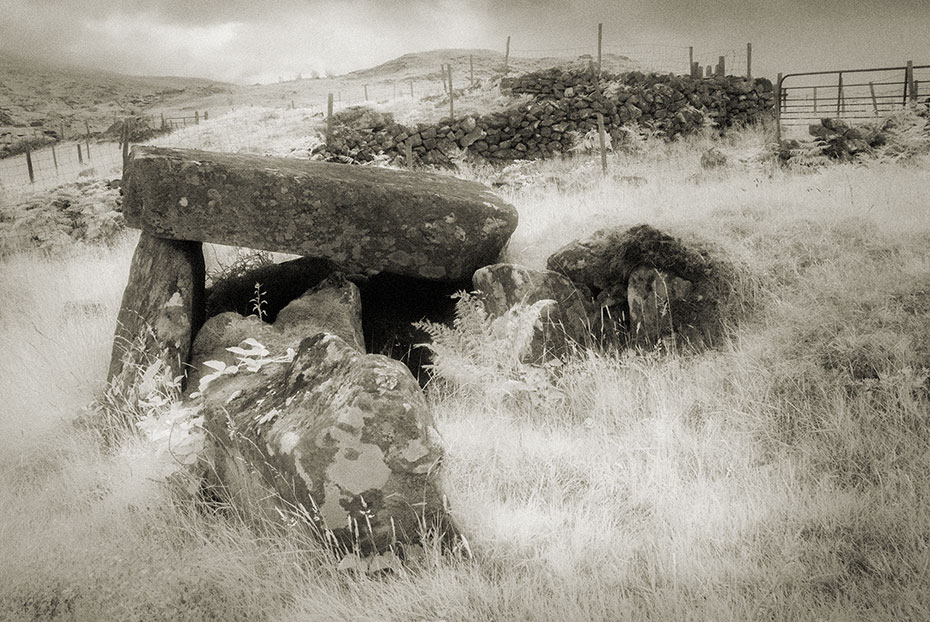
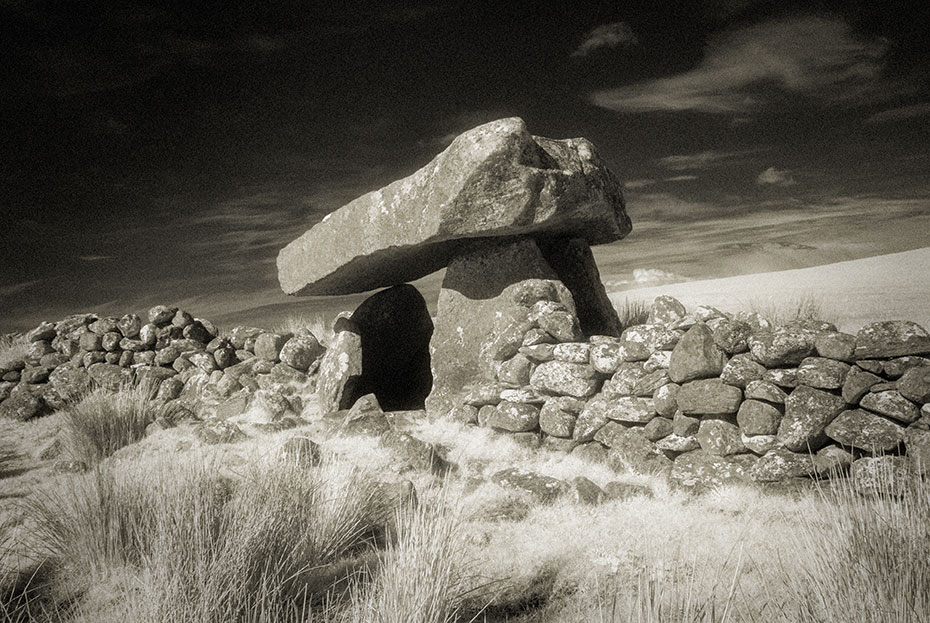
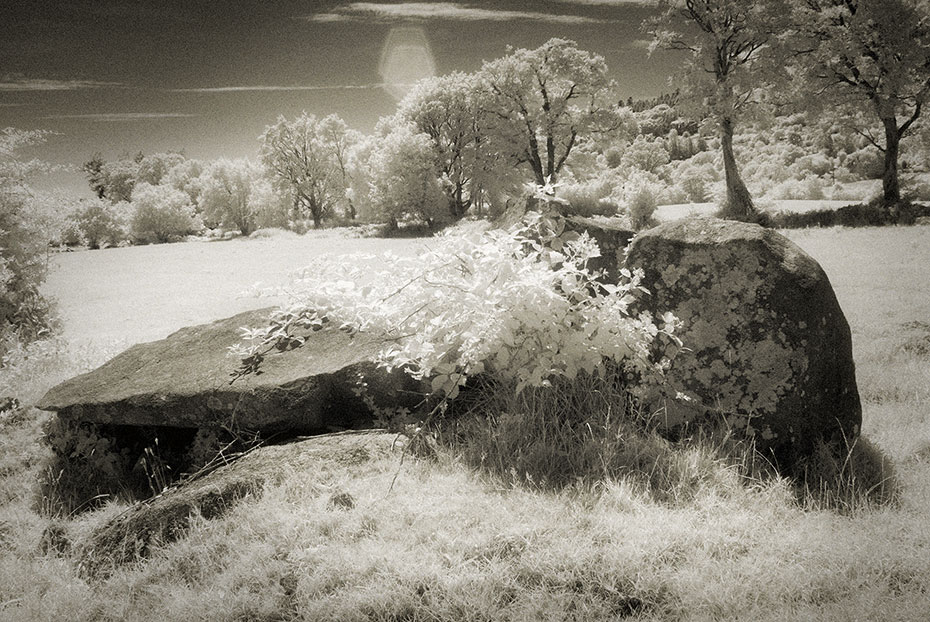
The subsidiary chamber
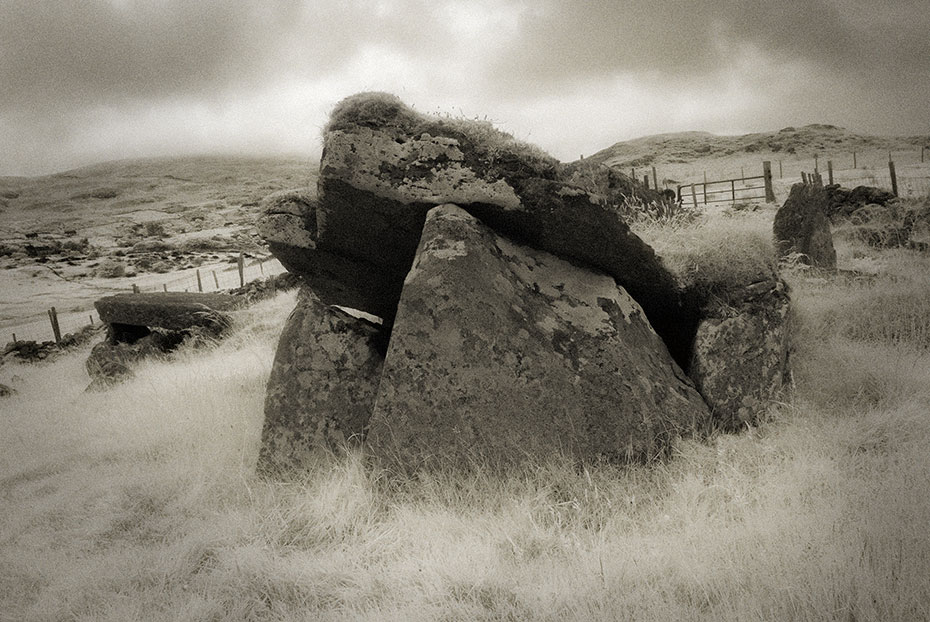
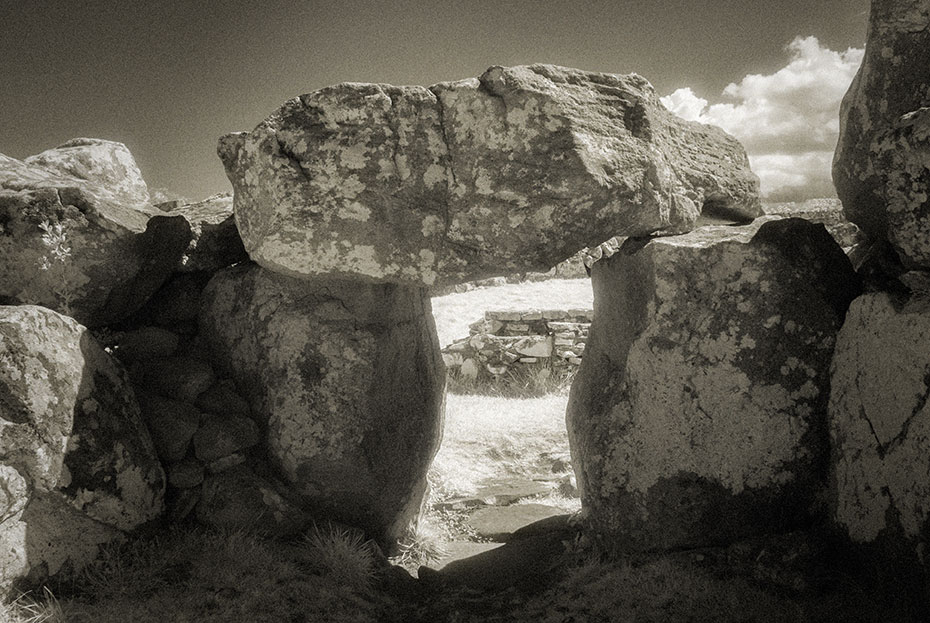
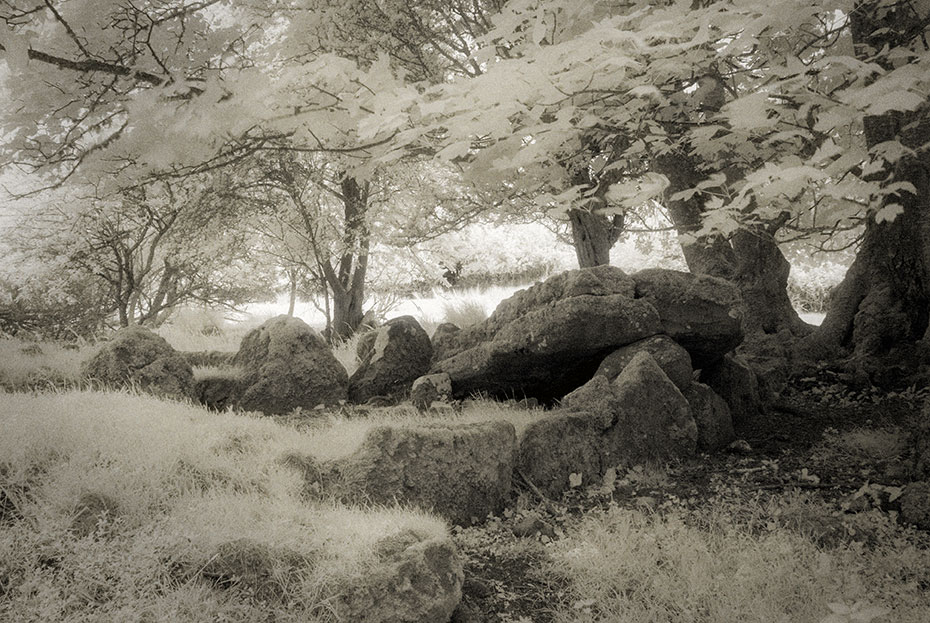
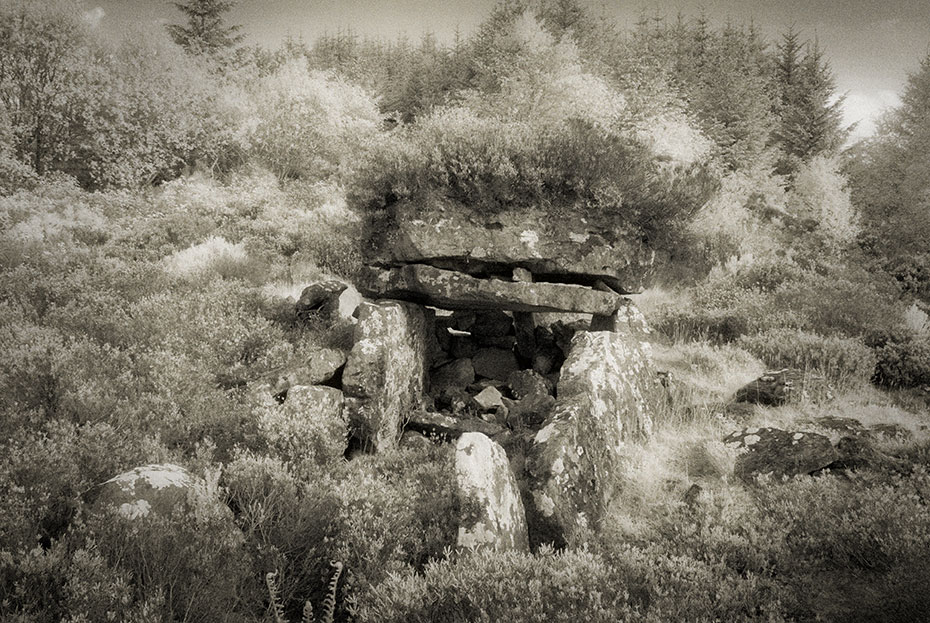
The east gallery with the subsidiary chamber to the left
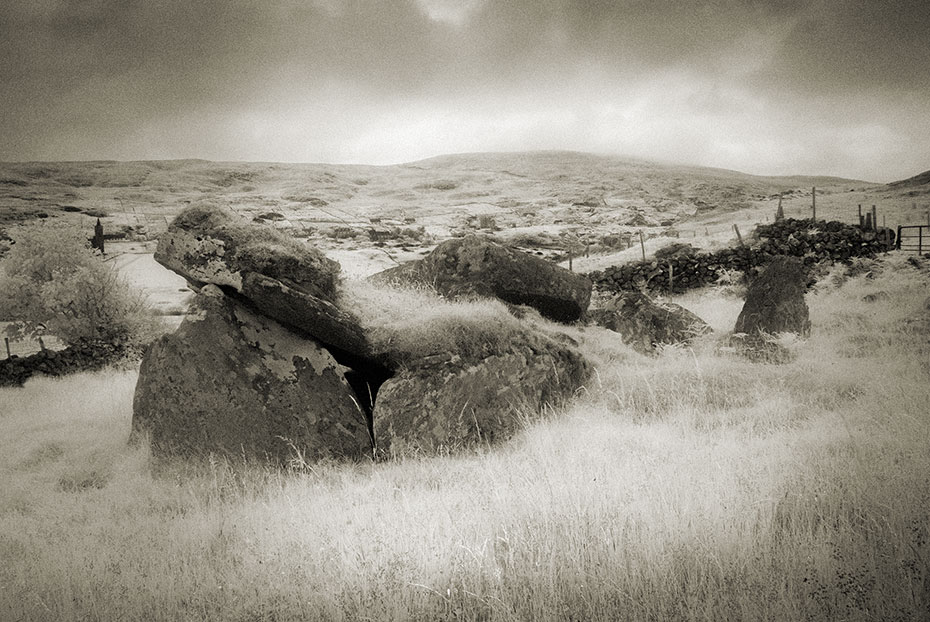
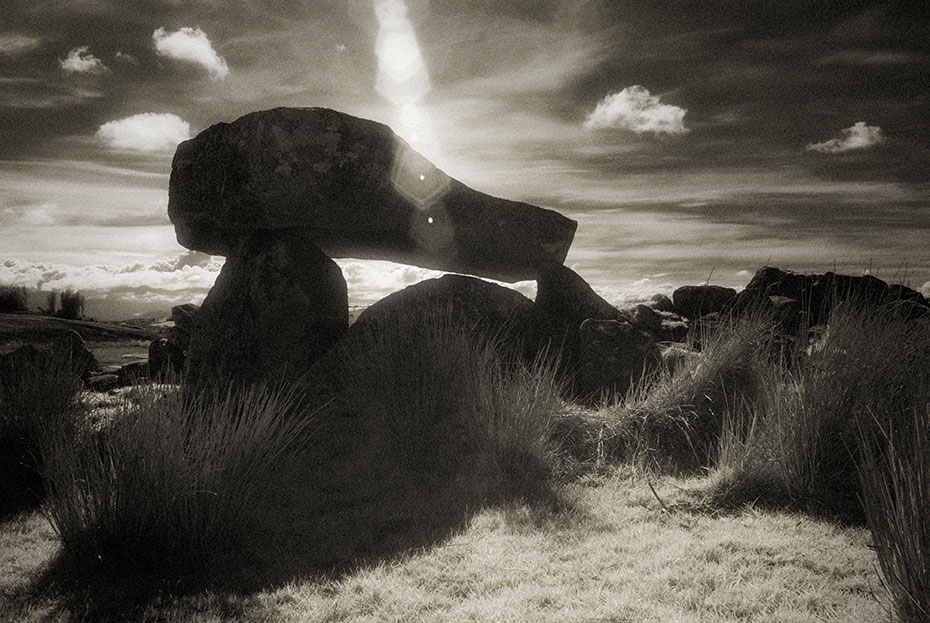
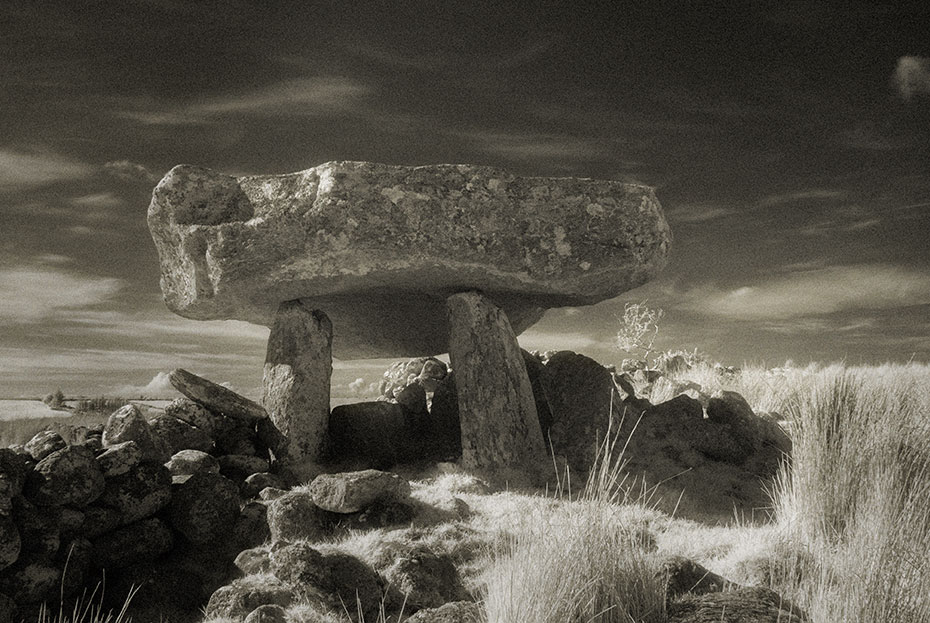
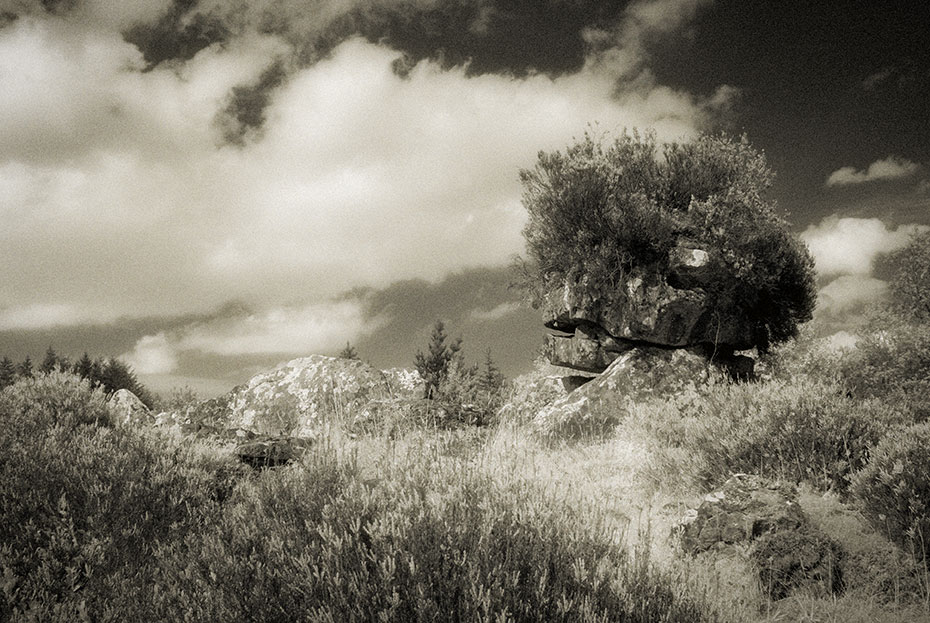
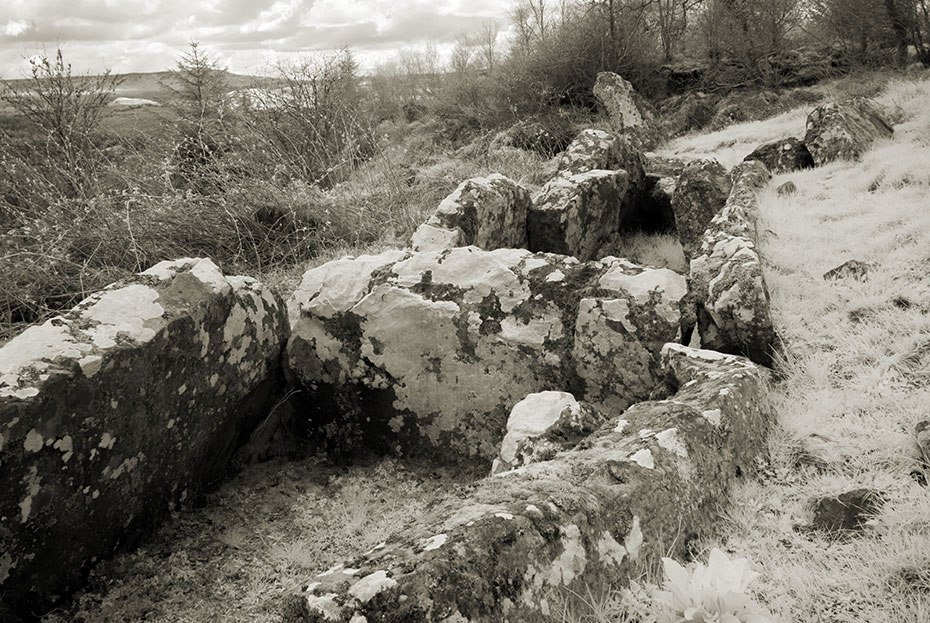
Farranmacbride Court Tomb, Glencolmcille, Co Donegal, Ireland
Underexposed – an Irish Photoblog
The entrance to the west chamber
Detail of the west chamber
The east part of the site
The subsidiary chamber
The east gallery with the subsidiary chamber to the left
Farranmacbride Court Tomb, Glencolmcille, Co Donegal, Ireland
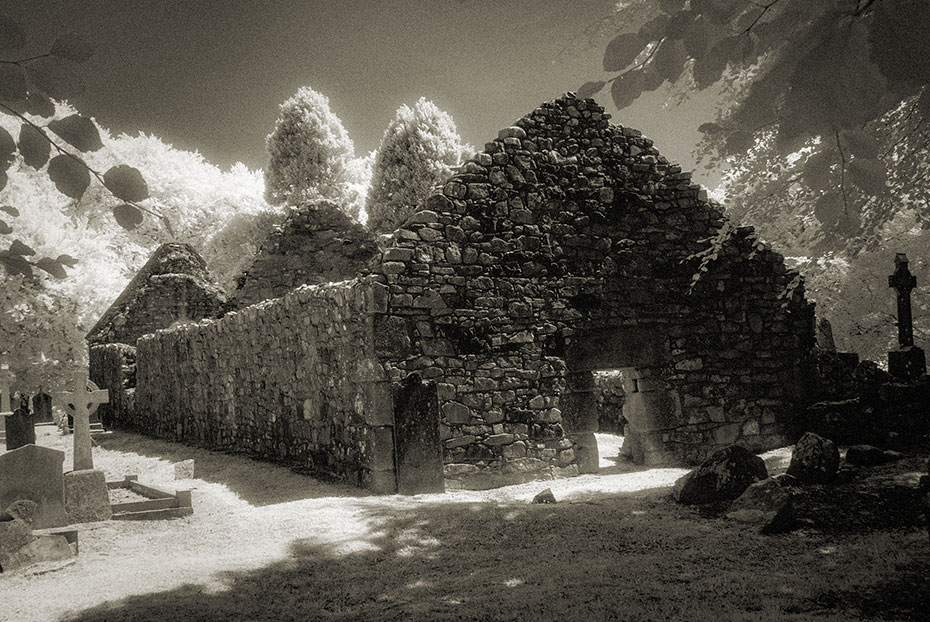
Killeavy churches, Co Armagh, Northern Ireland
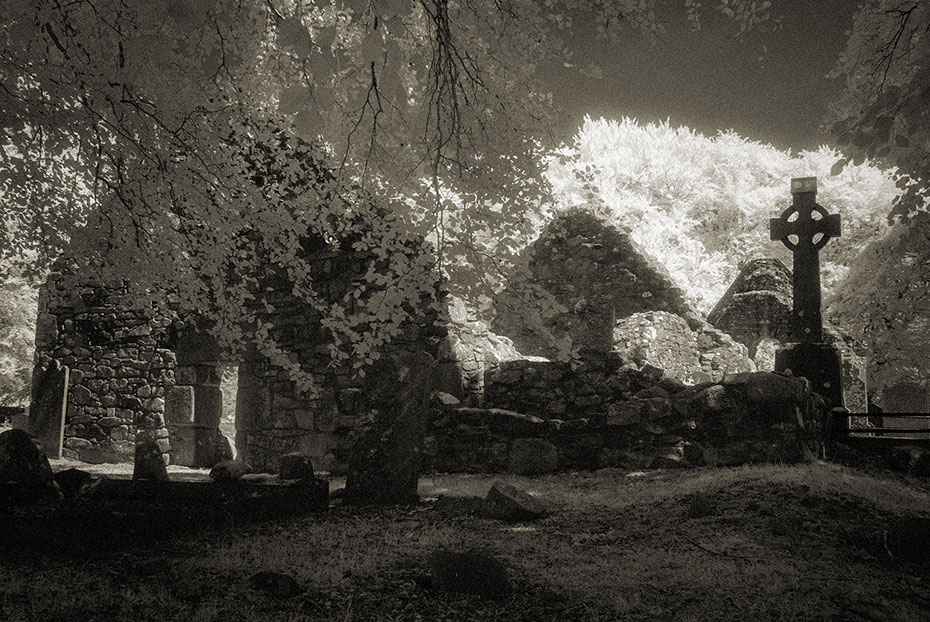
11th Century (West Church) and 15th Century (East Church with arched window
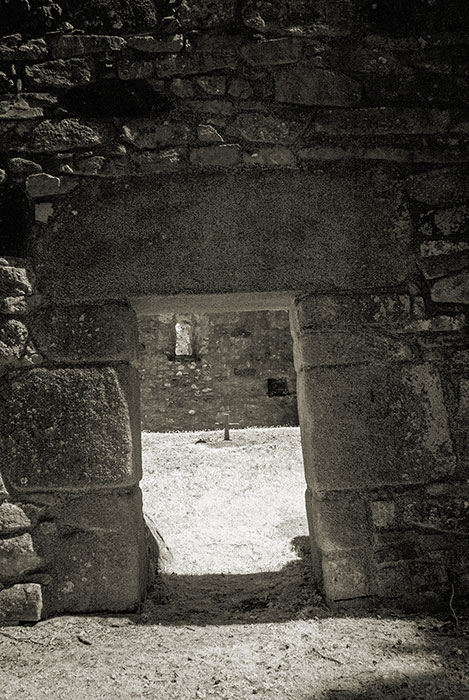
11th Century lintel doorway with huge granite slabs
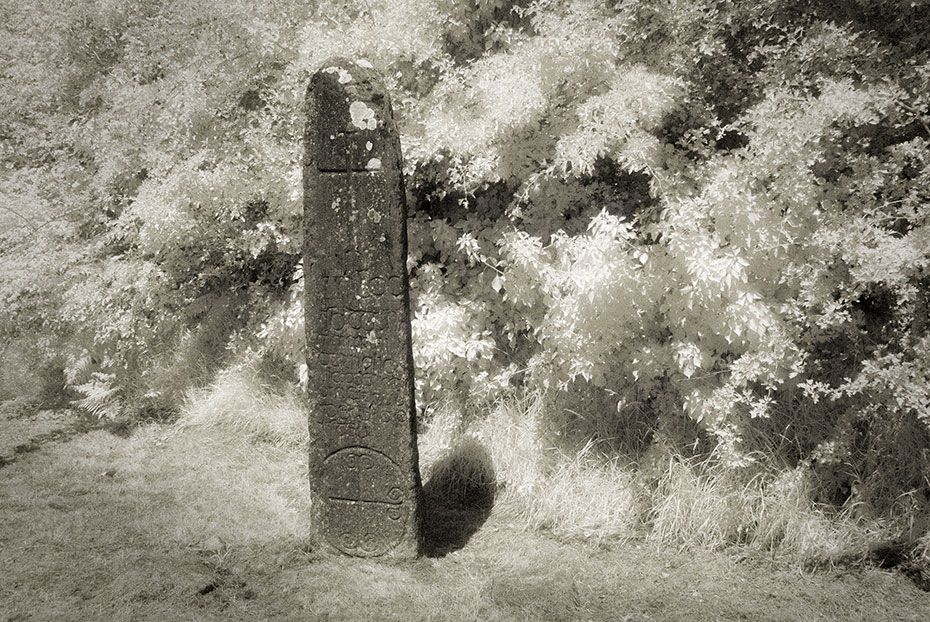
Kilnasaggart pillar stone, Co Armagh, Northern Ireland
 Click here for more information on an earlier post
Not the famous one that’s a bit further north up the R261 but a small portal tomb surrounded by reeds
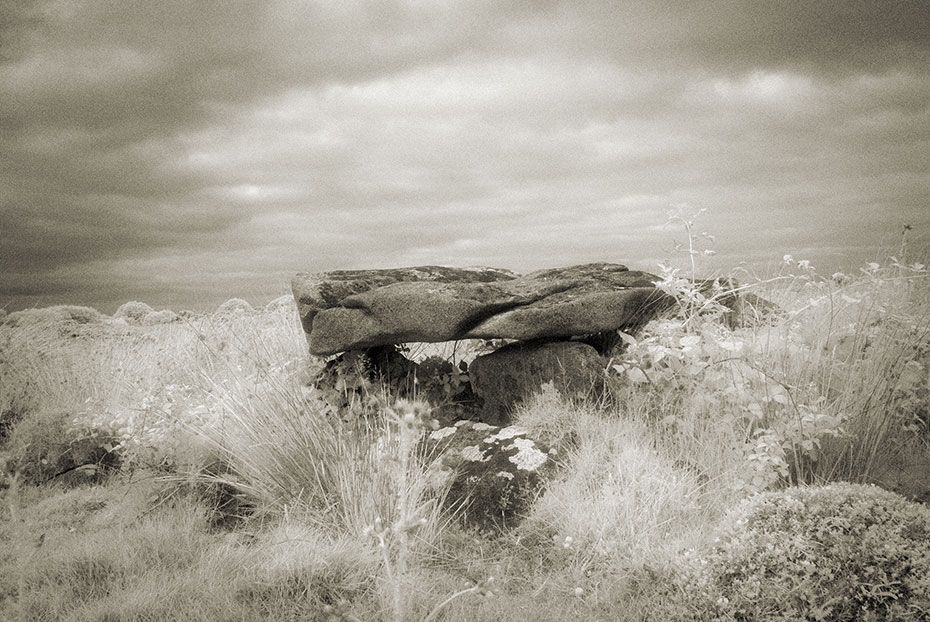
“Other” Kilclooney More Dolmen (Portal Tomb), Co Donegal, Ireland
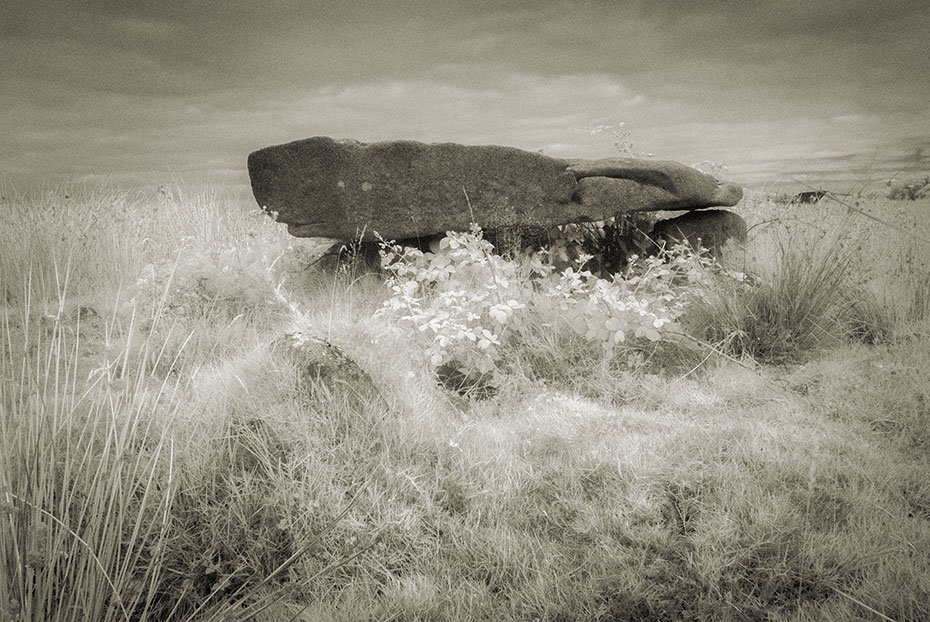
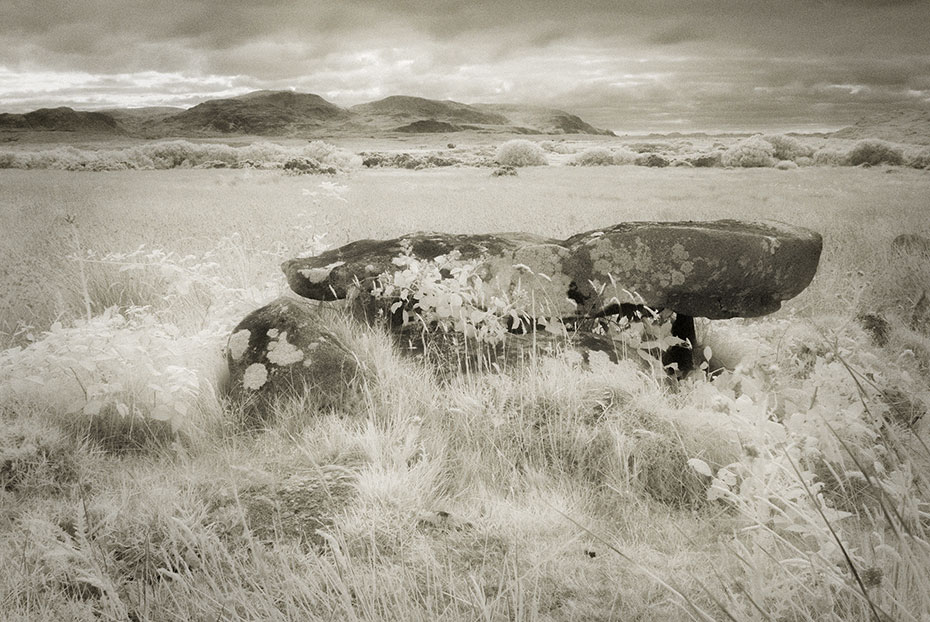
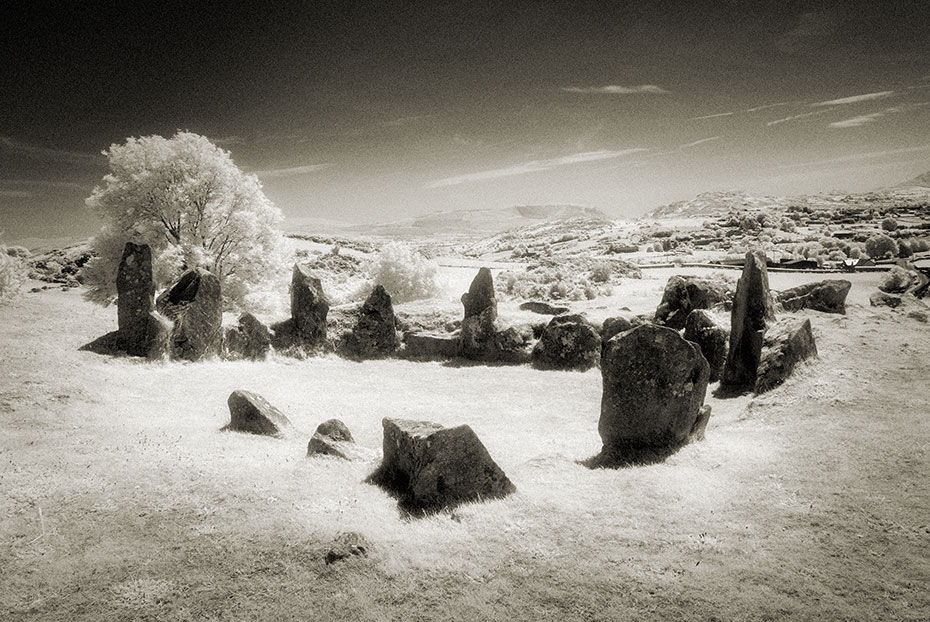
Ballymacdermot Court Tomb, Co Armagh, Northern Ireland
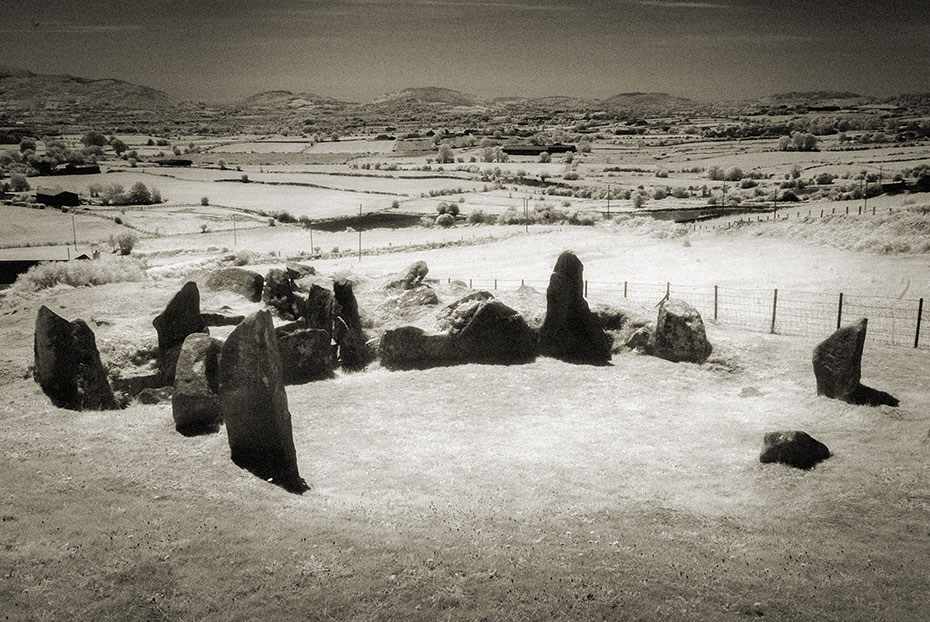
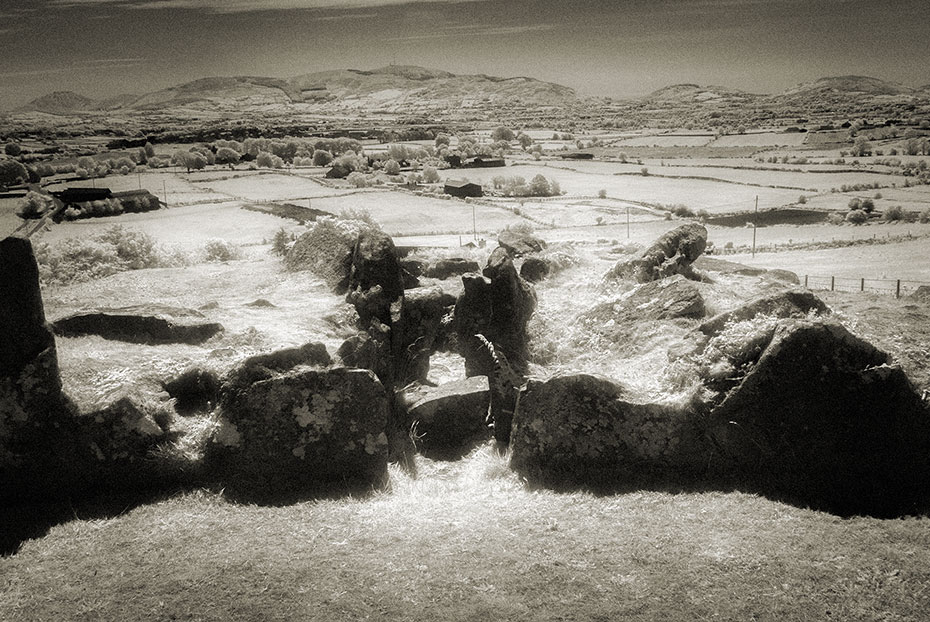
Looking into the gallery from the court
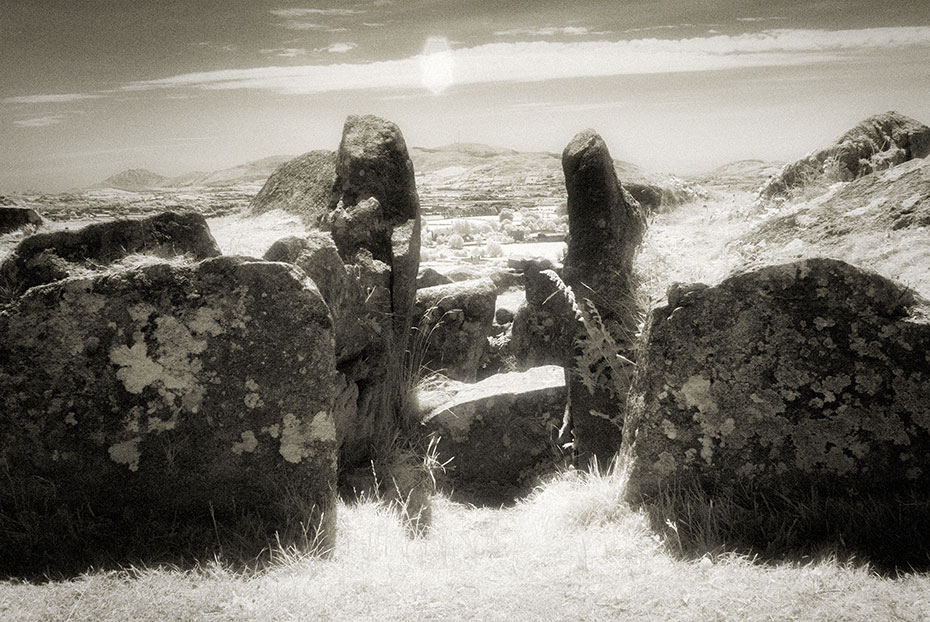
The entrance to the gallery from the court
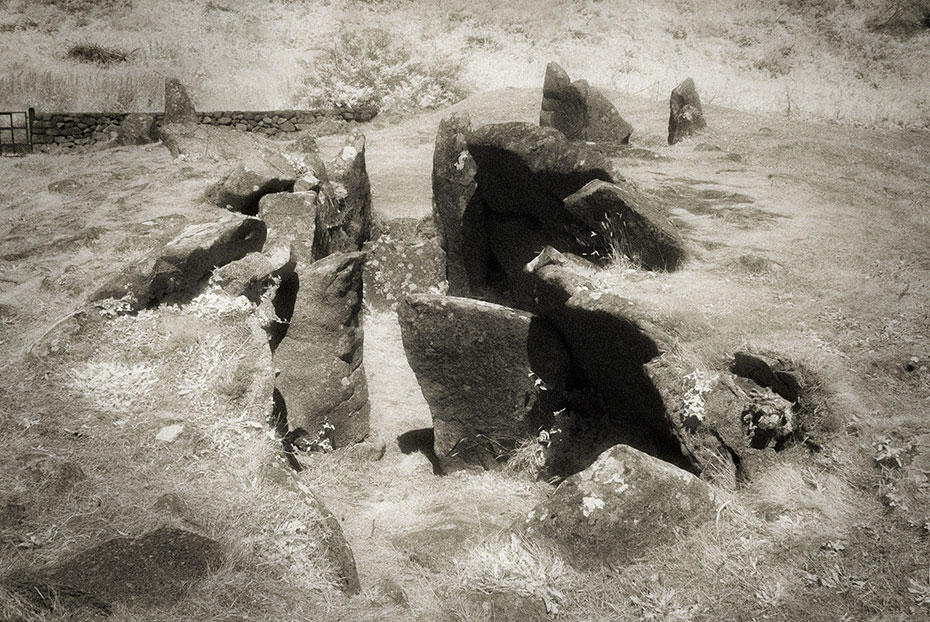
The view from behind the chambers
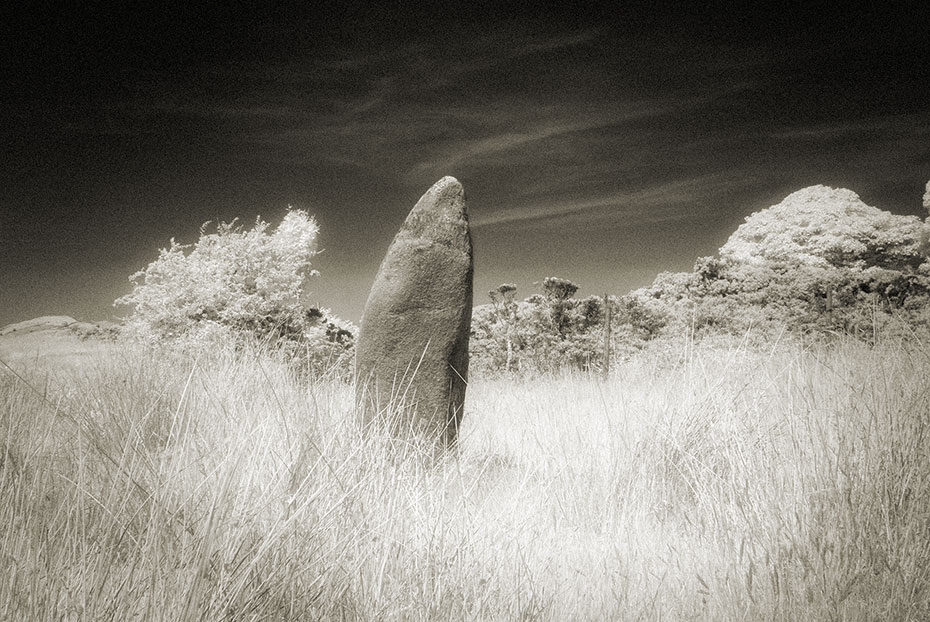
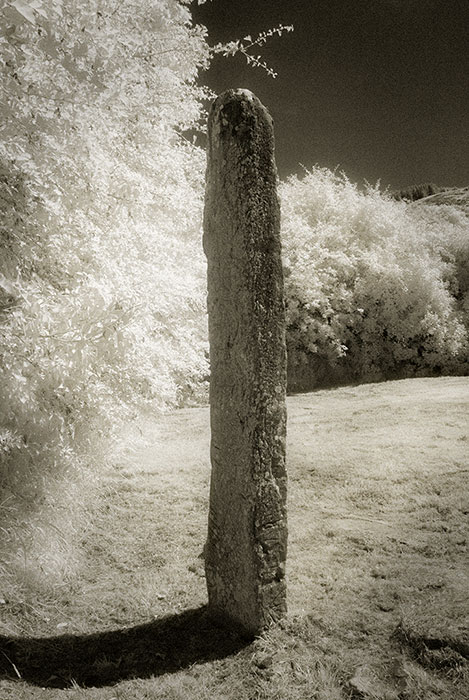
Ballard Standing Stone aka the Long Stone, Armagh, Northern Ireland
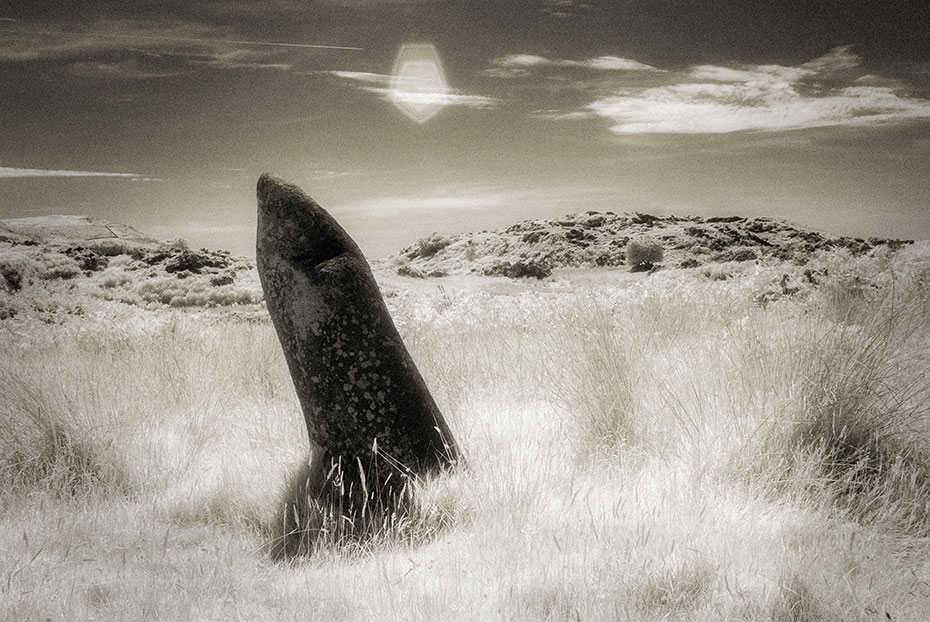
The stone lies just of a narrow winding road in the beautiful countryside of south Armagh
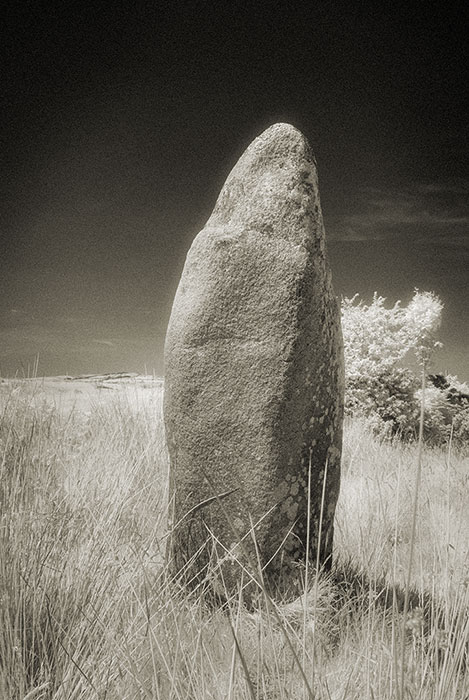
Creevykeel Court Tomb, Co. Sligo, Ireland. Entrance to Creevykeel Court Tomb
The court with the remains of a kiln from early christian times
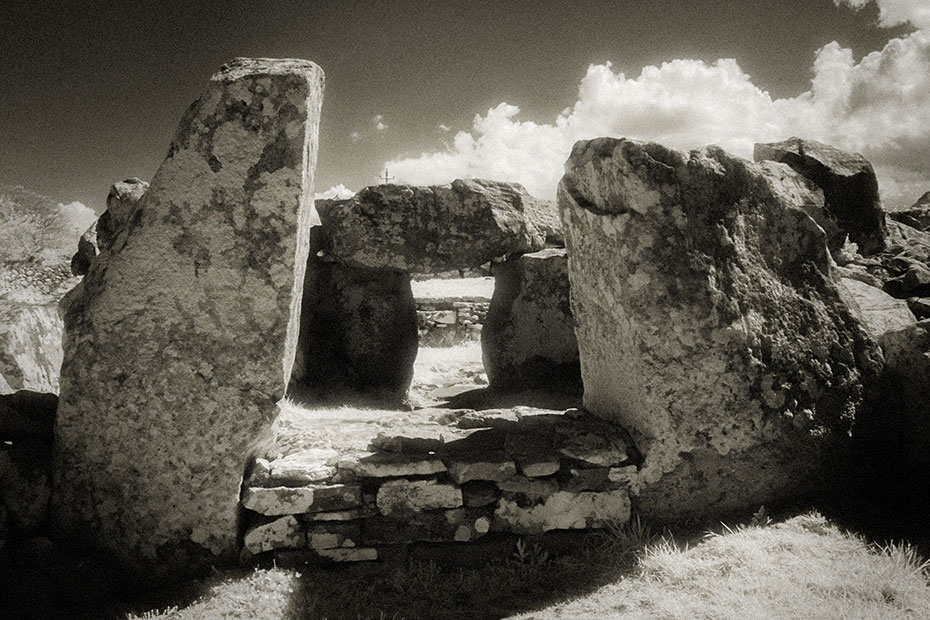
The view from inside the gallery
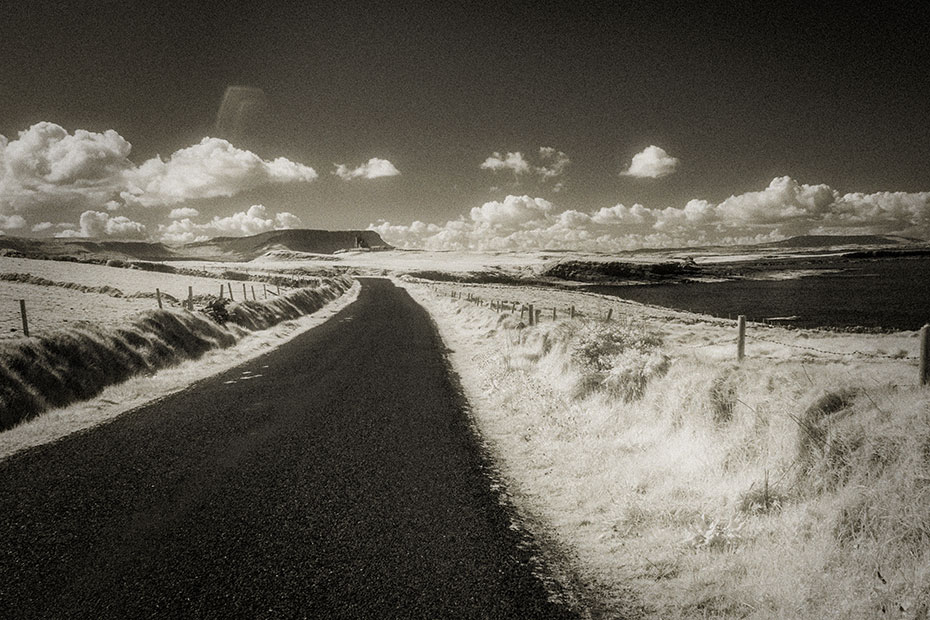
The road to Classiebawn Castle, Mullaghmore, Co. Sligo, Ireland
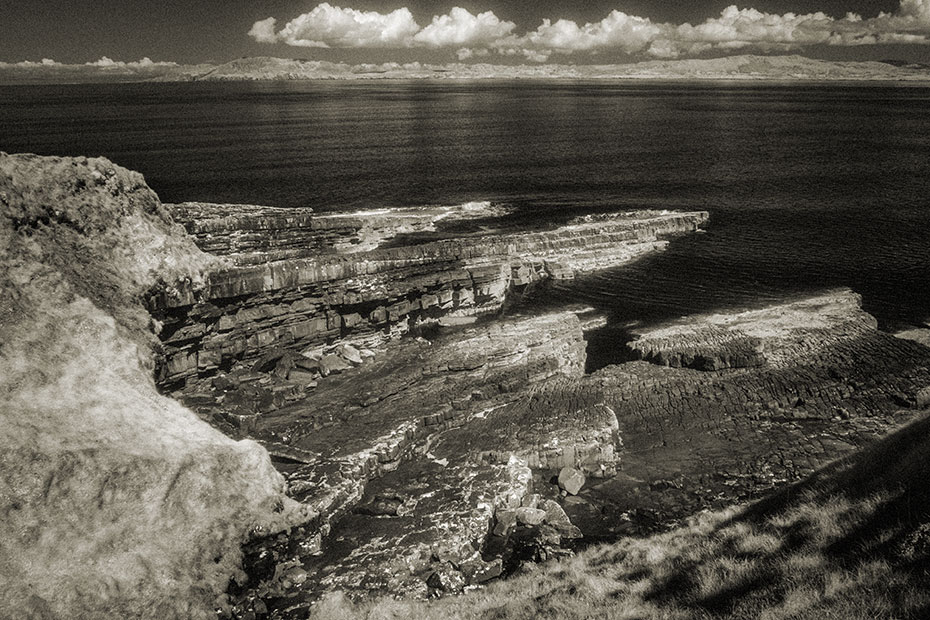
Mullaghmore seascape
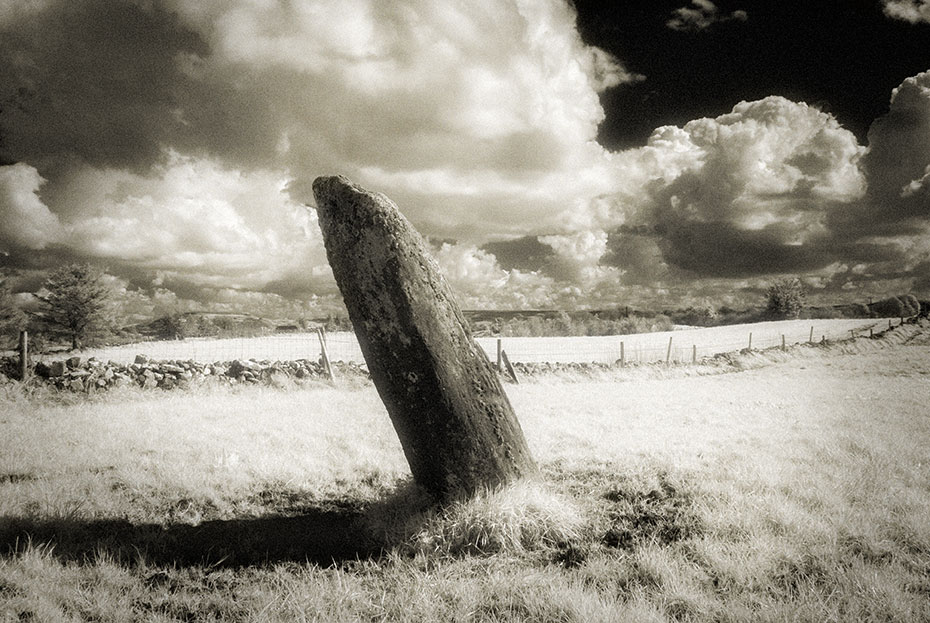
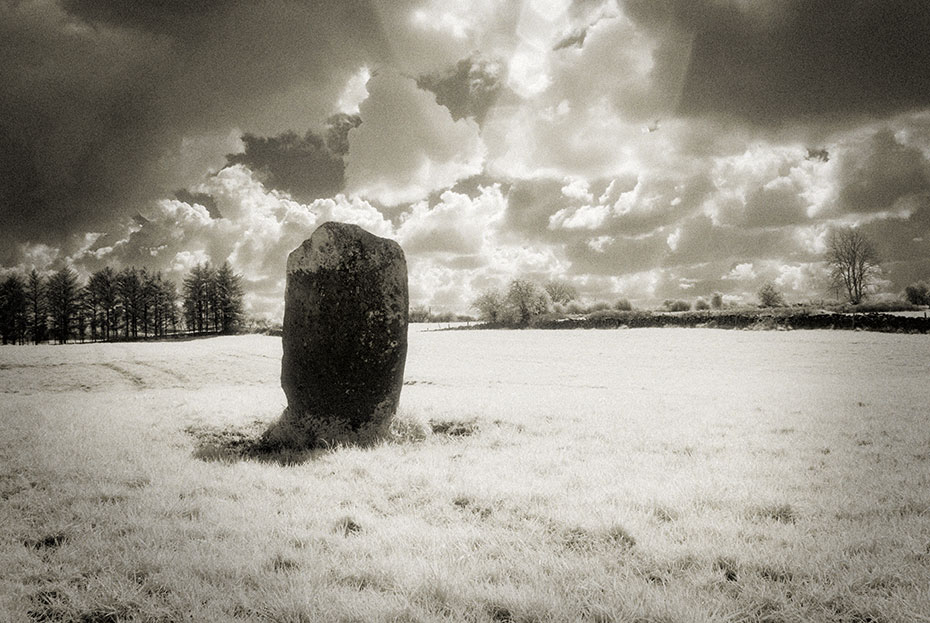
Doon Standing Stone, Co Sligo, Ireland
The same stone… in the next field there is another Standing Stone but local flooding prevented approach
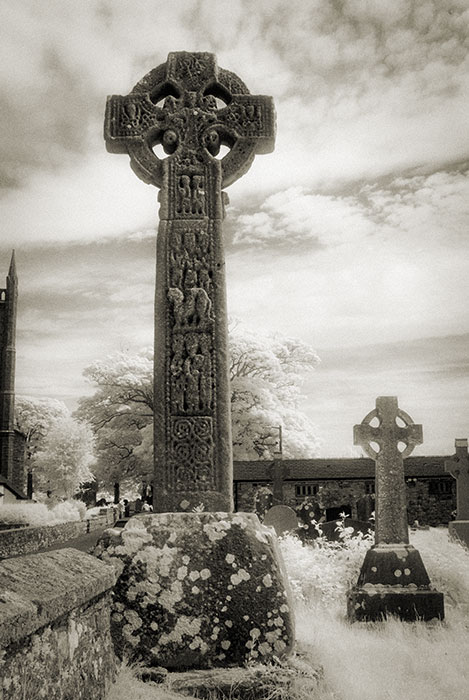
Drumcliff High Cross, Co Sligo, Ireland
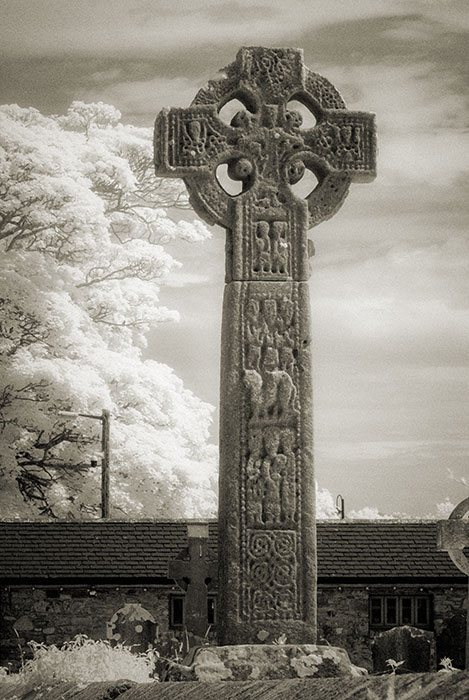
West face of the 9th-10th-century high cross at Drumcliff
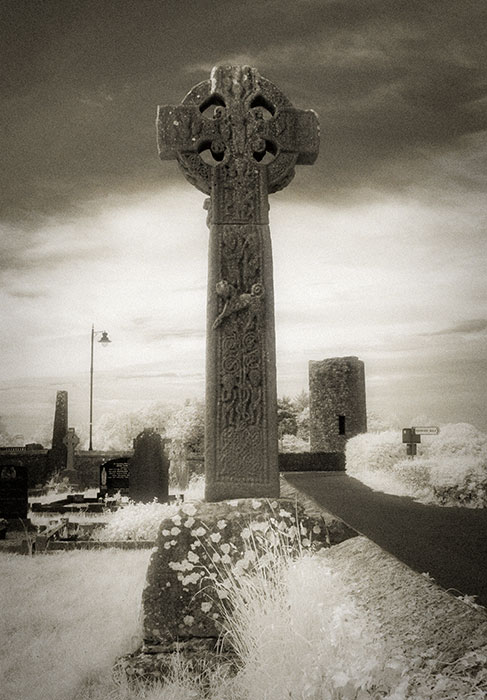
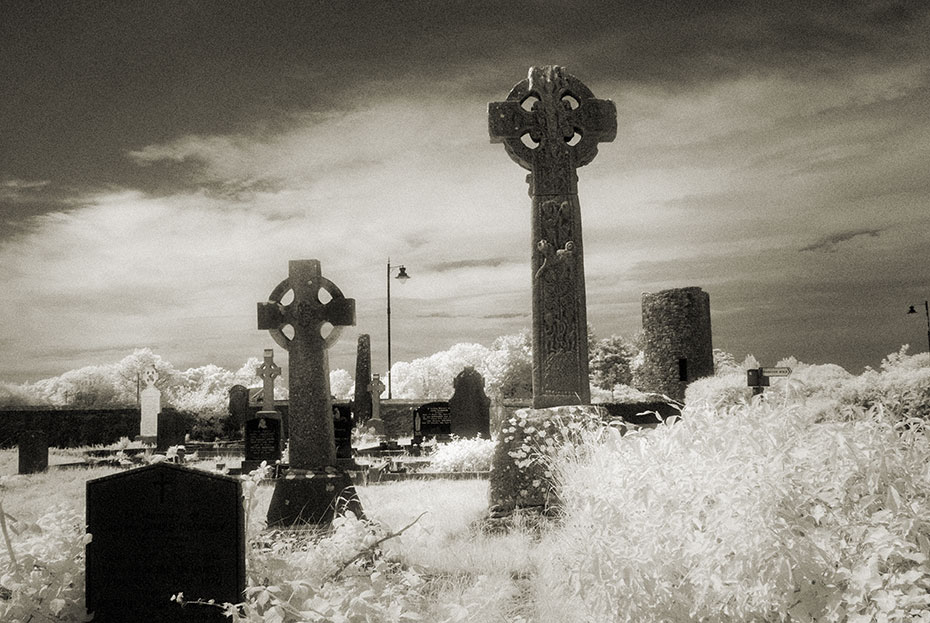
Drumcliff High Cross with the shaft of another high cross and ruin of the round tower in the background
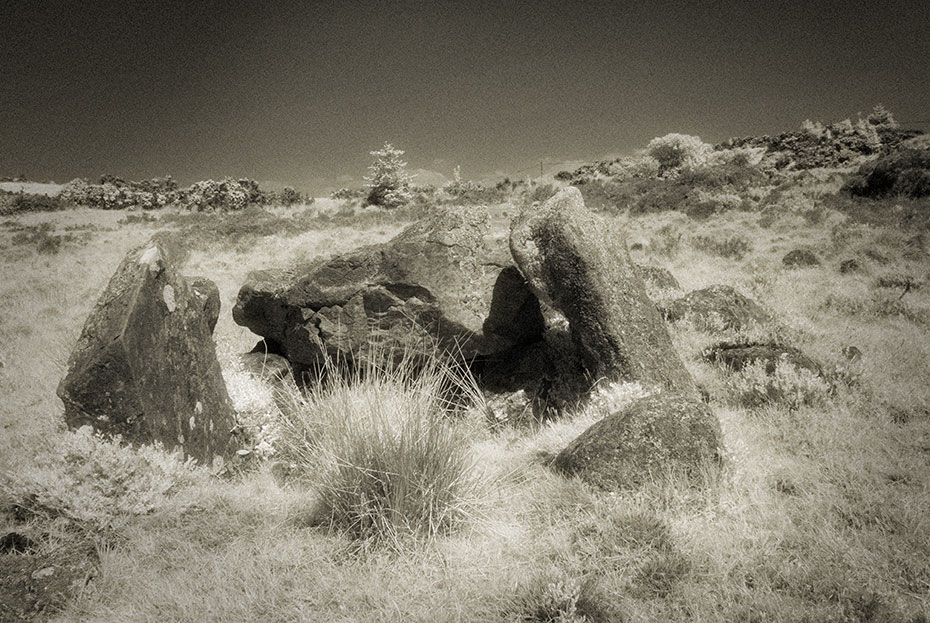
Ballybriest Wedge Tomb – aka Carnanbane, Co Derry, Northern Ireland
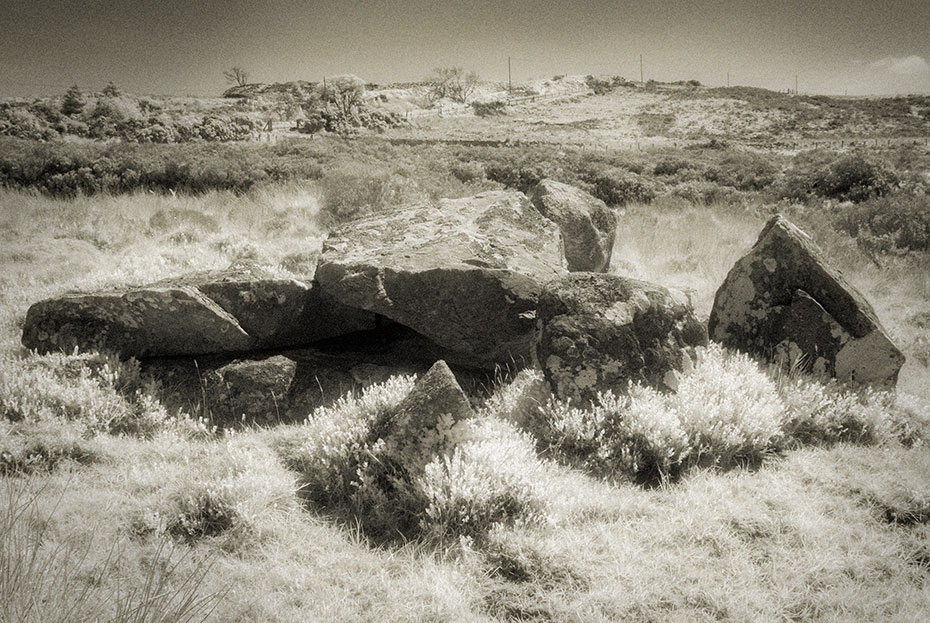
Ballybriest Wedge Tomb is situated 100mtr (approx.) south of Ballybriest Court Tomb
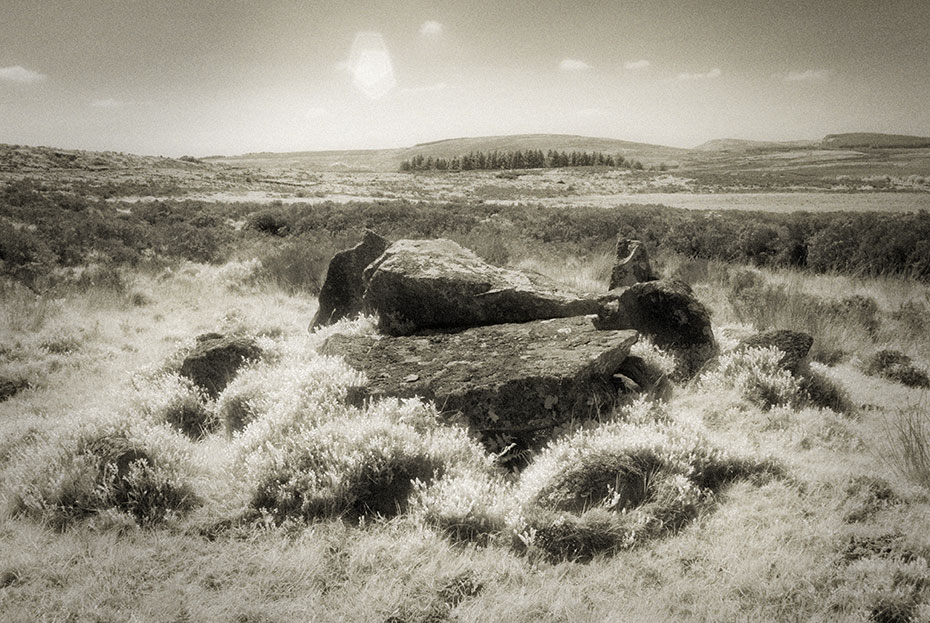
Coolbeg Wedge Tomb, Drumcliff, Co Sligo, Ireland
Coolbeg Wedge Tomb lies beside the Drumcliff River a short distance from Drumcliff Round Tower, High Cross and the grave of WB Yeats.
The Giant’s Griddle – Tawnatruffaun Dolmen, Co Sligo, Ireland
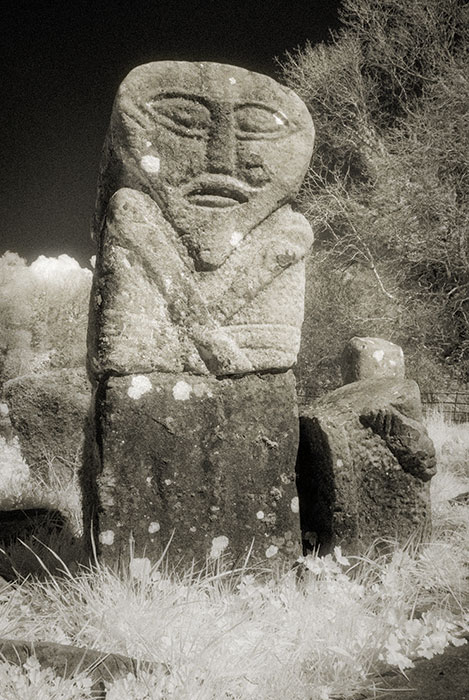
West face of the Janus statue in Caldragh graveyard
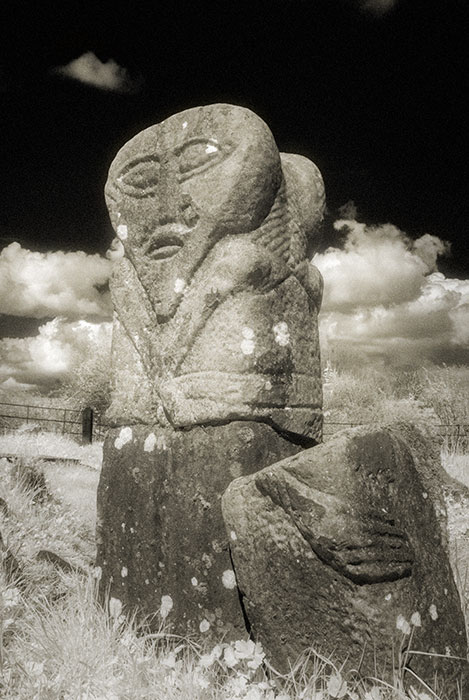
Caldragh graveyard, Boa Island, Co Fermanagh, Northen Ireland
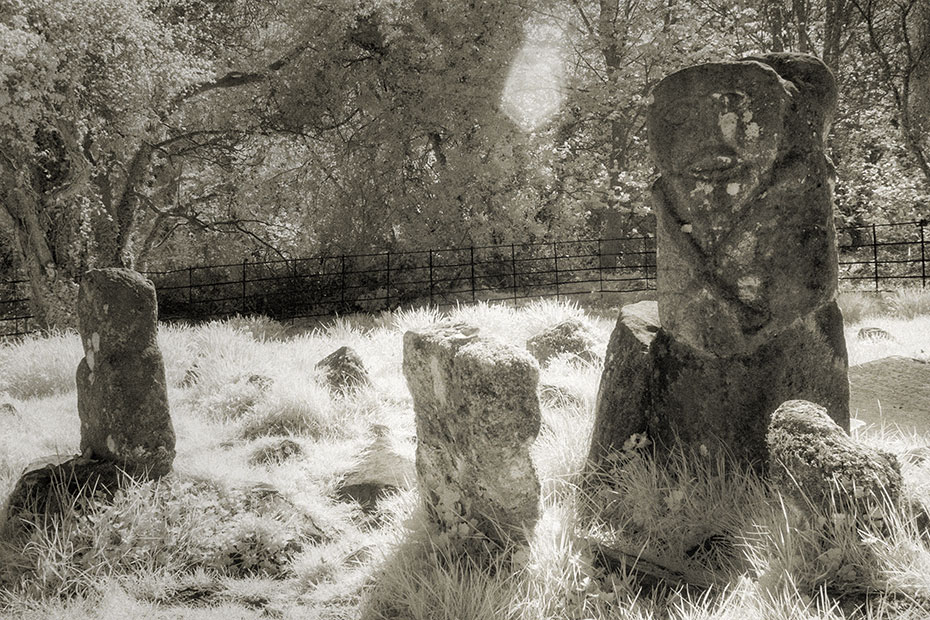
East face of the Janus statue on Boa Island
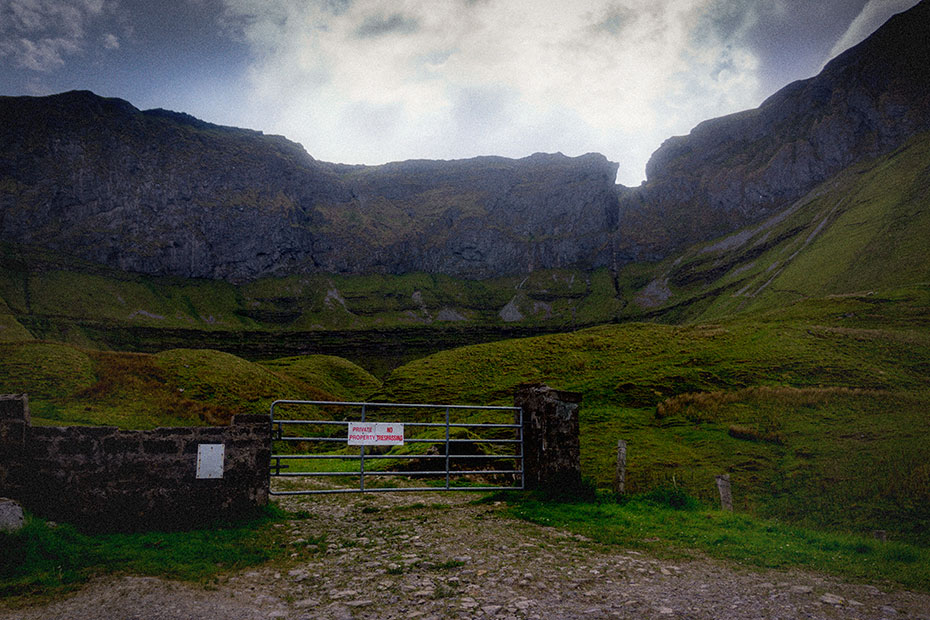
Gleniff Horseshoe, a scenic six-mile loop near Cliffoney, Co Sligo, Ireland
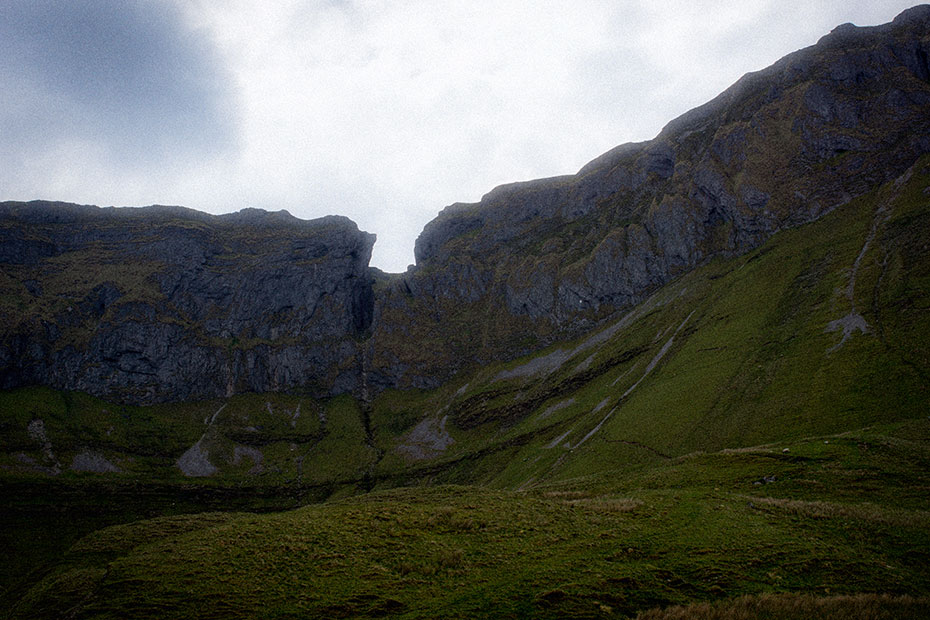
A view of the Cliffs on the drive
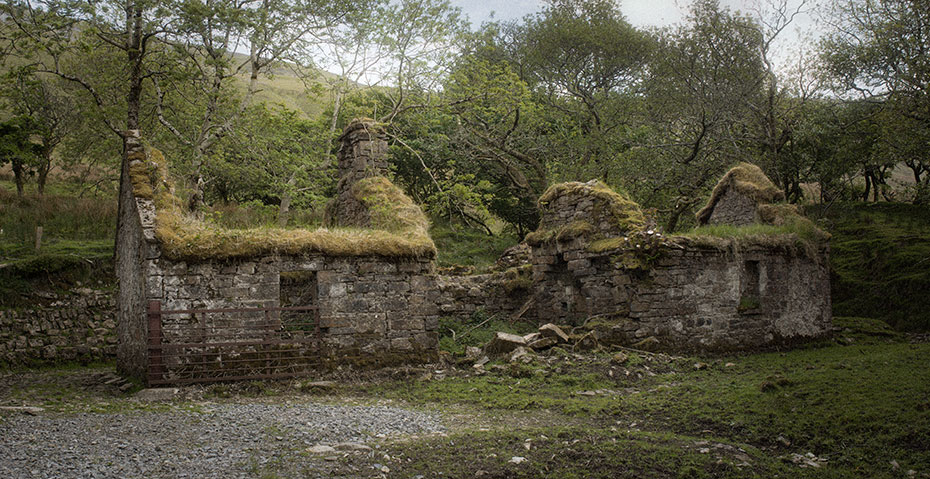
Gleniff horseshoe cottage ruin
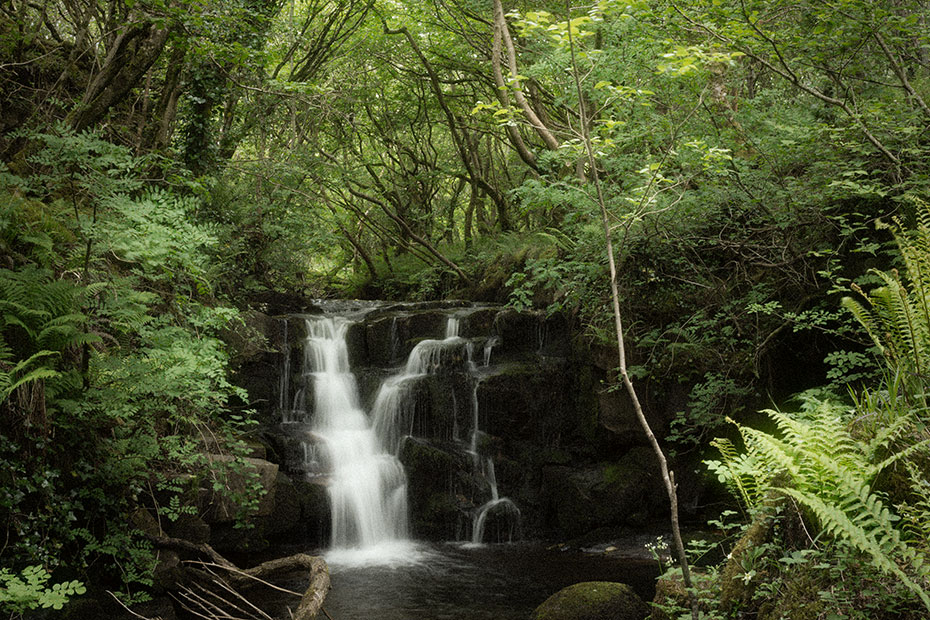
Small waterfall at the old mill ruins
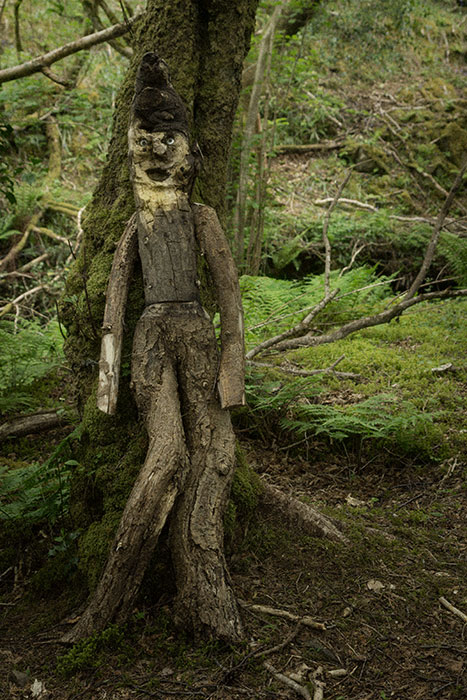
Wood sculpture at the old mill ruins
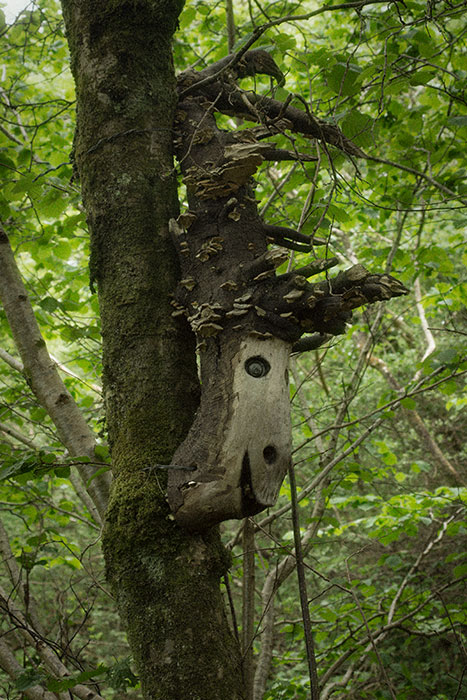
More oddities
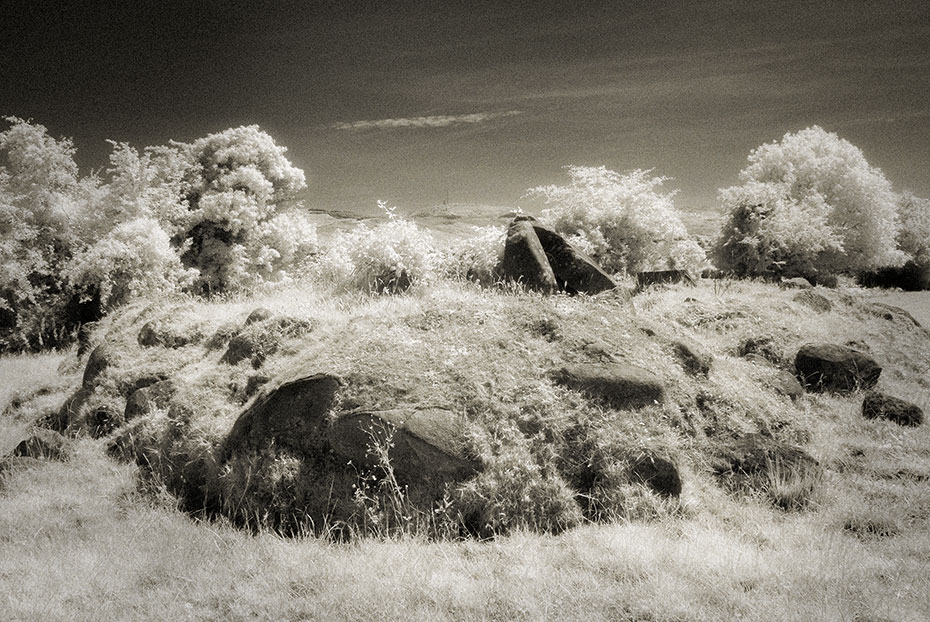
Clonlum South Megalithic Tomb, Co Armagh, Northern Ireland
Tullyhogue Fort, Co Tyrone, Northern Ireland
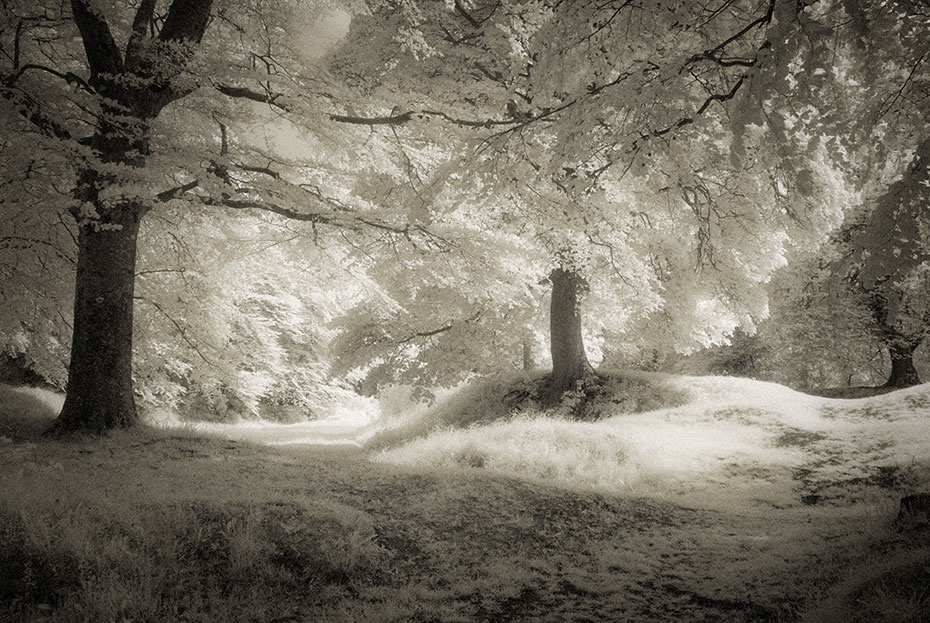
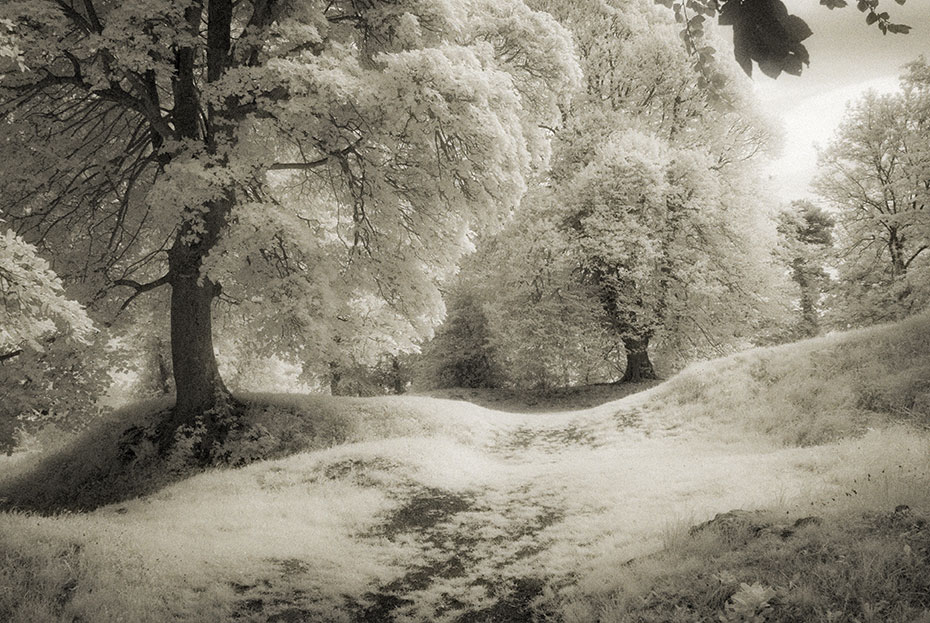
Tullyhogue Fort is the ancient ceremonial site where chieftains of the O’Neill dynasty of Tyrone were inaugurated as Kings on Leac na Rí (the Stone of Kings)
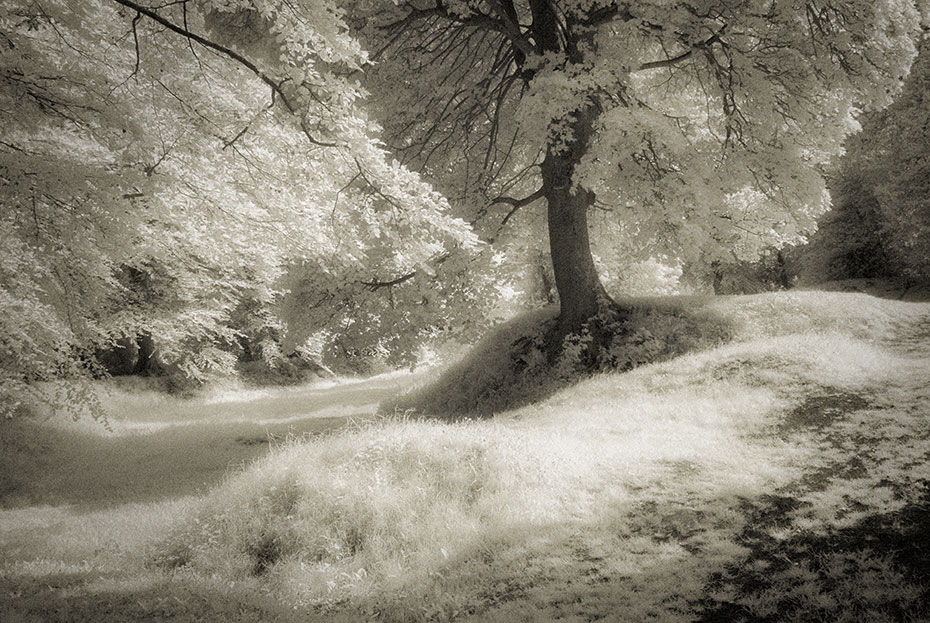
The structure was not for defence but for ceremonial purposes
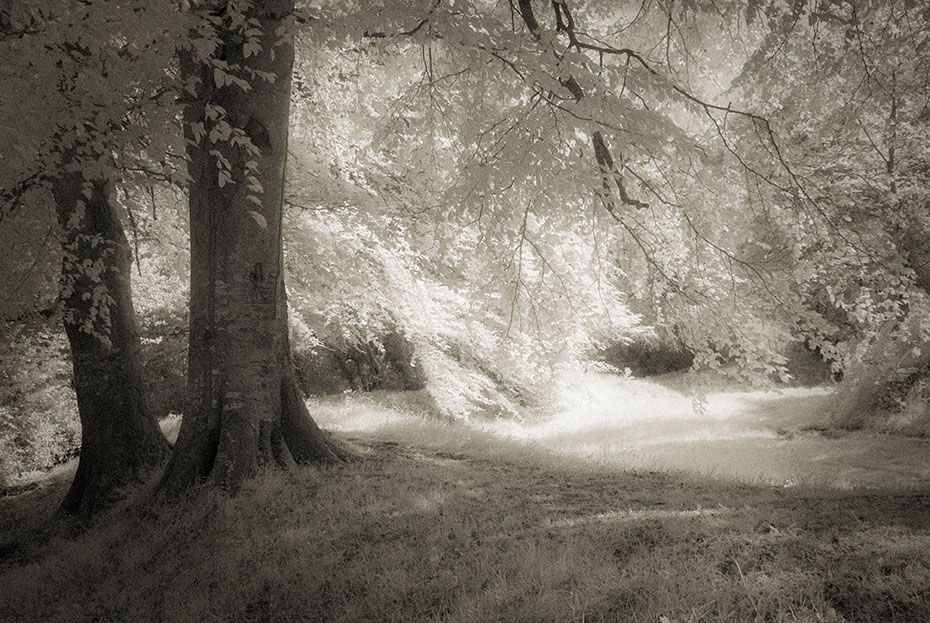
A double bank surrounds the central enclosure
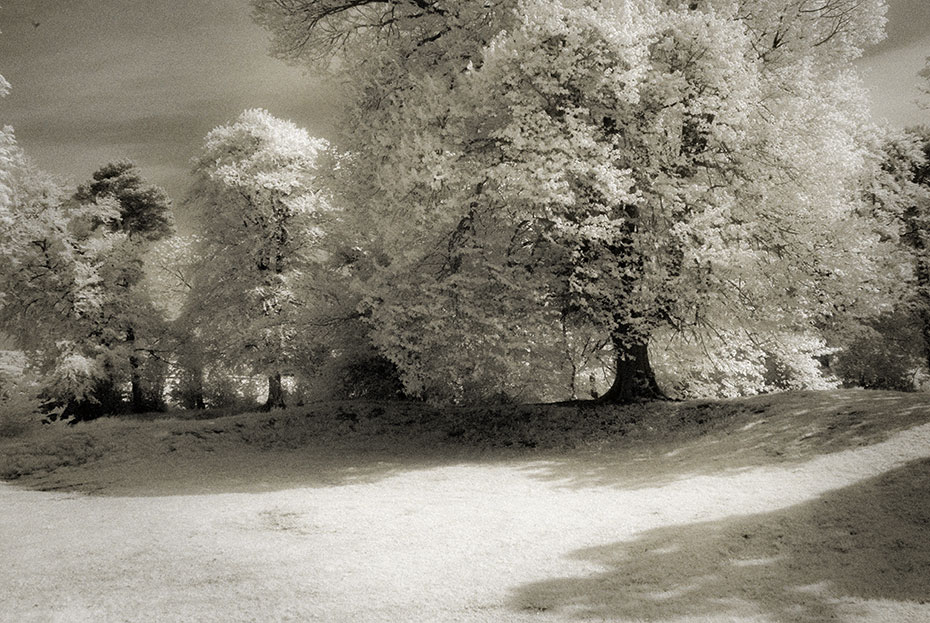
Leac na Rí – the Stone of Kings stood in this circular enclosure before it was destroyed by English forces in the early 1600s
Ally Court Tomb, Co Tyrone, Northern Ireland
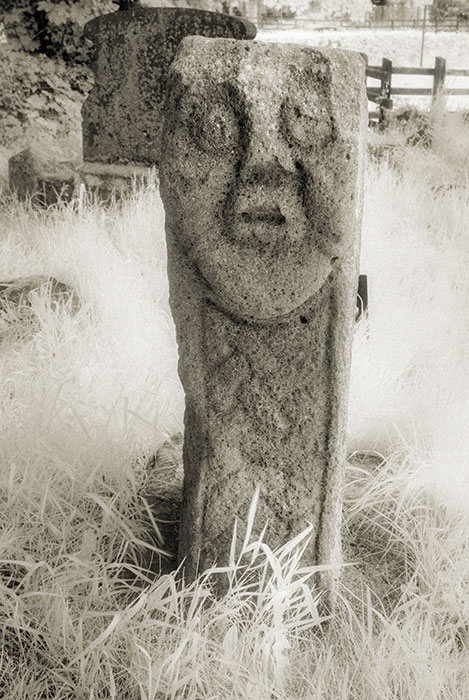
Killadeas – The Bishop’s Stone
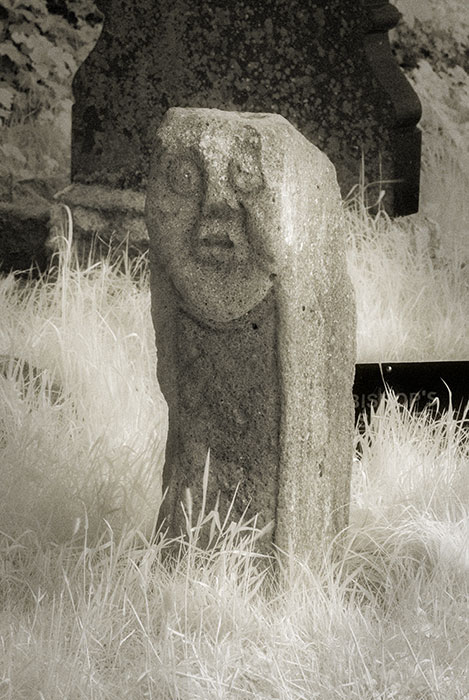
Killadeas, Co Fermanagh, Northern Ireland
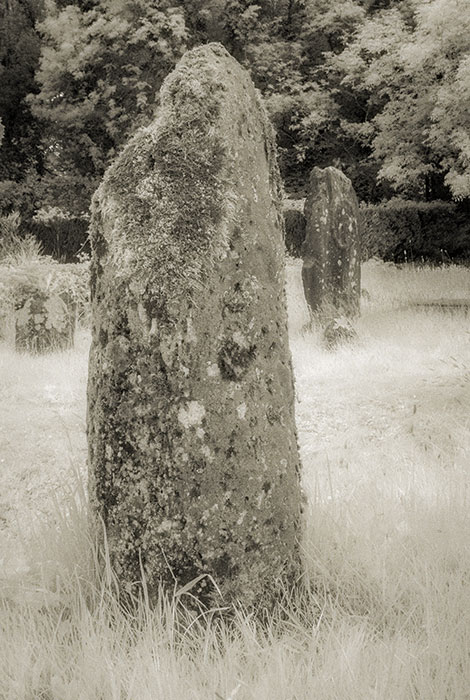
Killadeas – Standing Stone
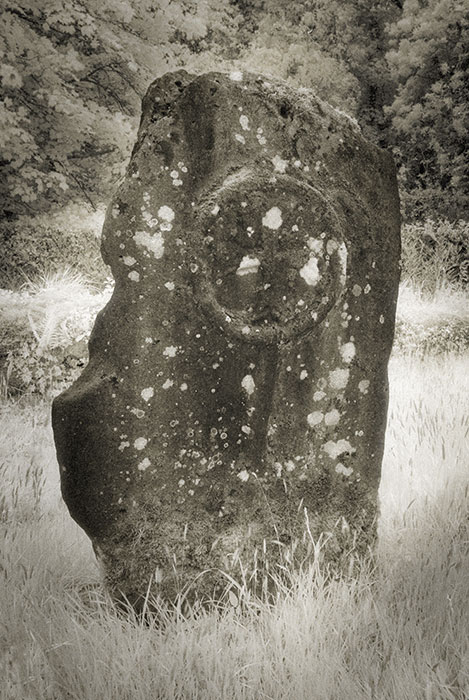
Killadeas – Cross anb Cupmarked Slab
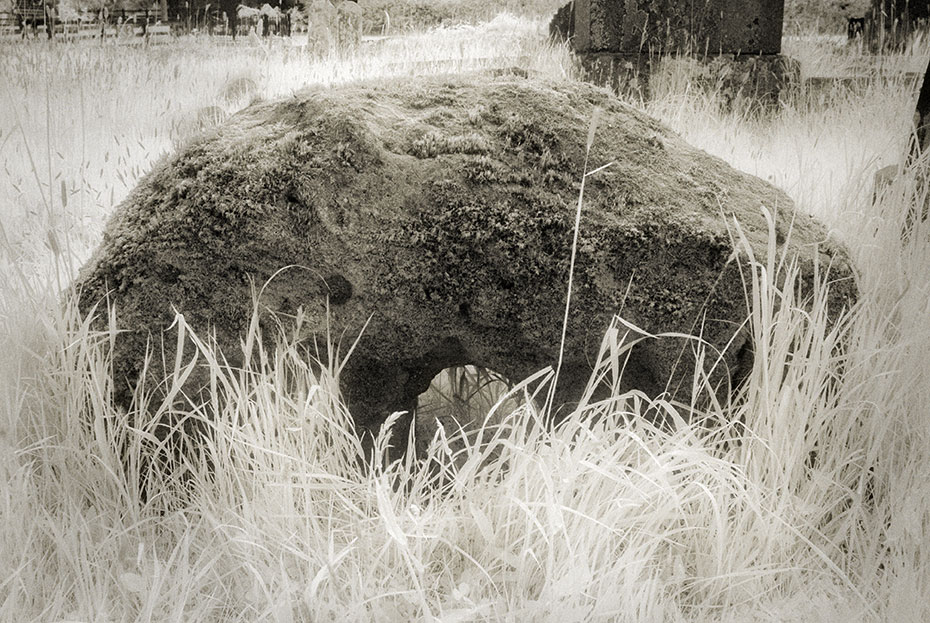
Killadeas – Holed Stone
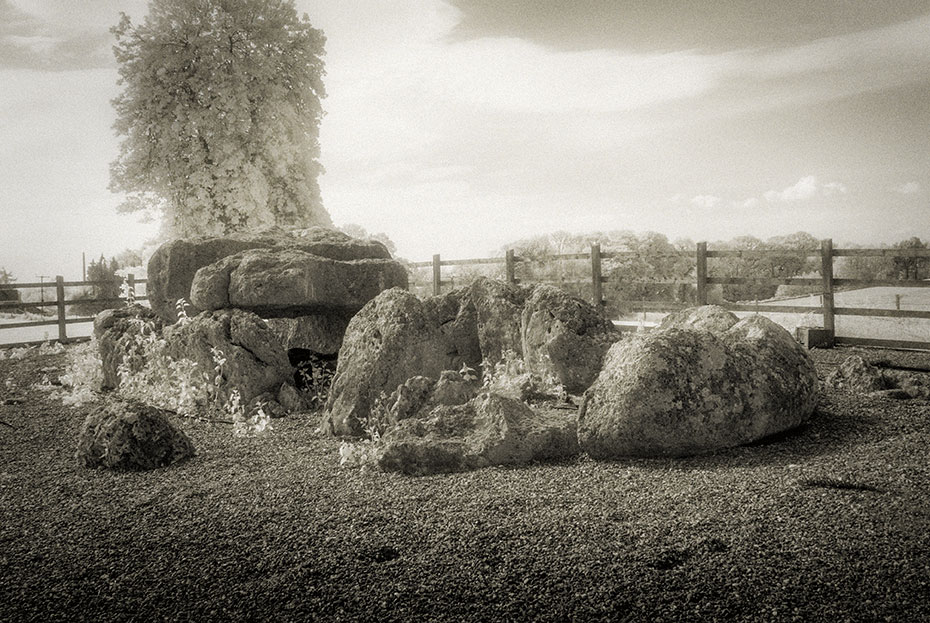
Loughry Wedge Tomb, Co tyrone, northern Ireland
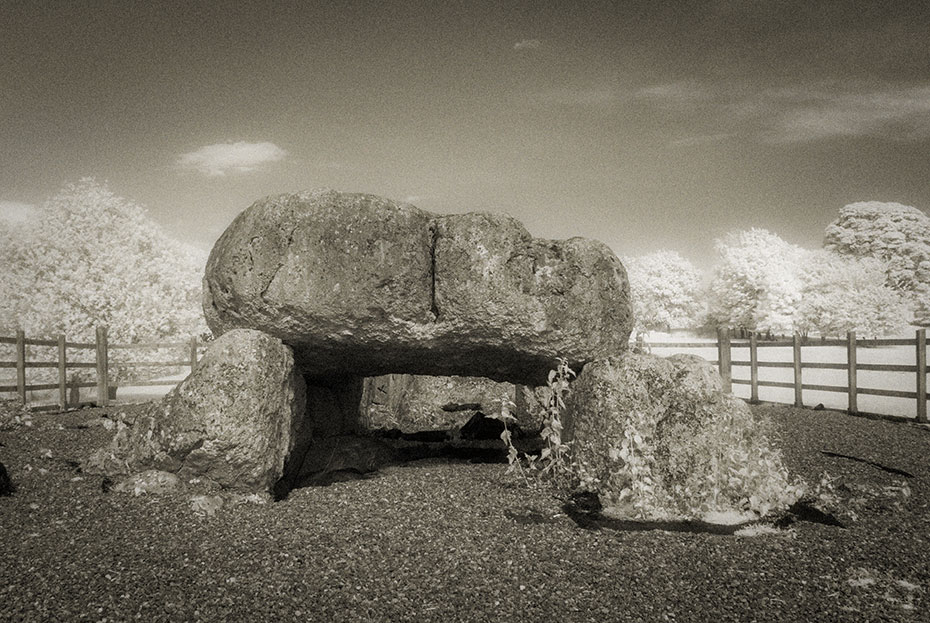
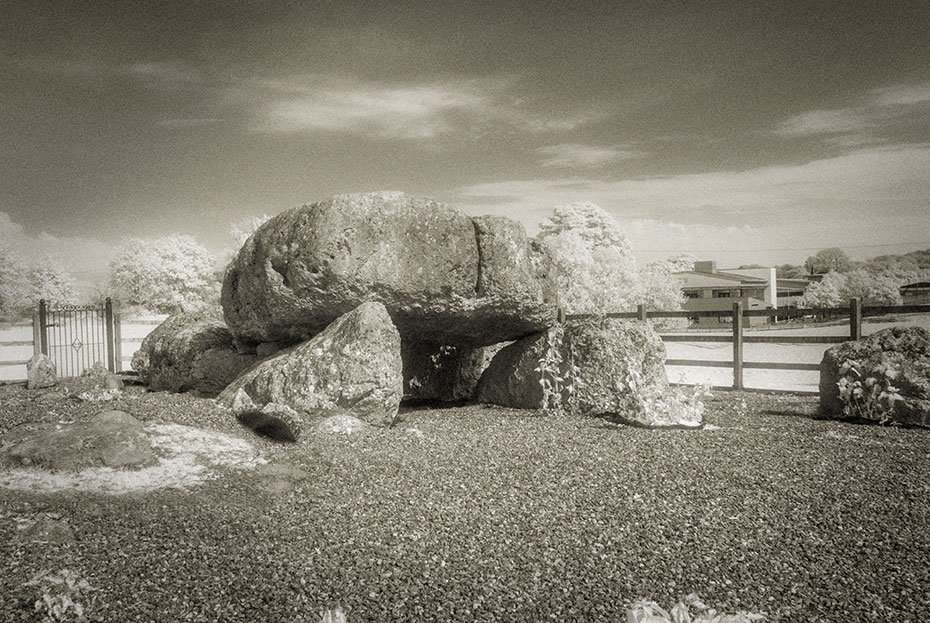
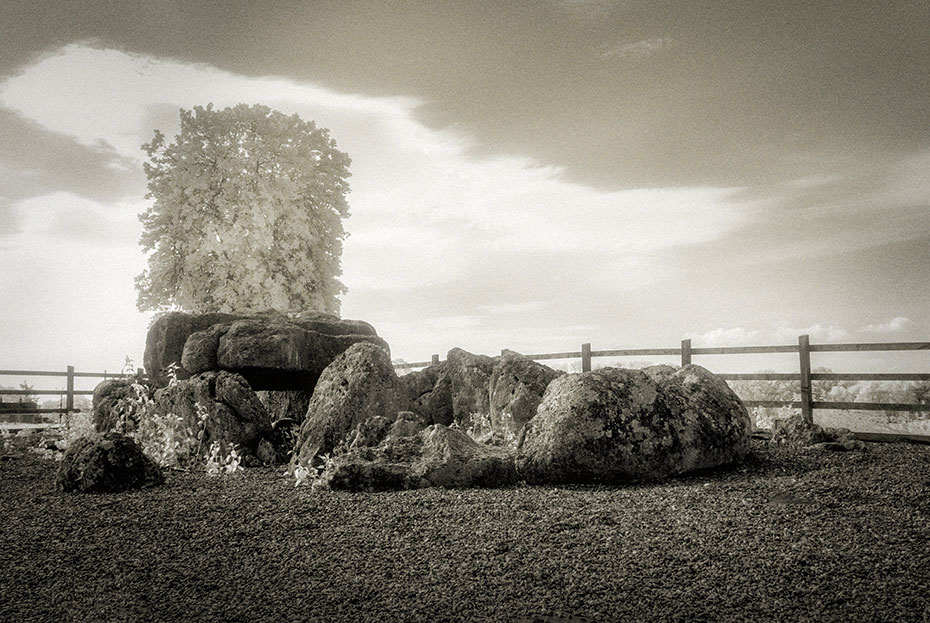
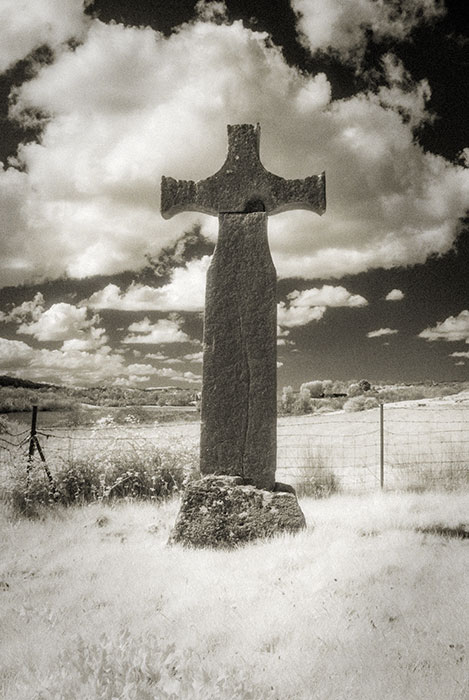
Inishmacsaint High Cross – unknown date, possibly 12th century
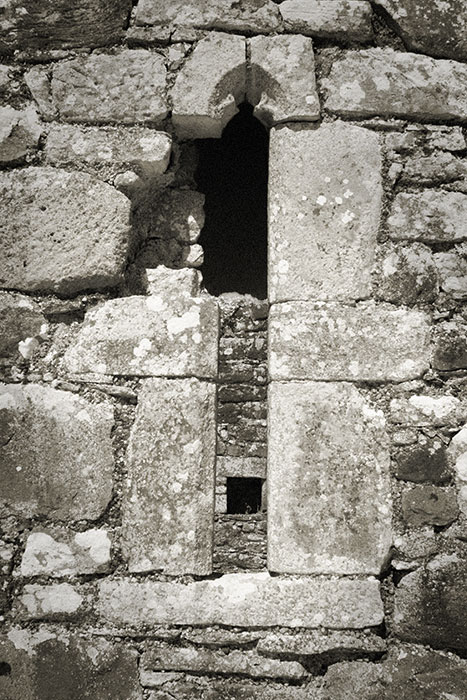
Small window in the ruined church beside the cross
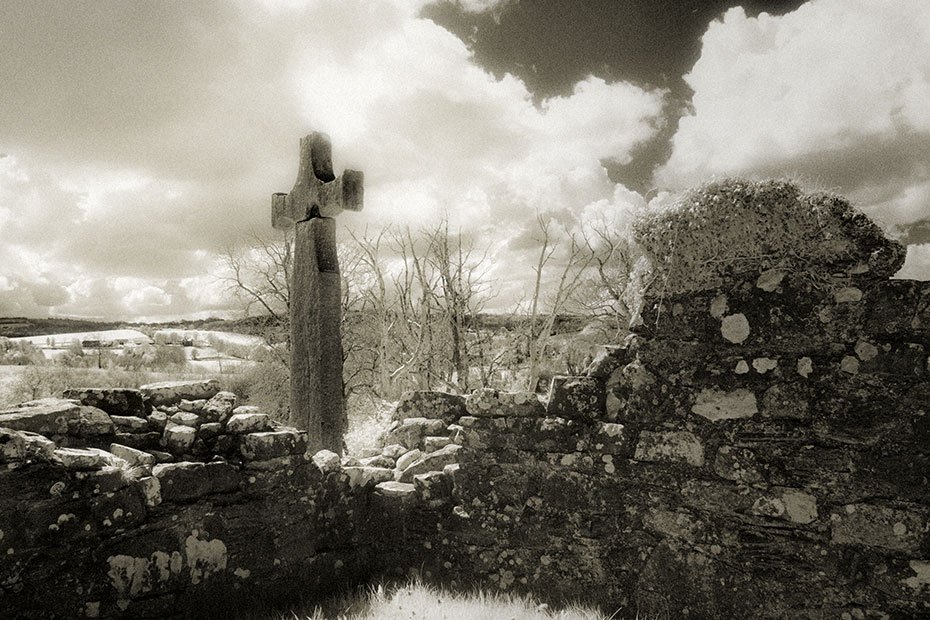
A monastery was founded by St Ninnid in the 6th century here
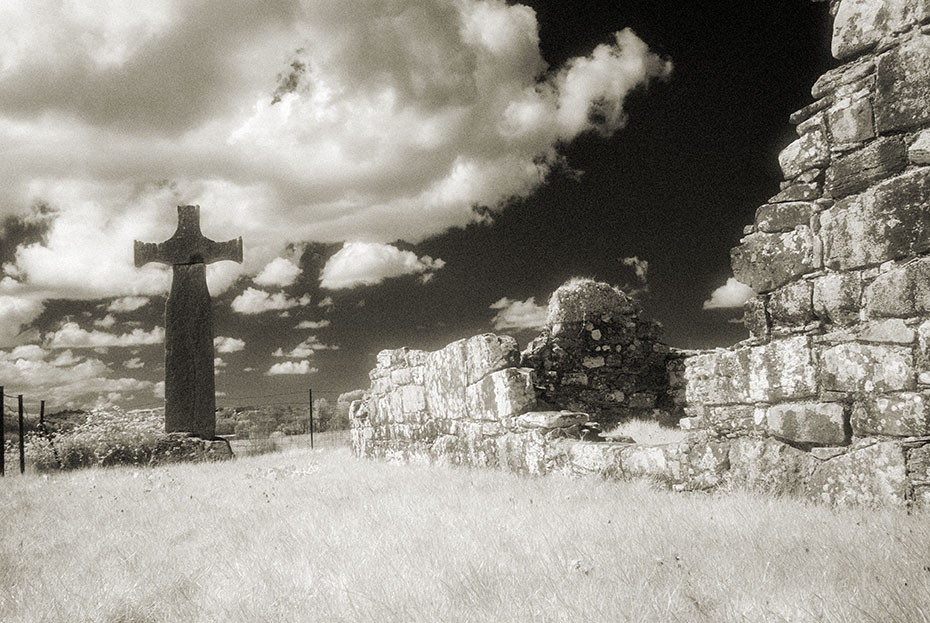
Inishmacsaint Island, Lower Lough Erne, Co Fermanagh, Northern Ireland
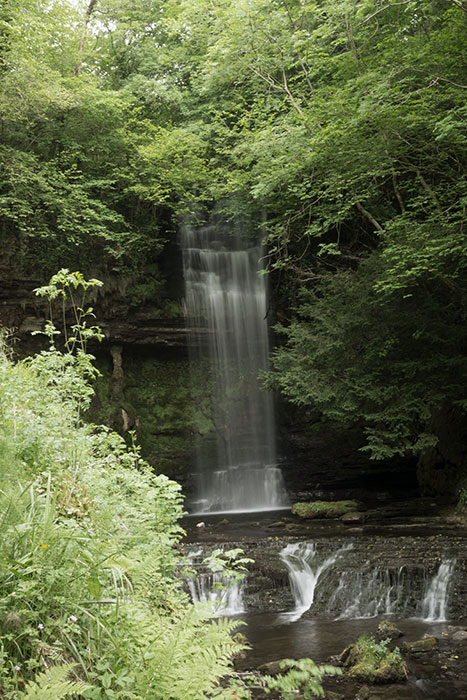
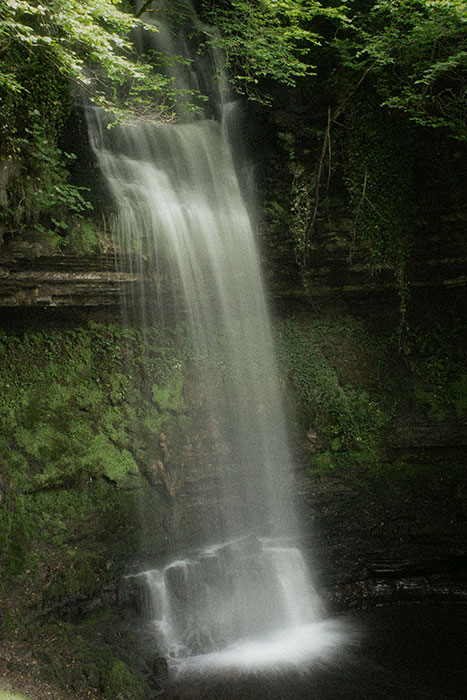
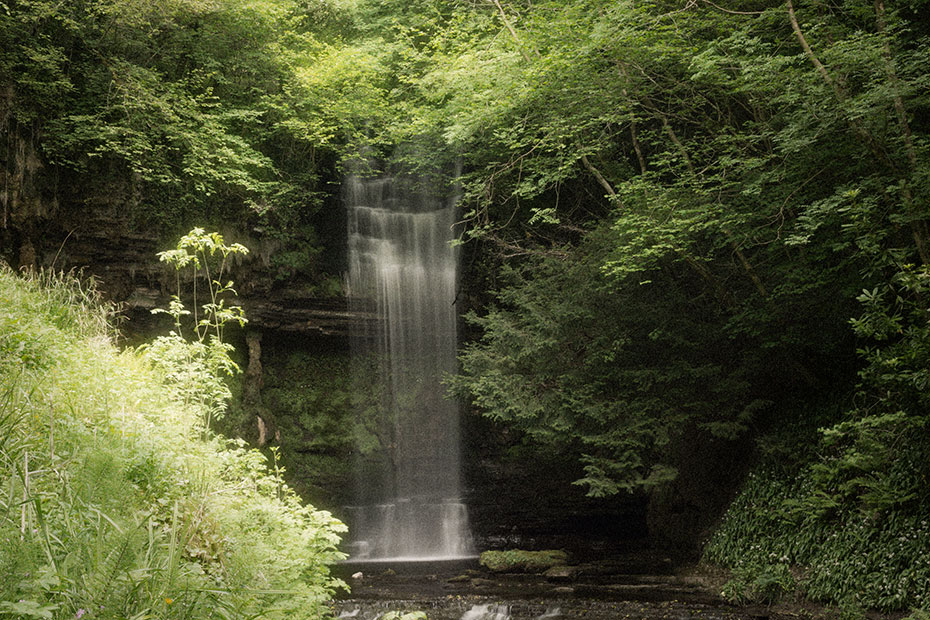
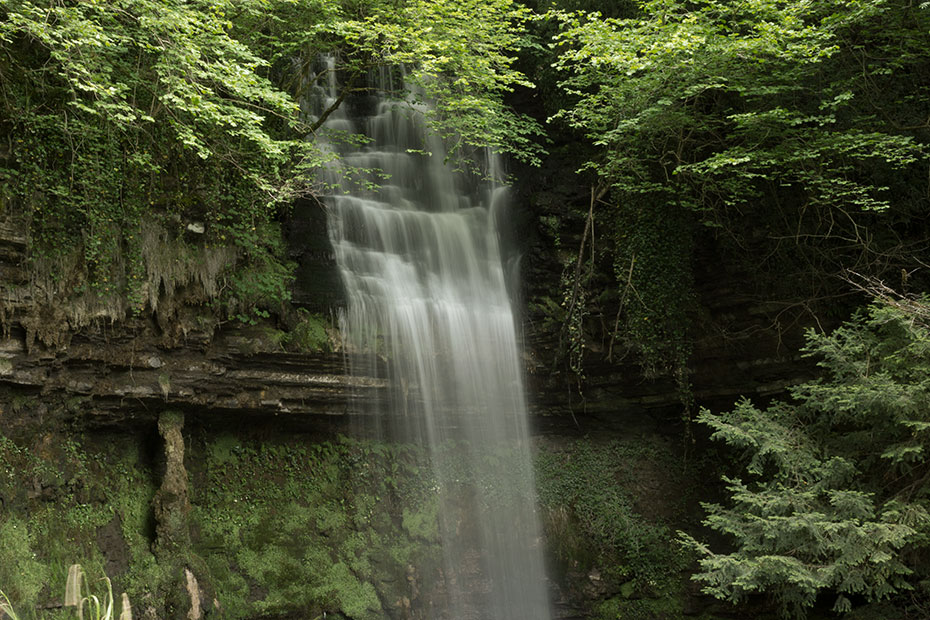
Glencar Waterfall, Co Leitrim, Ireland
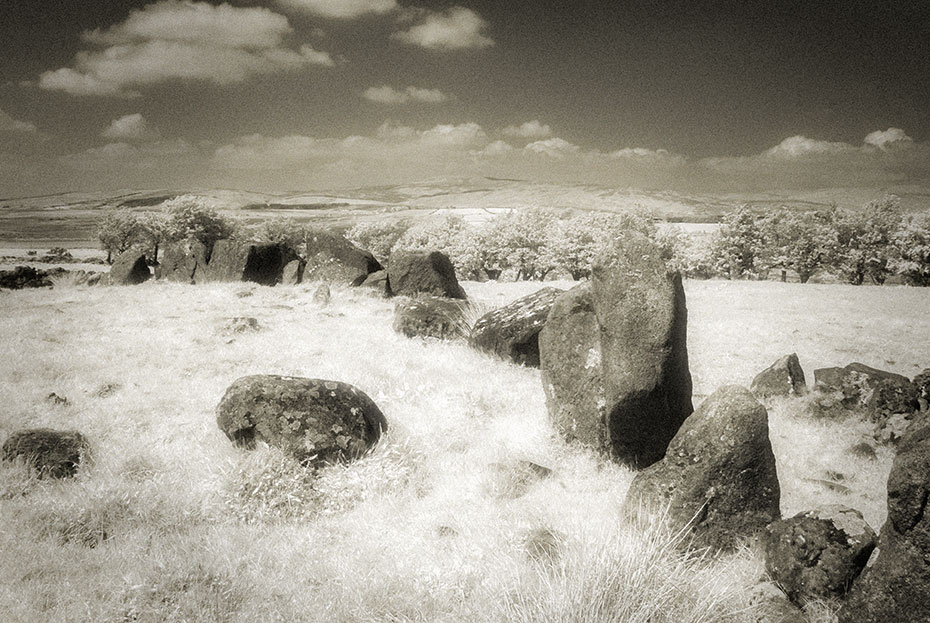
Ballybriest Court Tomb – aka Carnanbane, Co Derry, Northern Ireland
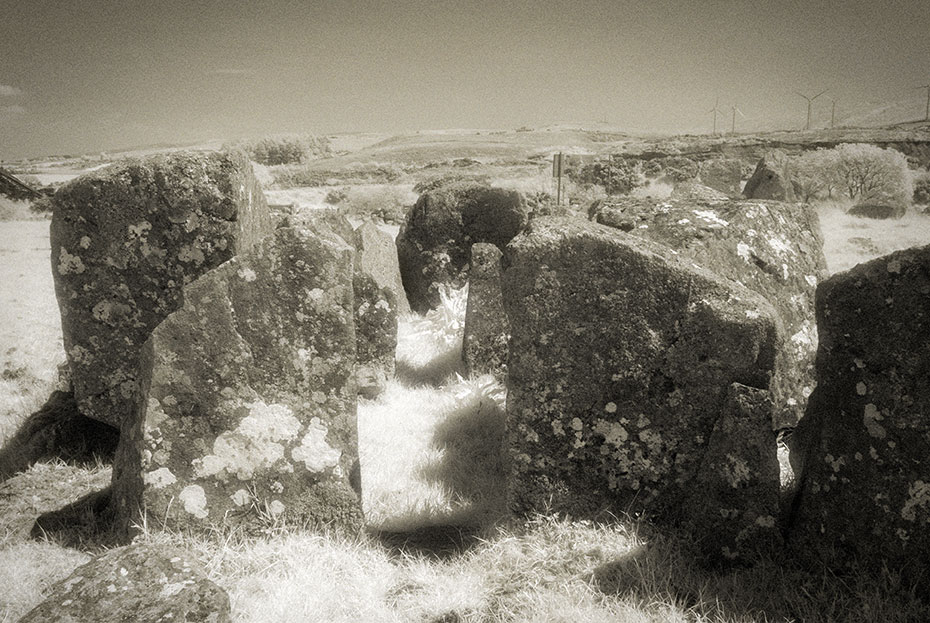
Entrance to the western gallery
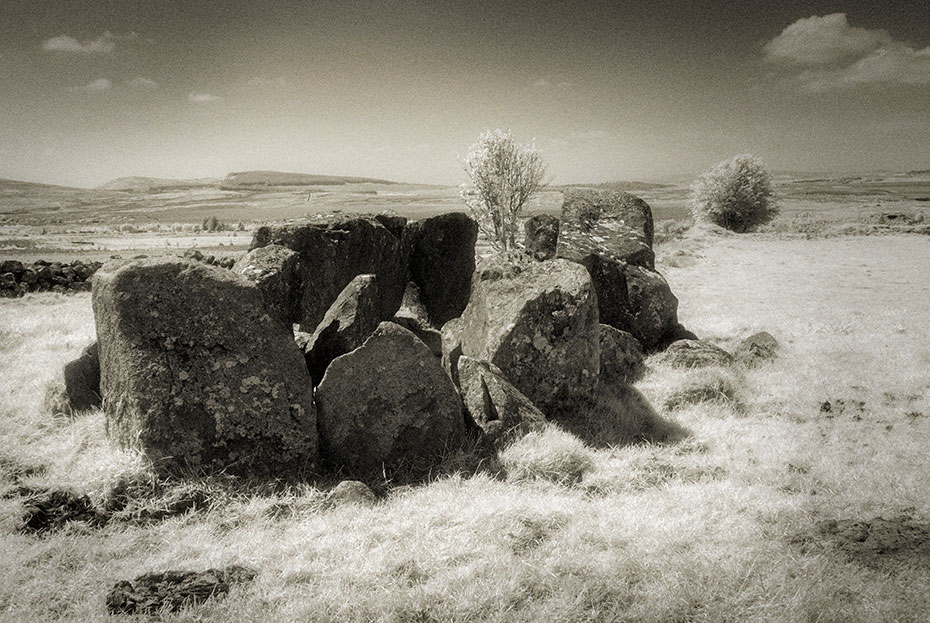
The western gallery from the back
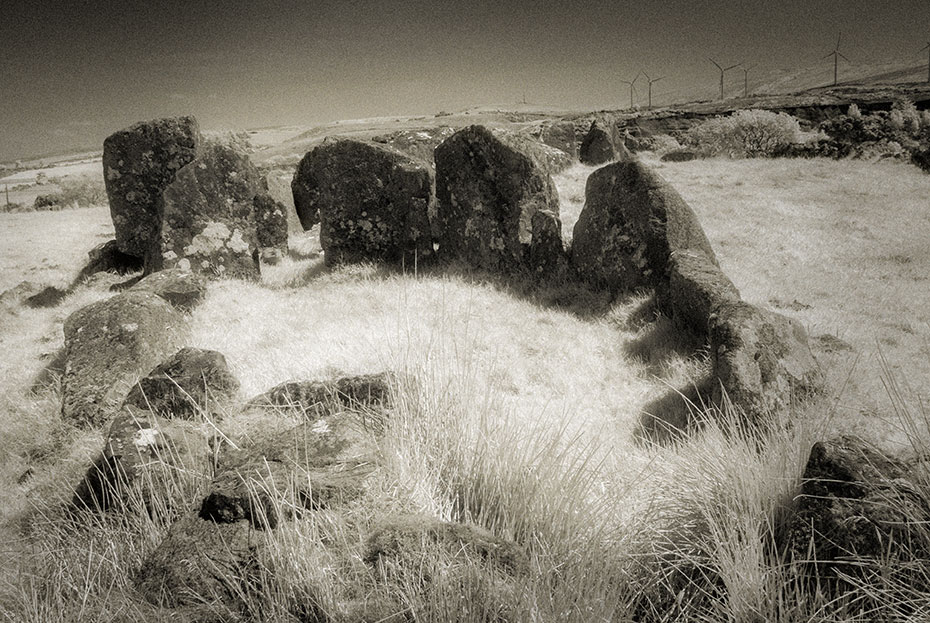
The entrance to the gallery and the western court
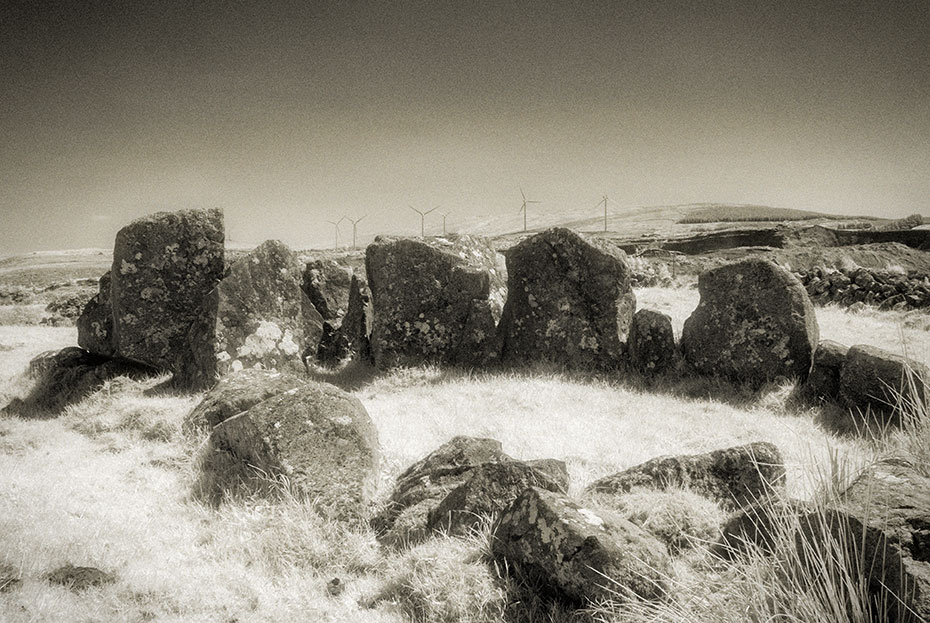
The remains of the court at the western gallery
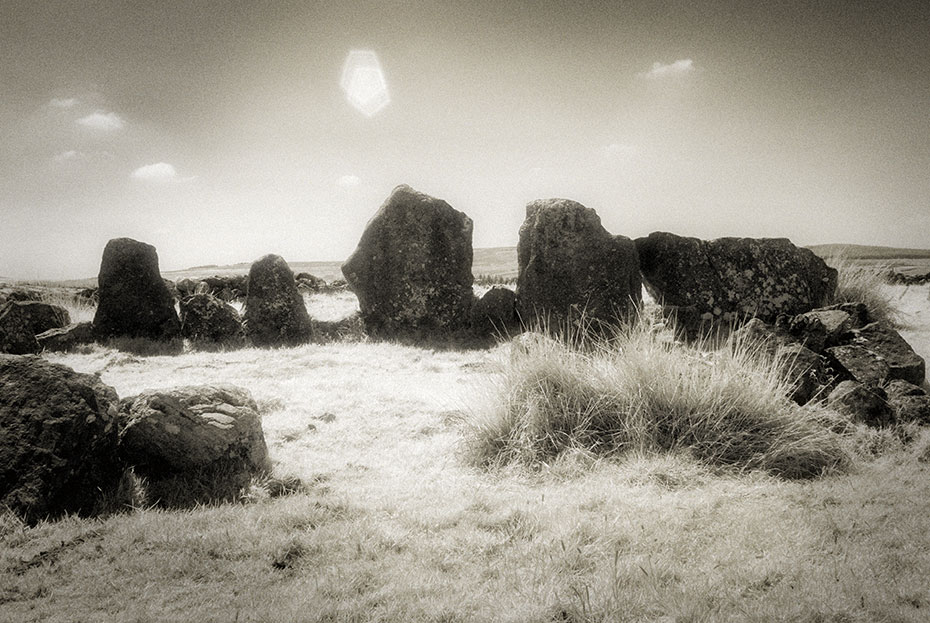
The ruin of Carnabane (Ballybriest) Double Court Tomb
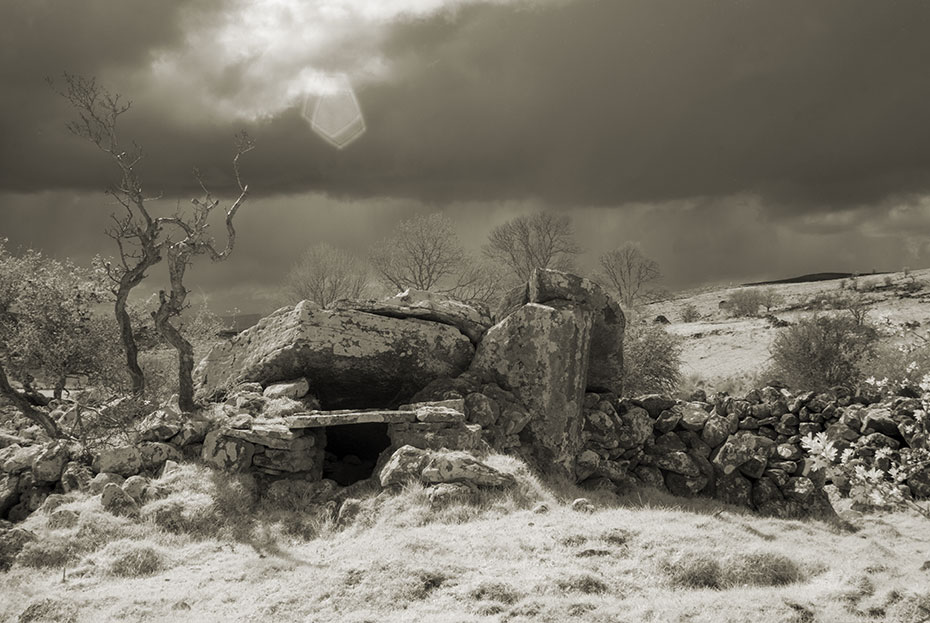
Moneygashel Portal Tomb, Co Cavan, Ireland
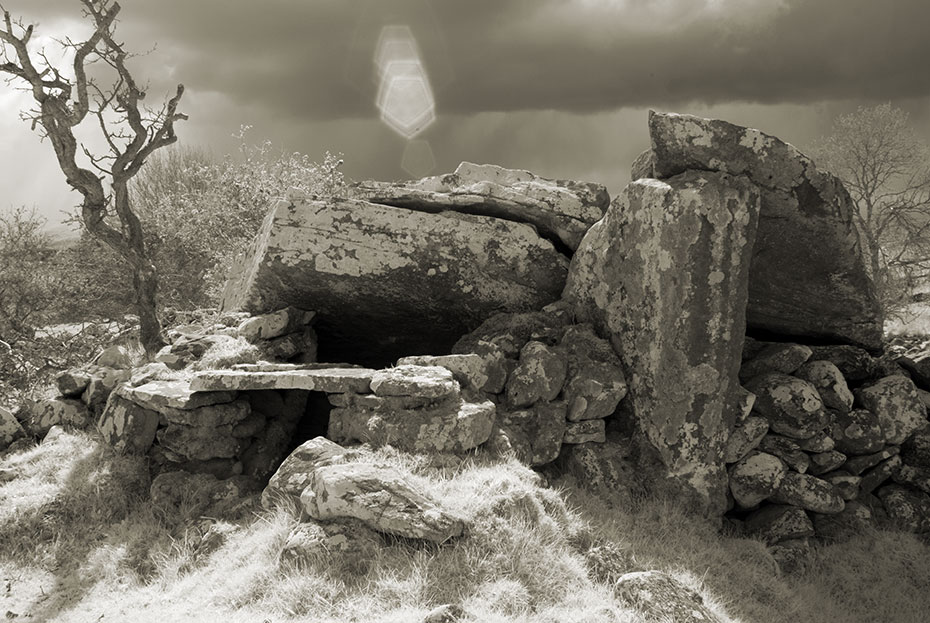
Moneygashel Dolmen is located a short distance from Moneygashel Cashel
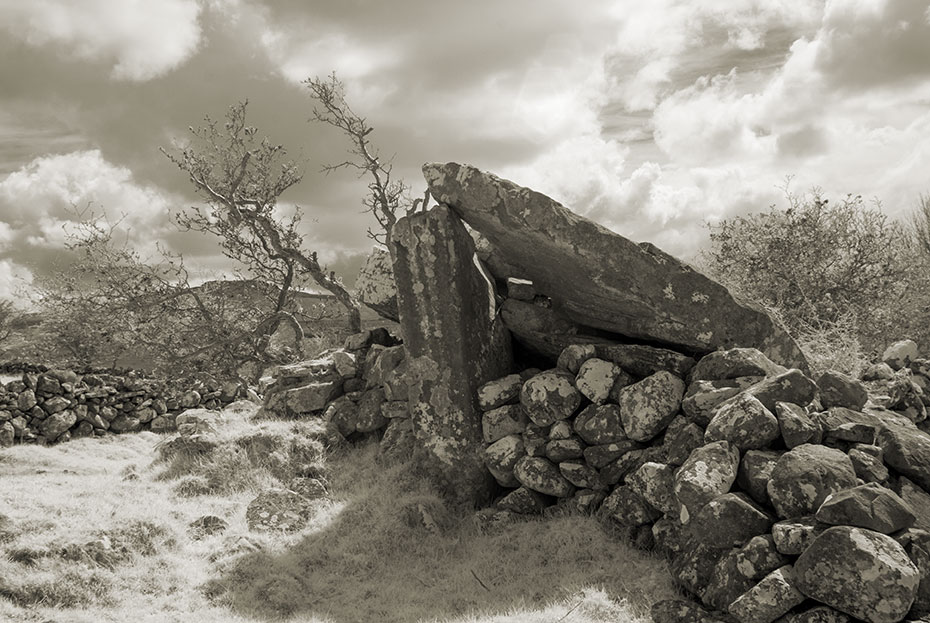
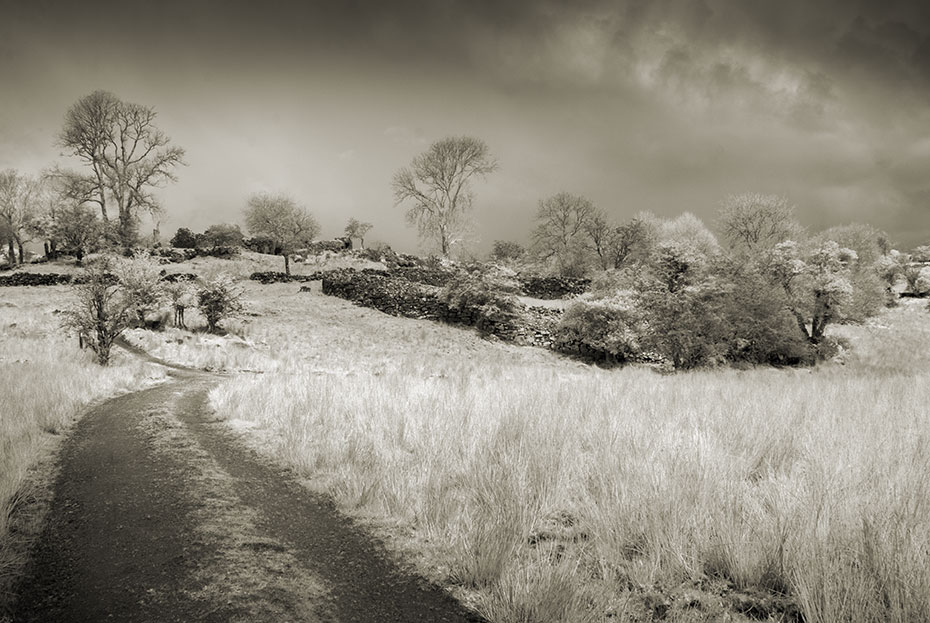
The track leading to Moneygashel stone fort
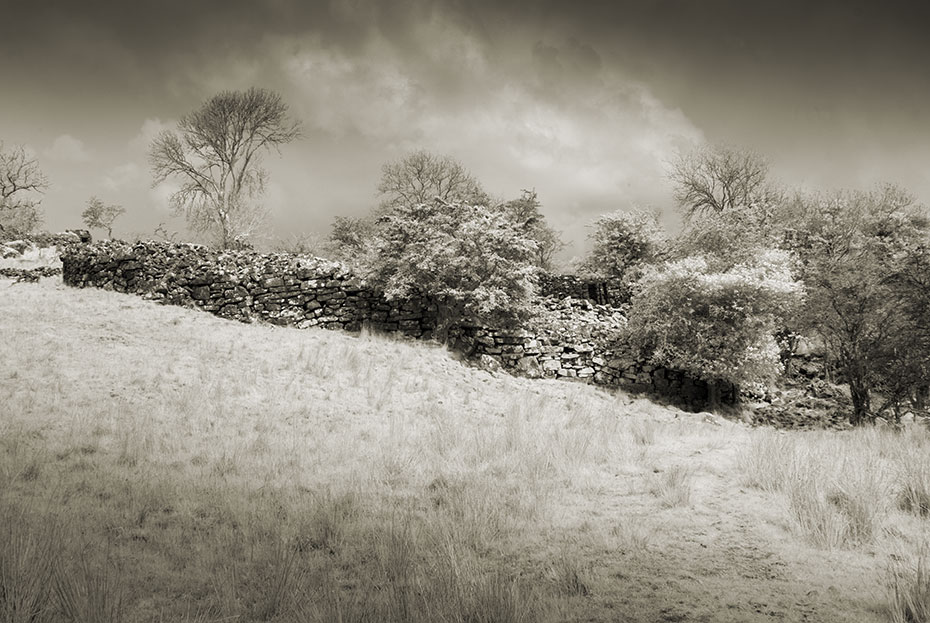
Moneygashel Cashel, Co Cavan, Ireland
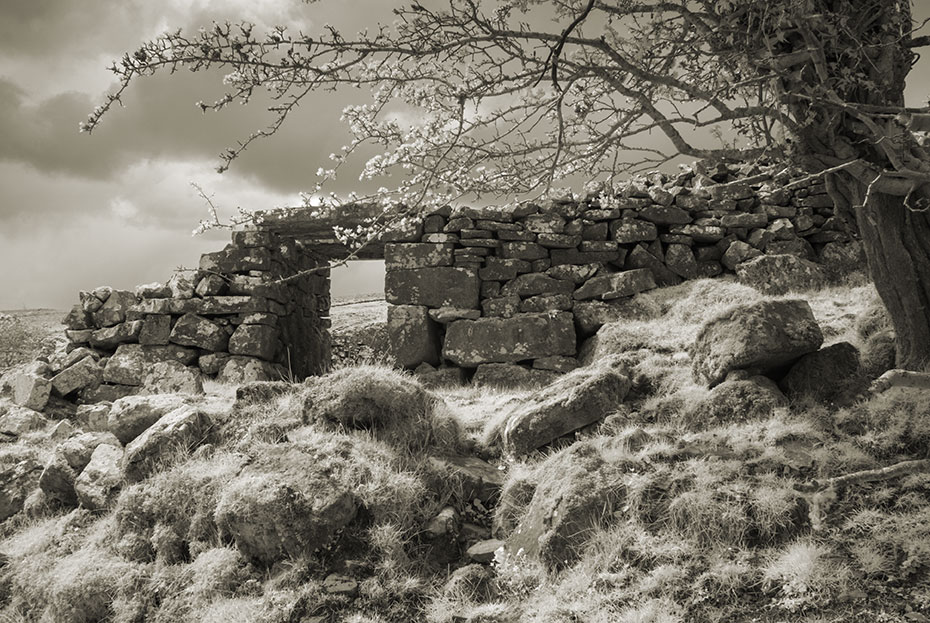
The entrance to the cashel
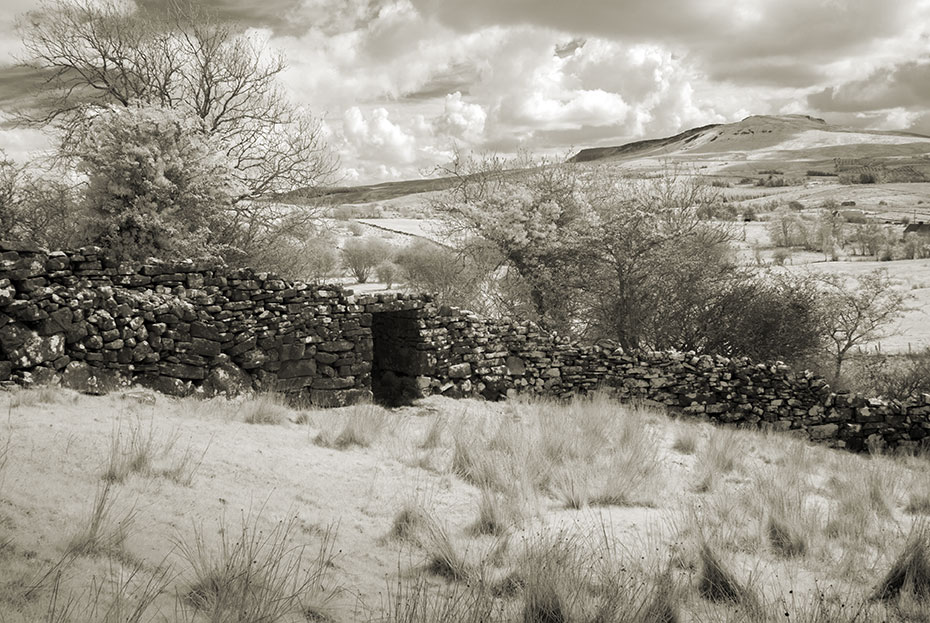
Inside the cashel with a view to the south
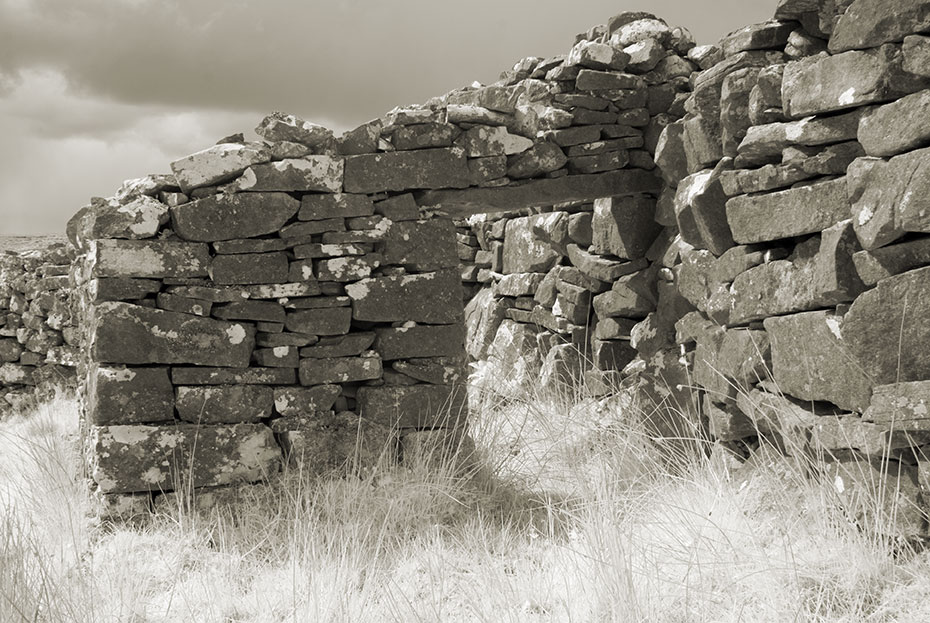
The building attached to the wall of Moneygashel Stone Fort
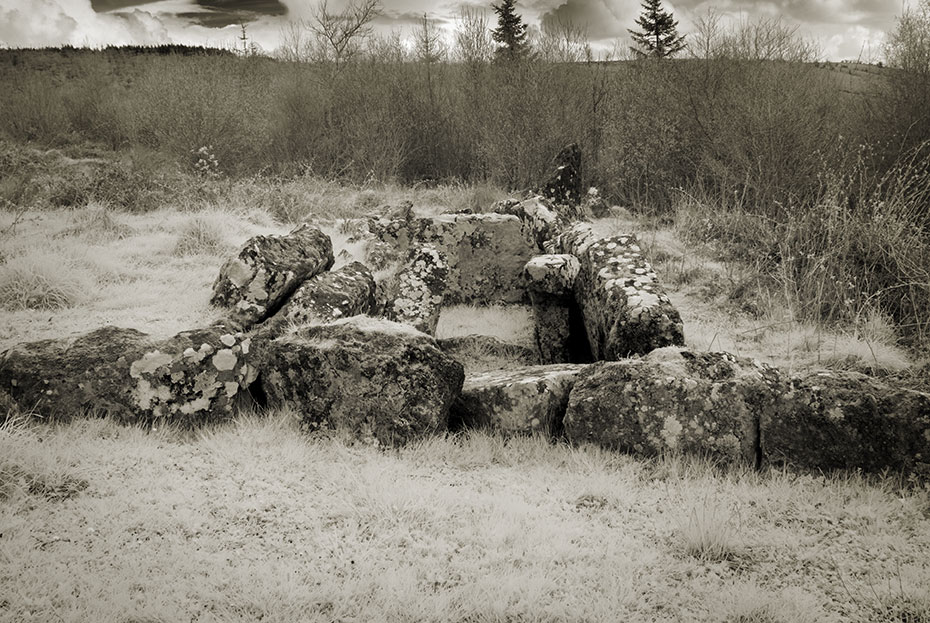
West court of Aghnaglack Court Tomb, Co Fermanagh, Northern Ireland
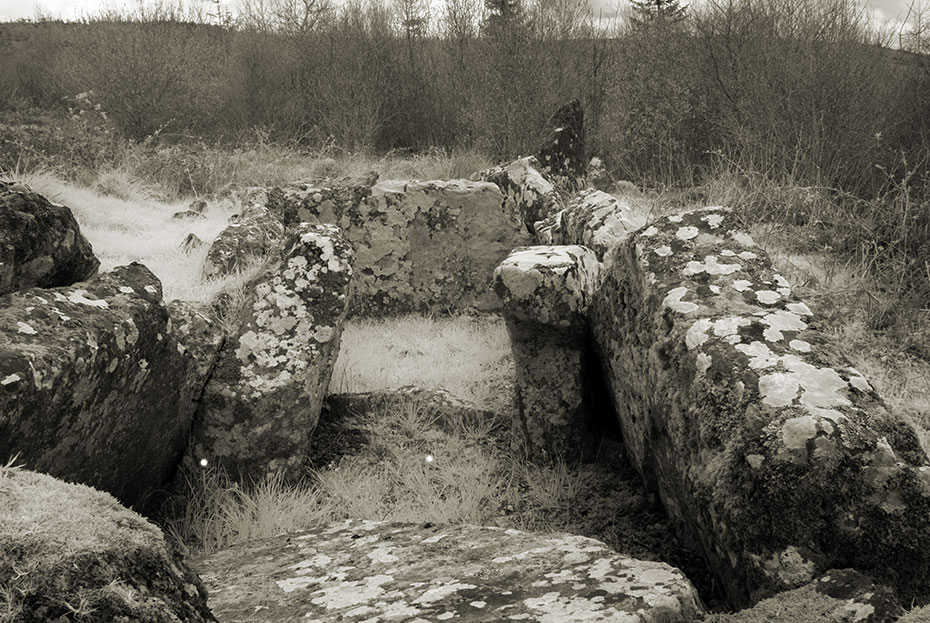
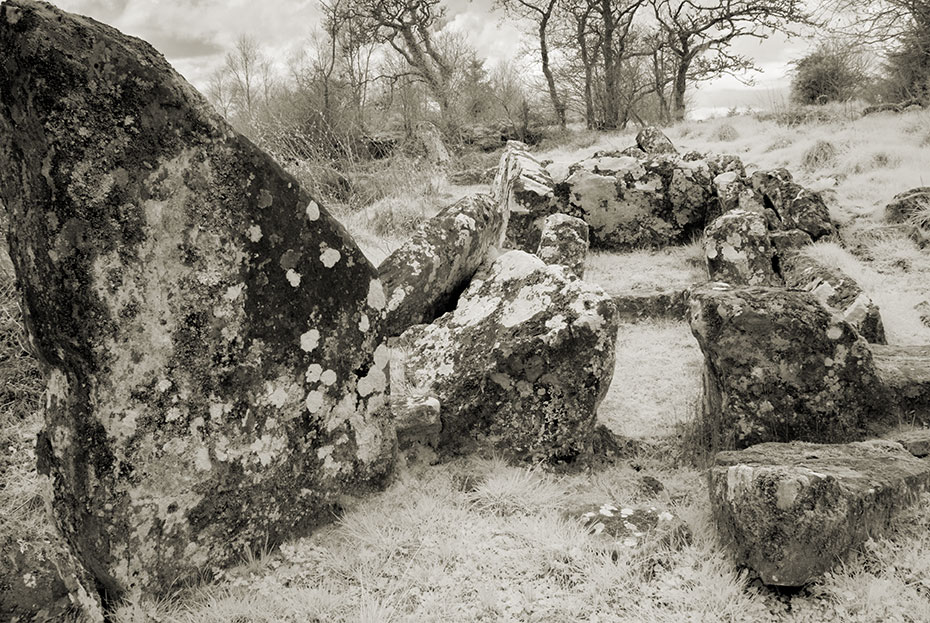
The east court of this double court tomb
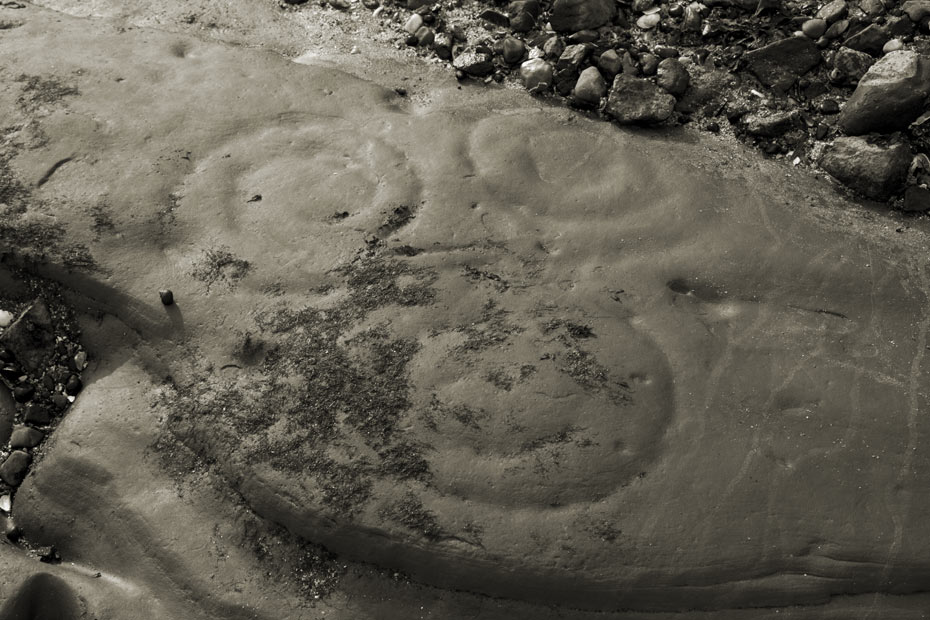
Rock Art, Whiteabbey (Lough shore), Co Antrim, Northern Ireland
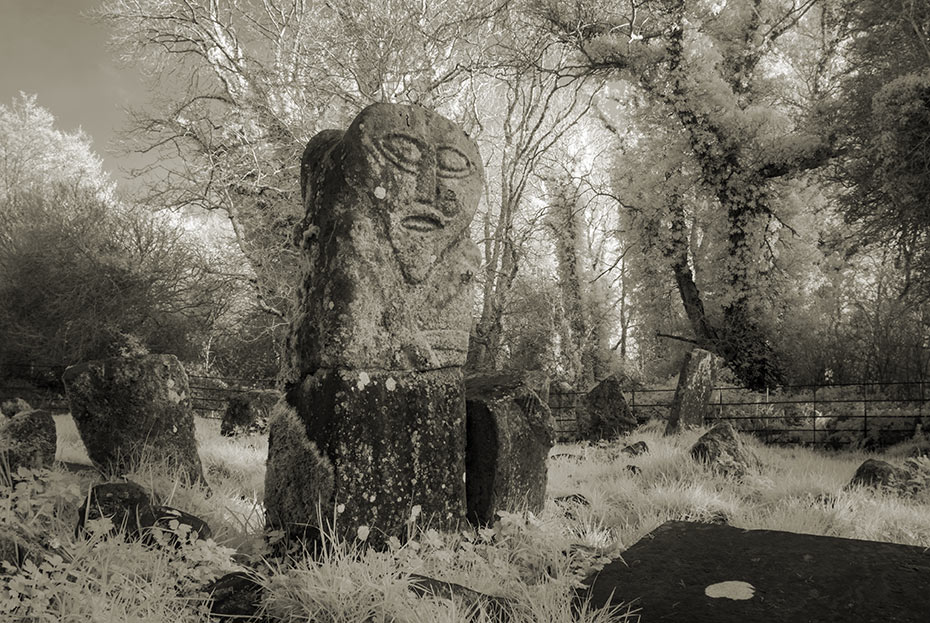
Caldragh graveyard pagan statue, Boa Island, Lower Lough Erne in Co Fermanagh, Northern Ireland.
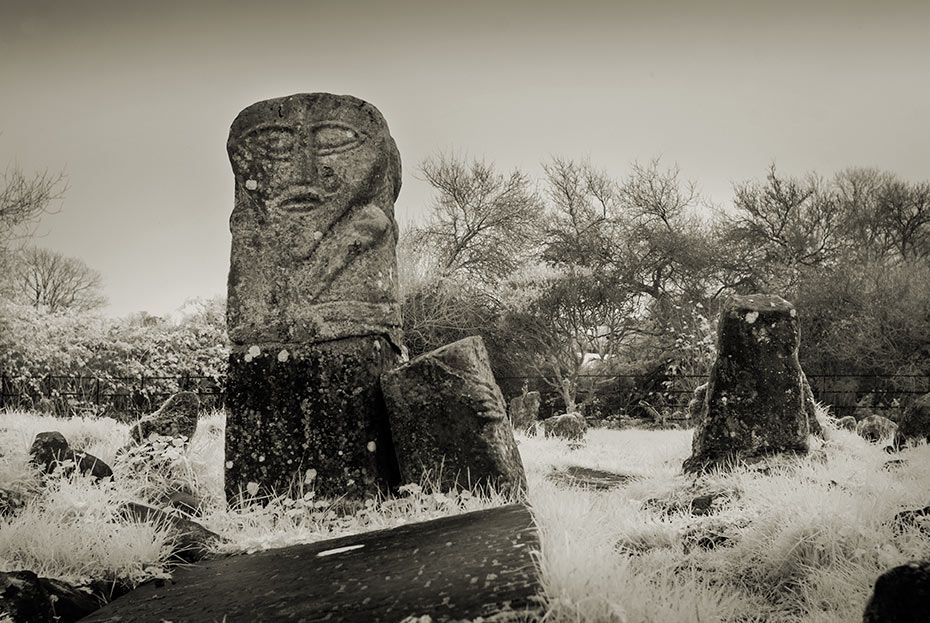
The west face of the idols
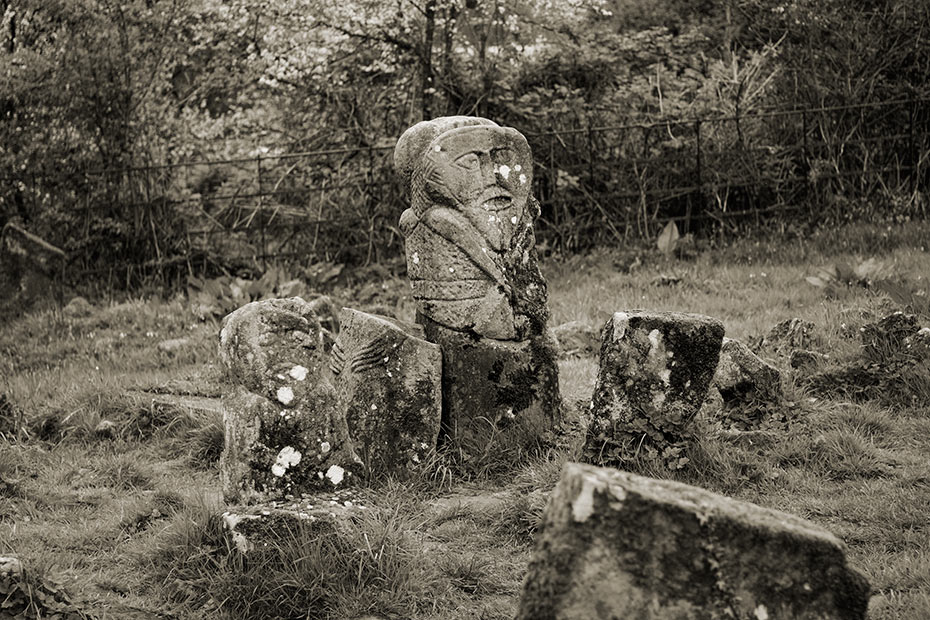
East face of the two pagan statues in Caldragh graveyard
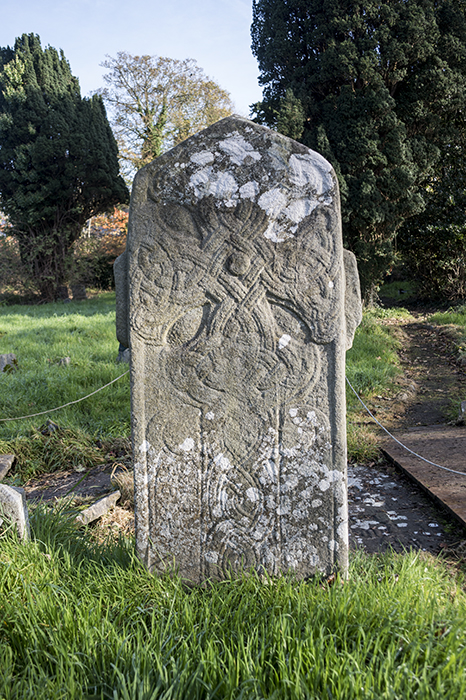
Fahan Cross Slab aka St. Mura’s Cross, Co Donegal, Ireland
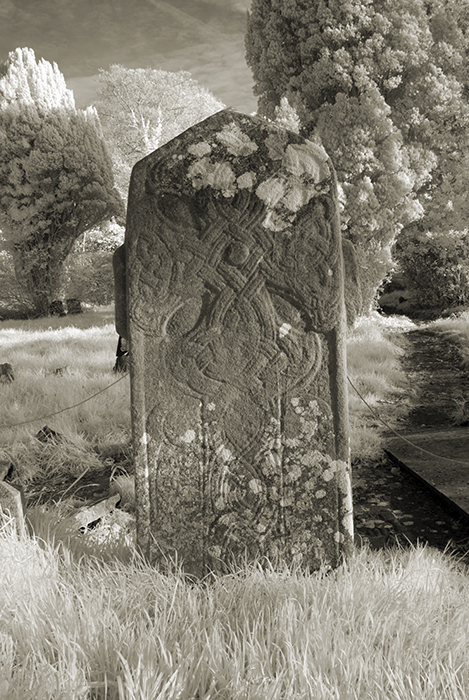
The west face of the Fahan Mura Cross Slab
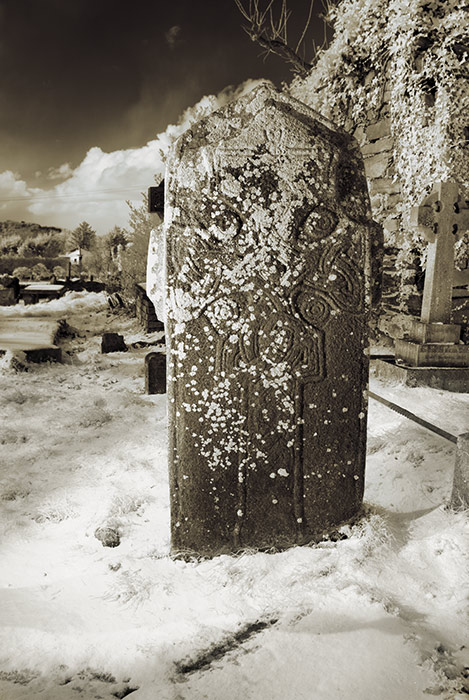
The east face of the Fahan Mura Cross Slab
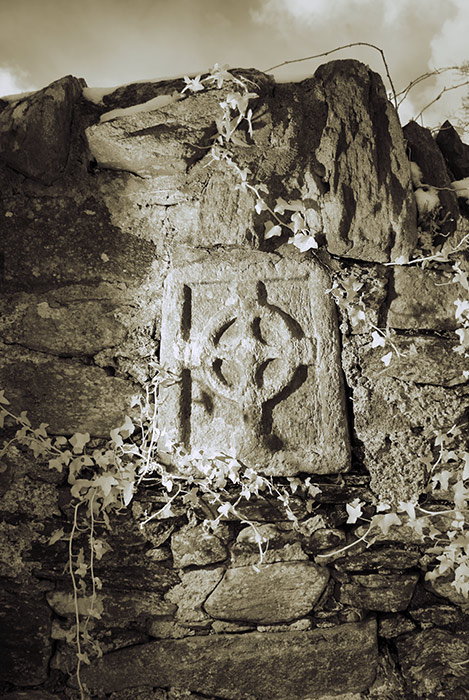
The small cross slab embedded into the wall at Fahan
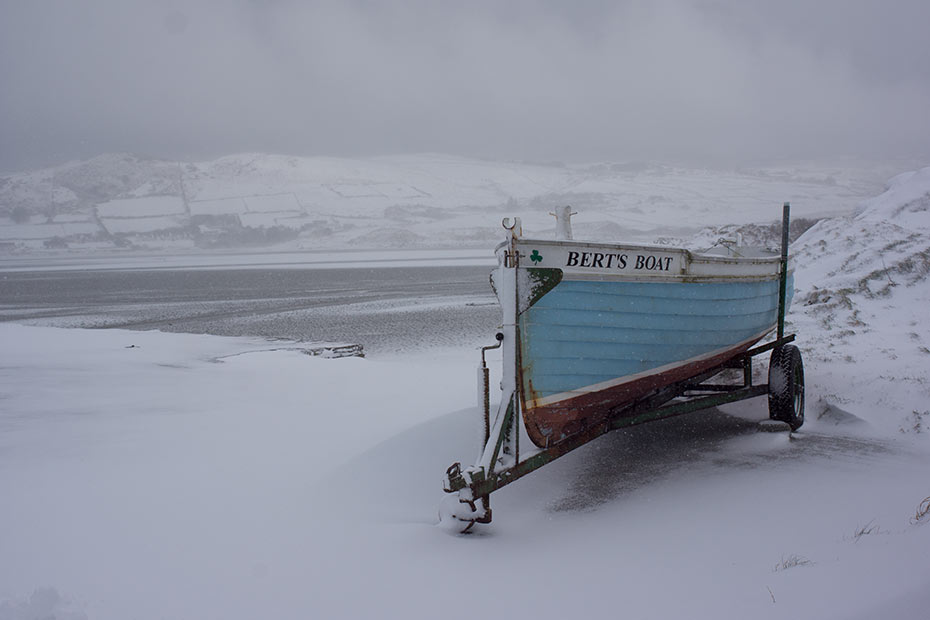
Bert’s Boat in snow, Dunfanaghy, Co Donegal, Ireland
The location for the Summer Sea in Game of Thrones, Lough Neagh, Antrim, Co Antrim, Northern Ireland
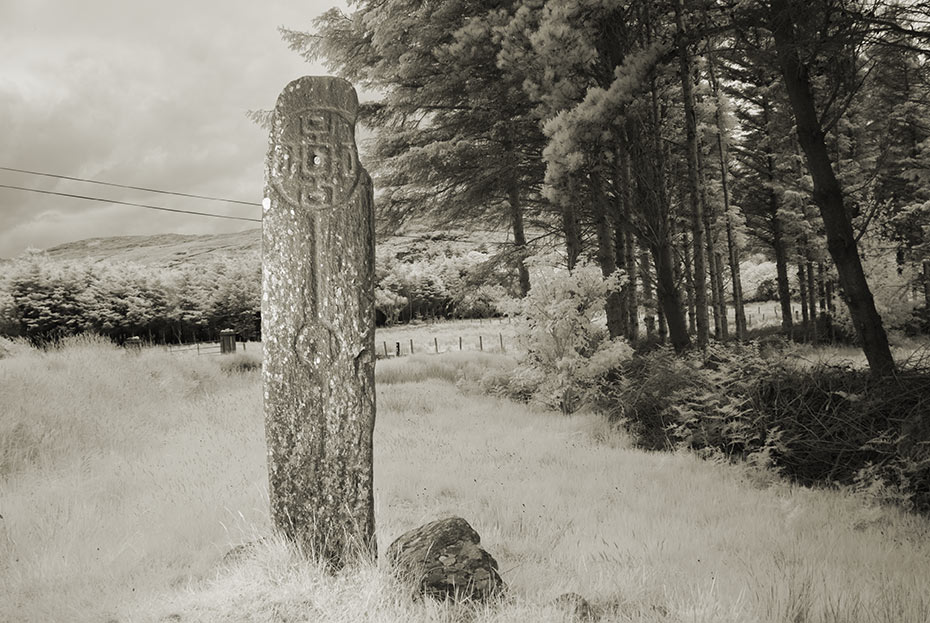
Glencolmcille Turas Station 9, Co Donegal, Ireland. The decorated northern face of the holed cross pillar
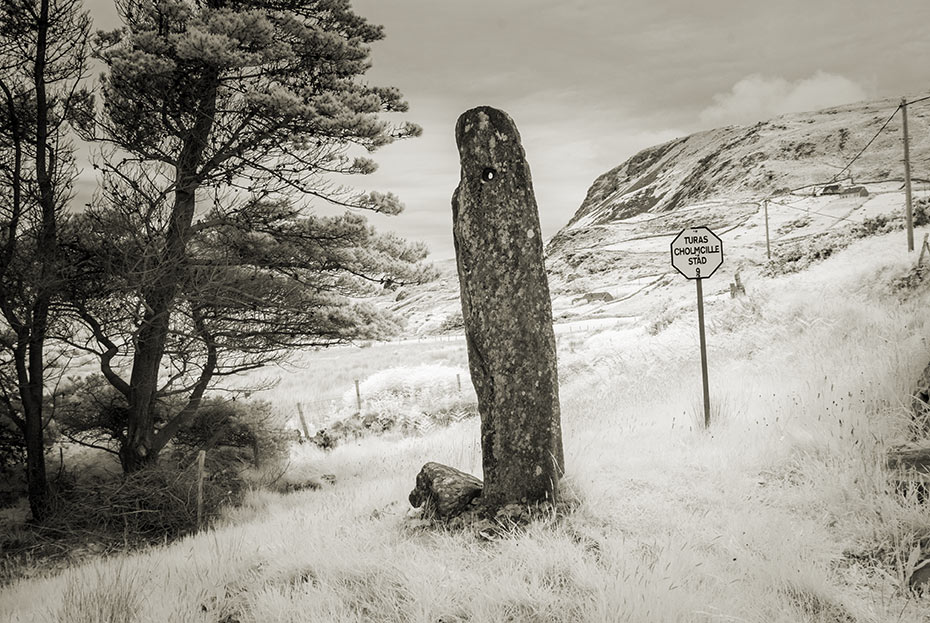
The stone is also known as Cloch an Aonaigh or the Stone of the Gathering
Glencolmcille Turas Station 2, Co Donegal, Ireland
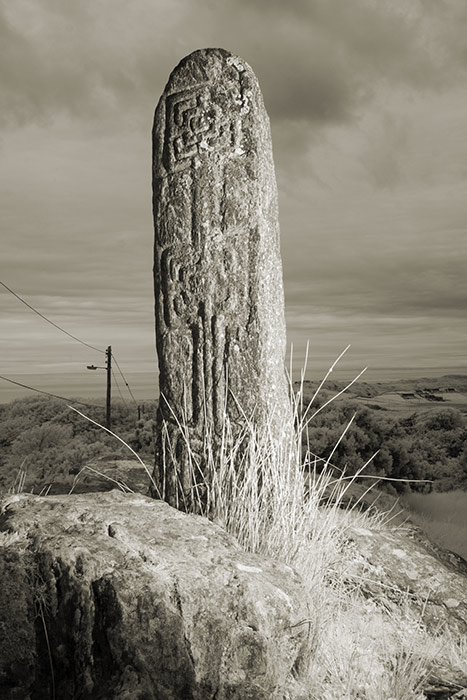
The pillar is inscribed on both sides – this is the east face
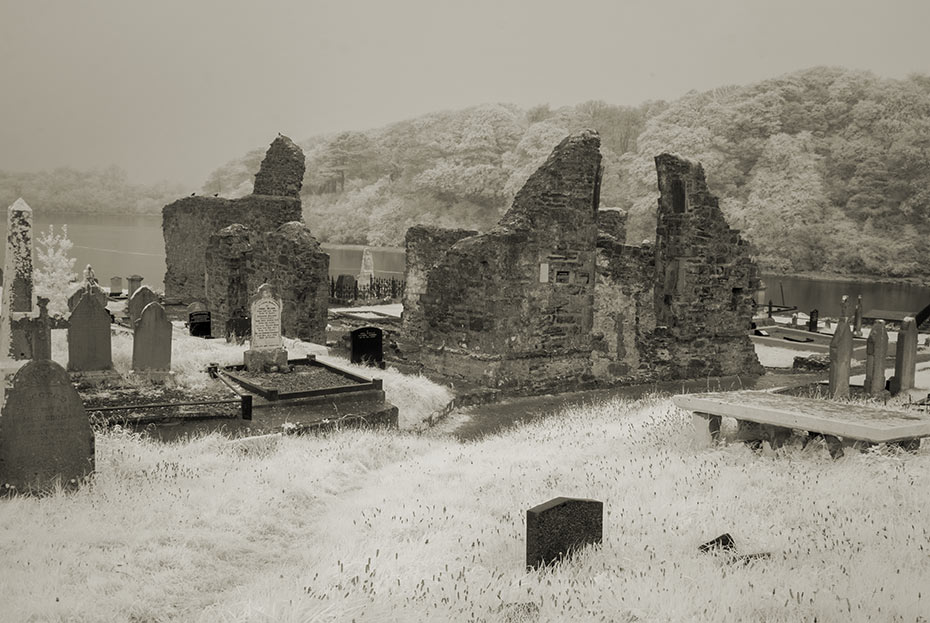
The ruins of Donegal Franciscan Abbey on the River Eske, Co Donegal, Ireland
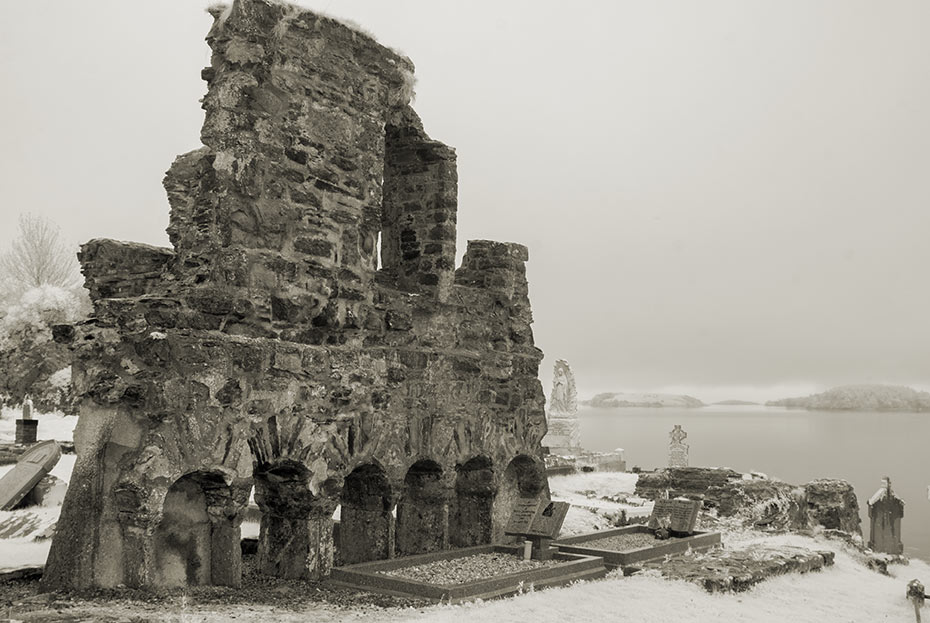
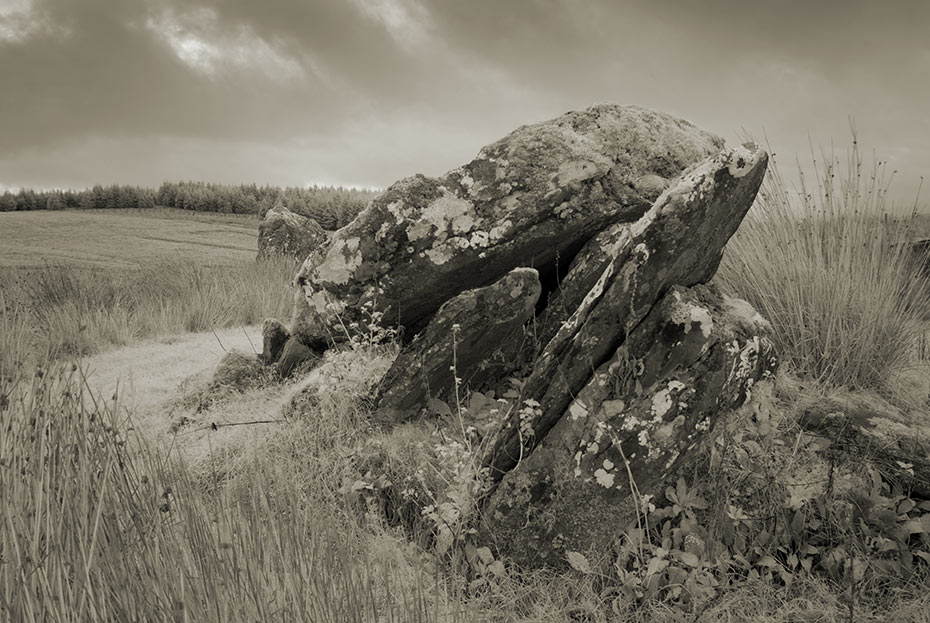
Scraghy Portal Tomb, Co Tyrone, Northern Ireland
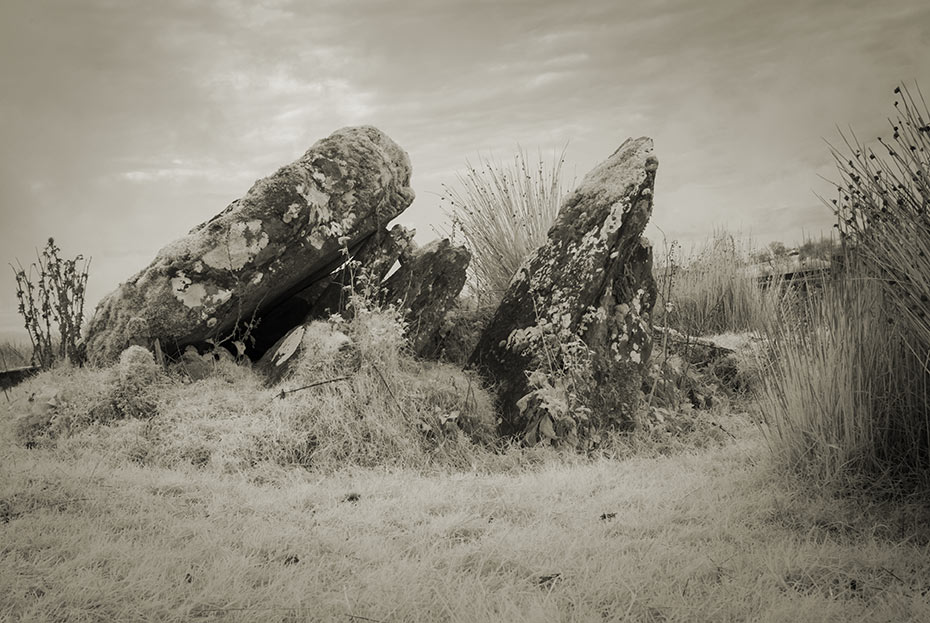
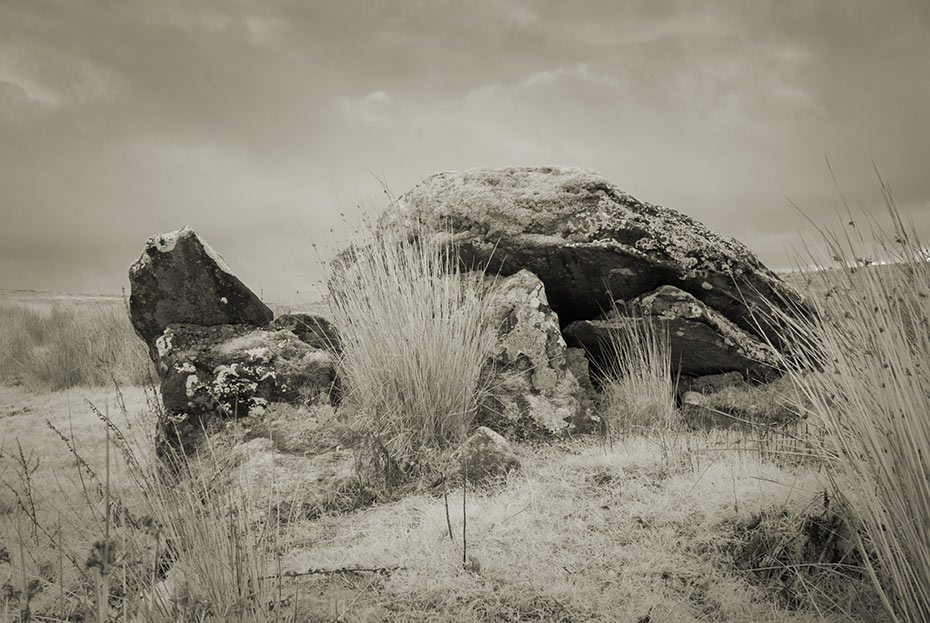
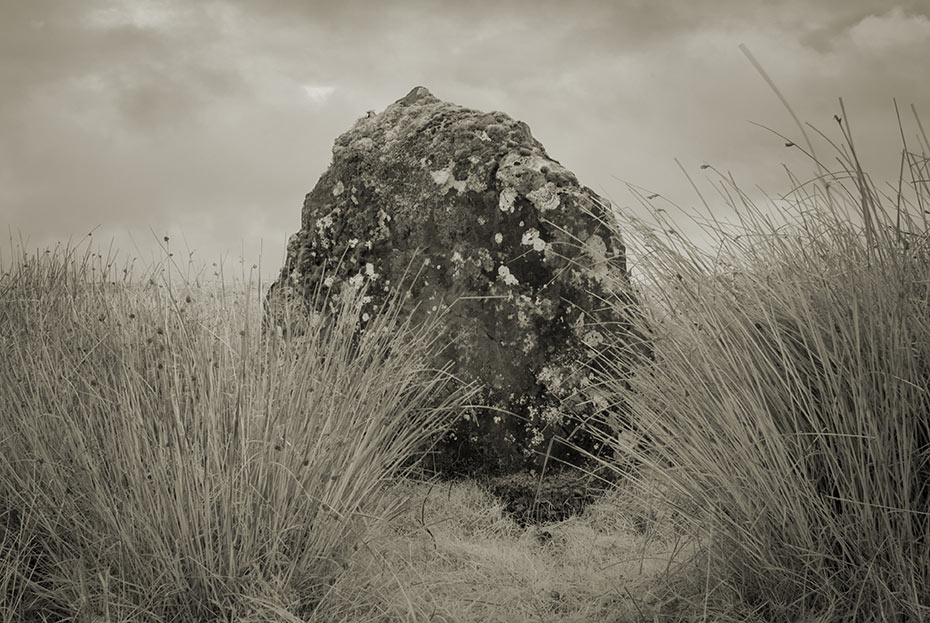
The standing stone close to Scraghy Portal Tomb
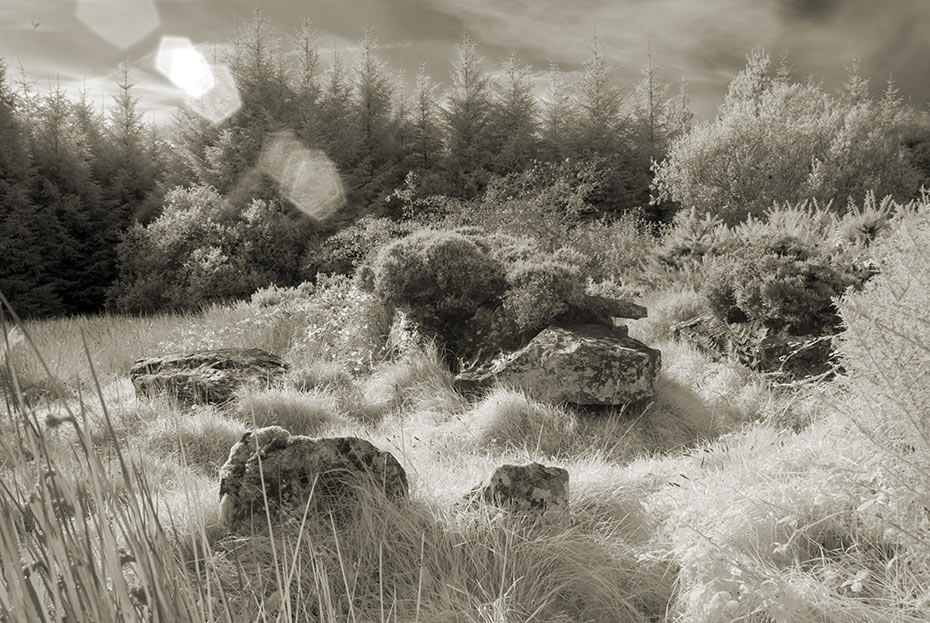
The three Wedge Tombs at the overgrown Chasheltown site. The 2 stones in the foreground are part of a kerb that encircles the tombs
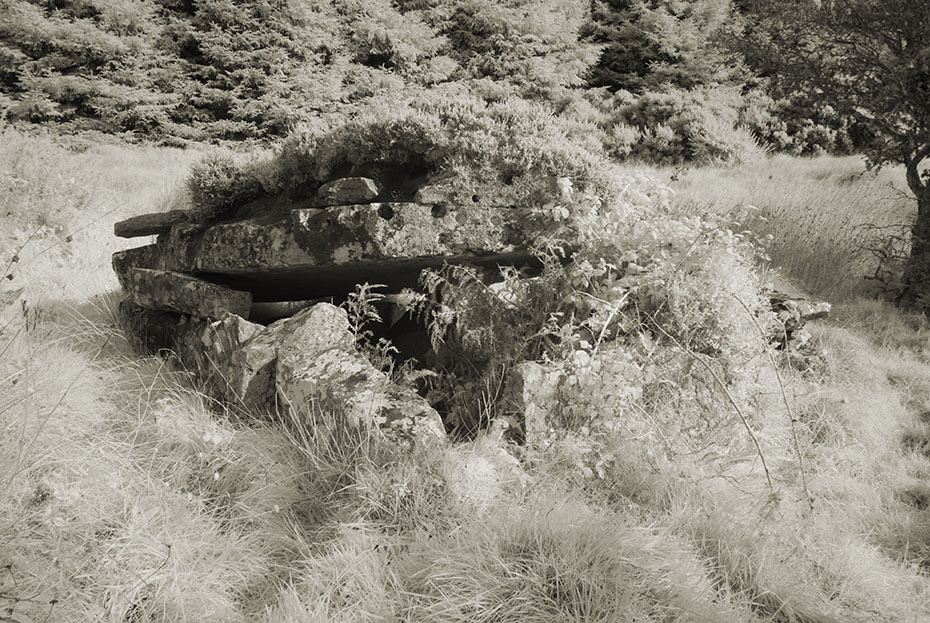
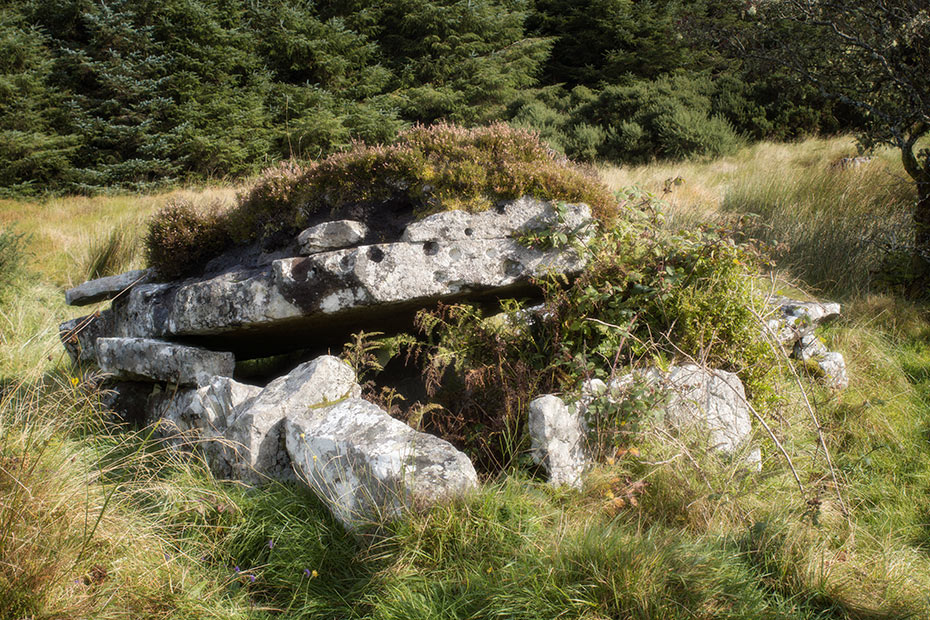
The largest of the Casheltown Wedge Tombs with the smallest just to the right
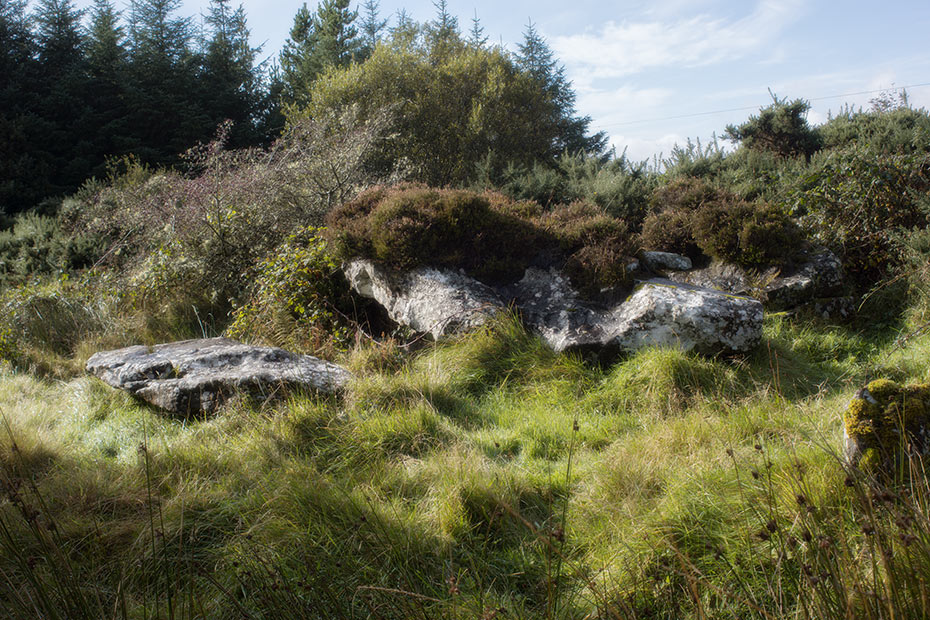
The overgrown site in colour
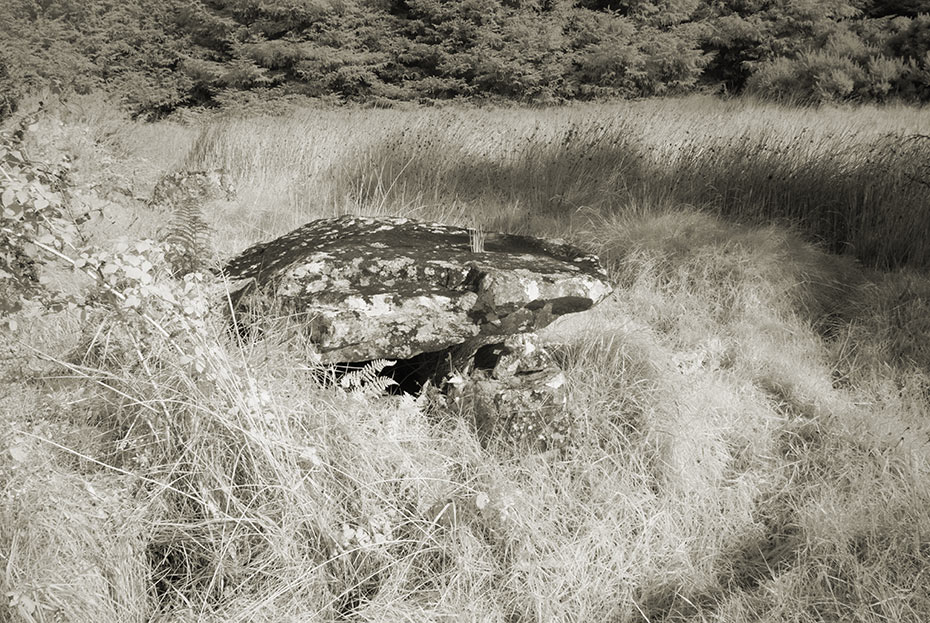
The smallest of the tombs
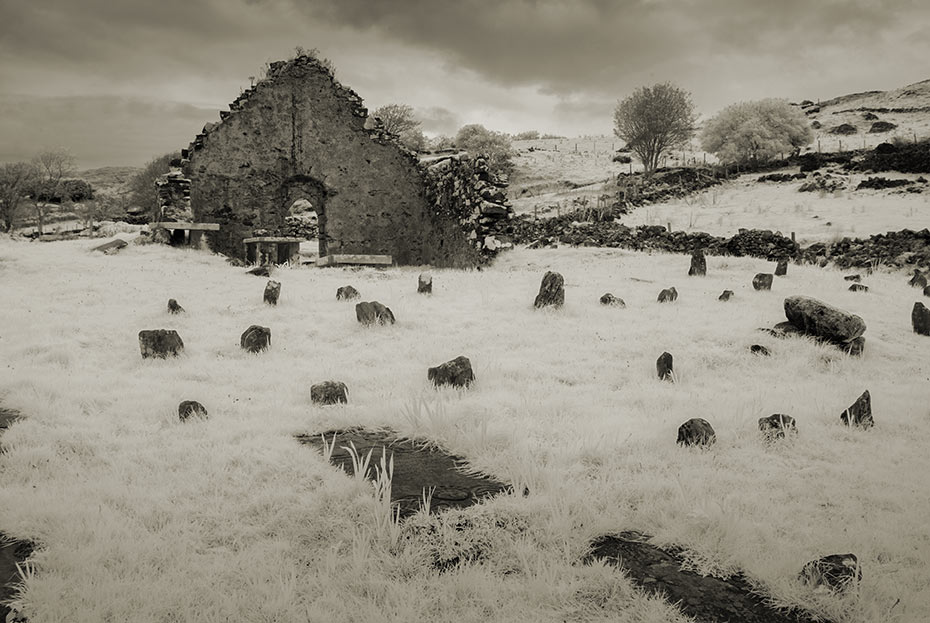
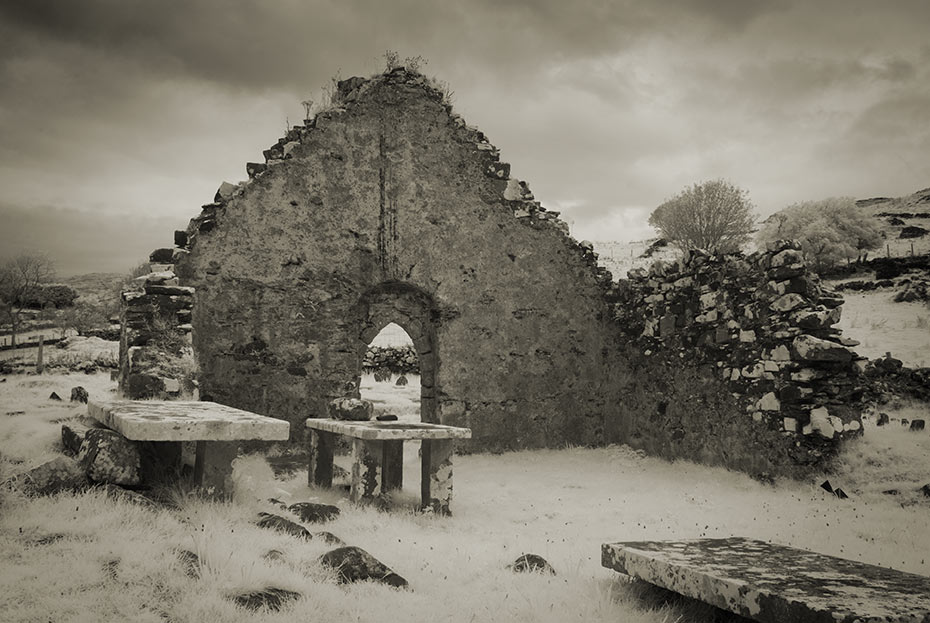
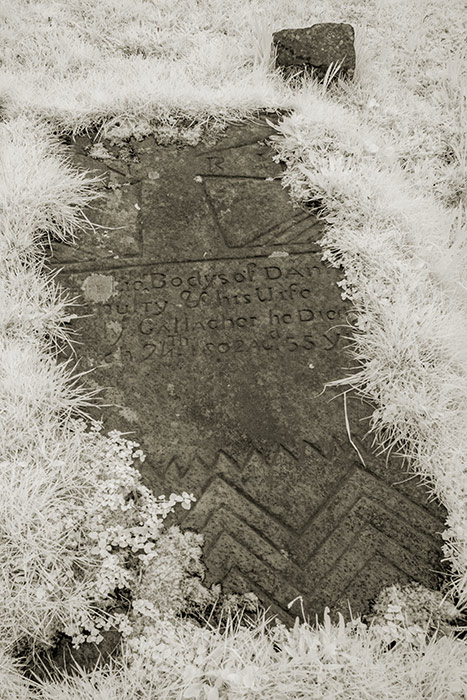
Kilcar old church and graveyard, Co Donegal, Ireland
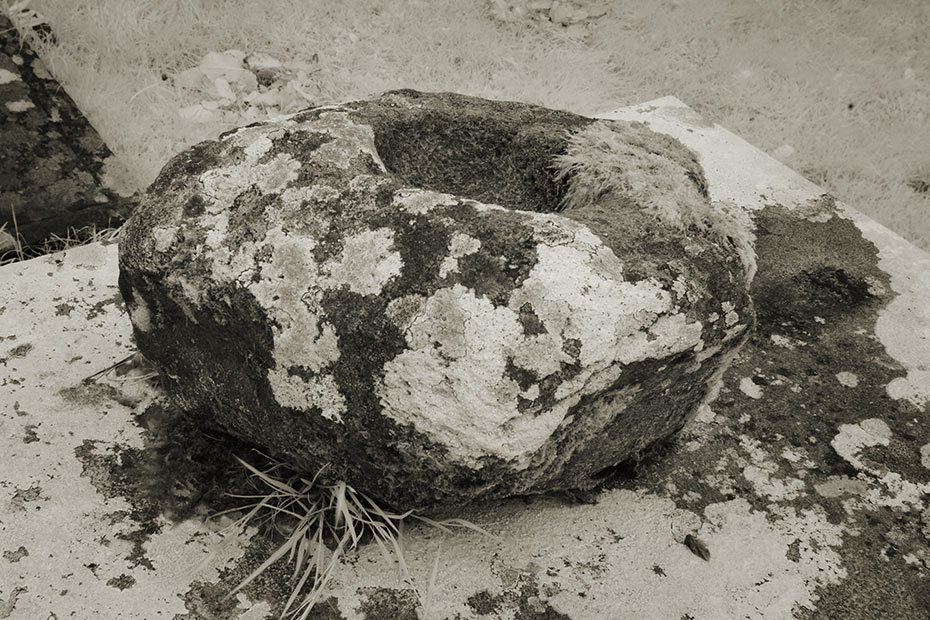
The bullaun stone that sits in the ruin of Kilcar old church
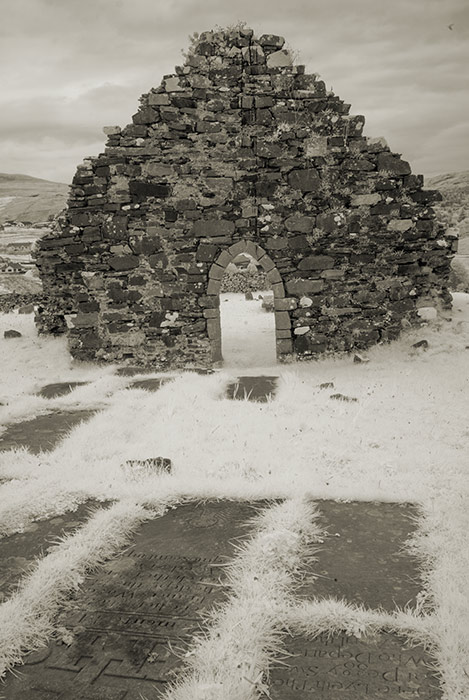
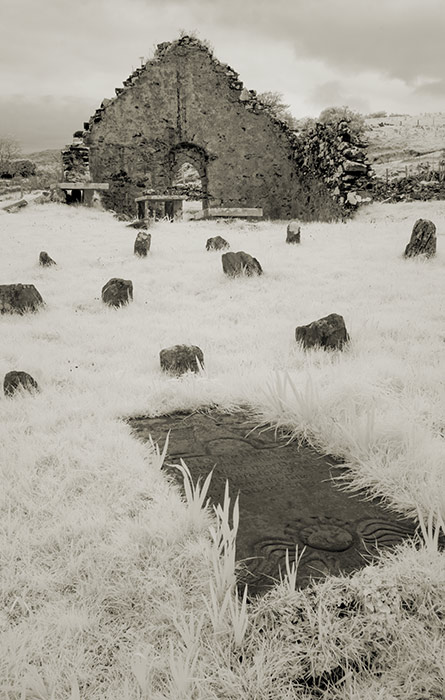
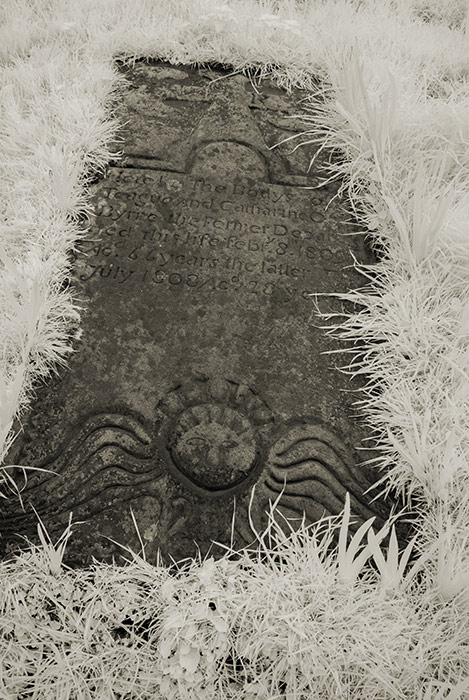
Two of the numerous grave slabs that lie in the graveyard
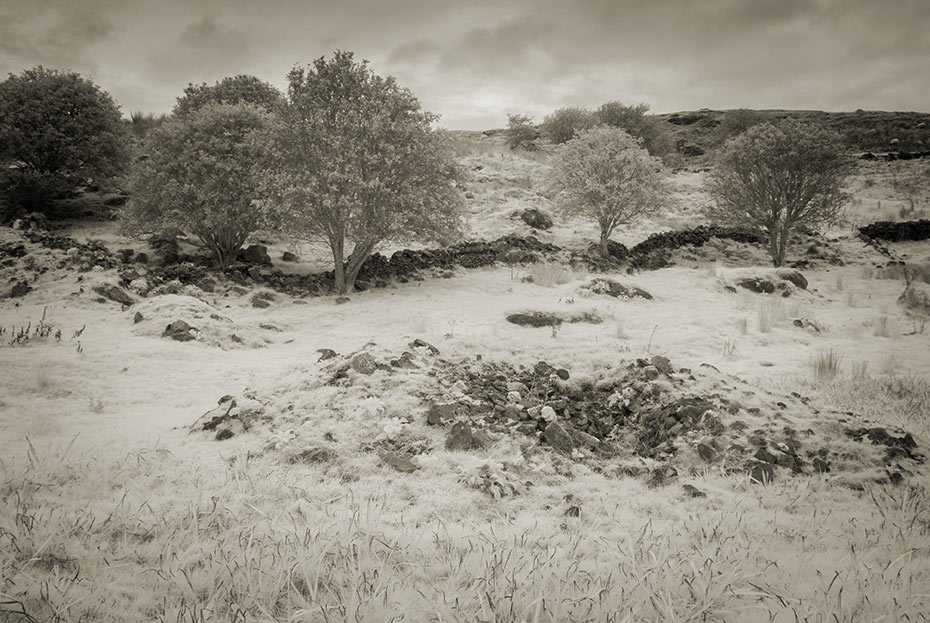
The Cairn and Holy Well in a field next to Kilcar old church
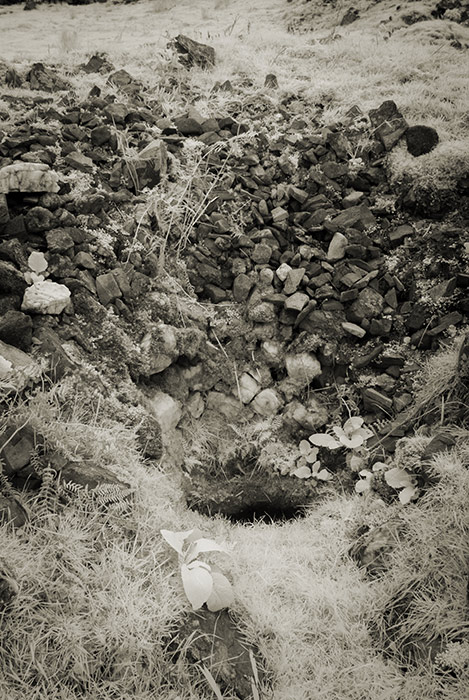
The holy well flows into a bullaun stone or rock-basin
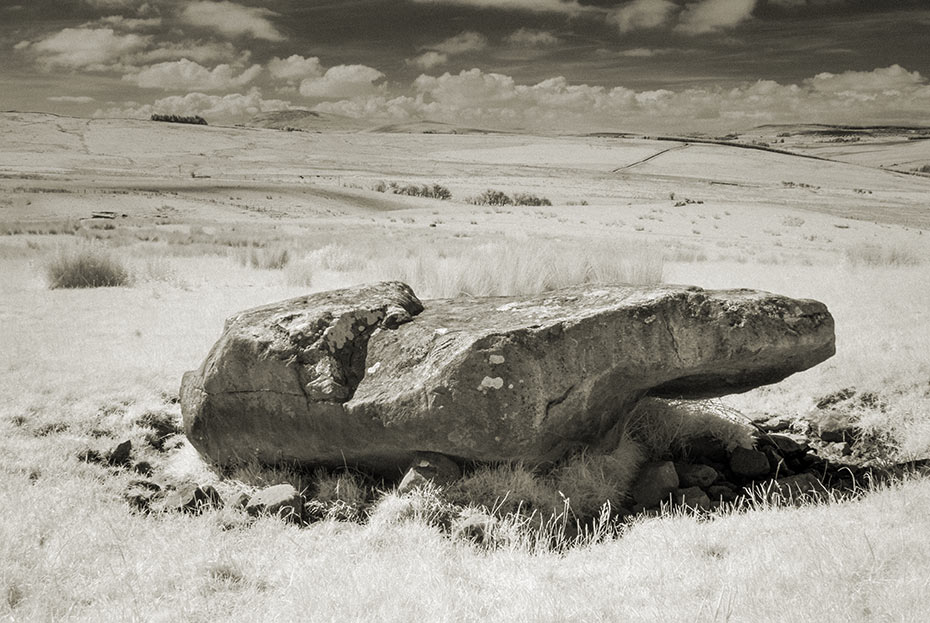
Boulder Burial, Dunteige, Co Antrim, Northern Ireland
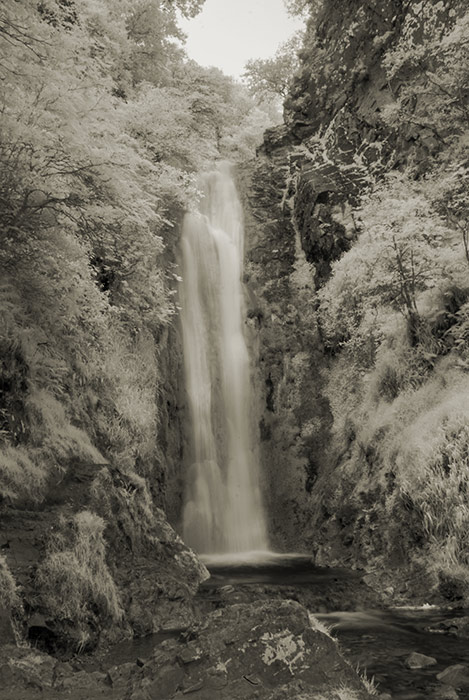
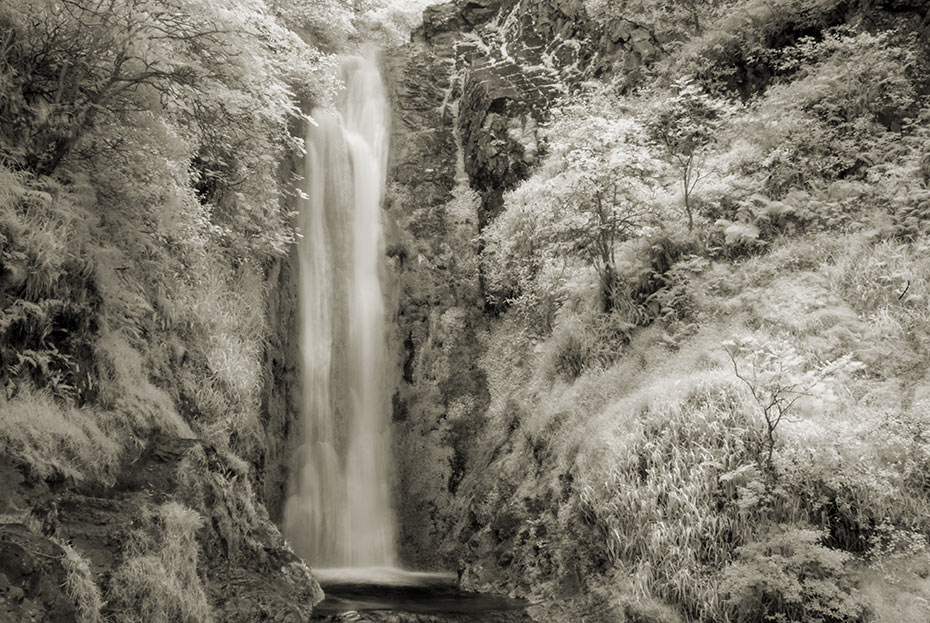
Glenevin Waterfall, Clonmany, Inishowen, Donegal, Ireland
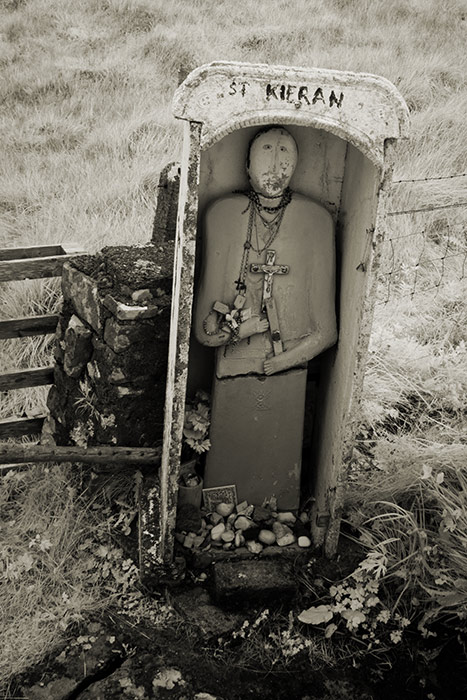
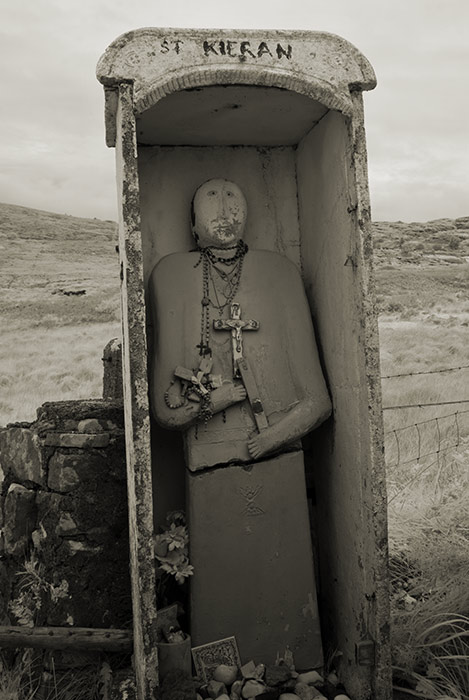
St Kieran’s Holy Well, Kilcar, Co Donegal, Ireland