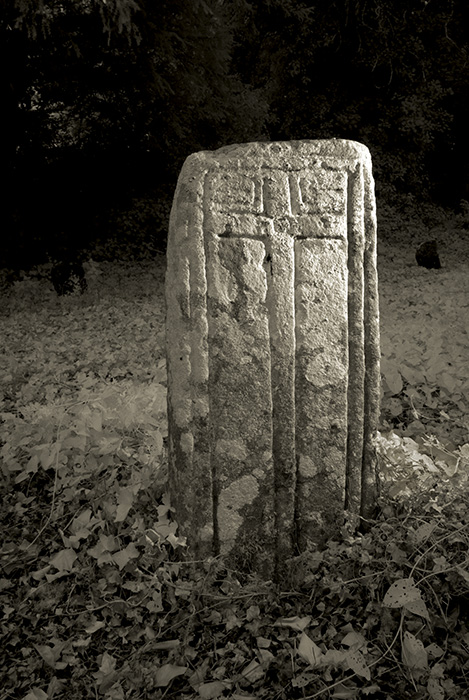
Castletown Cross Slab, Co Meath, Ireland
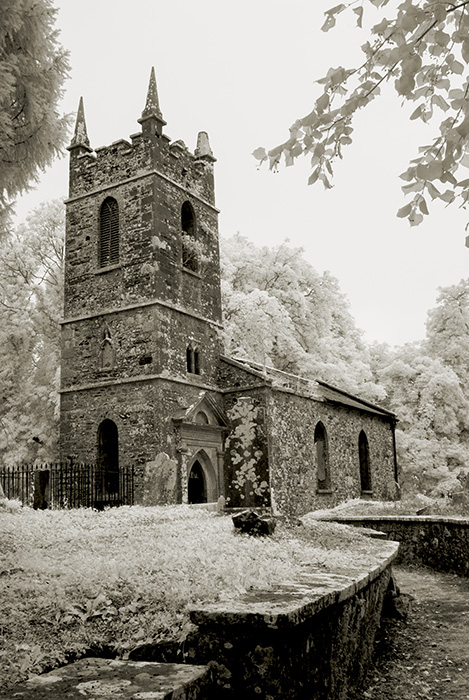
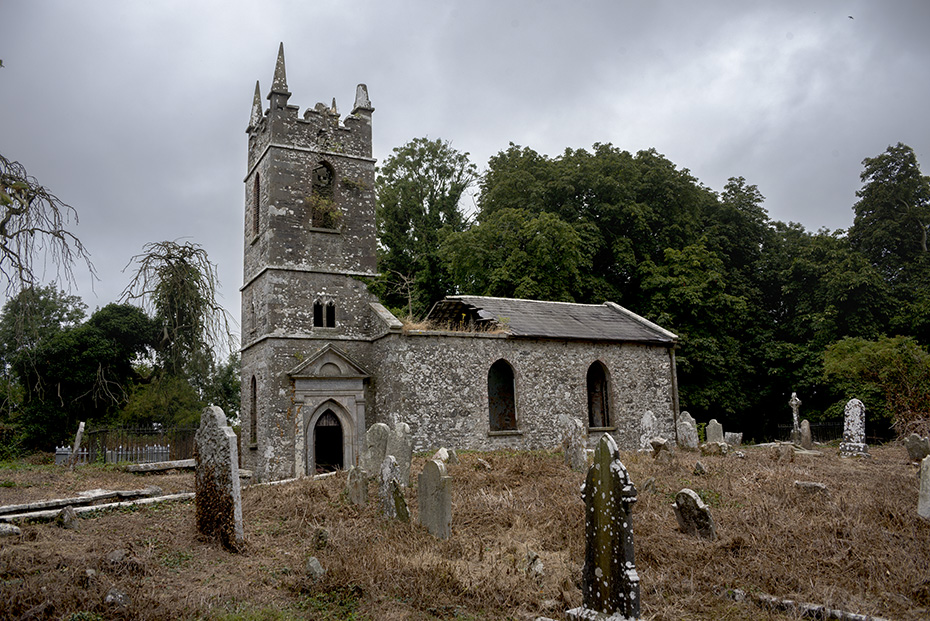
Castletown Old Church
Underexposed – an Irish Photoblog
Castletown Cross Slab, Co Meath, Ireland
Castletown Old Church
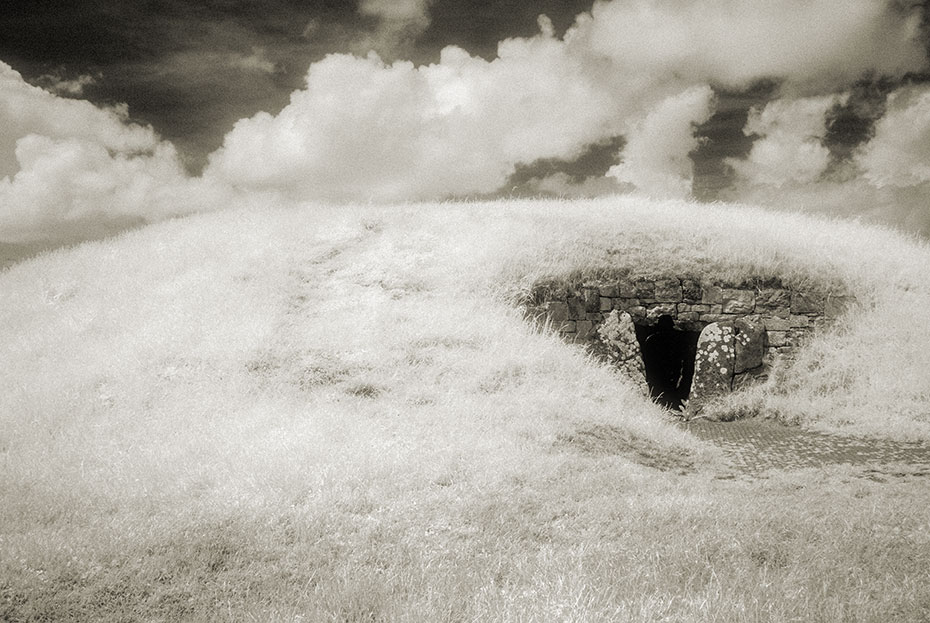
Hill of Tara – Mound of the Hostages. Previous visit links below
https://www.tonyoneill.org/2017/01/12/mound-of-the-hostages
https://www.tonyoneill.org/2016/10/31/lia-fail-stone-of-destiny
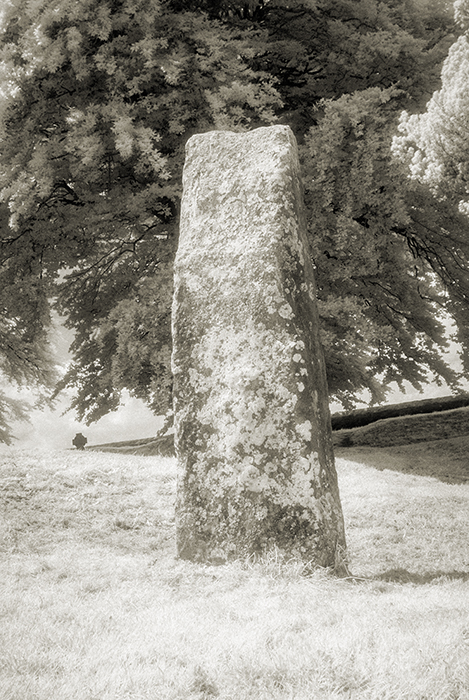
The larger of the two Standings Stone in the graveyard
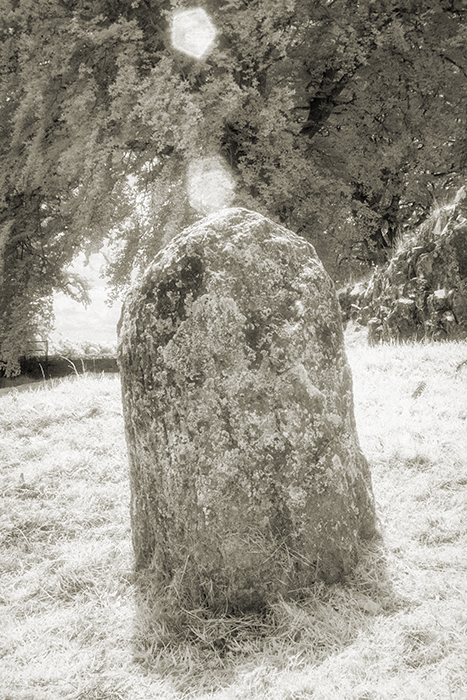
The smaller Standing Stone in the graveyard
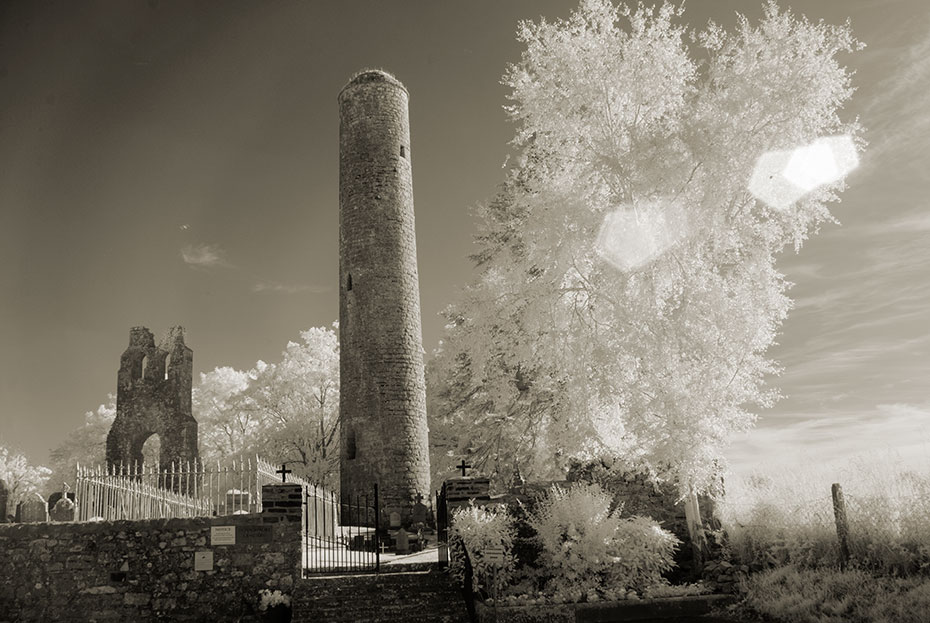
Donaghmore Round Tower and Church, Co Meath, Ireland
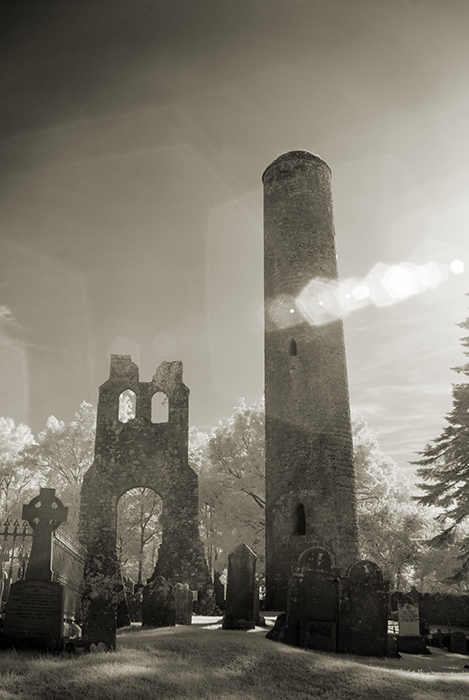
Donaghmore 10th century Round Tower and 15th Century Church ruin
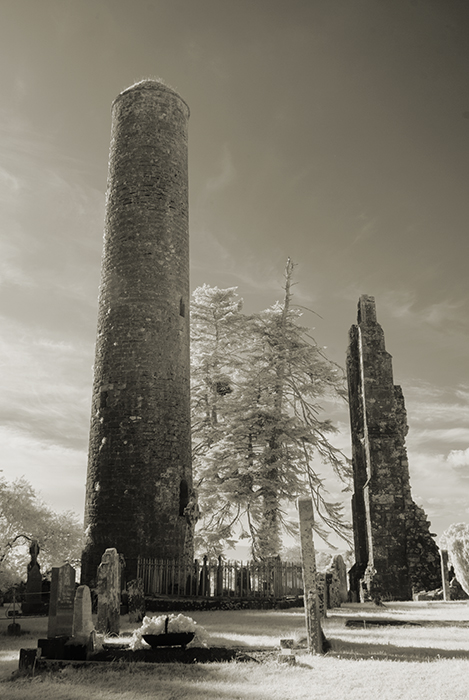
Donaghmore Round Tower stands 26 meters tall
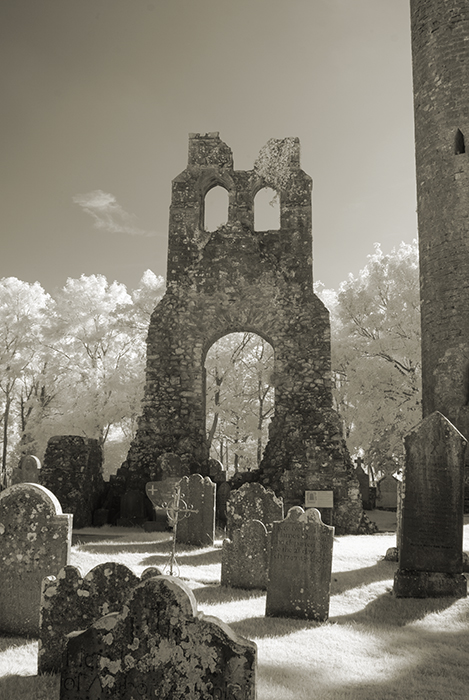
The ruin of Donaghmore Church
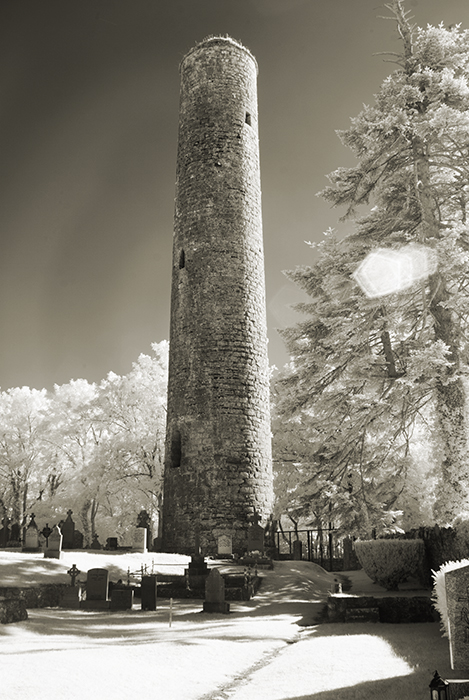
Donaghmore Round Tower just off the N51 Navan to Slane Road
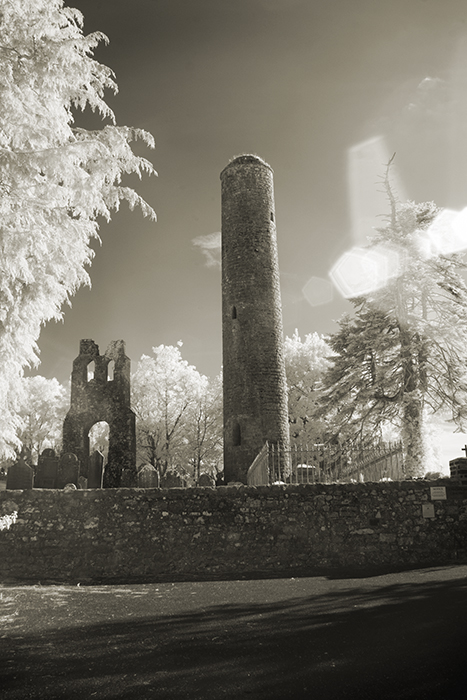
An original monastery here dates to St. Patrick who gave his disciple, St. Cassanus (Cassan) stewardship
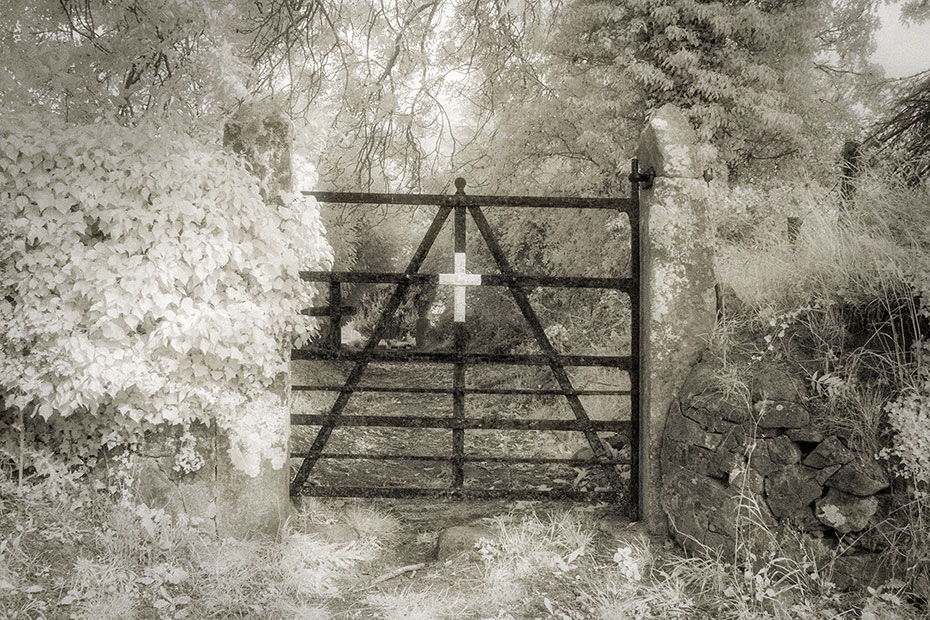
Robertstown Graveyard Gate, Co Meath, Ireland
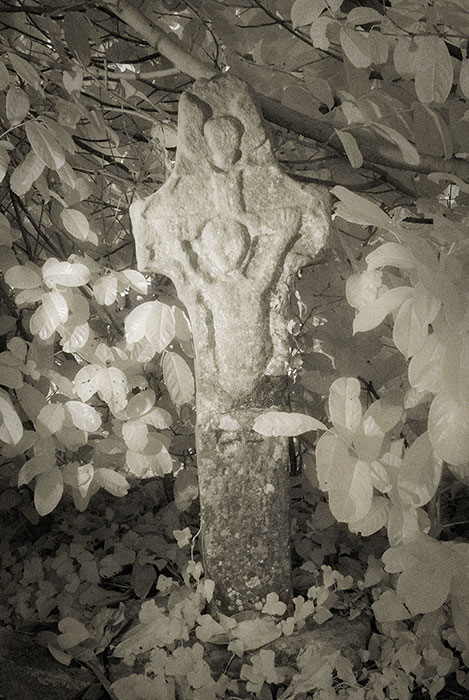
Robertstown Cross at the bottom of the lane to the graveyard
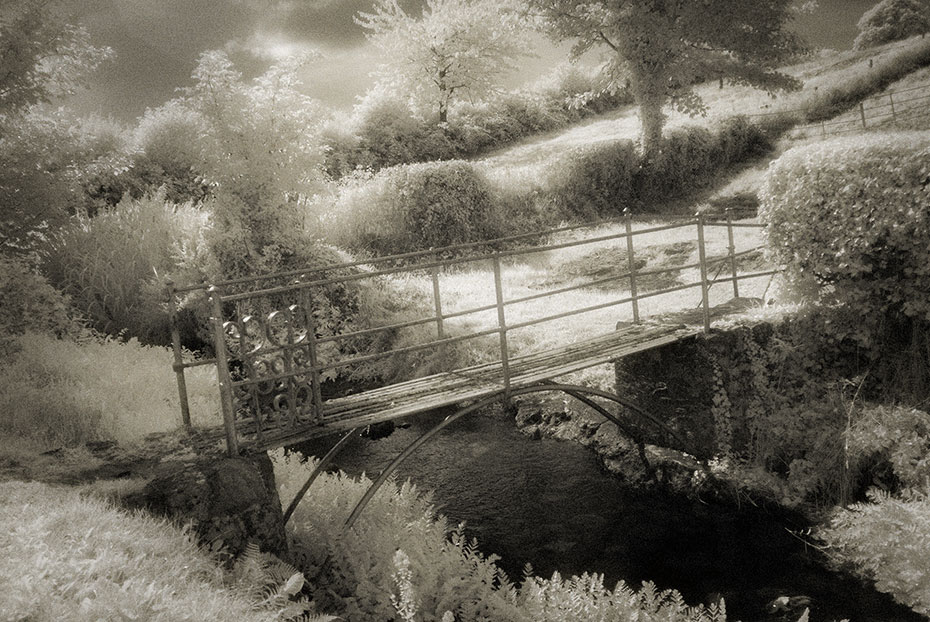
St Ciaran’s Well, Castlekeeran, Co Meath, Ireland – the bridge to the well
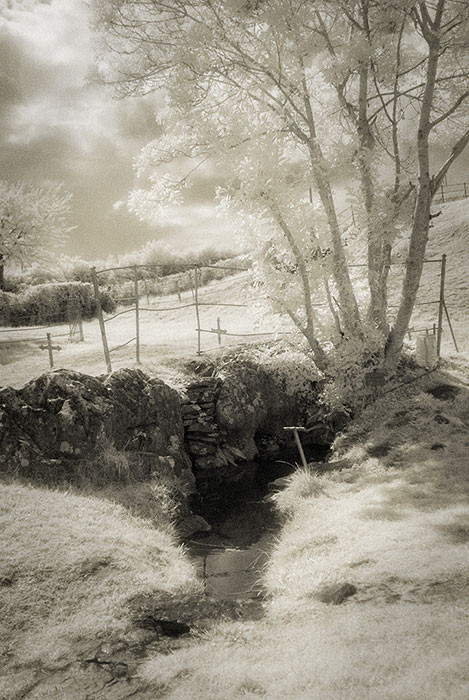
St Ciaran’s Well – rag tree at the well
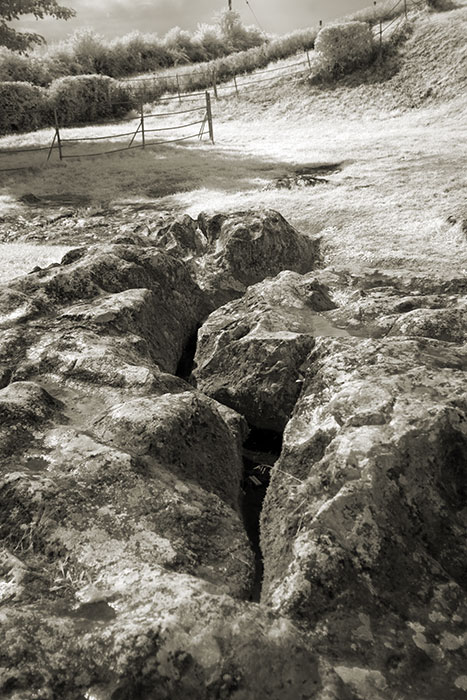
Water flows through the natural rock formations
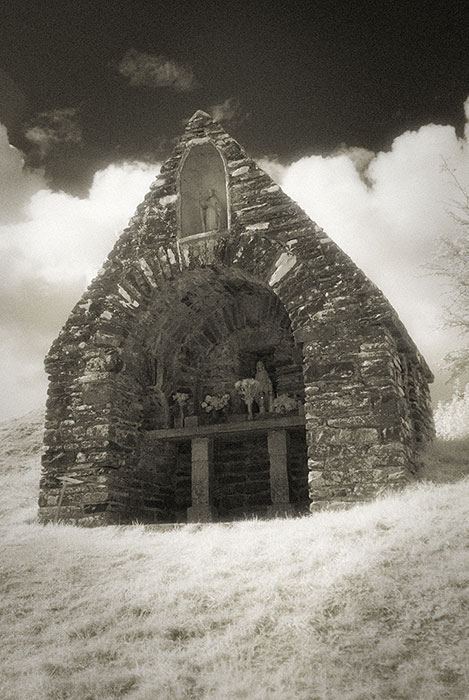
St Ciaran’s Shrine
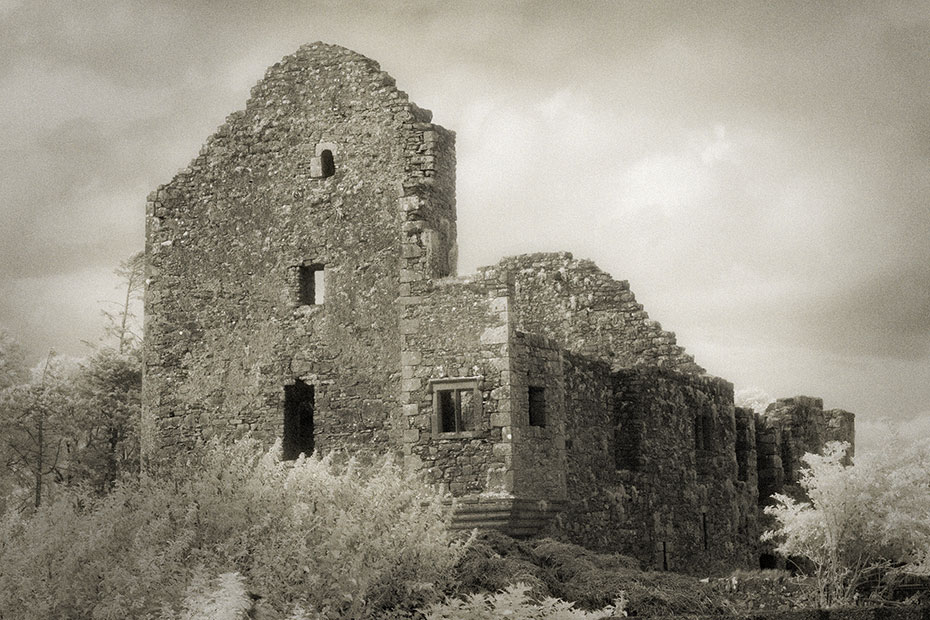
Robertstown Fortified House, Co Meath, Ireland
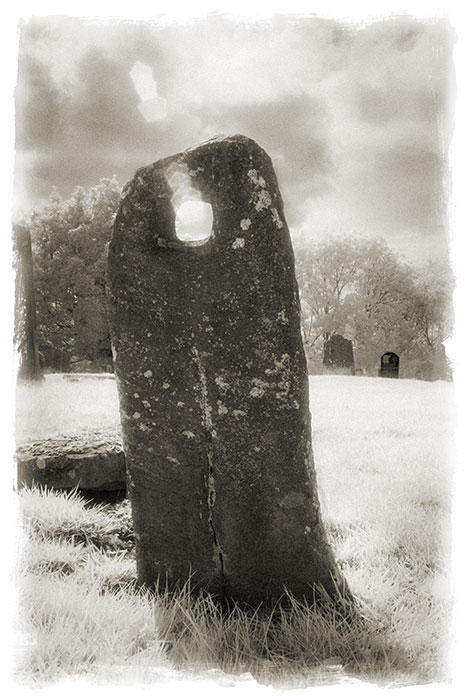
Kilmainhamwood Holed Stone, Co Meath, Ireland
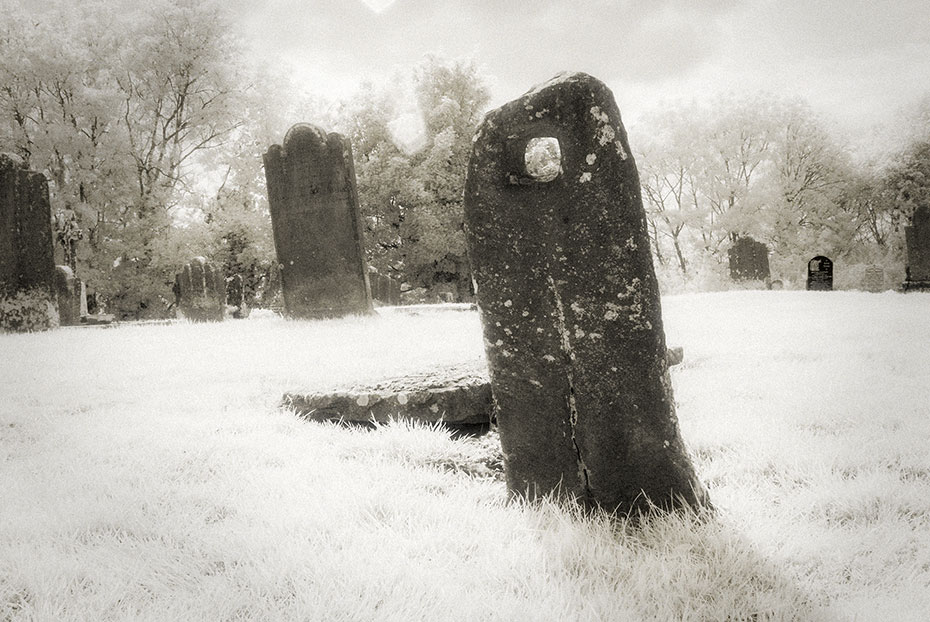
The holed stone has a worn carved cross on this side not visible due to the back lighting. The carved cross may have been added at a later date to Christianise the megalith and site.
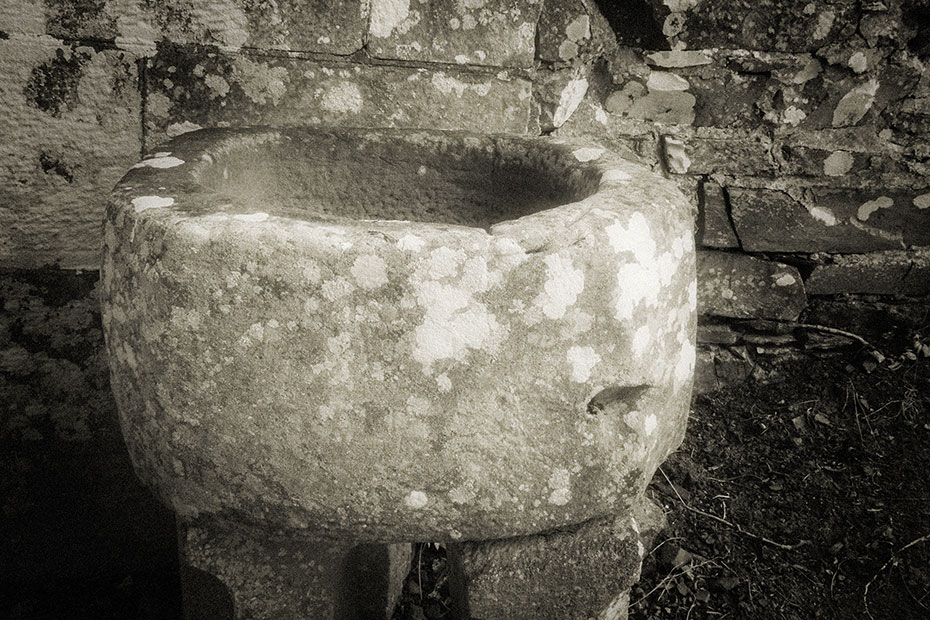
Font located by the graveyard gate
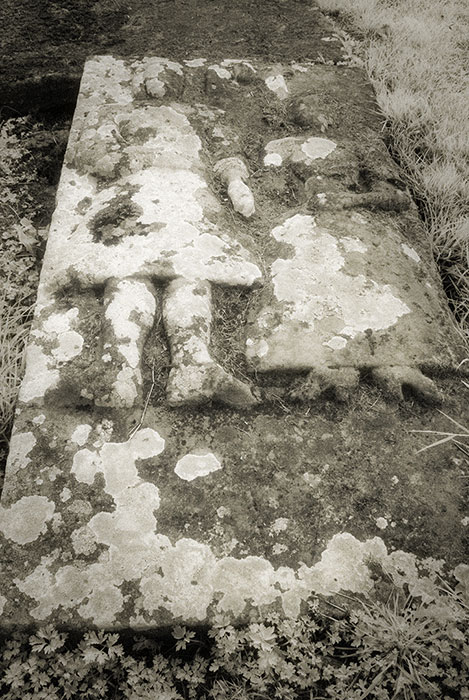
One of the grave slabs depicting a man and a women
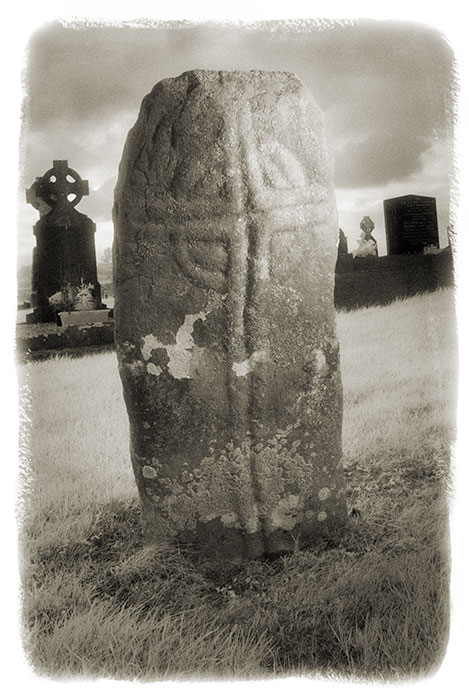
Kilbeg Cross Slab, Co Meath, Ireland
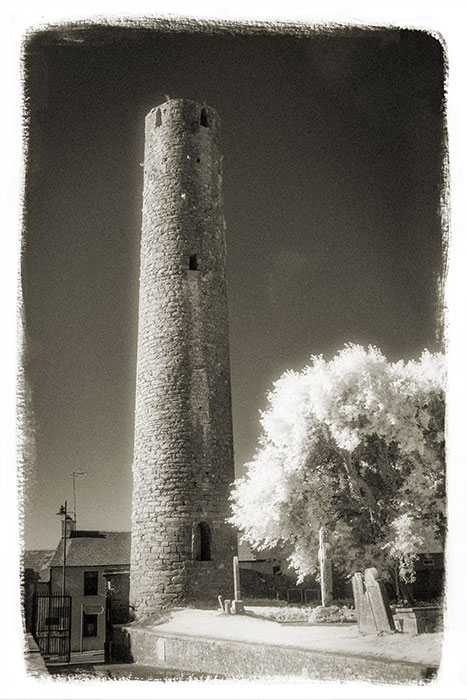
Kells Round Tower, Kells, Co Meath, Ireland
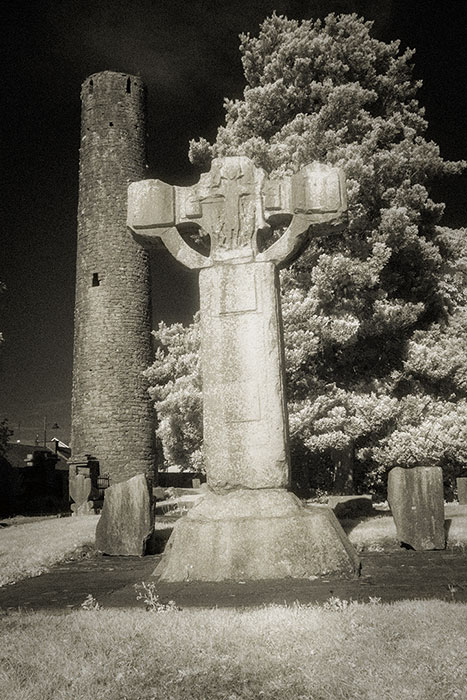
Kells High Cross and Round Tower
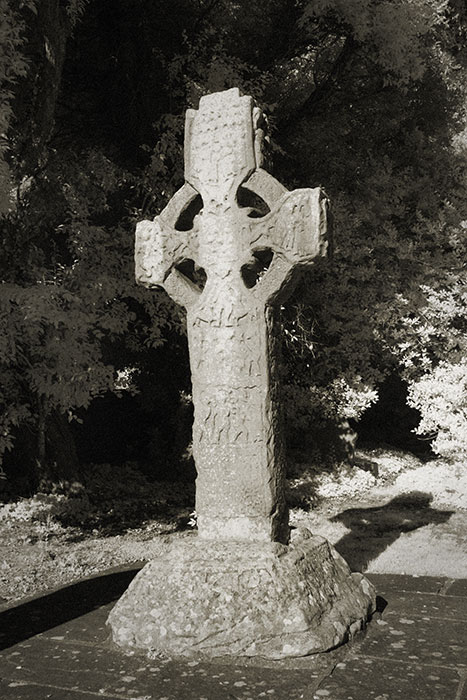
Kells High Cross
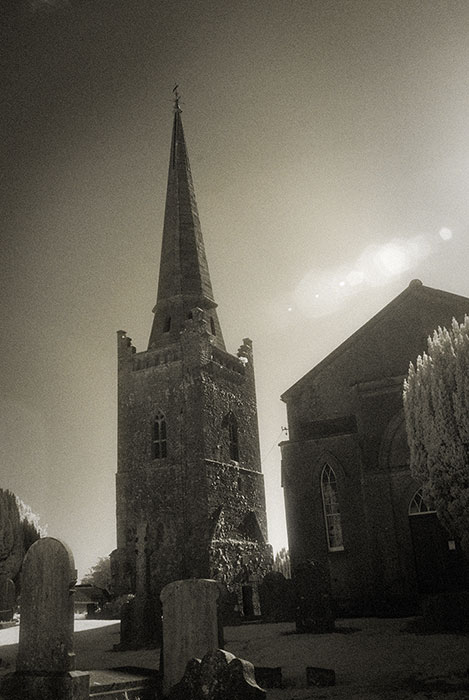
Kells Bell Tower
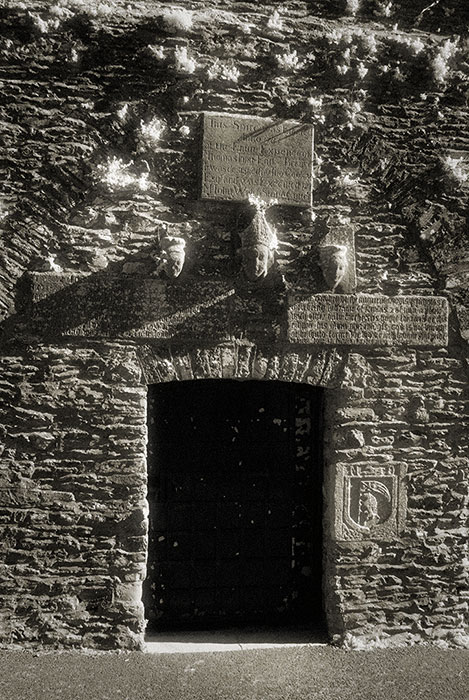
Kells Bell Tower entrance carvings
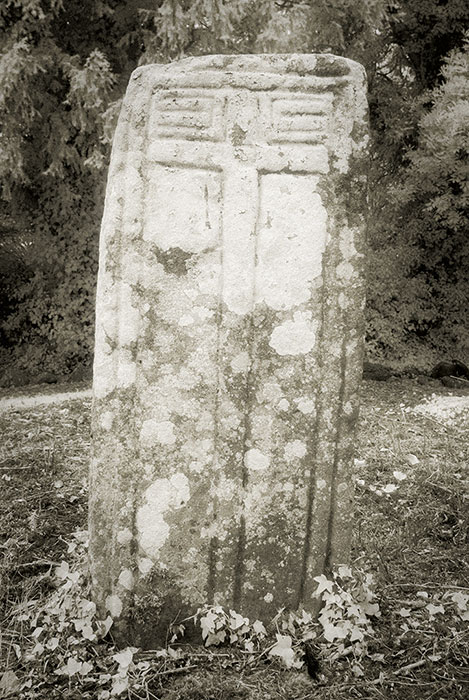
Castletown Cross Slab, Co Meath, Ireland
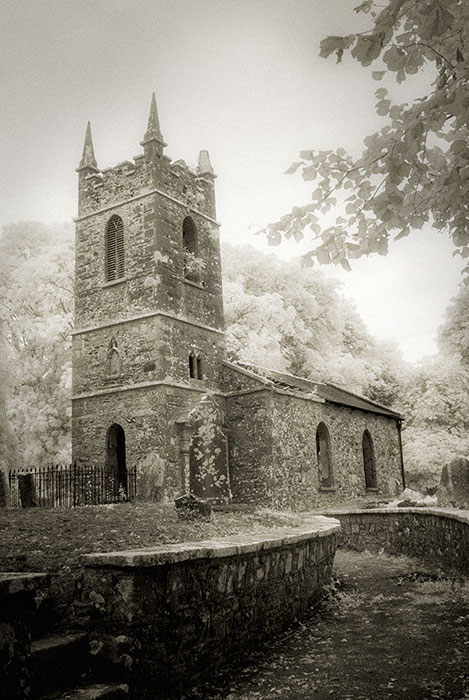
Castletown Old Church
Fourknocks Passage Tomb, Co Meath, Ireland
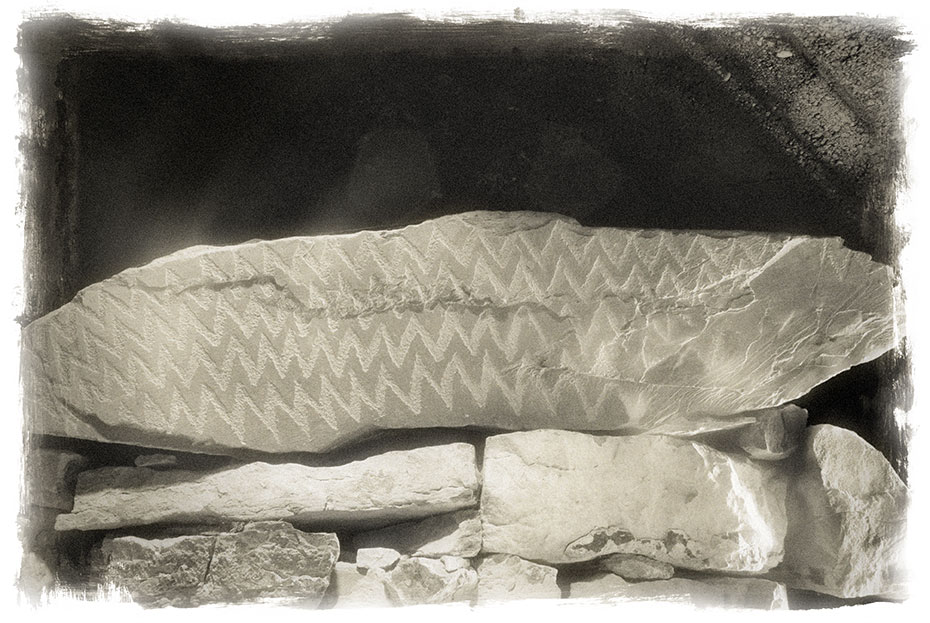
The decorated lintel stone on the right as you enter the chamber
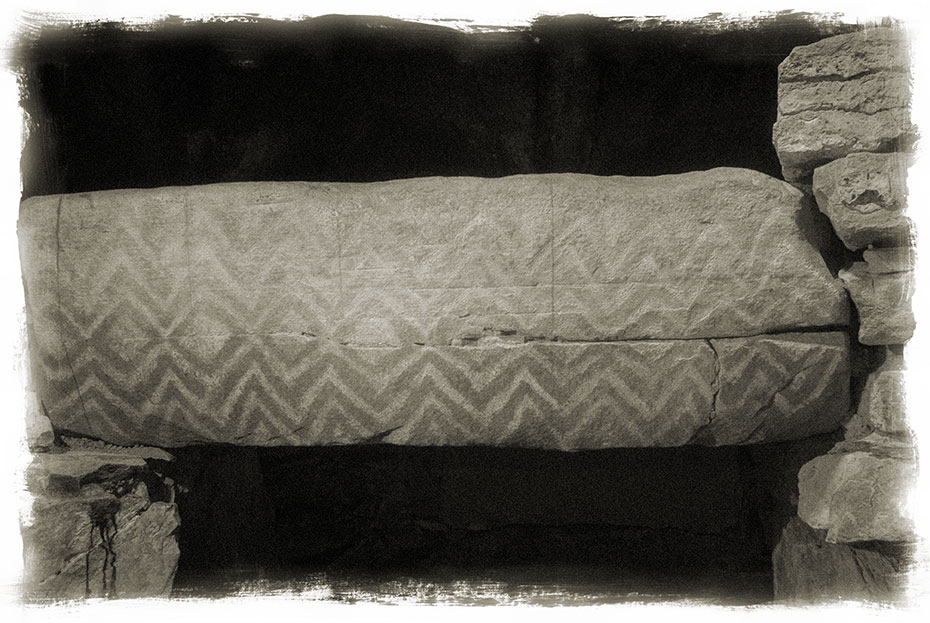
The decorated lintel over the right chamber
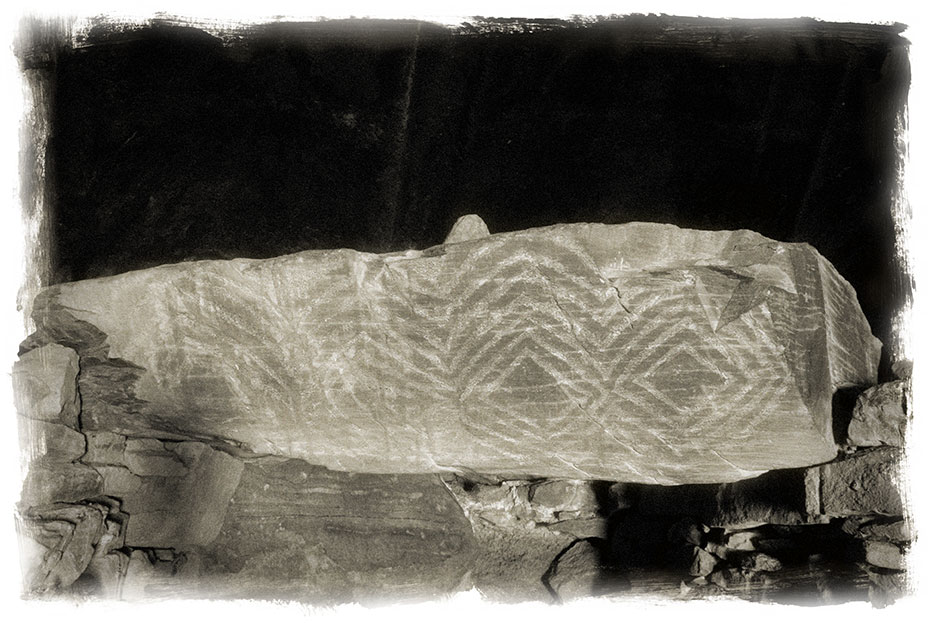
The decorated lintel over the central chamber
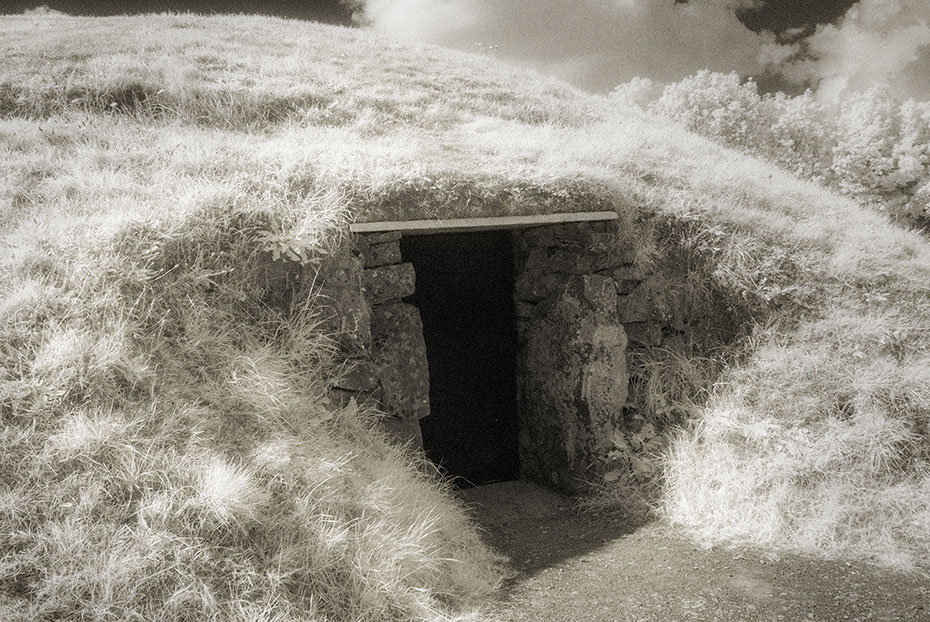
The entrance to Fourknocks Passage Tomb
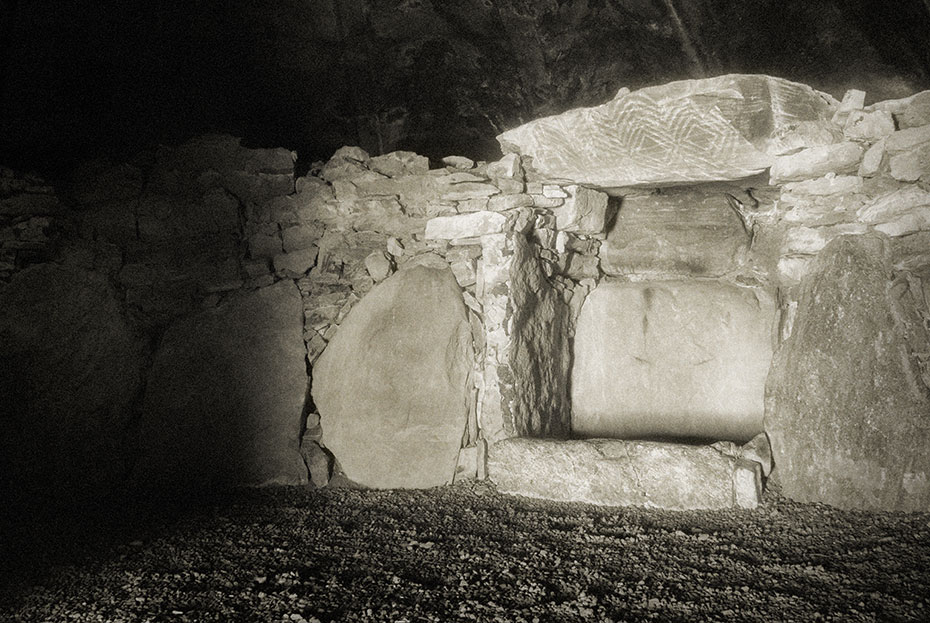
The central chamber
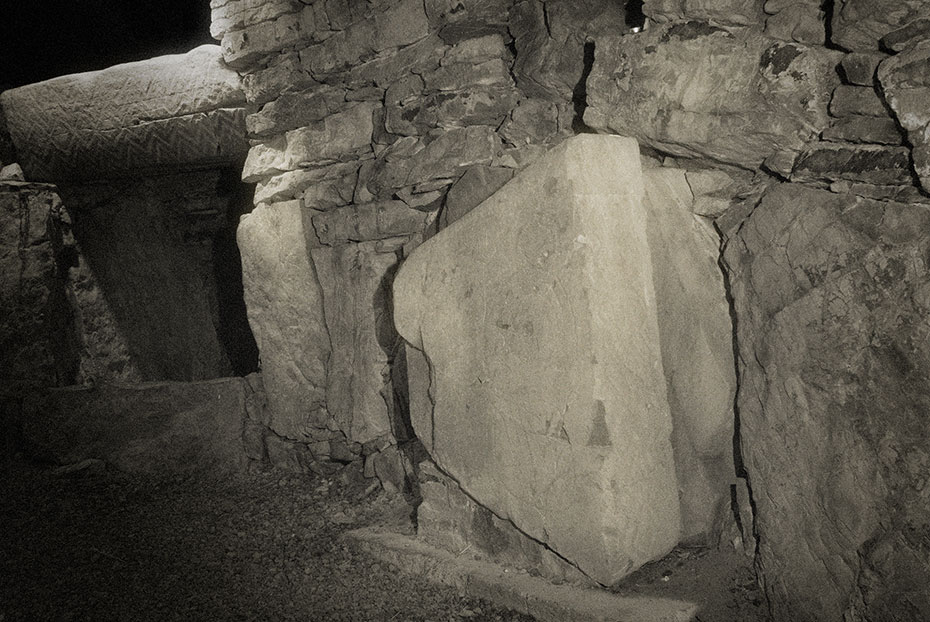
The right chamber
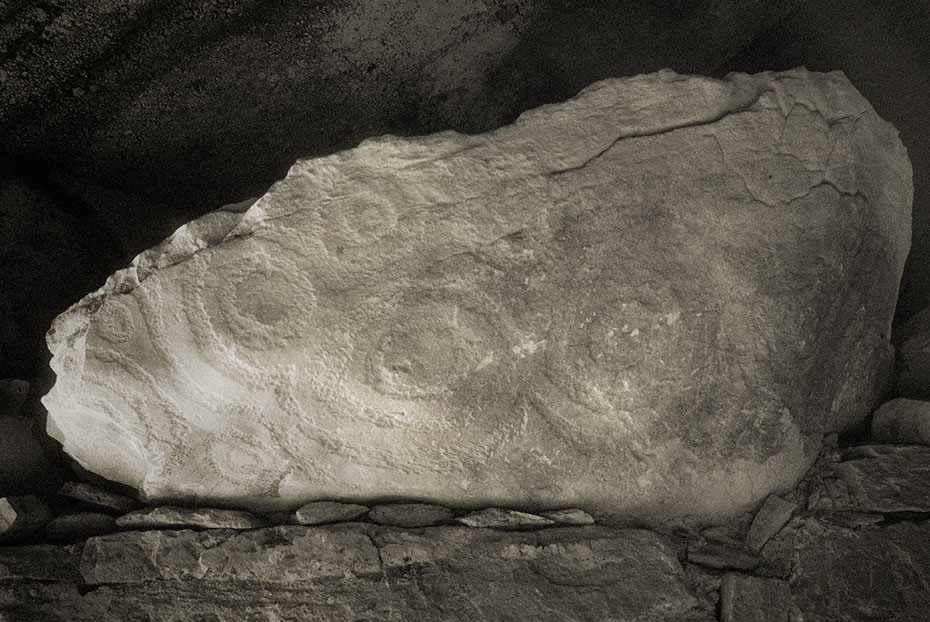
One of the decorated stones
Castlekeeran – Three High Crosses, Ogham Stone and Cross Slab
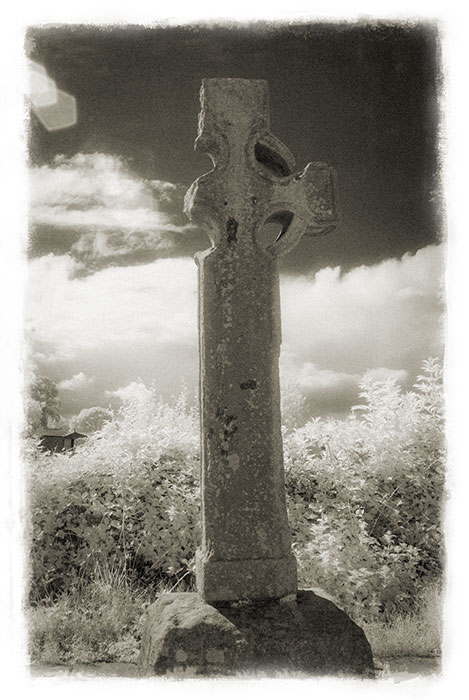
The West Cross
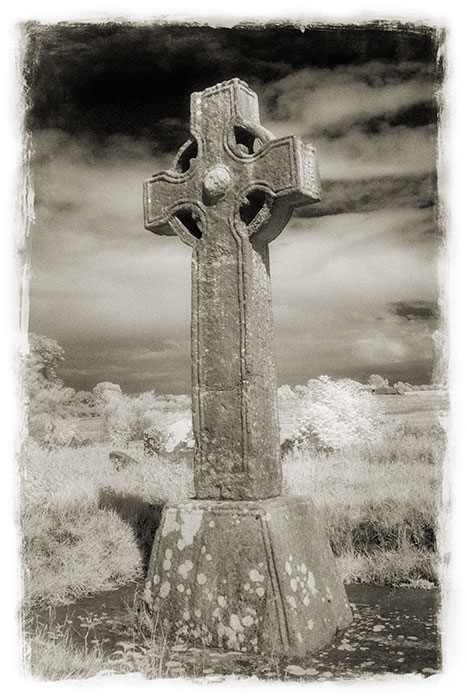
The South Cross
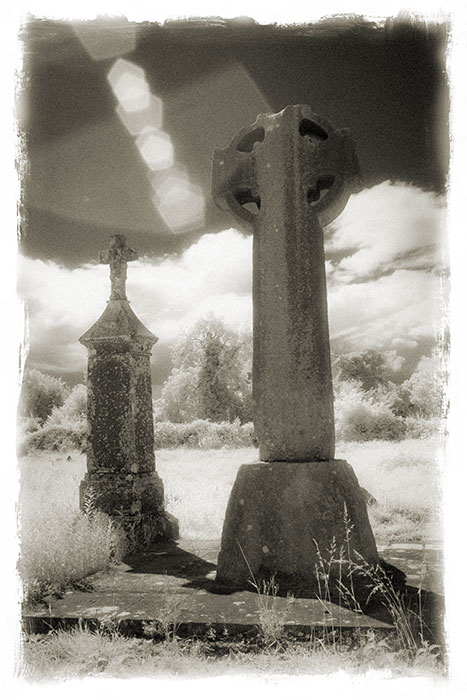
The North Cross
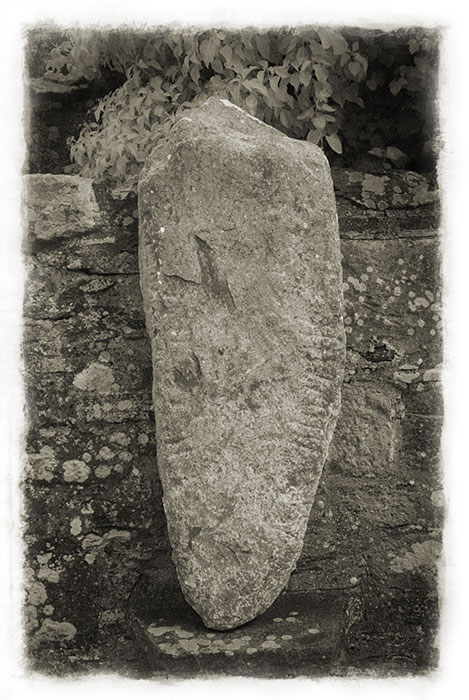
The Ogham Stone
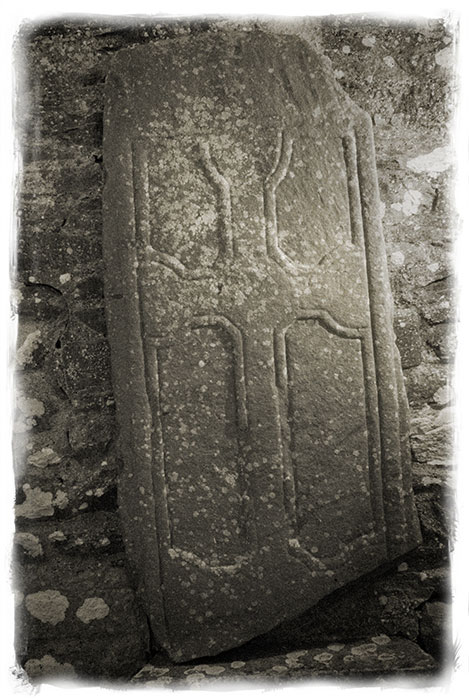
The Cross Slab
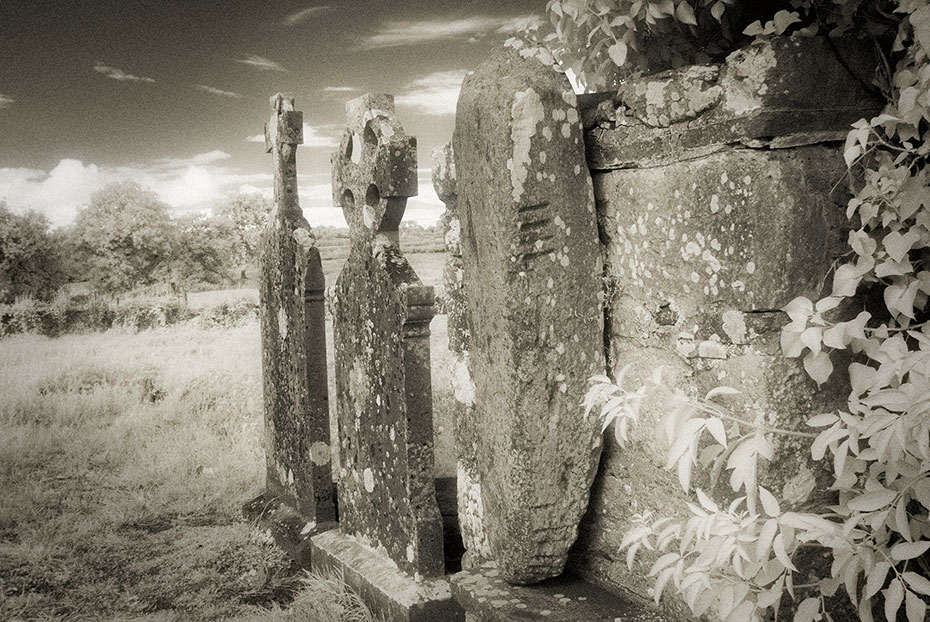
The Ogham Stone inscription reads COVAGNI MAQI MUCOLI LUGINI, translated as “Cuana son of the people of Luigni” (Wikipedia)
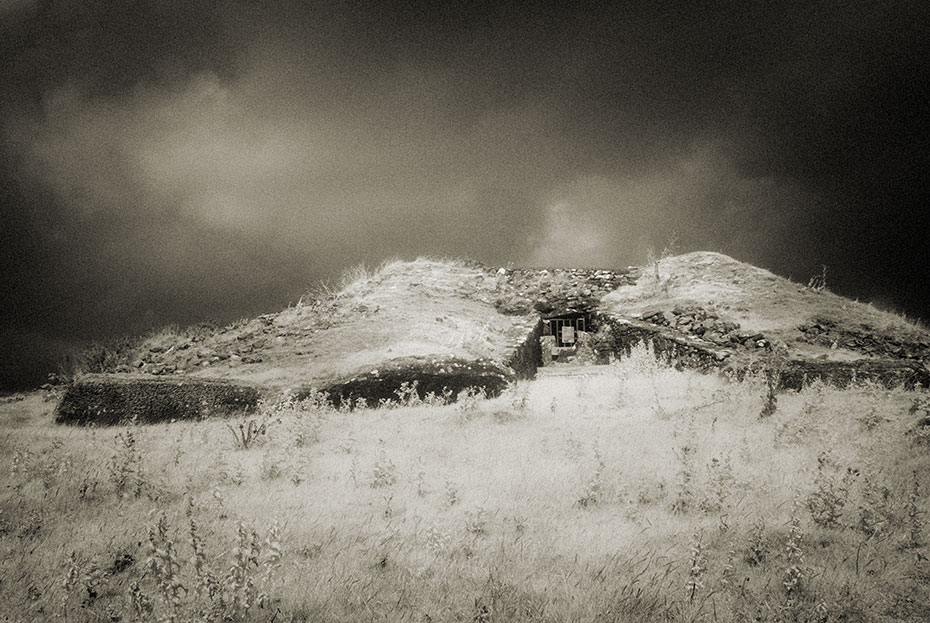
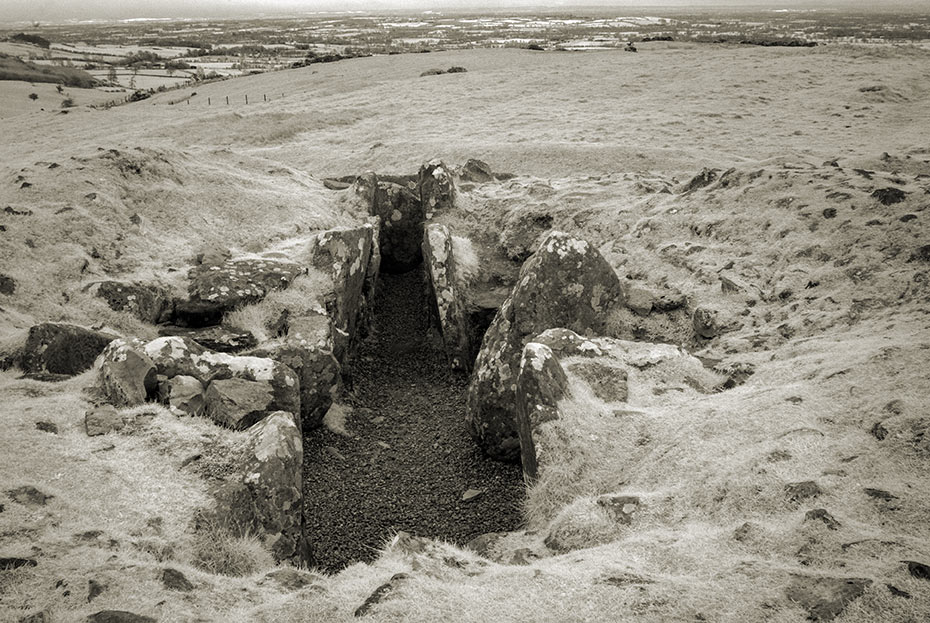
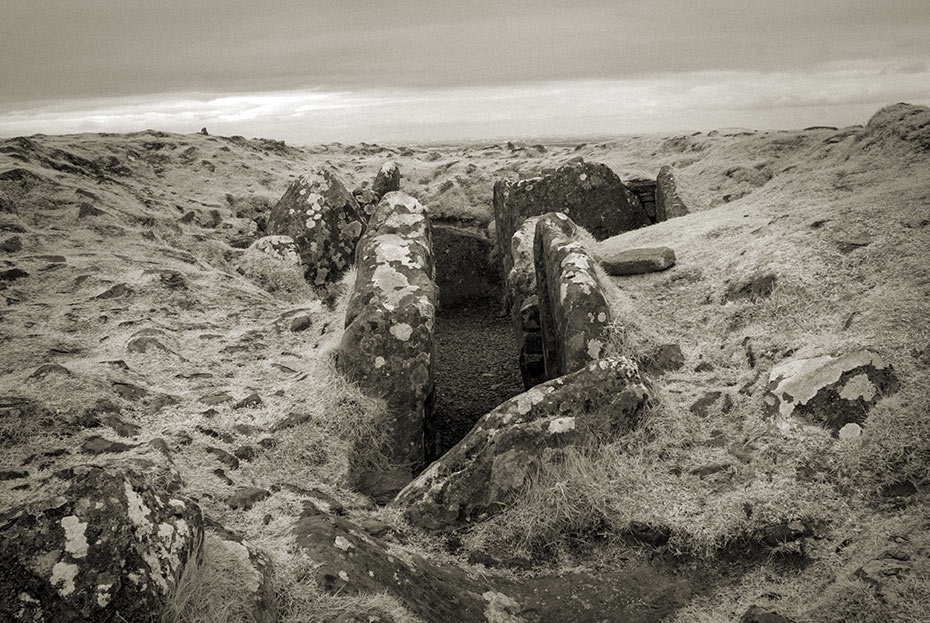
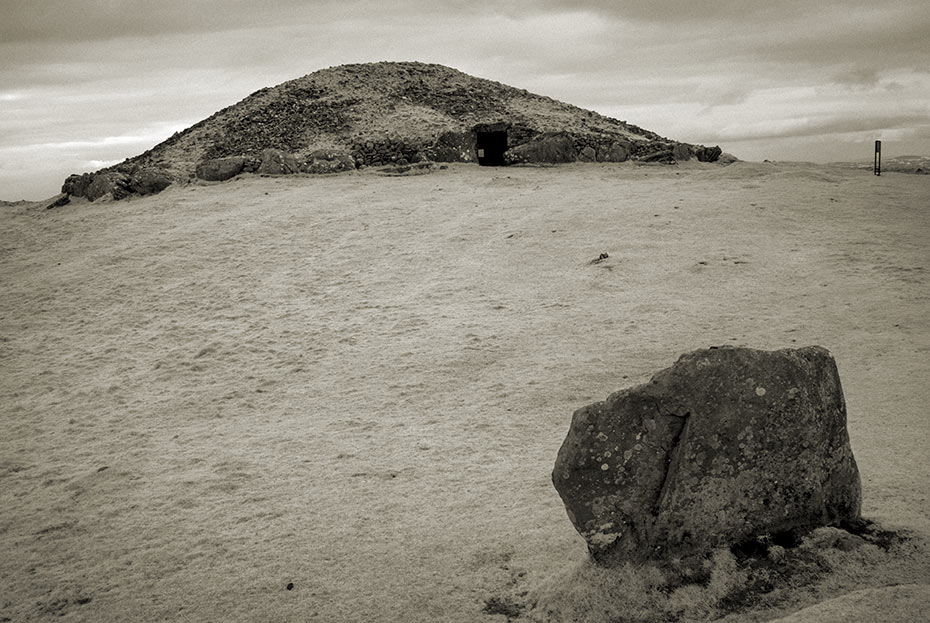
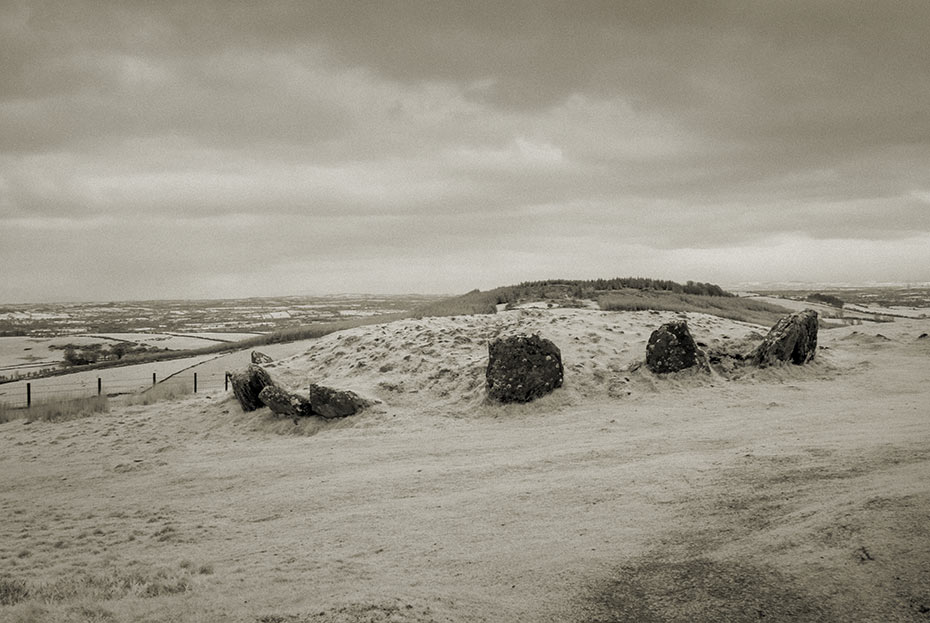
Cairn L, Loughcrew Megalithic Complex – Carnbane West, Co Meath, Ireland
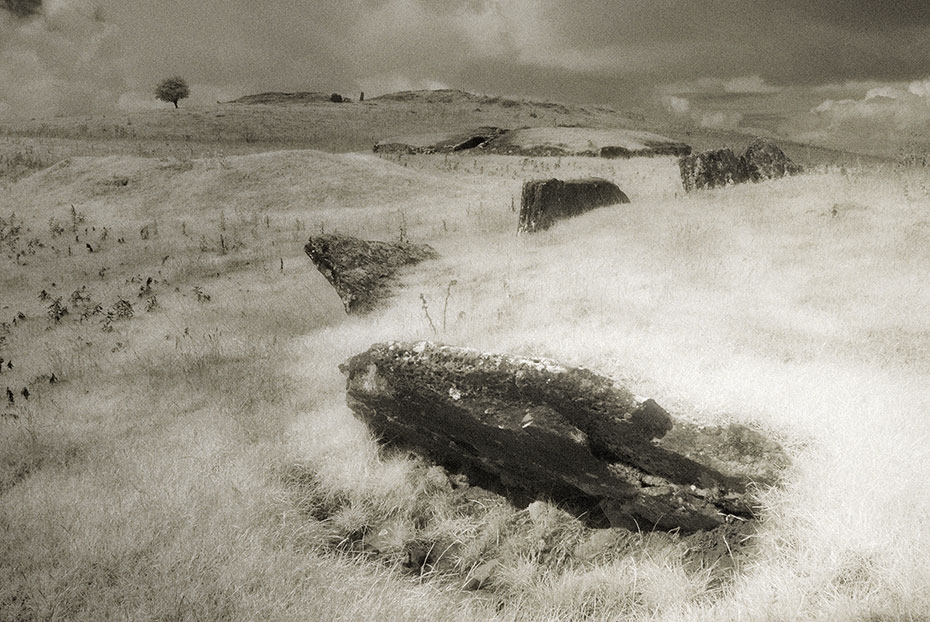
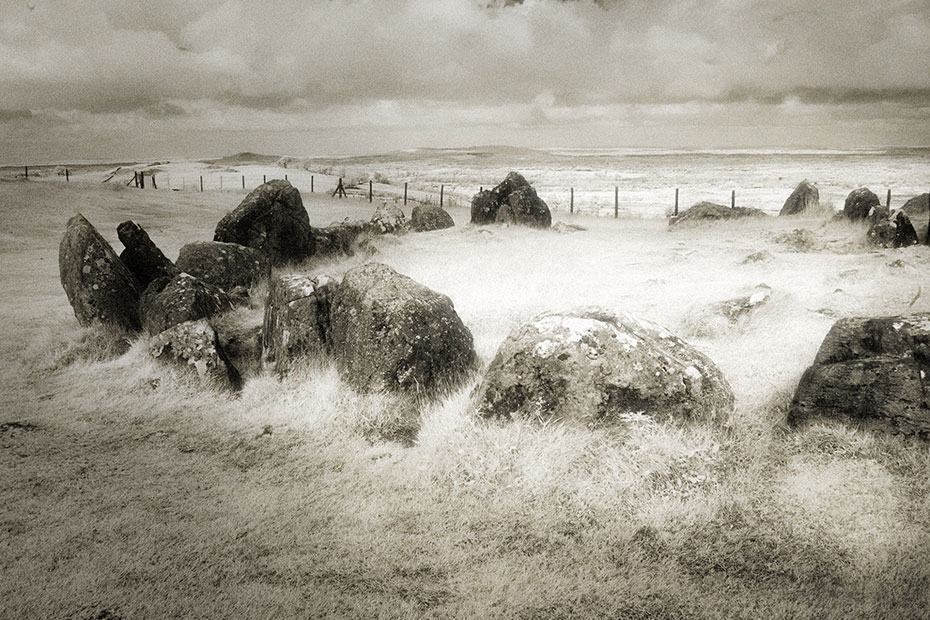
The kerb of Cairn L with Cairn H in the middle ground and cairns F and G on the horizon
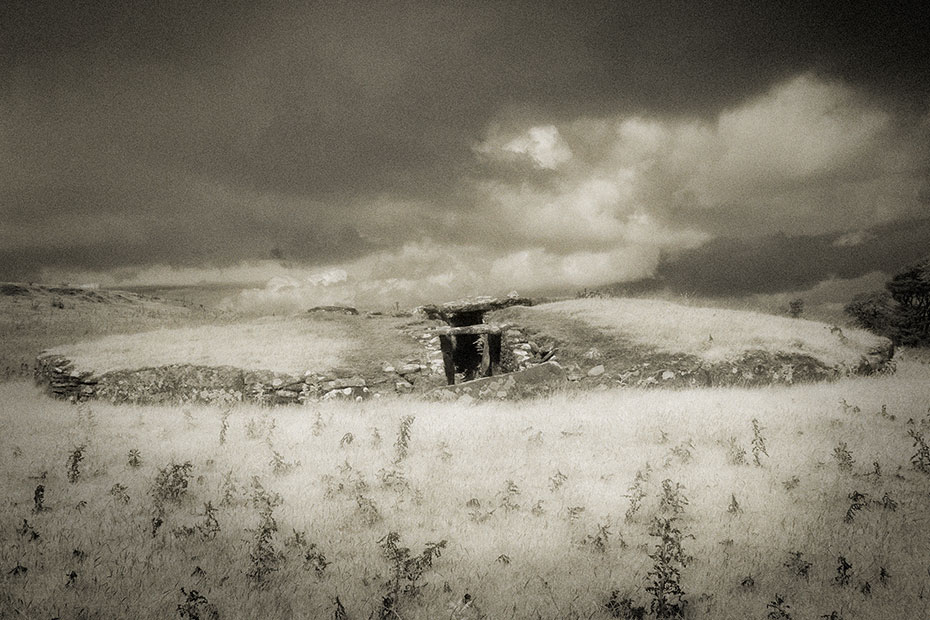
Cairn H
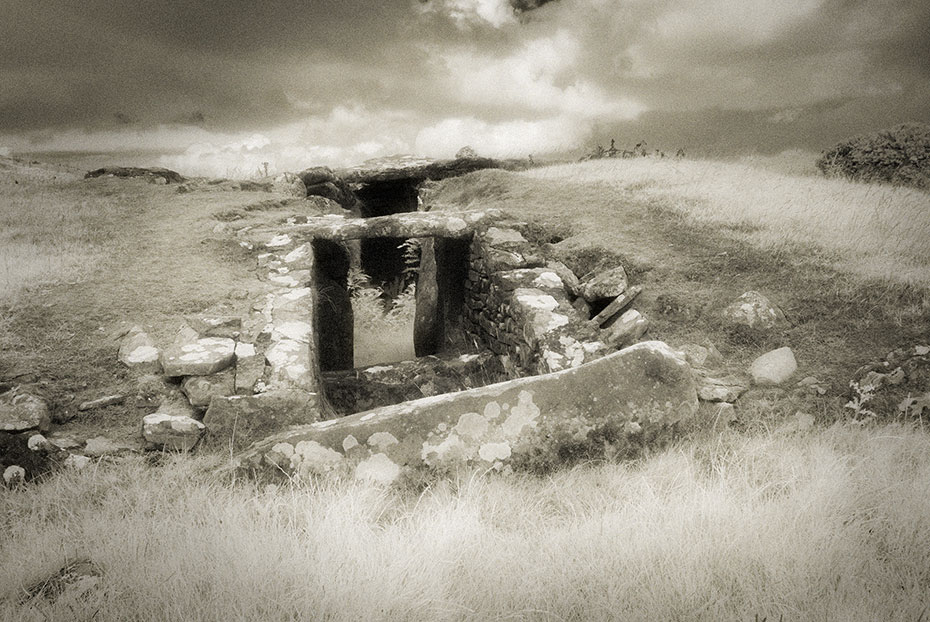
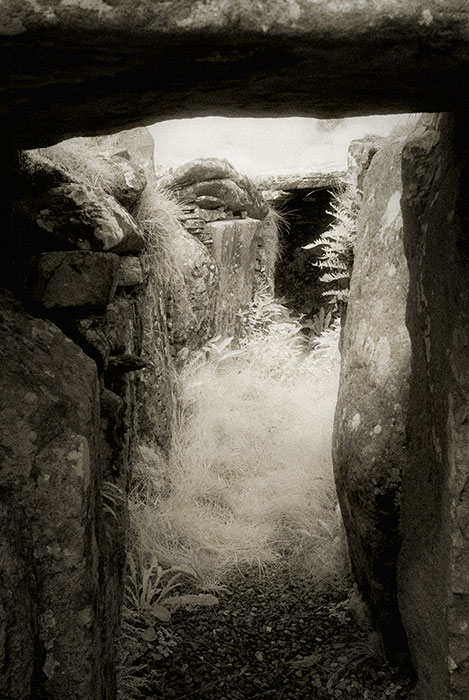
The entrance to Cairn H
Cairn H
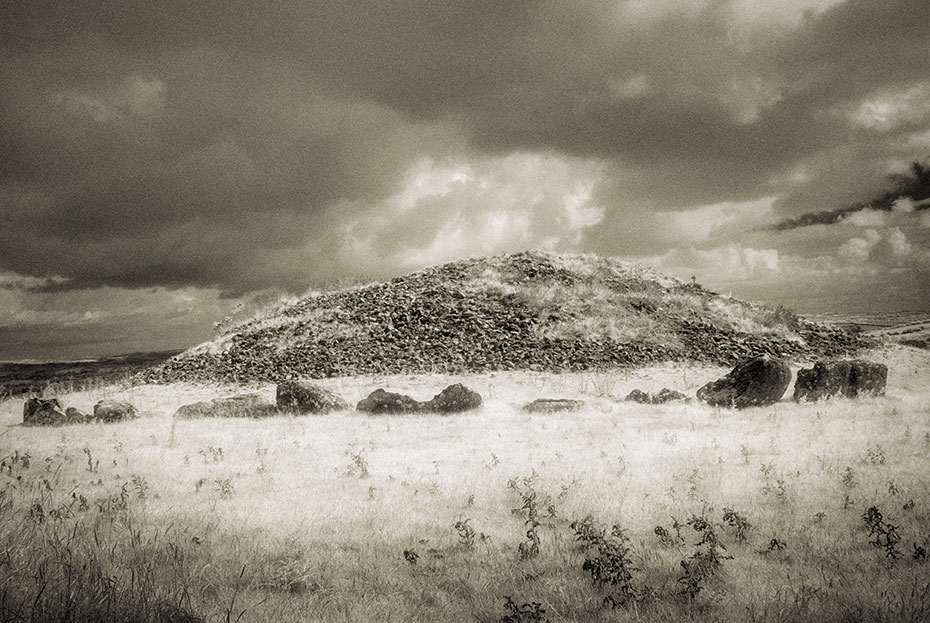
Cairn L from the south west
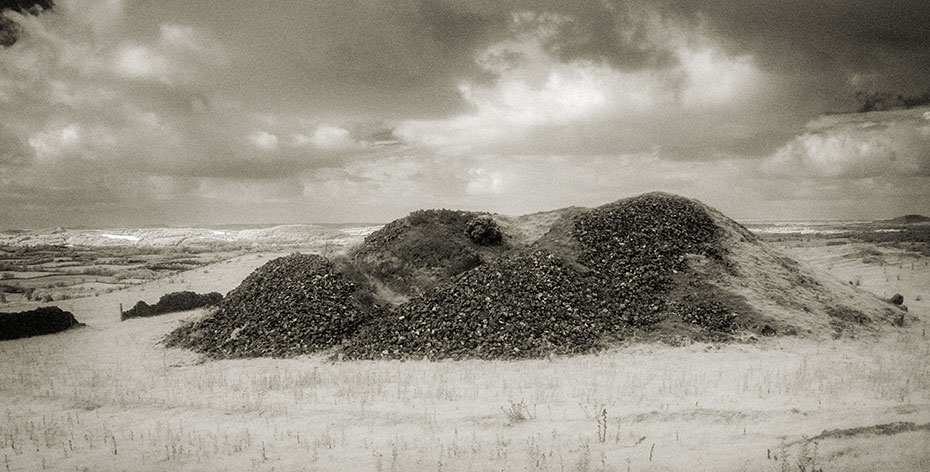
Cairn D
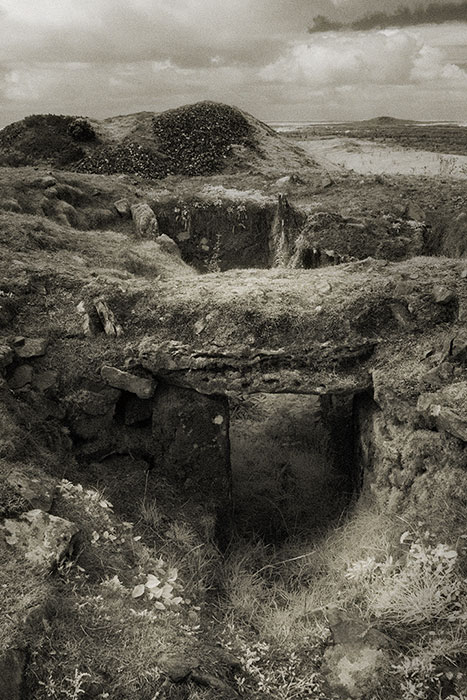
Cairn F with Cairn D in the background
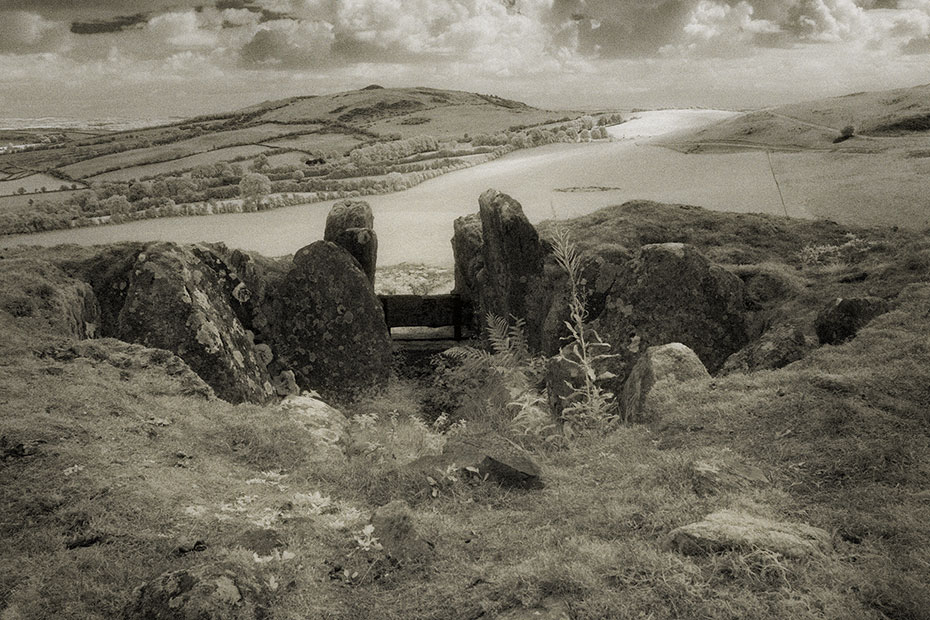
Cairn I With Cairn T on the horizon
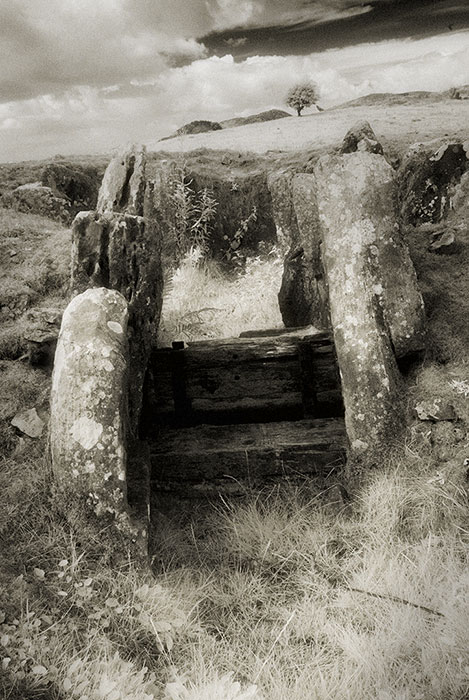
Cairn I
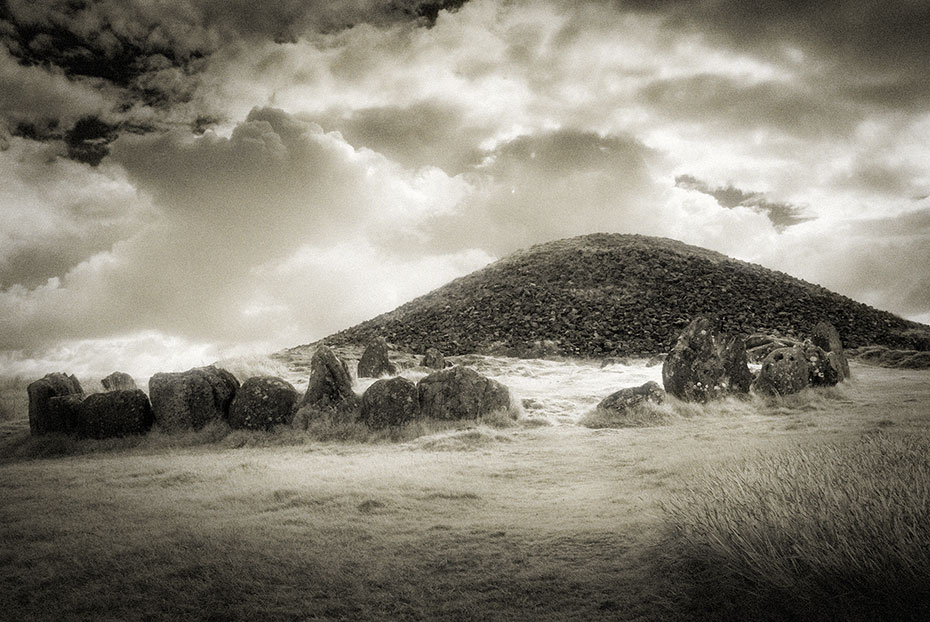
Loughcrew Megalithic Complex – Carnbane East, Co Meath, Ireland

The Hag’s Chair at Cairn T
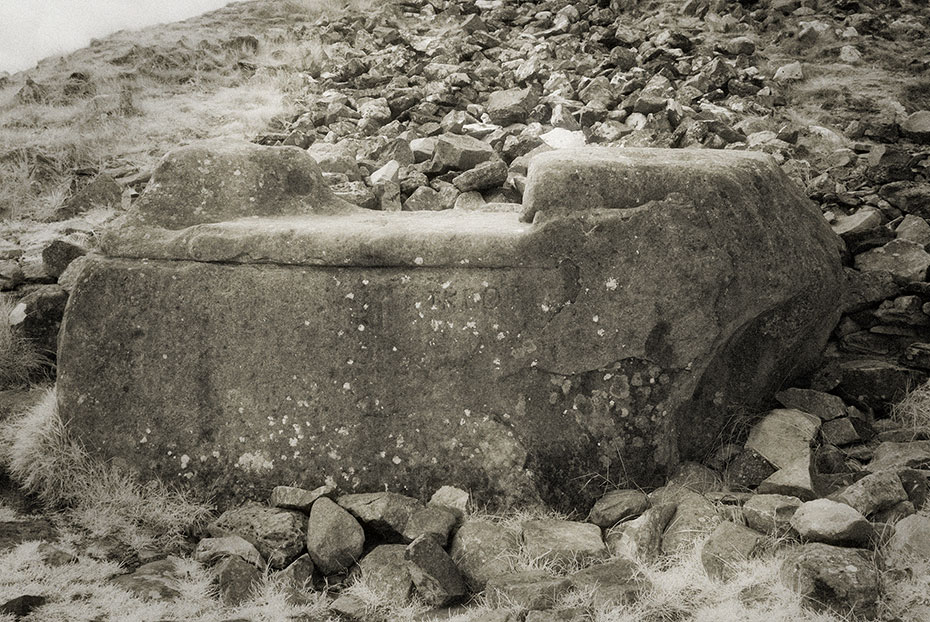
The Hag’s Chair on Sliabh na Cailleach, the Mountains of the Hag (Witch)
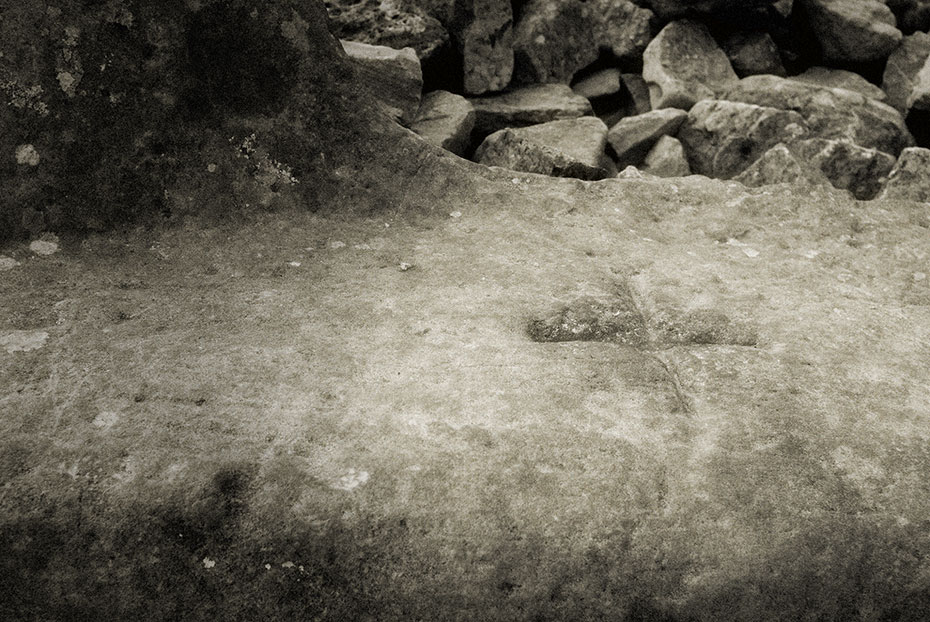
Detail of Cross inscribed into the Hag’s Chair
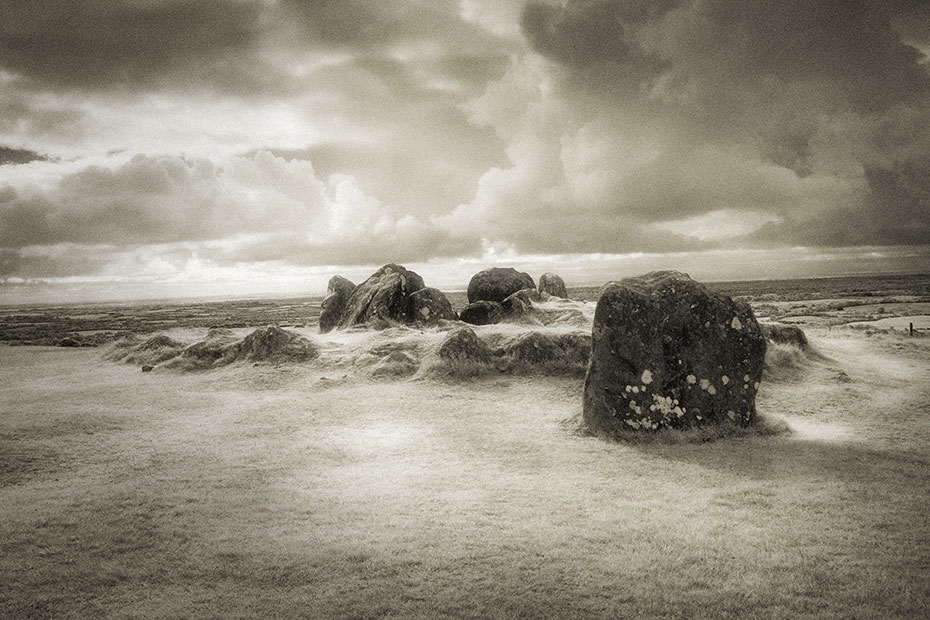
Cairn V, Carnbane East
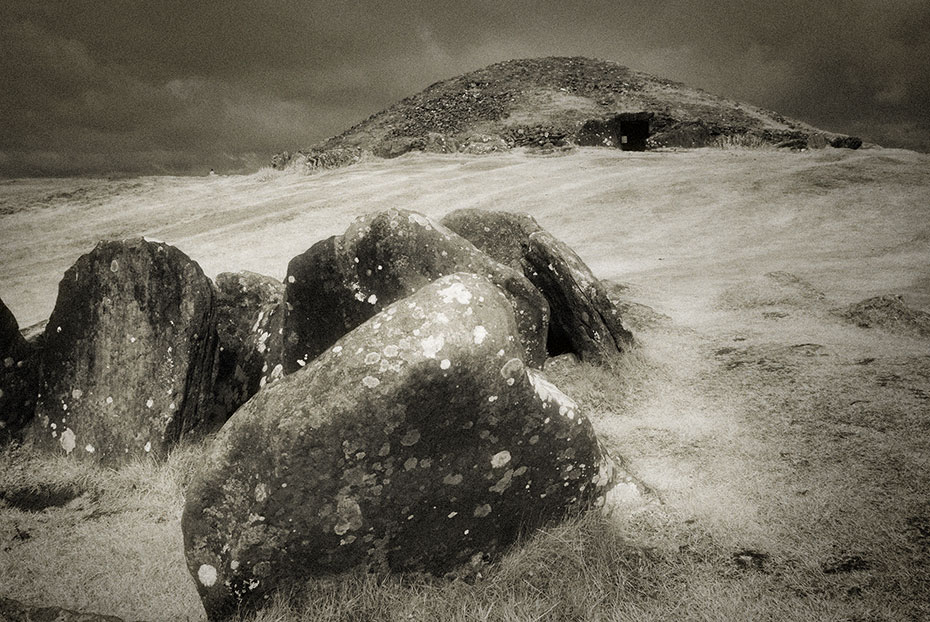
Cairn T viewed from Cairn V, Loughcrew Megalithic Complex, Carnbane East
Another view from Cairn V of Cairn T, Loughcrew Megalithic Complex
Cairn S
The Equinox Stone in the chamber of Cairn T which is illuminated by the sun at sunrise on the Spring and Autumnal Equinoxes
Cairn T passage to chamber
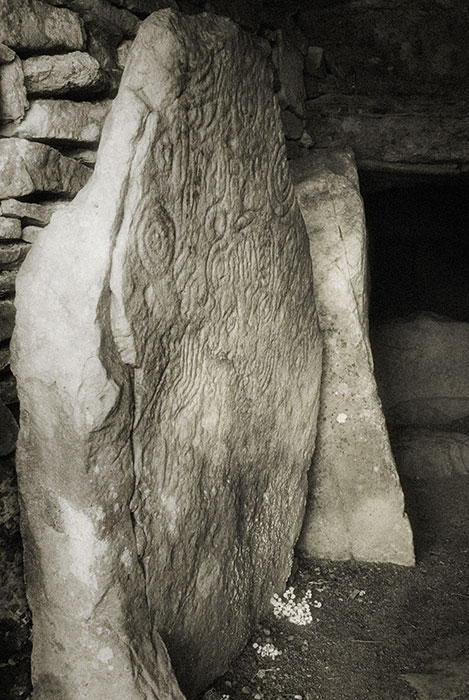
Loughcrew decorated stone – rock art
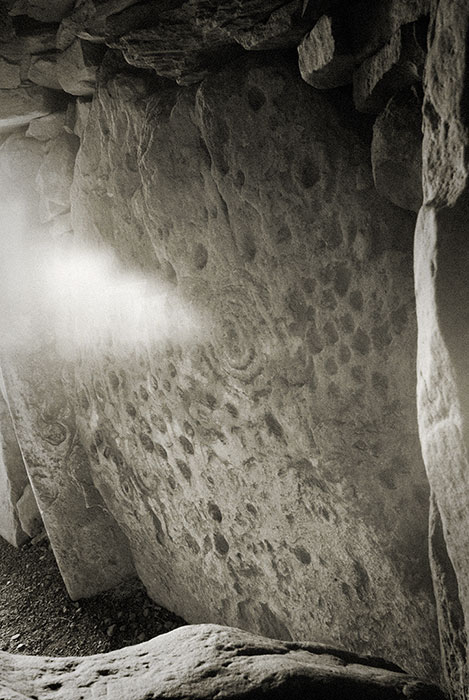
The “energy” seeming to emanate from this stone is coincidental internal camera flare
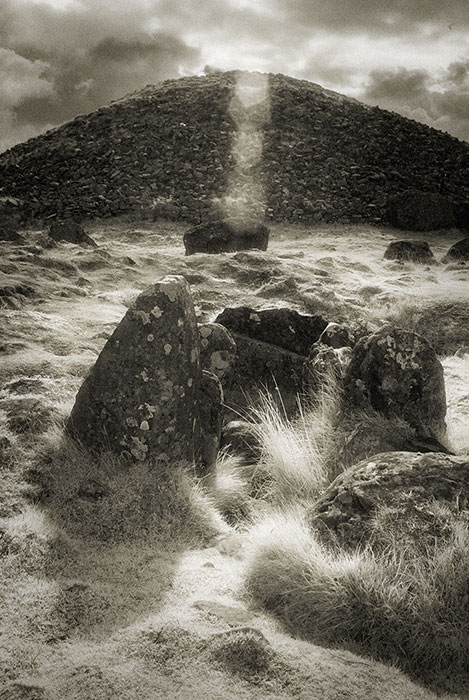
Cairn T with Cairn S in the foreground
Balrath Cross, Co Meath, Ireland
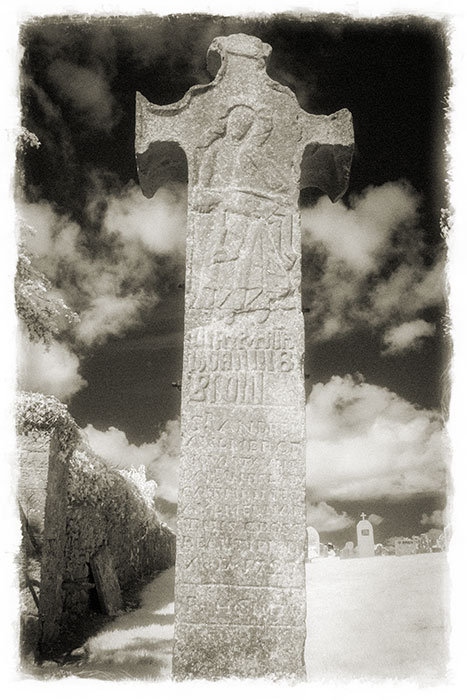
The Pietà and inscription asking for a prayer for the soul of John Broin
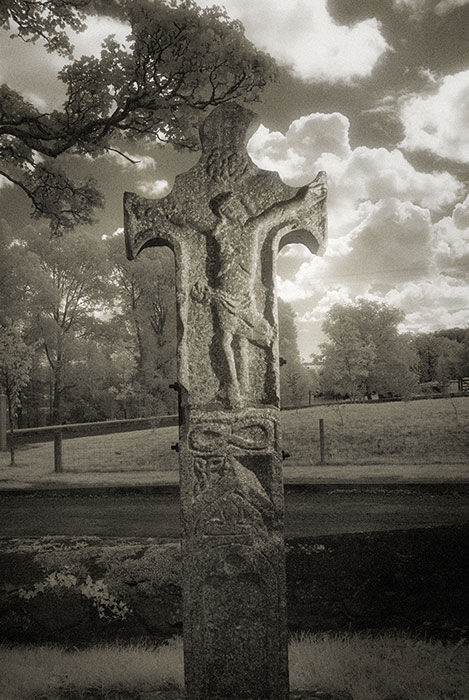
The west face has a crucifixion
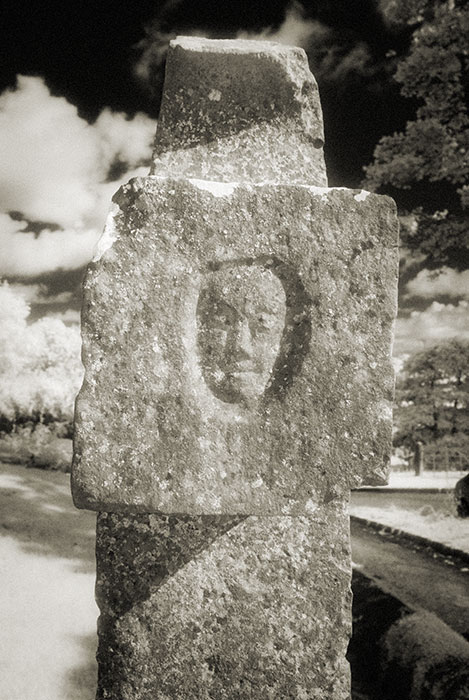
One of the carved arms on the 16th century cross
Kells (Ceanannas Mór) monastery was founded in 554AD by St Columba (St Colmcille).
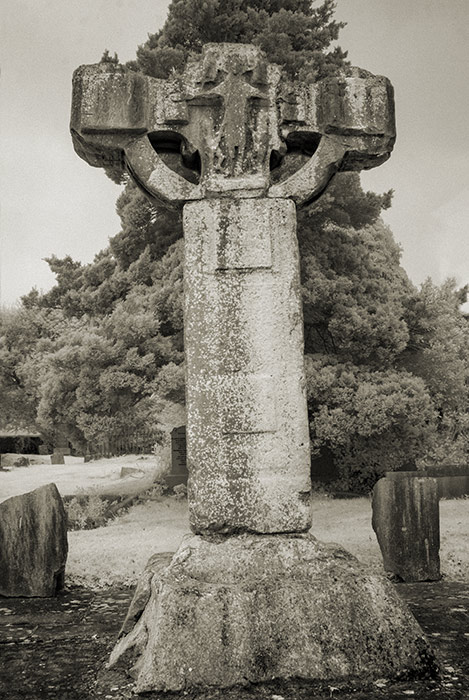
Kells High Cross – The East Cross, east face
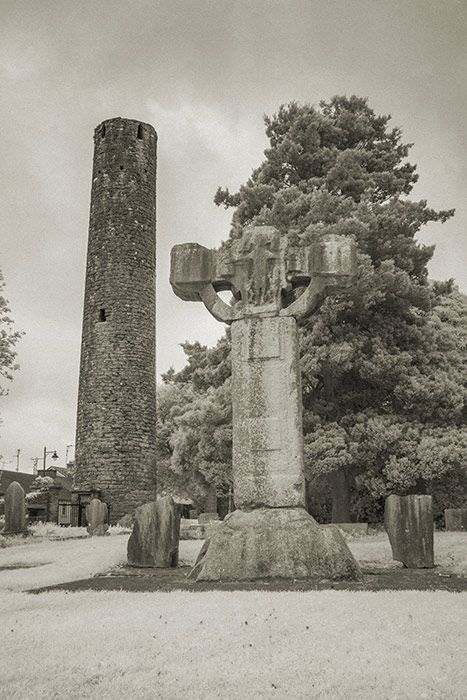
Kells High Cross and Round Tower
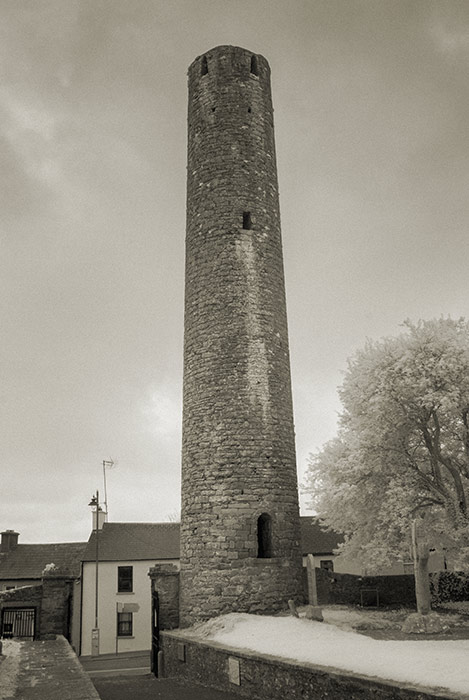
Kells Round Tower, 10th century
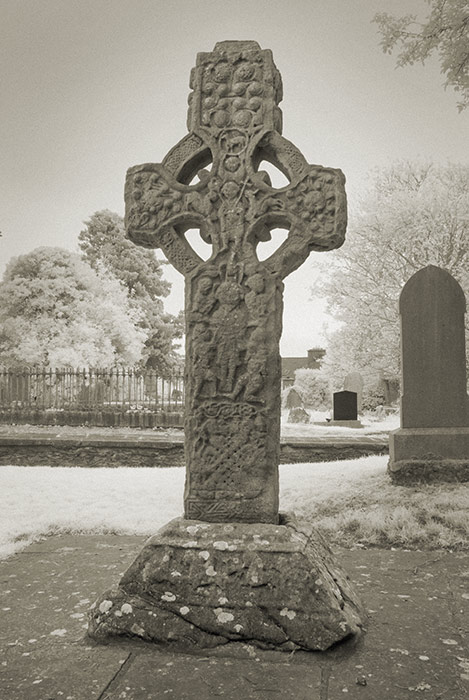
Kells High Cross – The South Cross aka Cross of Patrick and Columba
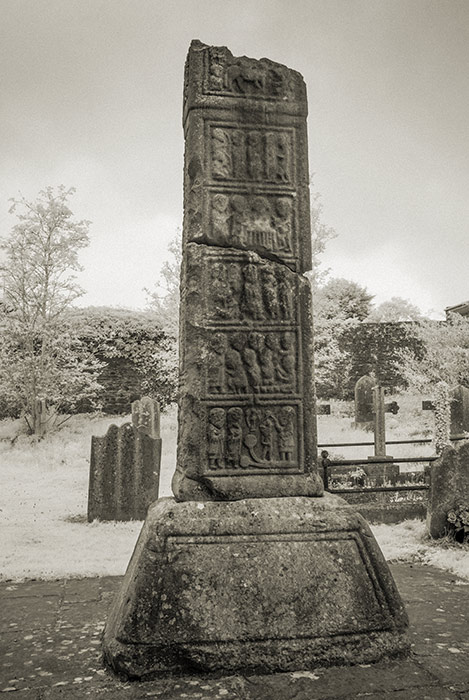
Kells High Cross – The West Cross, west face
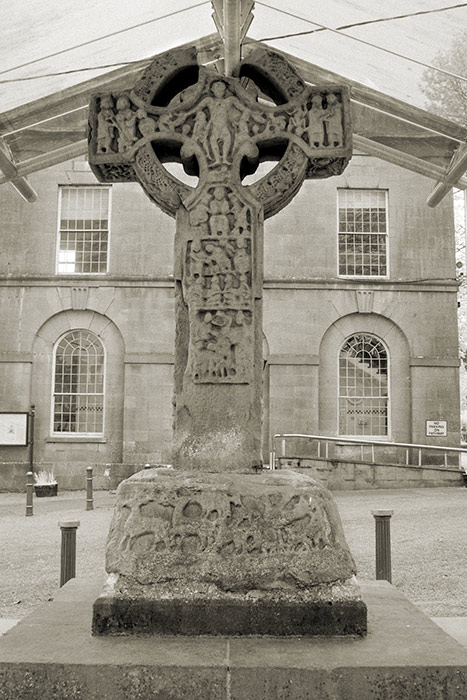
9th century Kells High Cross – The Market Cross, west face.
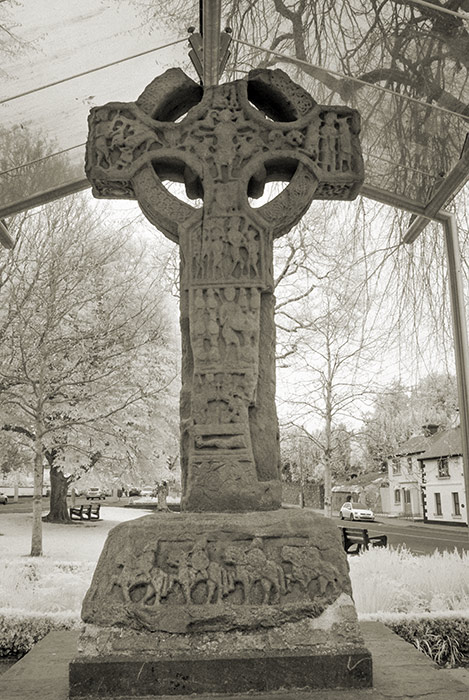
Kells High Cross – The Market Cross, east face
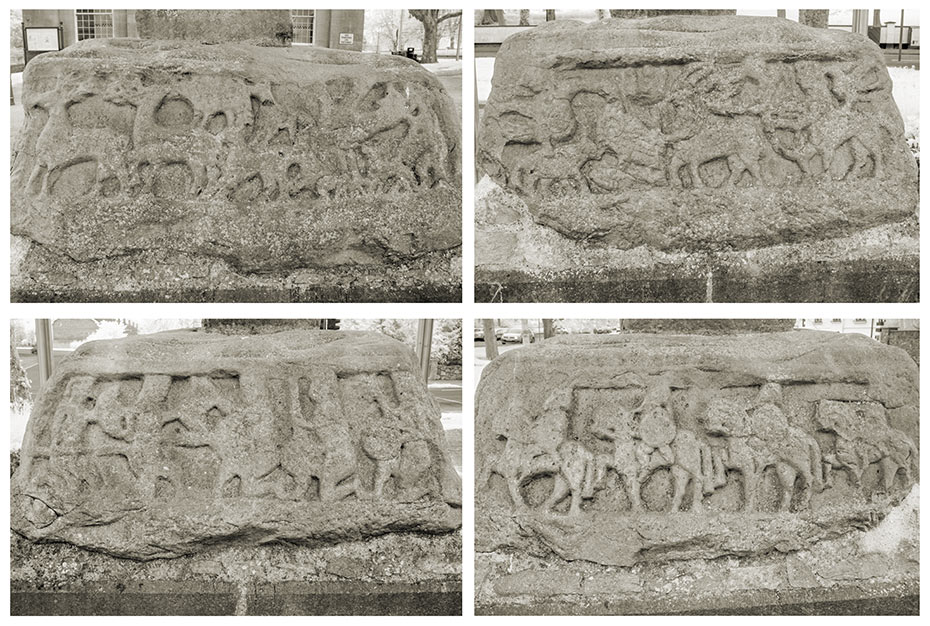
Kells High Cross – the base of the Market Cross
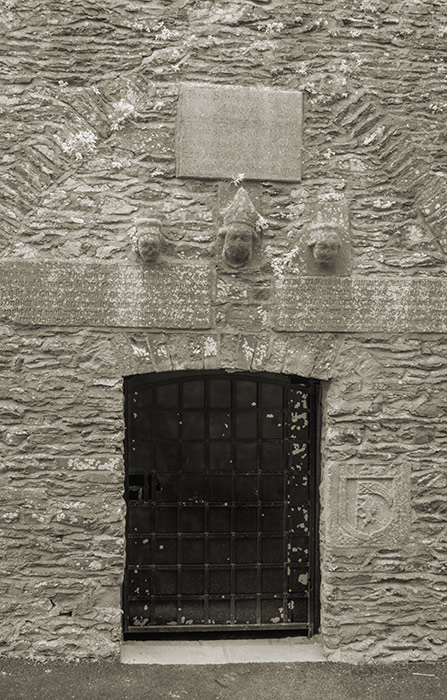
Spire doorway. Kells Monastic Site, Co Meath, Ireland
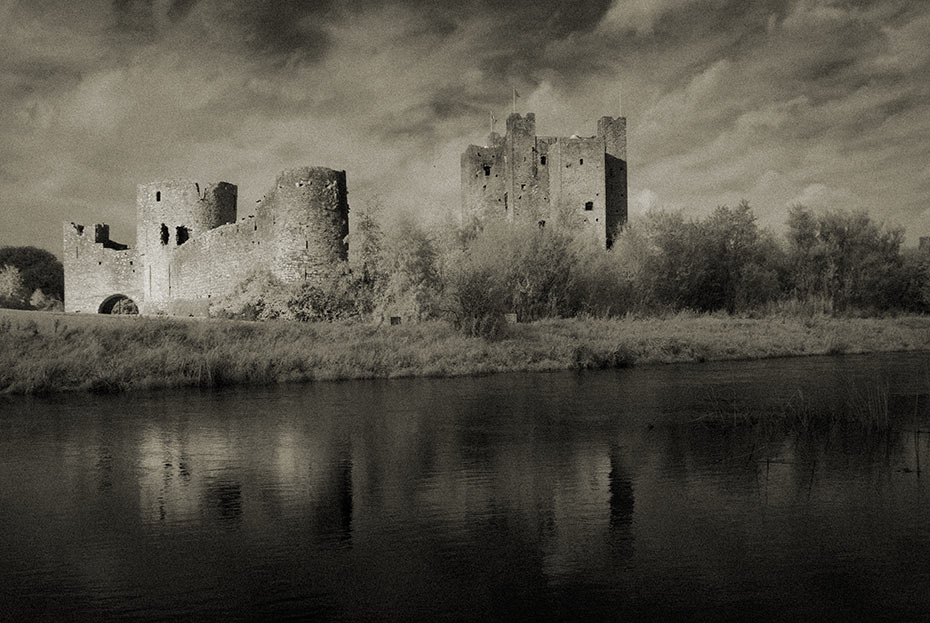
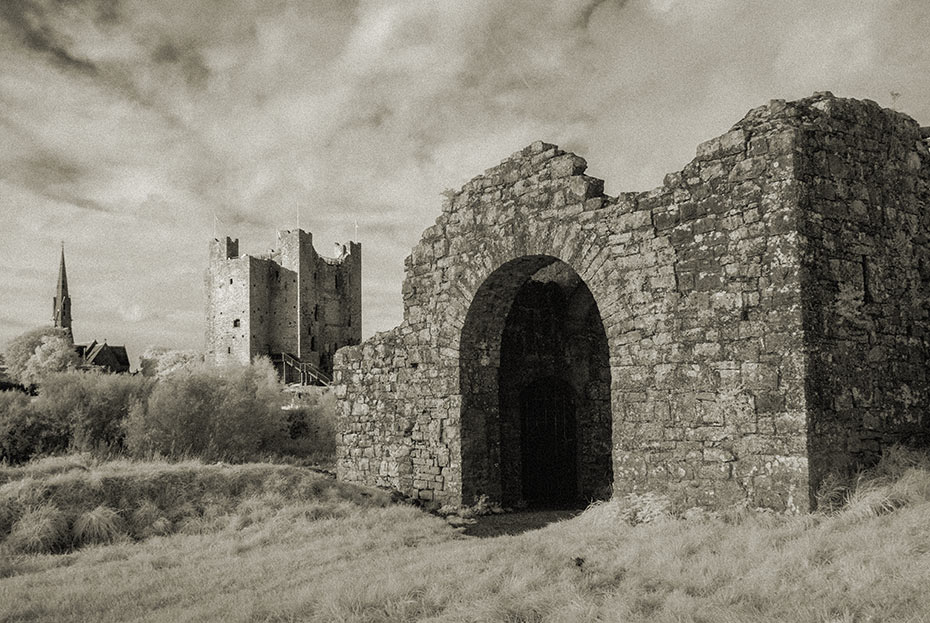
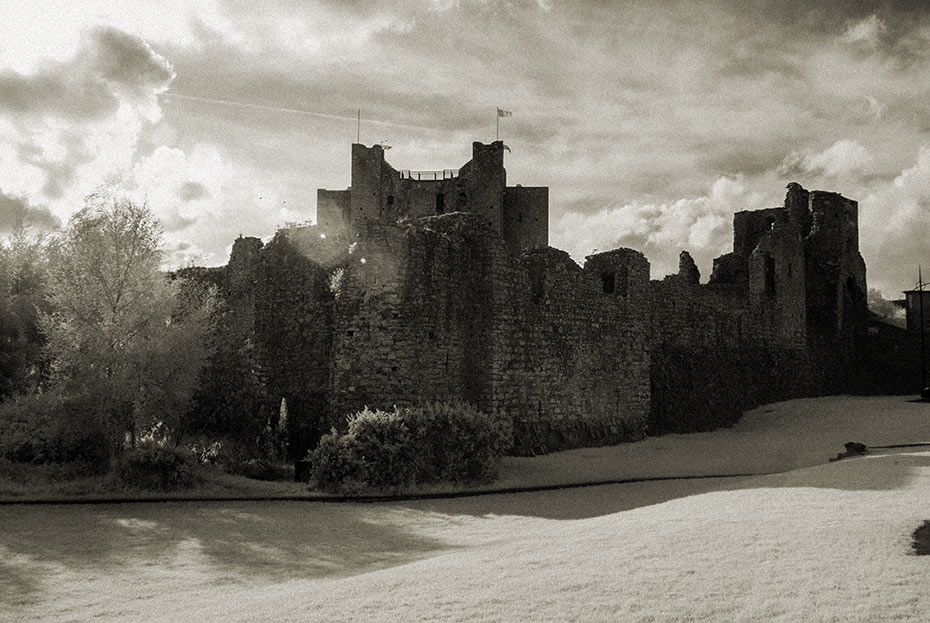
Trim Castle, Co Meath, Ireland
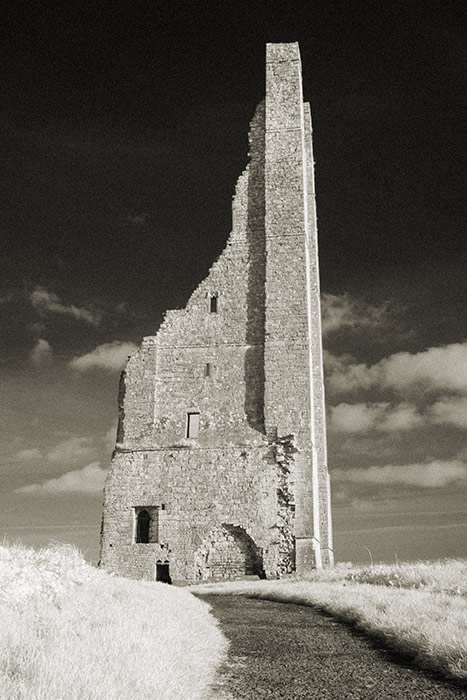
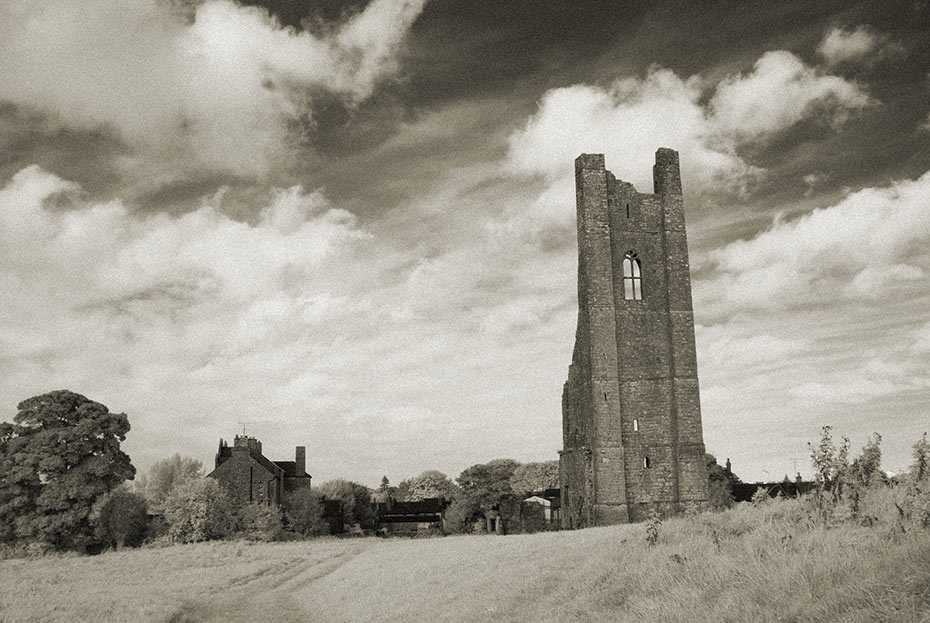
The Yellow Steeple, – St. Mary’s Abbey, Trim, Co Meath, Ireland
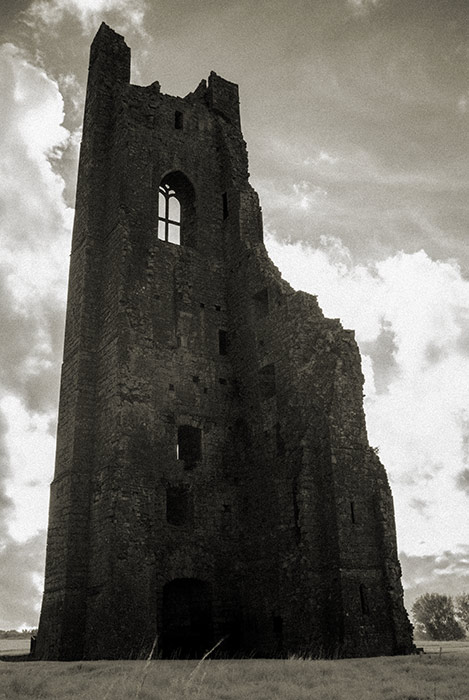
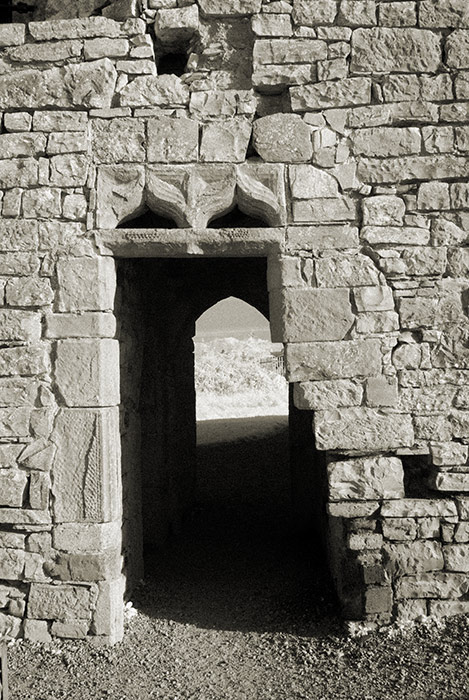
Door detail of St. Mary’s Abbey
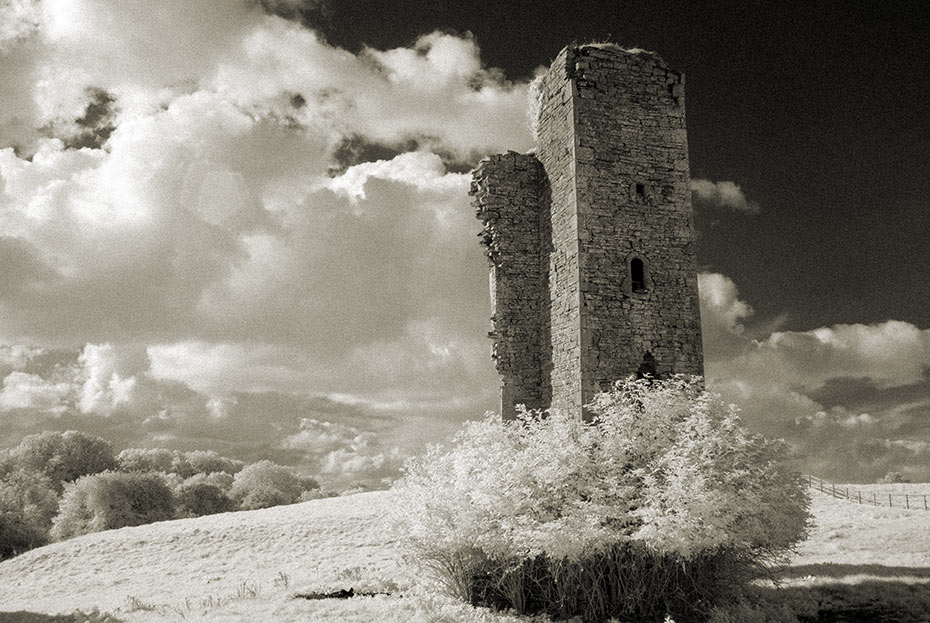
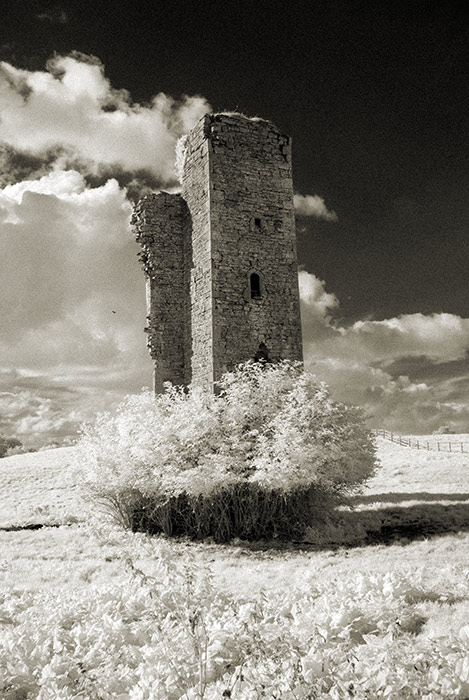
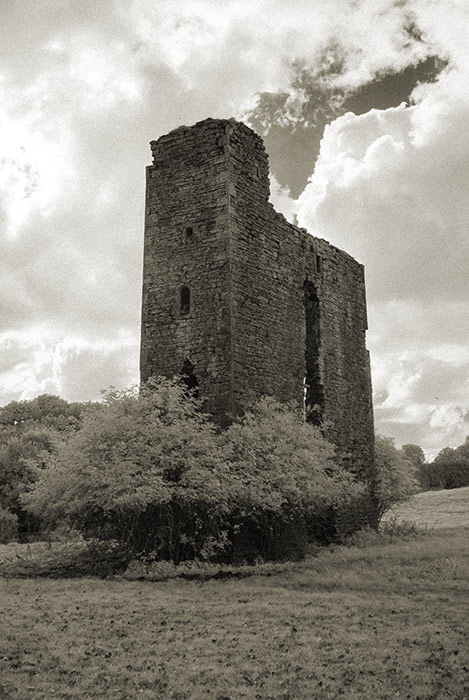
Monkstown Castle, Co Meath, Ireland – Ruin of 15th century tower house
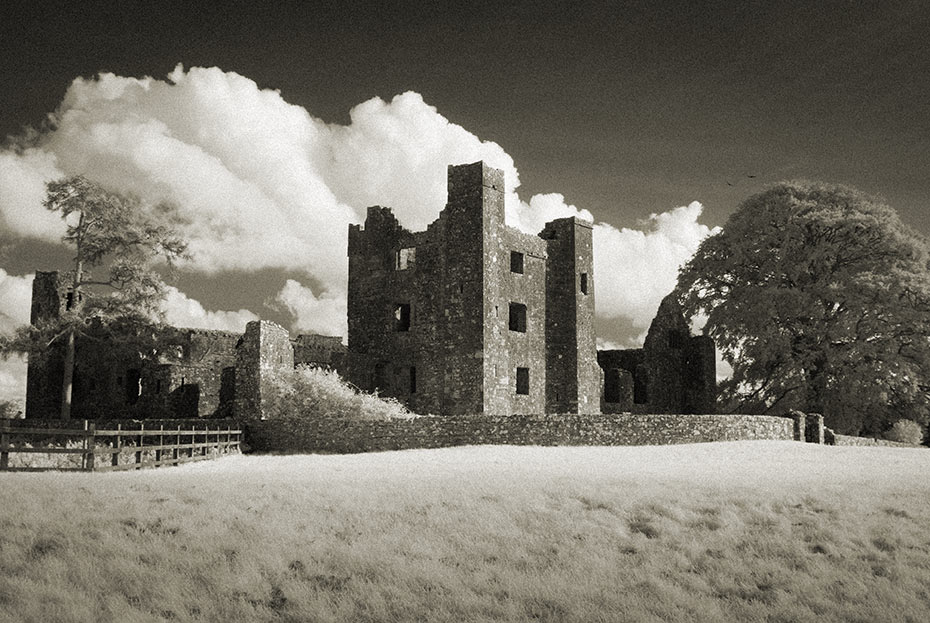
Bective Abbey, Co Meath, Ireland
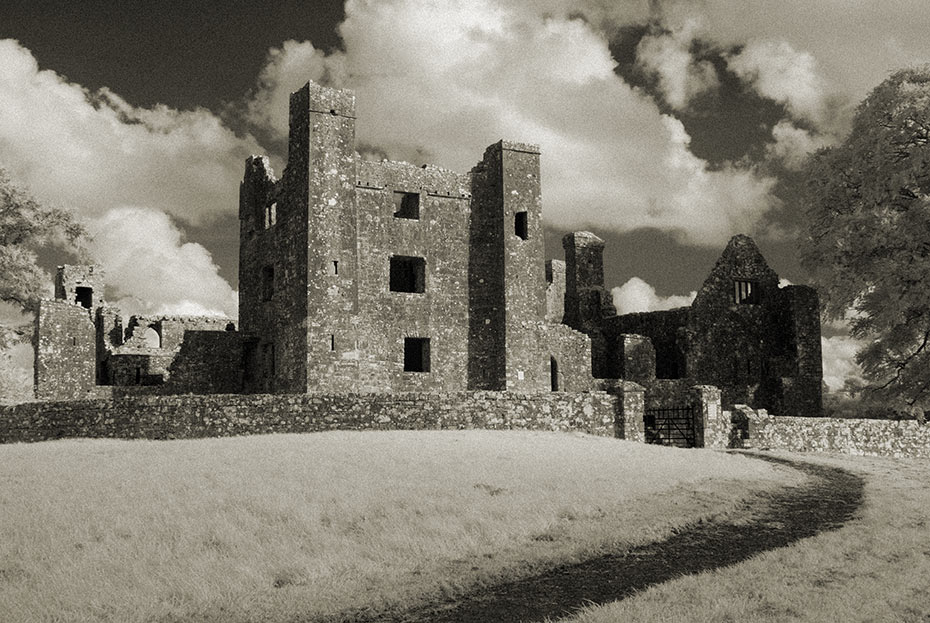
Bective Abbey was founded in 1147 for the Cistercians by Murchadh O’ Melaghin, King of Meath and was dedicated to the Blessed Virgin
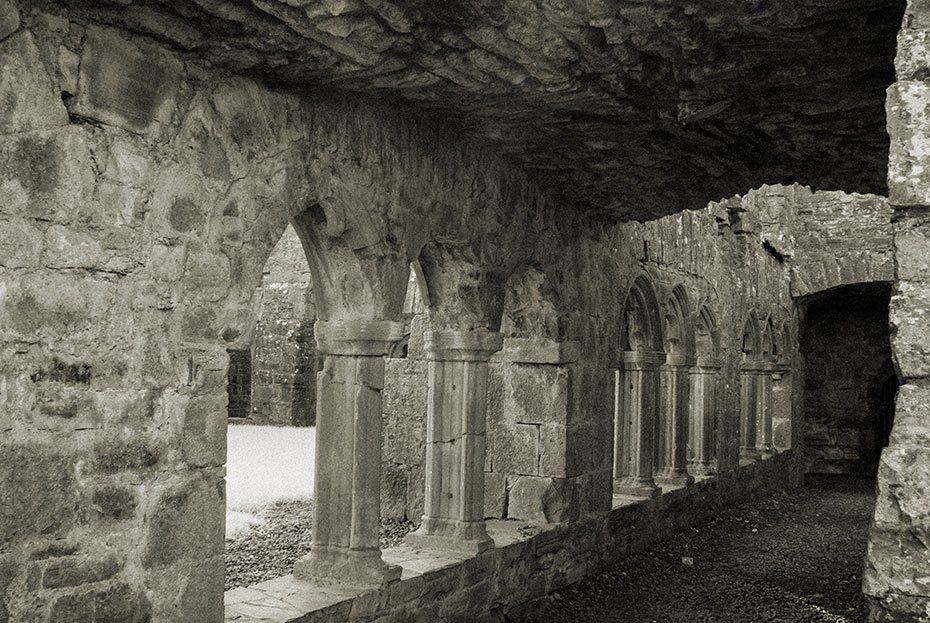
The Cloister
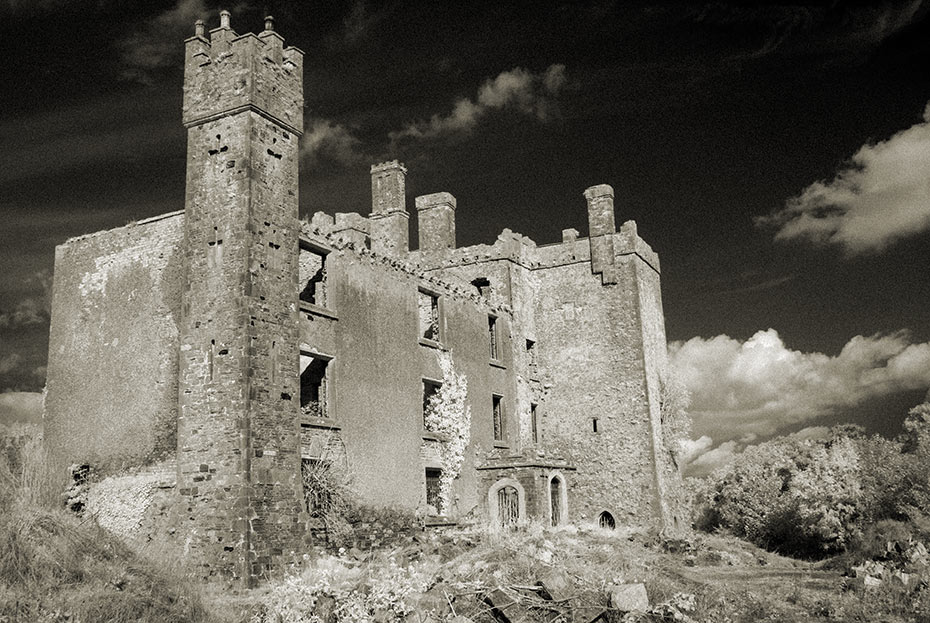
The ruin of Athcarne Castle, Co Meath, Ireland. Built by William Bathe in 1590
The White Cross (Athcarne Cross) erected in circa 1675 by Dame Cecilia Bathe as a memorial to herself and her husband Sir Luke Bathe who rented Athcarne Castle – it having been seized by Cromwell from the Bathe family.
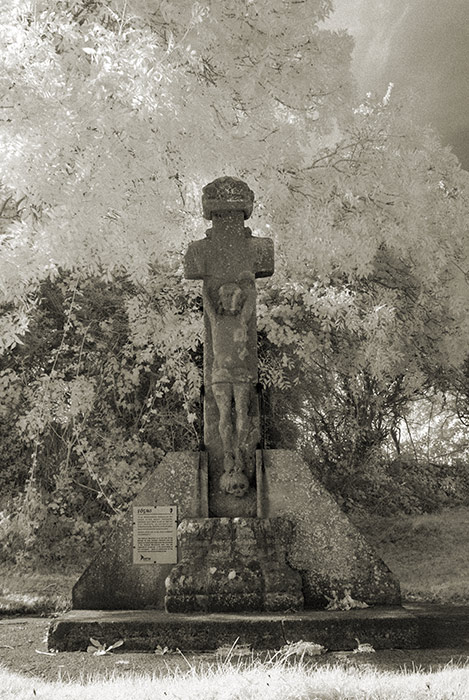
The east face of the cross depicted the Crucifixion of Jesus with his arms held high above the head along the shaft of the cross and feet on a skull and crossbones.
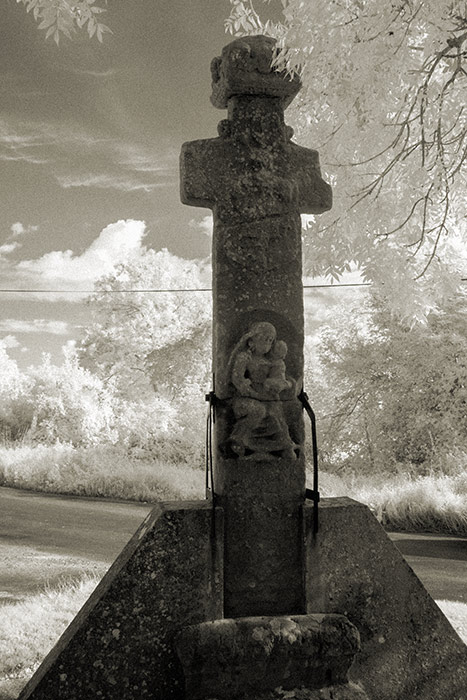
The west face with the Madonna and Child, with weathered carving of the arms of the Bathe and Dowdall families
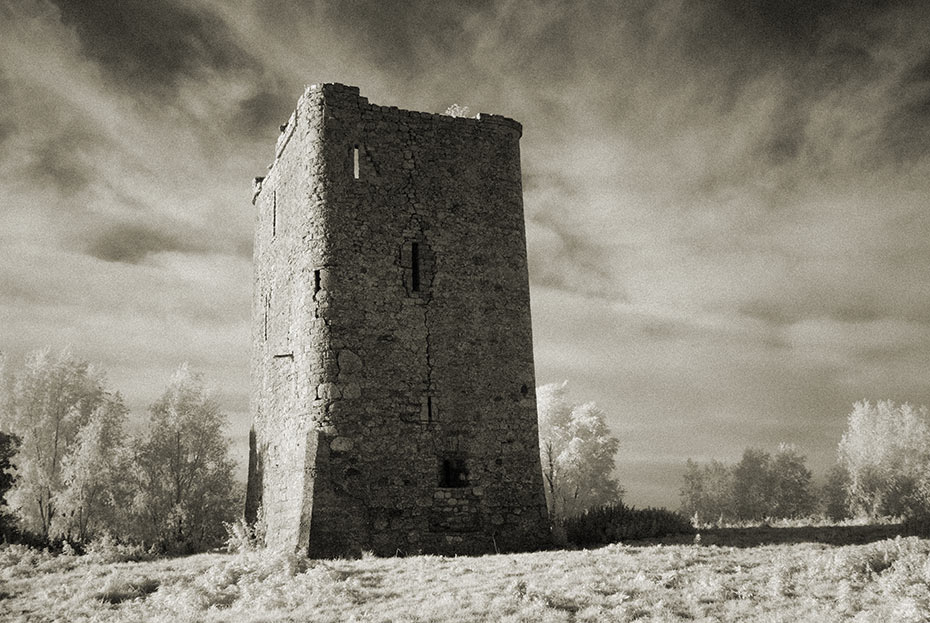
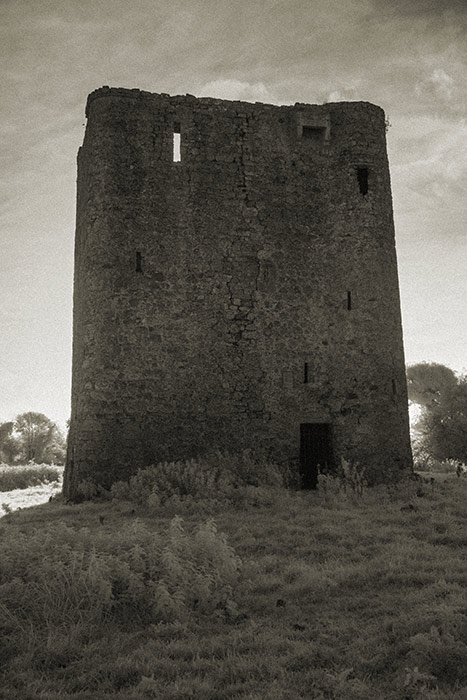
Donore Castle, Co Meath, Ireland
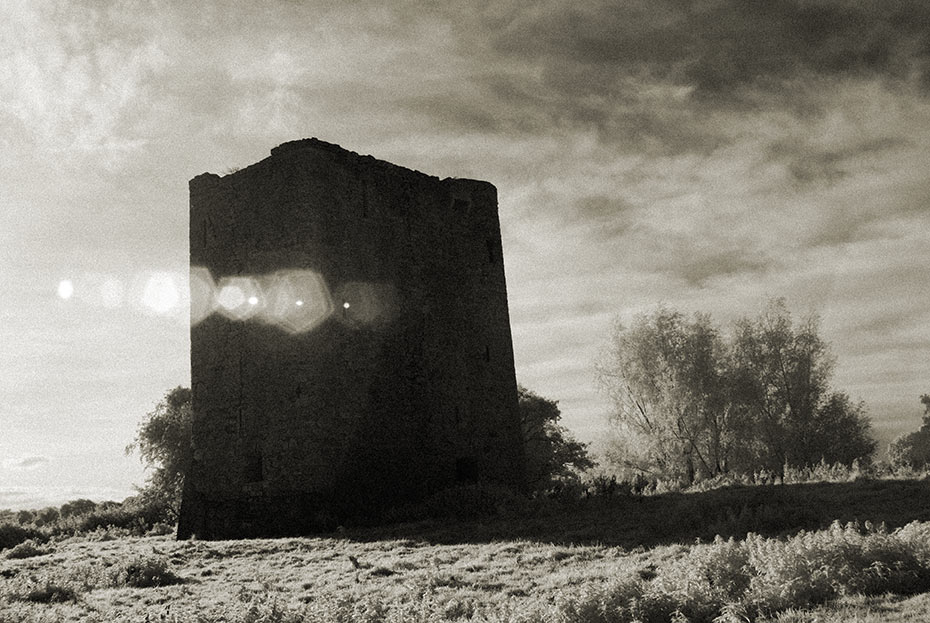
Three storey tower house near the river Boyne
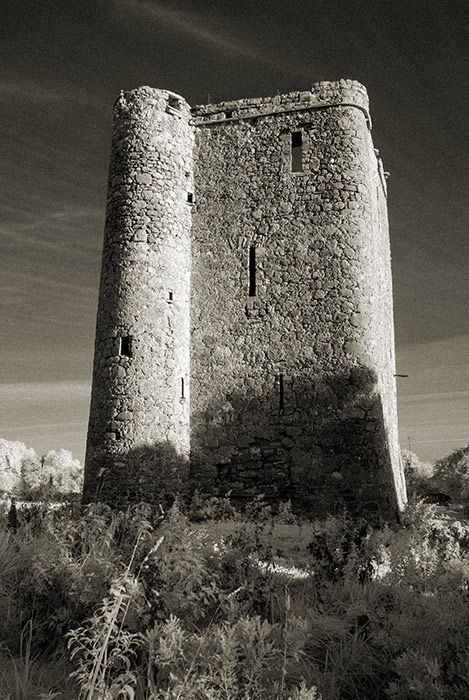
Round tower on the corner housing a stairway
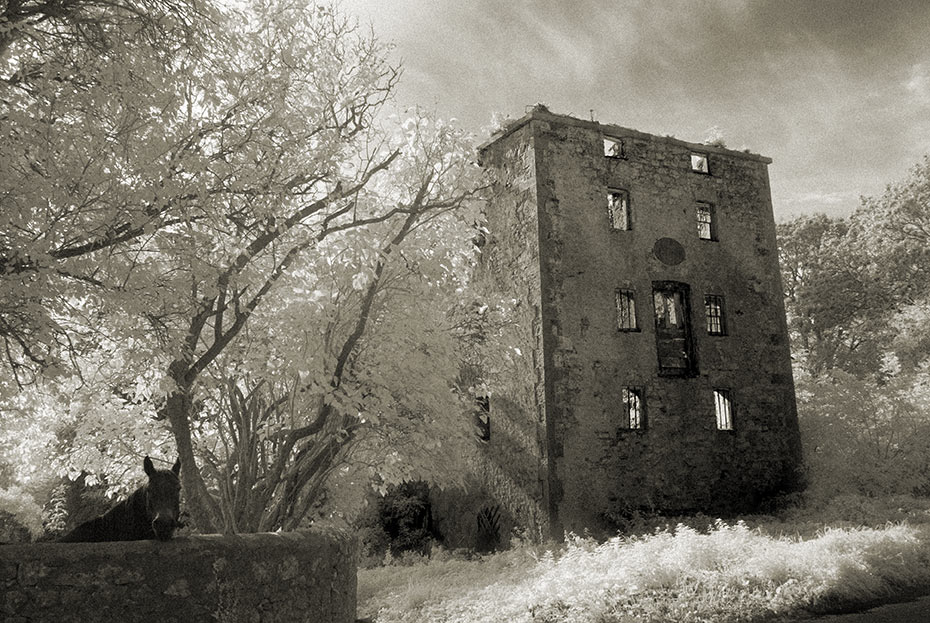
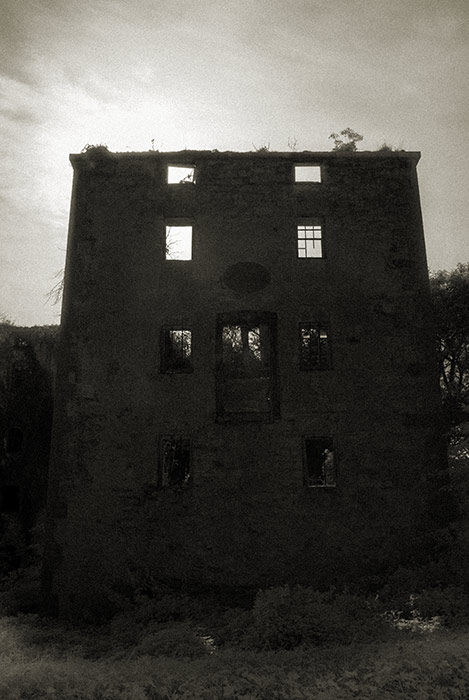
Old cornmill, Balrath, Co Meath, Ireland
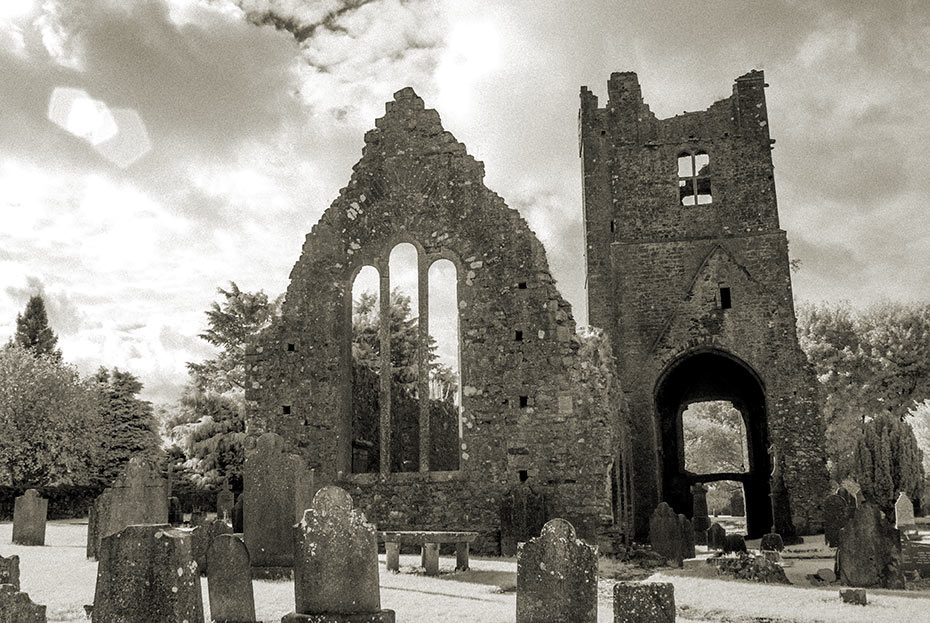
St Mary’s Abbey, Duleek, Co Meath, Ireland
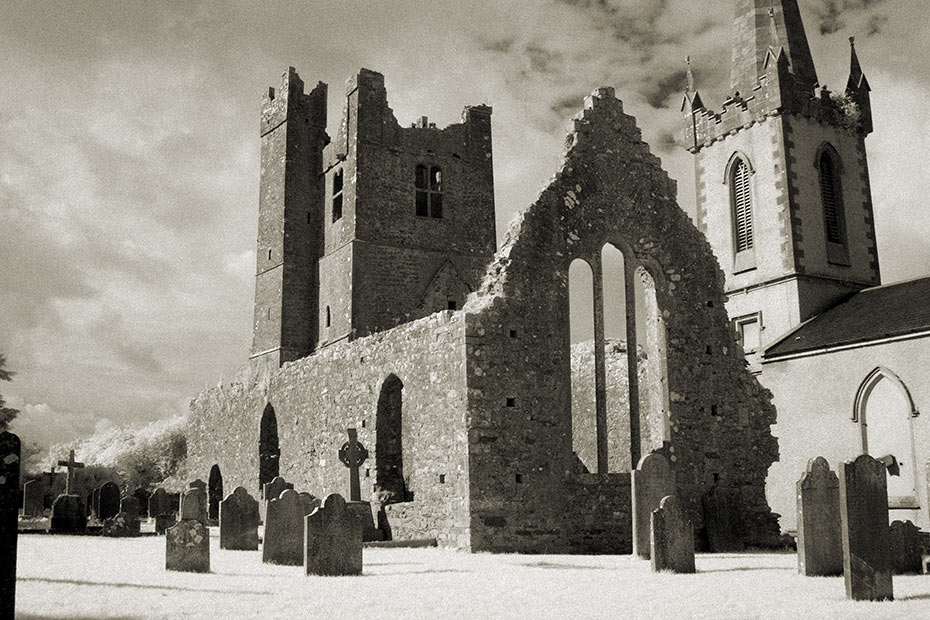
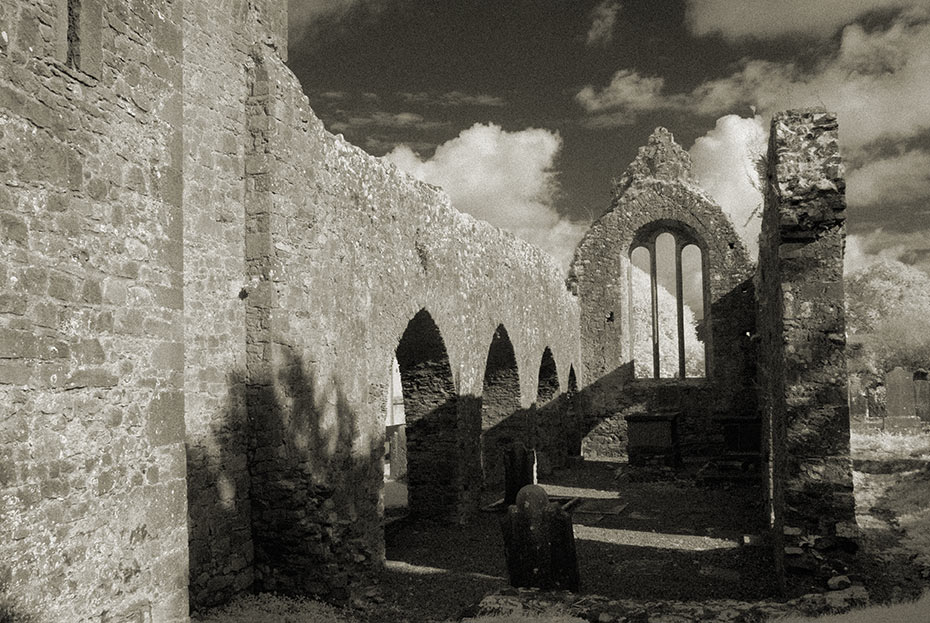
Parts of the ruin date from the 13th century
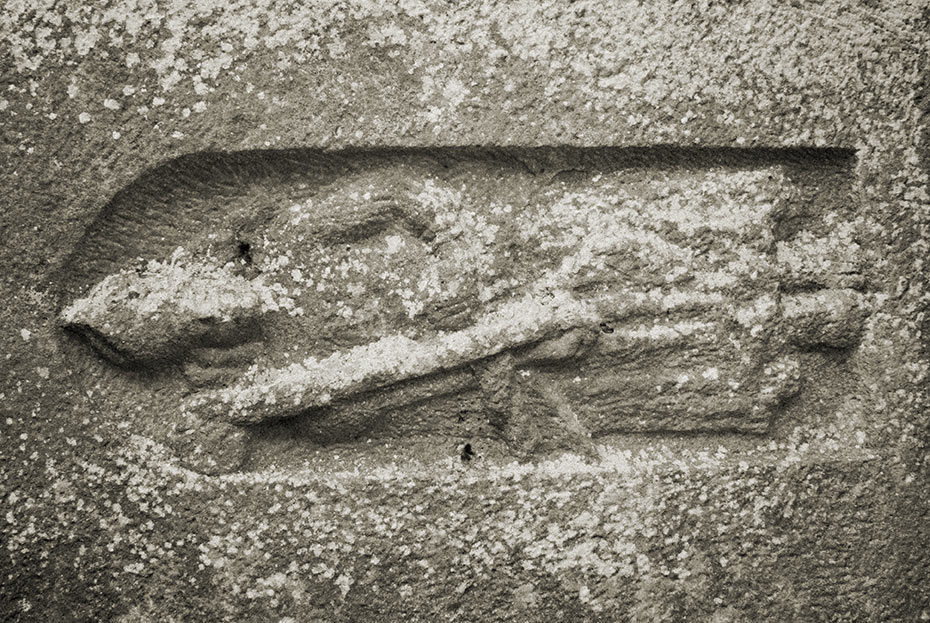
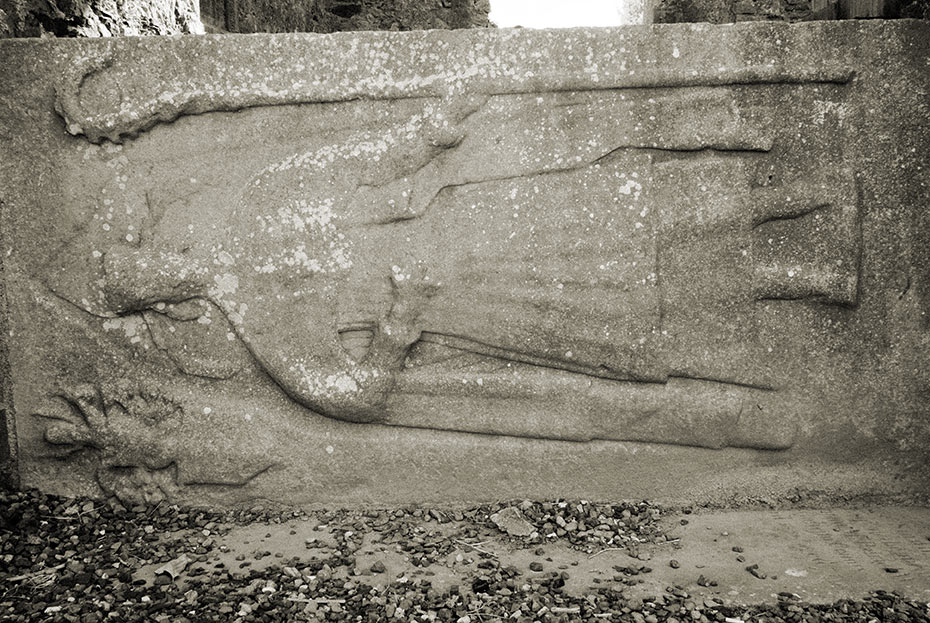
Bishop of Meath 1679-1688 effigy slab
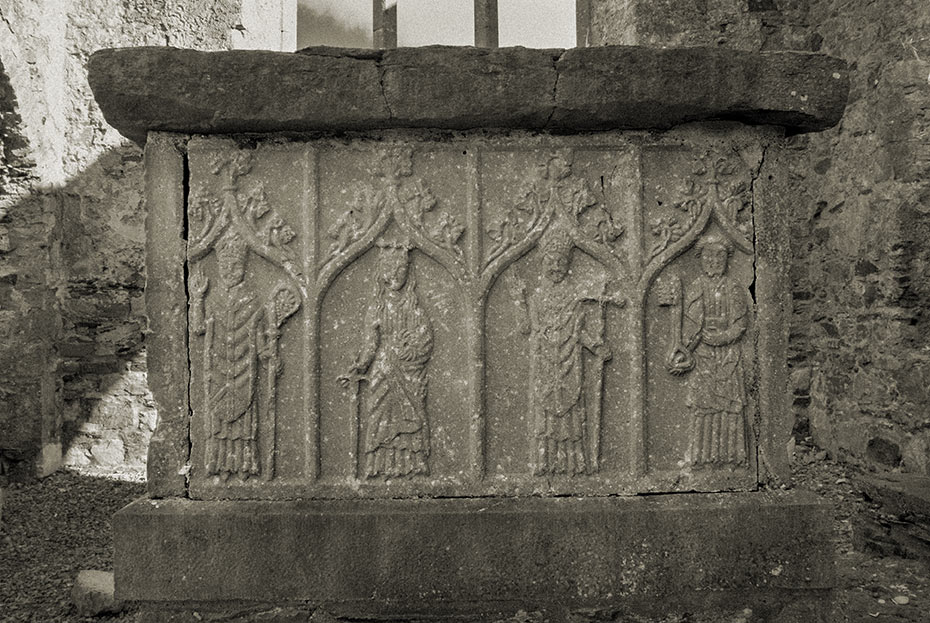
17th century decorated tomb
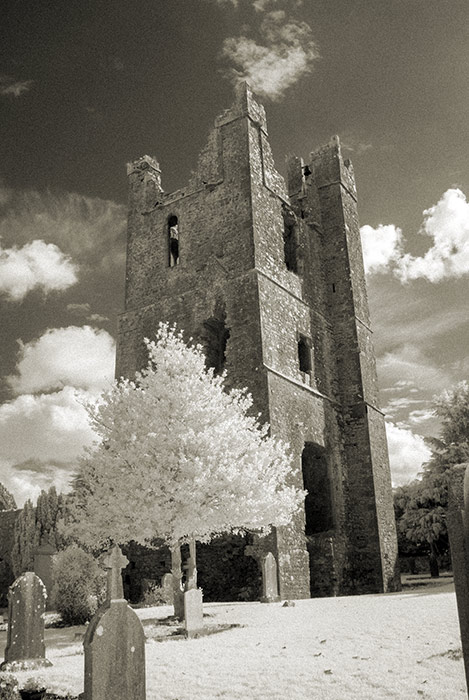
15th century bell-tower
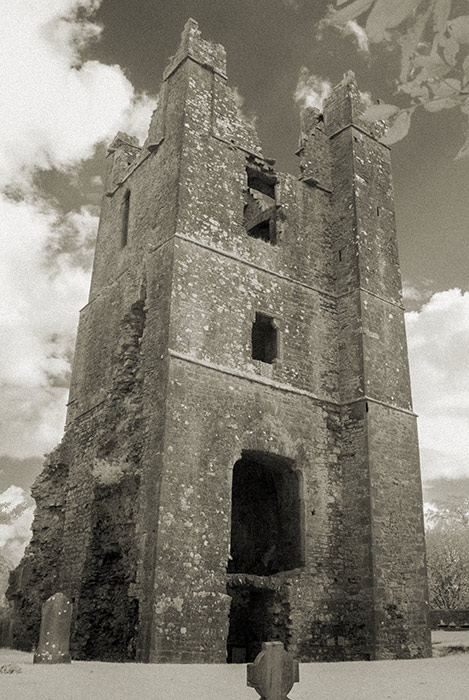
The tower shows an imprint of a round tower
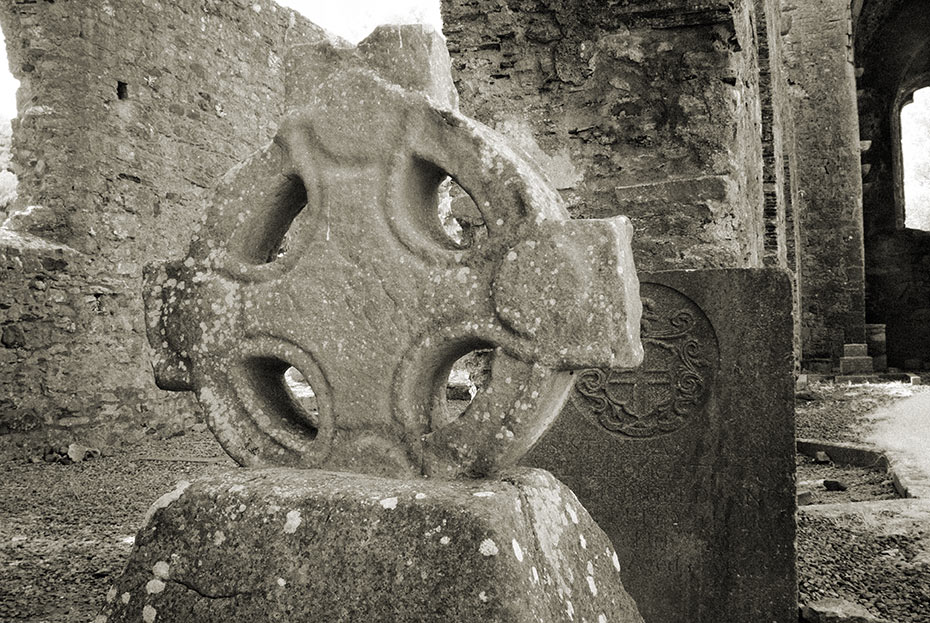
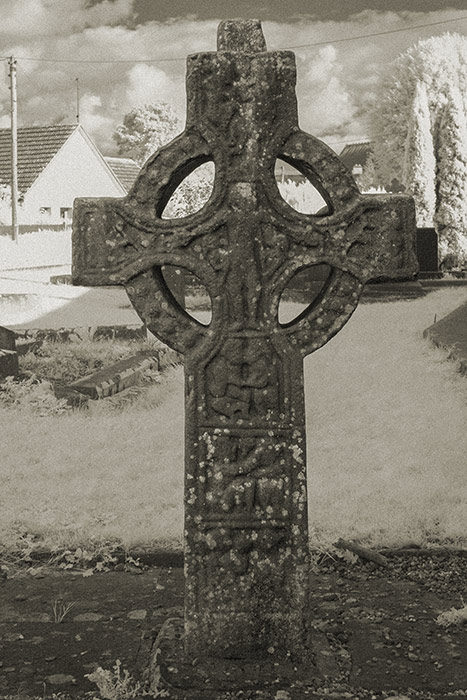
The head and base of a 10th century High Cross (The south cross)
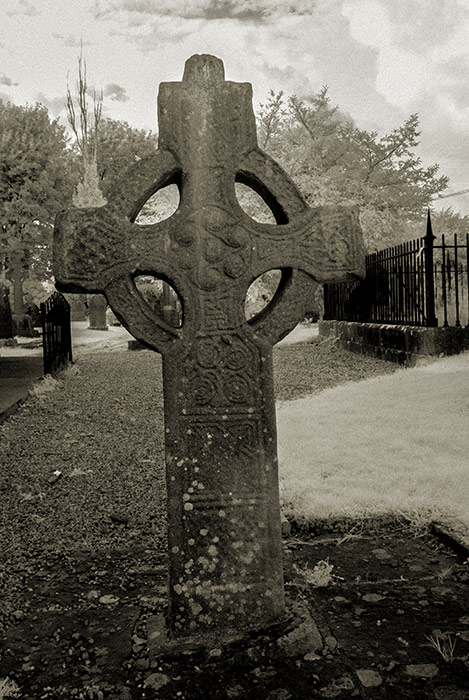
The north High Cross
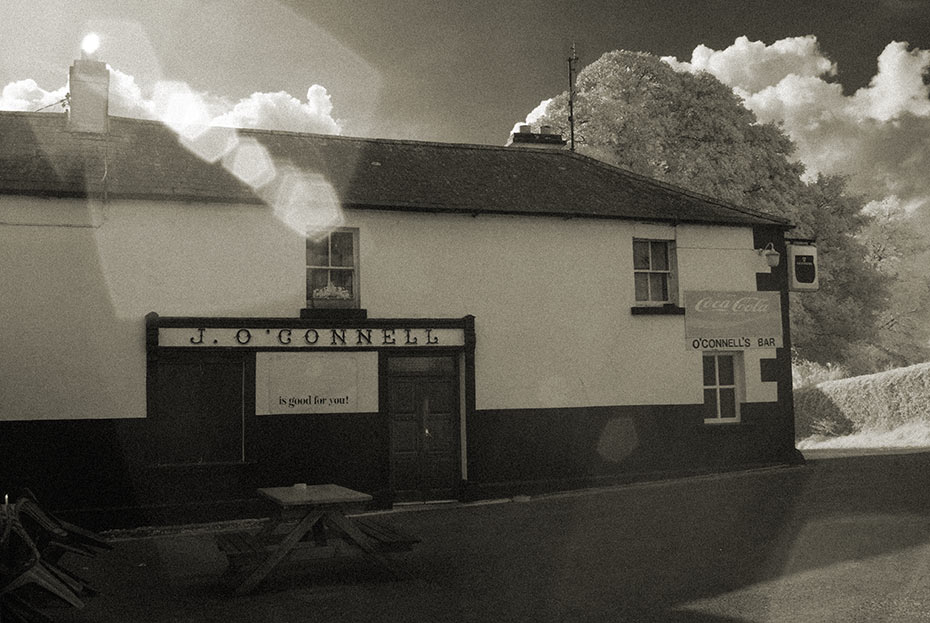
O’Connell’s Bar, Skreen, Co Meath, Ireland
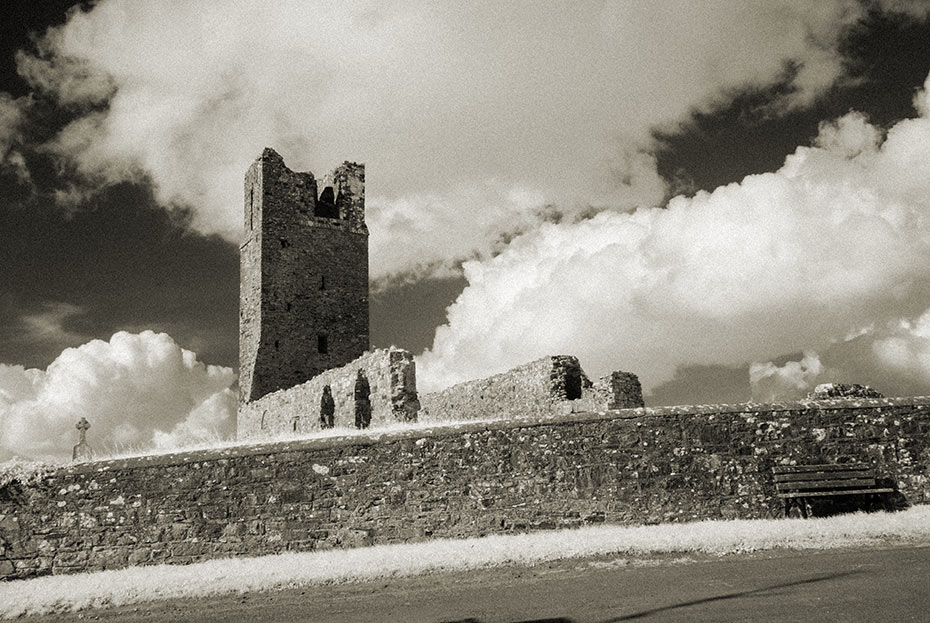
The view from O’Connell’s Bar of Skreen church ruin
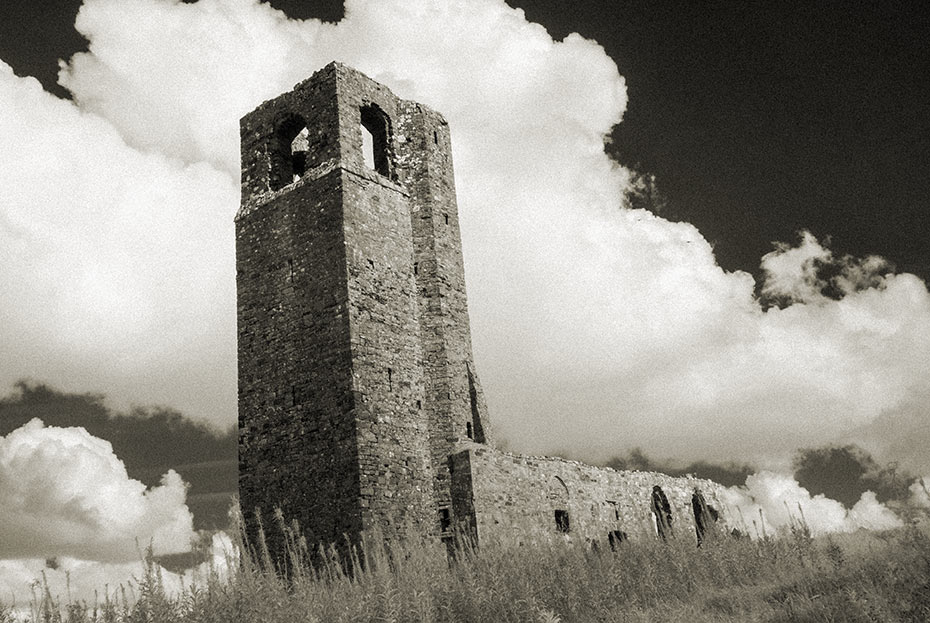
Skreen/Skryne (from An Scrin – The Shrine) Church, Co Meath, Ireland
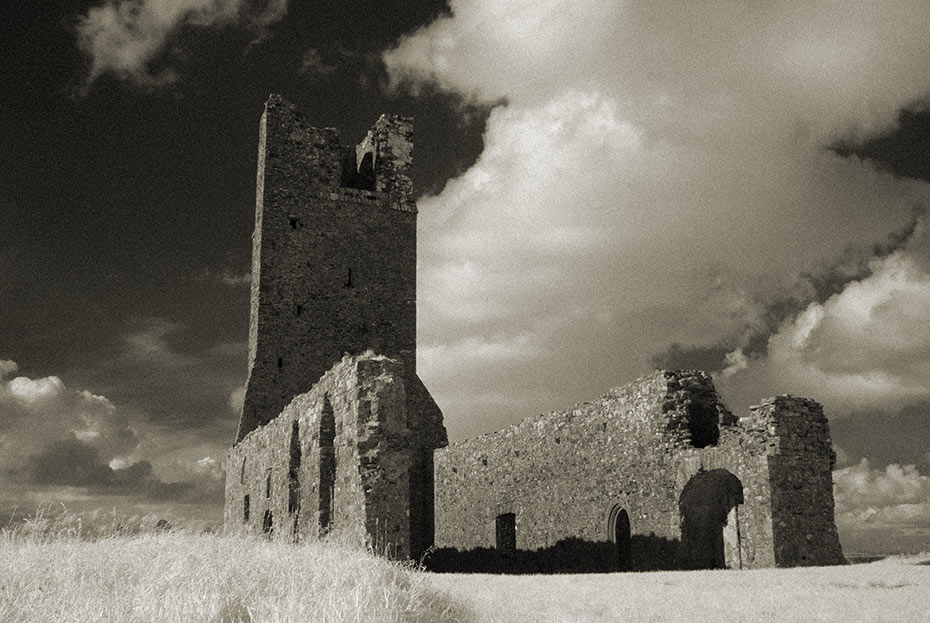
This is the ruin of the 15th century church built on the site of an earlier monastery.
In 875 the relics of St Colmcille were brought here for safe keeping but the shrine was robbed in 1027 (later recovered)
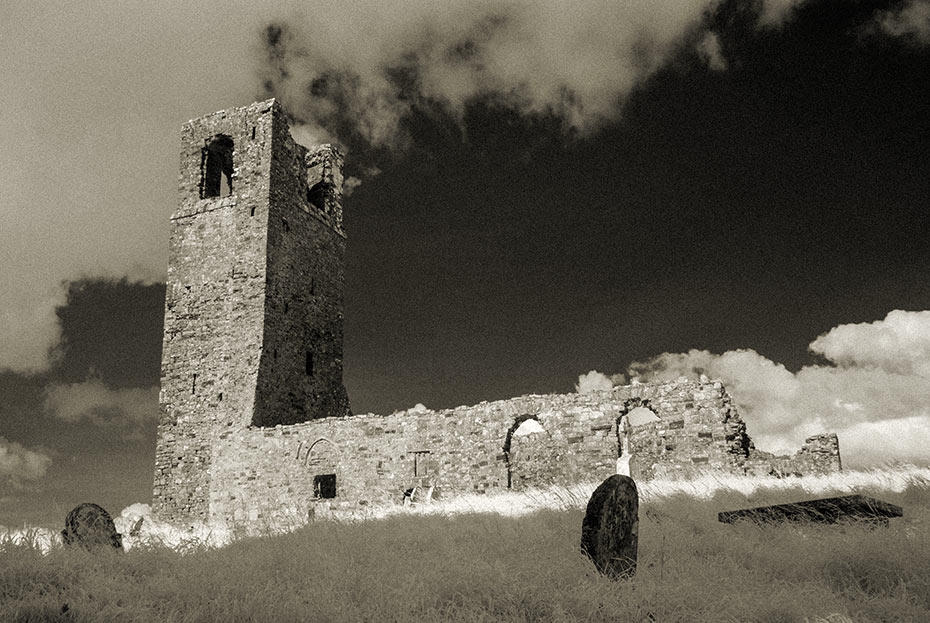
The church is the ruin that’s visible in the east from the Hill of Tara
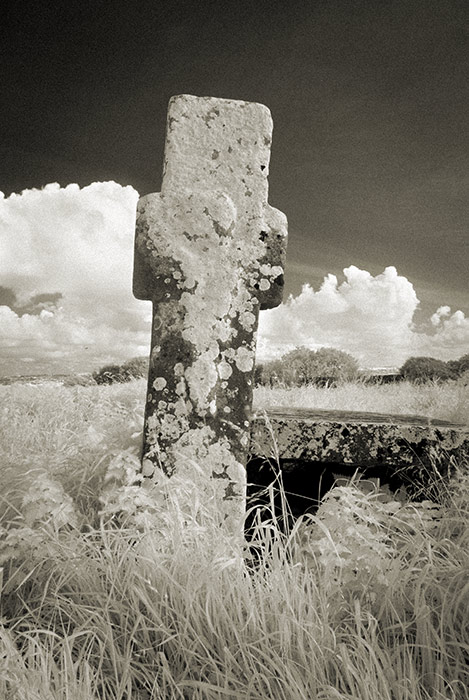
Medieval cross with very weathered Crucifixion carving on its west face
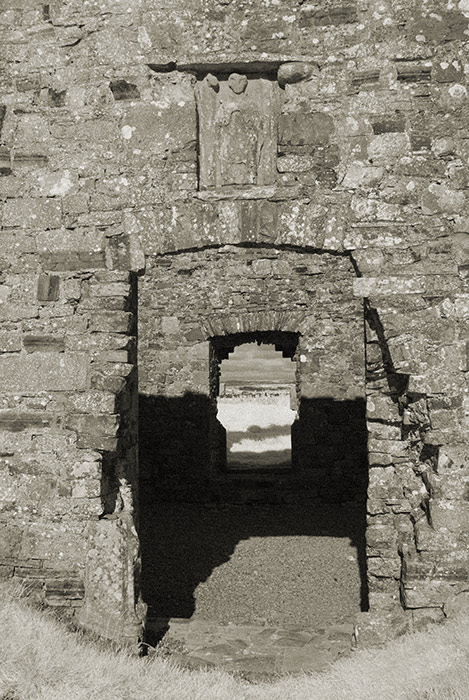
South door with 14th century carving of a bishop
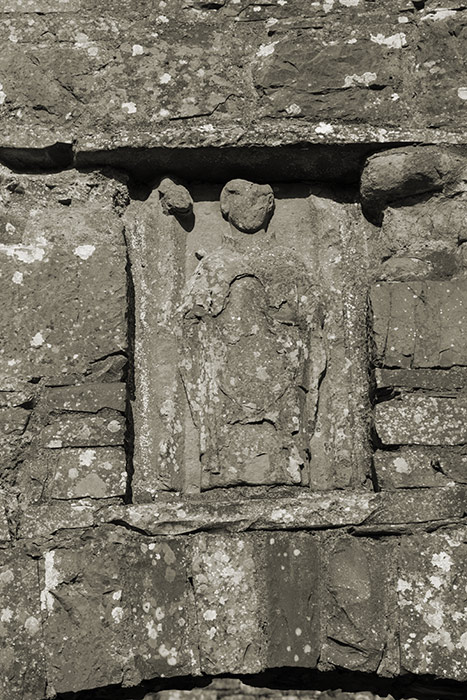
Detail of the worn carving
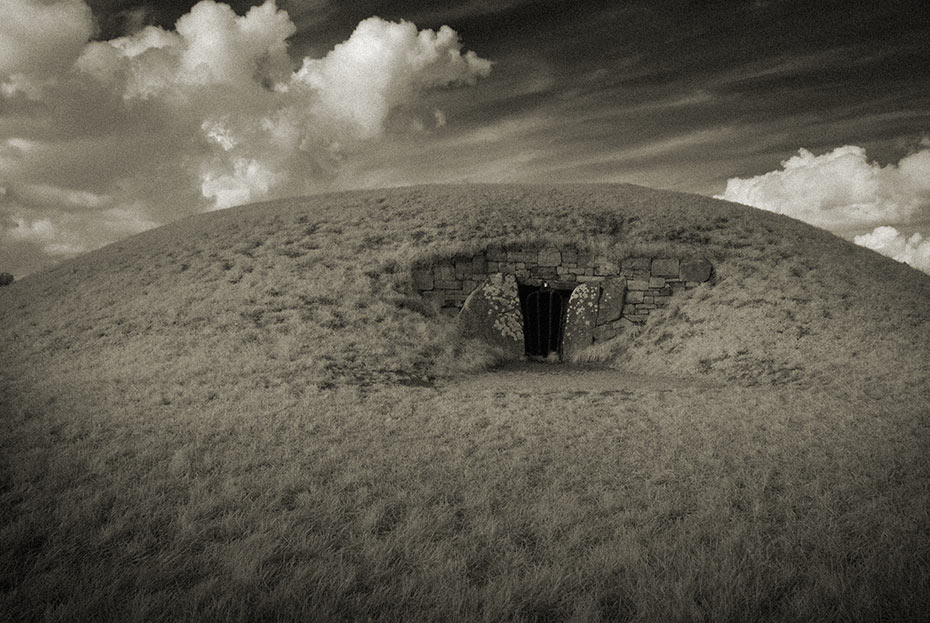
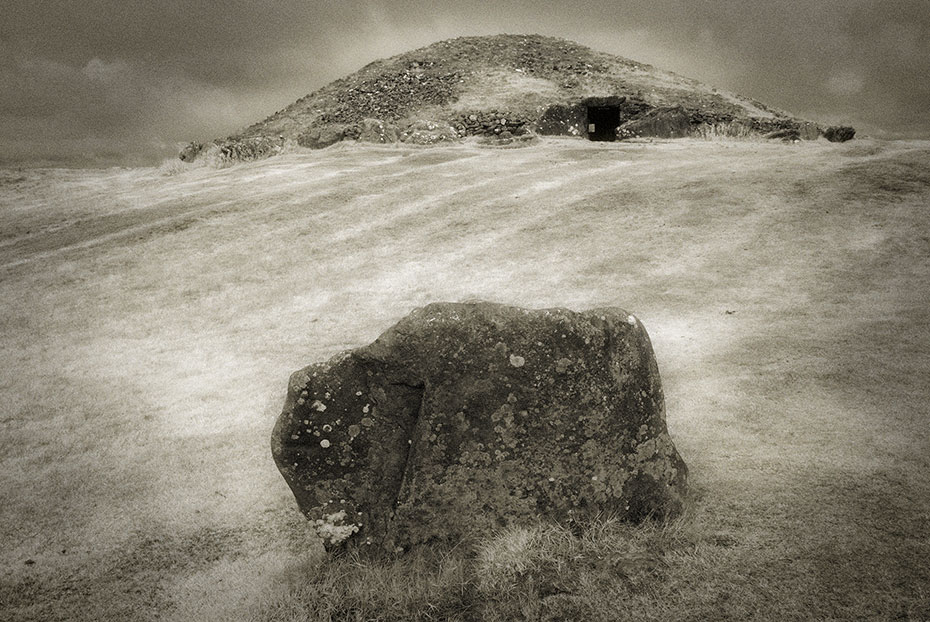
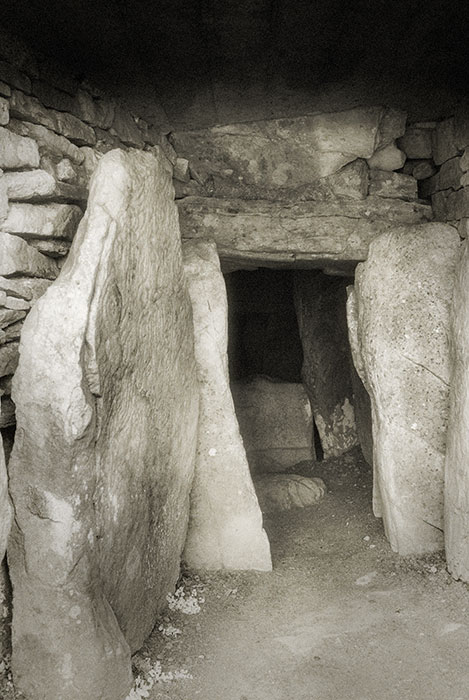
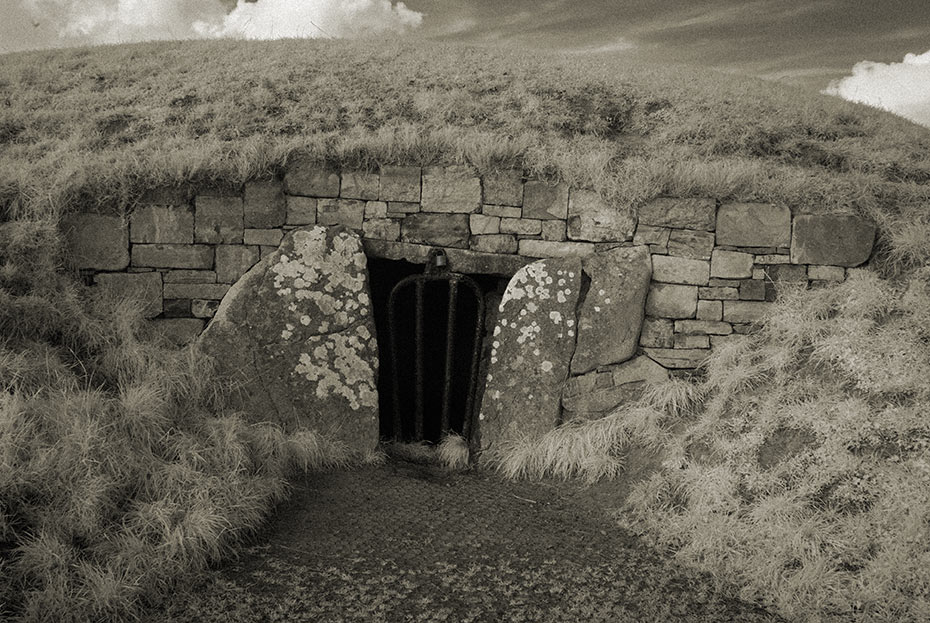
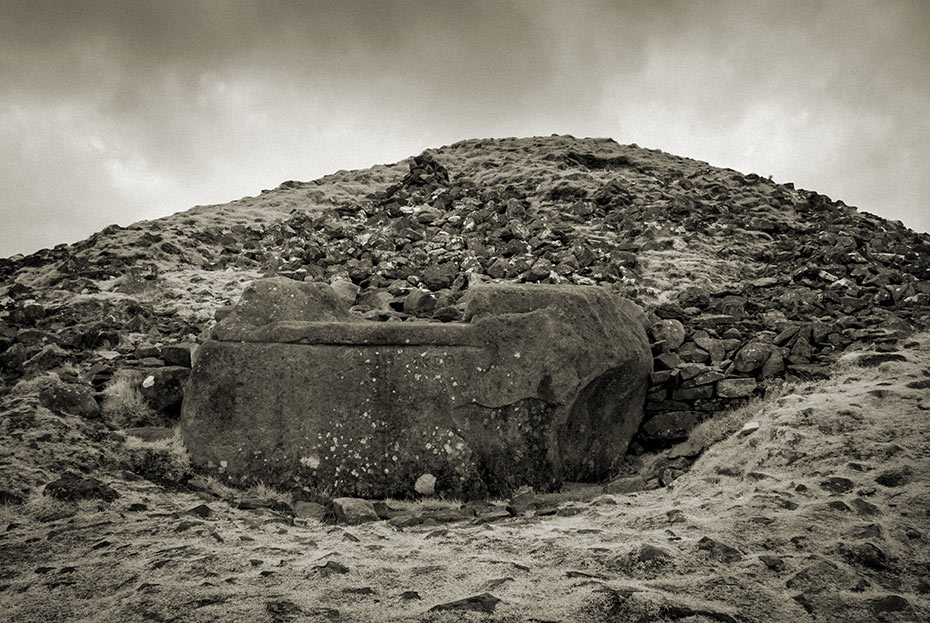
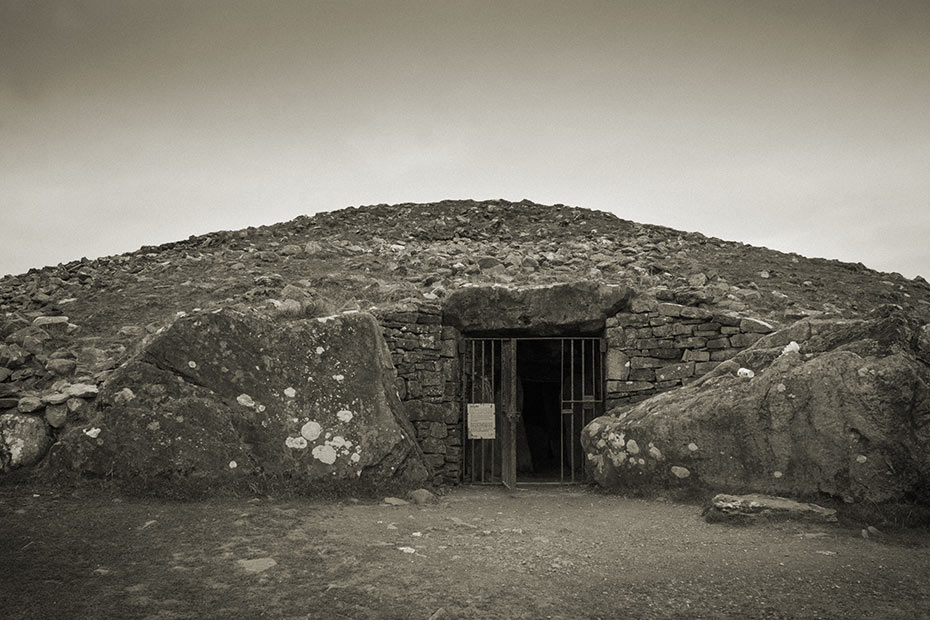
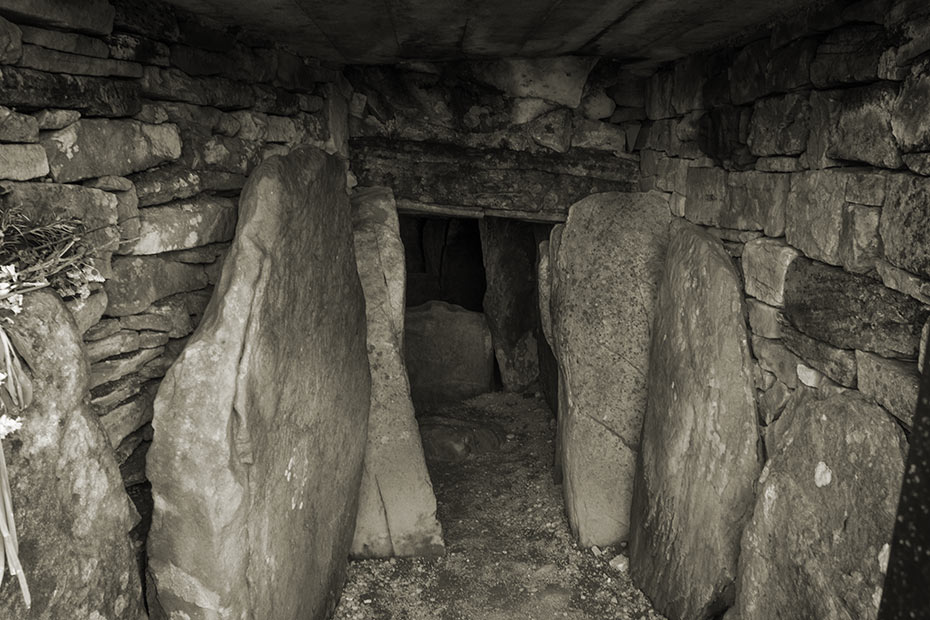
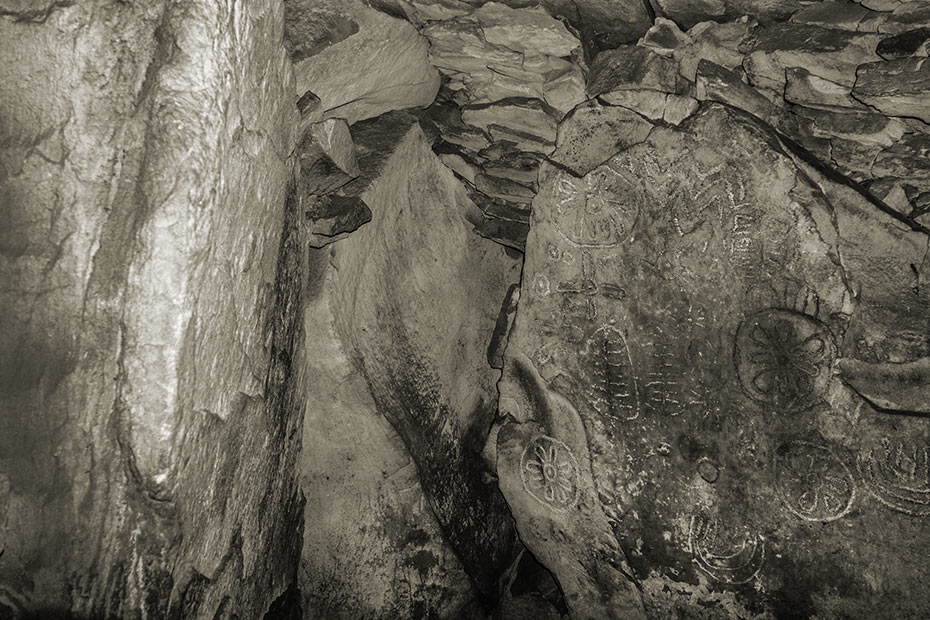
Mound of the Hostages (Duma na nGiall) on the hill of Tara, Co Meath, Ireland
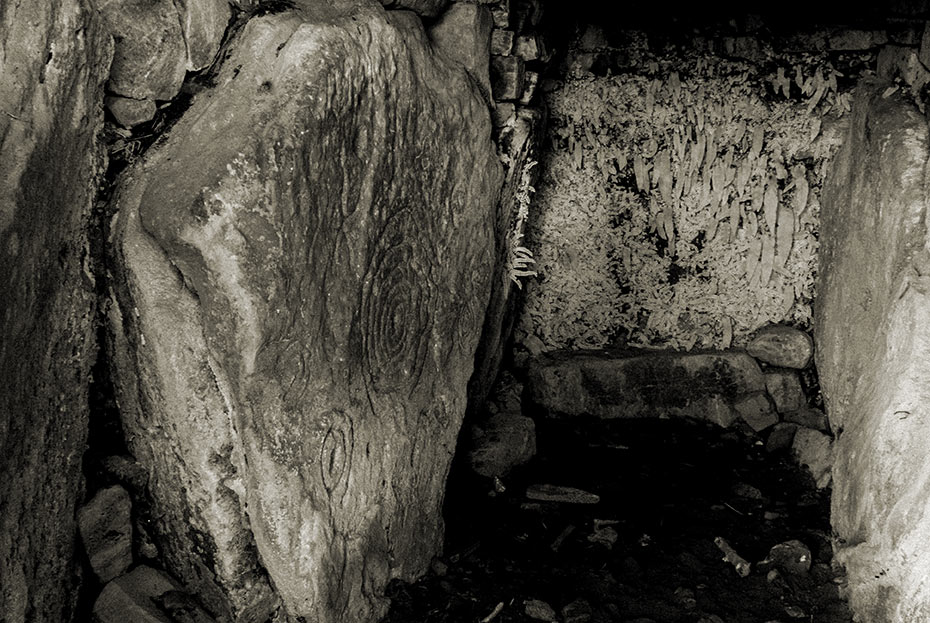
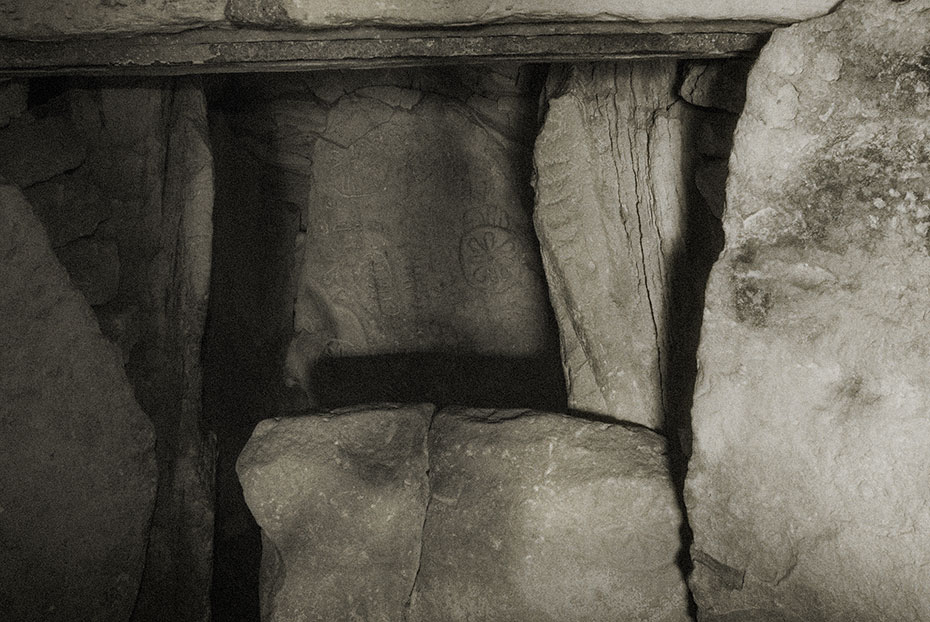
Decorated orthostat in the tomb
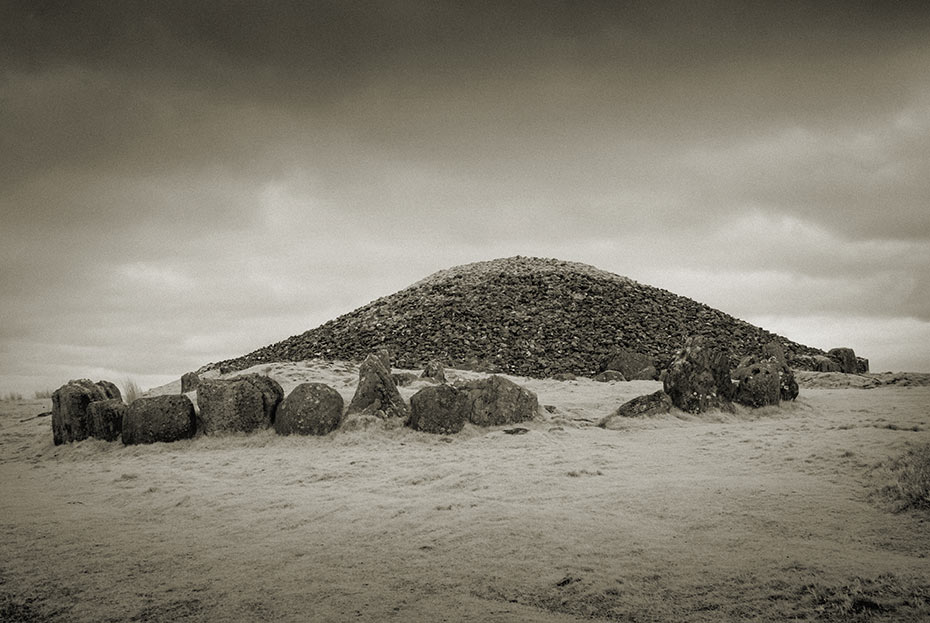
Loughcrew Megalithic Complex, Co Meath, Ireland.
Cairn U, Loughcrew Megalithic Complex
Cairn U, Loughcrew Megalithic Complex
Cairn T viewed from Cairn V, Loughcrew Megalithic Complex
The Hag’s Chair, Cairn T, Loughcrew Megalithic Complex
The entrance to Cairn T which aligns to the Spring and Autumn Equinox
The inner chamber Cairn T, Loughcrew Megalithic Complex
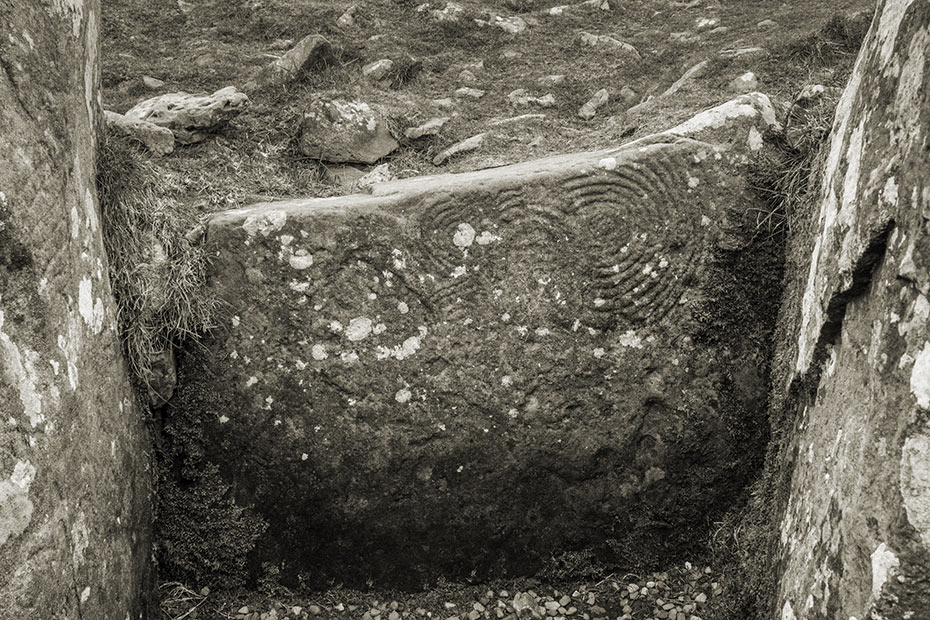
Rock art on the Equinox Stone in Cairn T, Loughcrew Megalithic Complex
Rock Art in Cairn U, Loughcrew Megalithic Complex
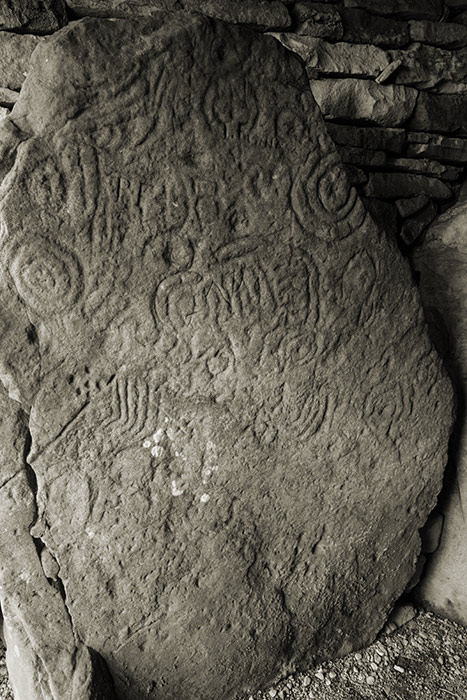
More rock art from Cairn T, Loughcrew Megalithic Complex
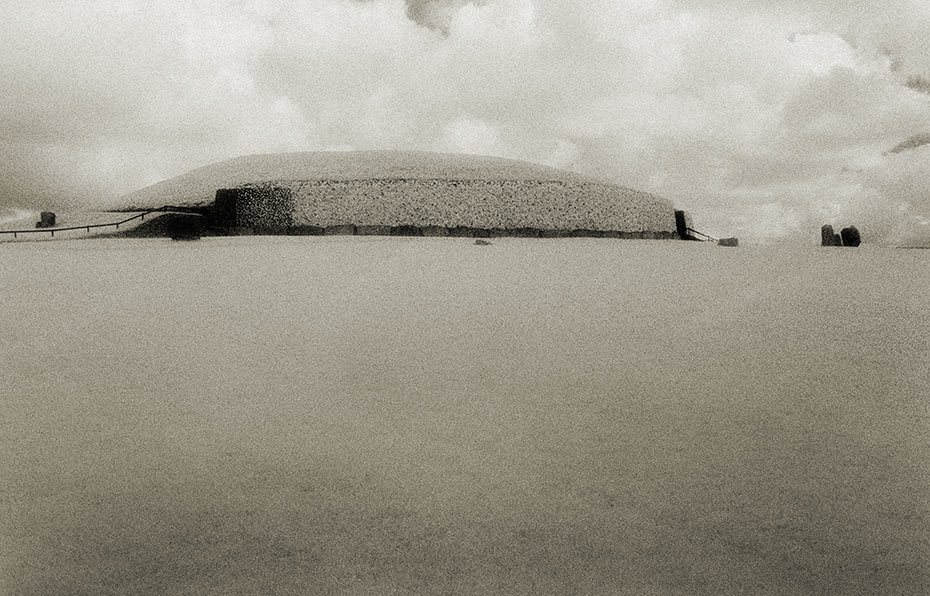
The ancient site of Newgrange Passage Tomb, Co Meath, Ireland. Kodak HIE infrared film
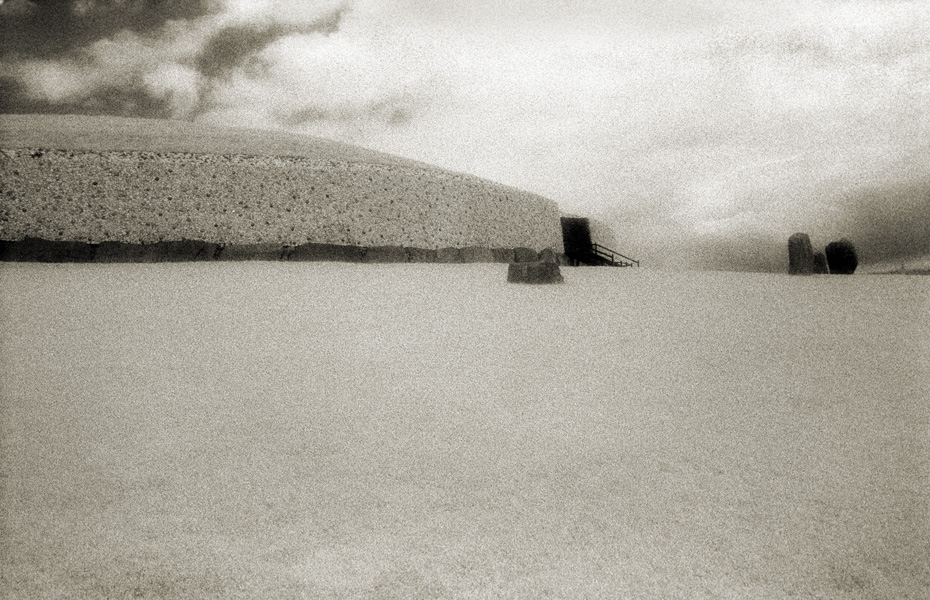
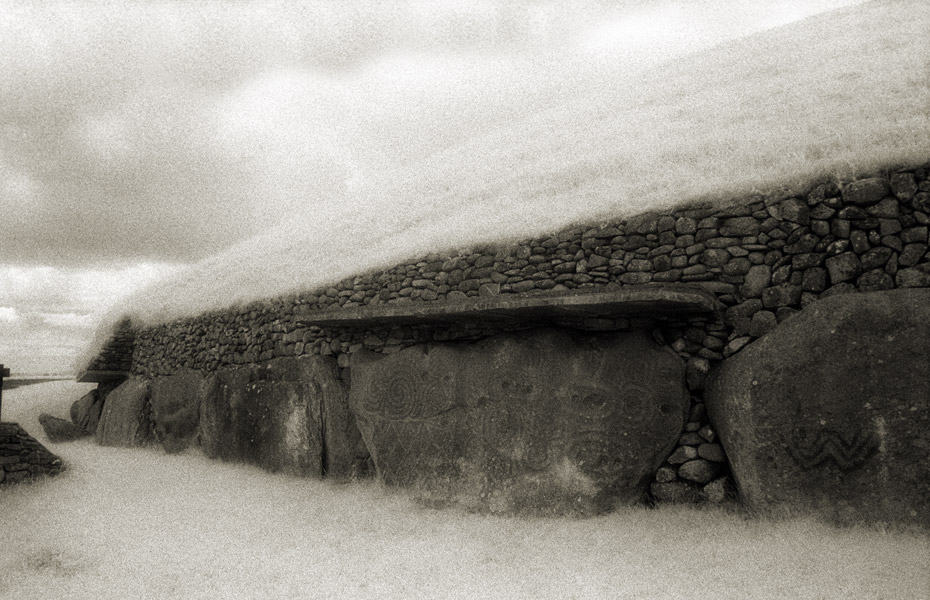
The Kerbstones at Newgrange Passage Grave
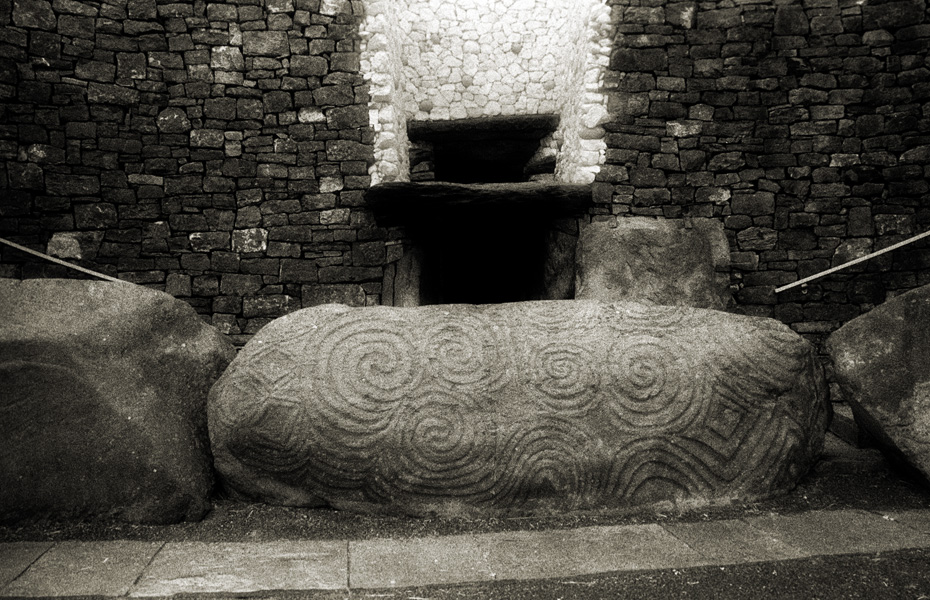
The entrance to the chamber aligned to sunrise on the the Winter Solstice – sunlight floods the chamber thru the opening above the entrance
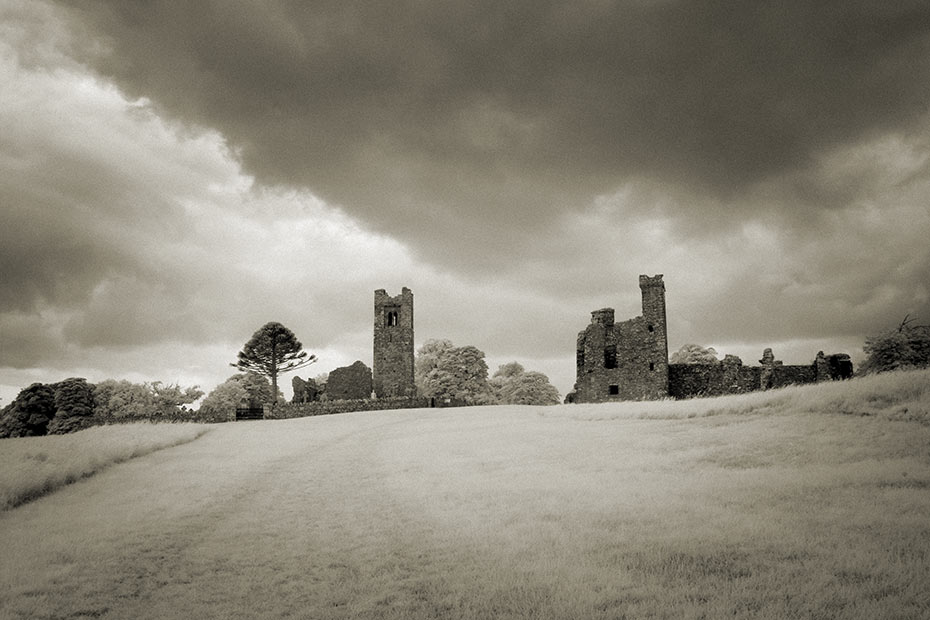
Hill of Slane, Slane, Co. Meath, Ireland
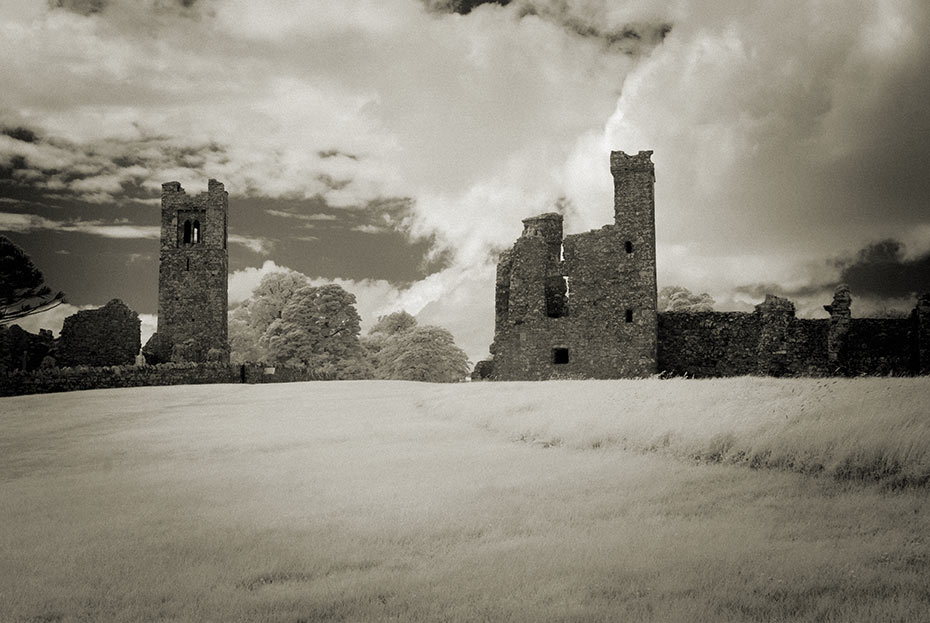
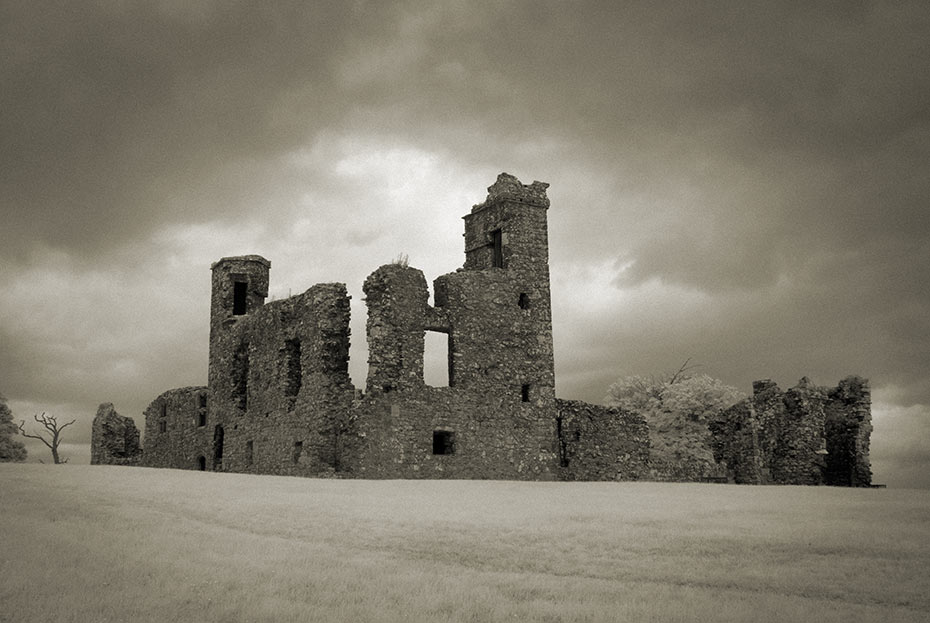
The ruins of the Franciscan Friary and College
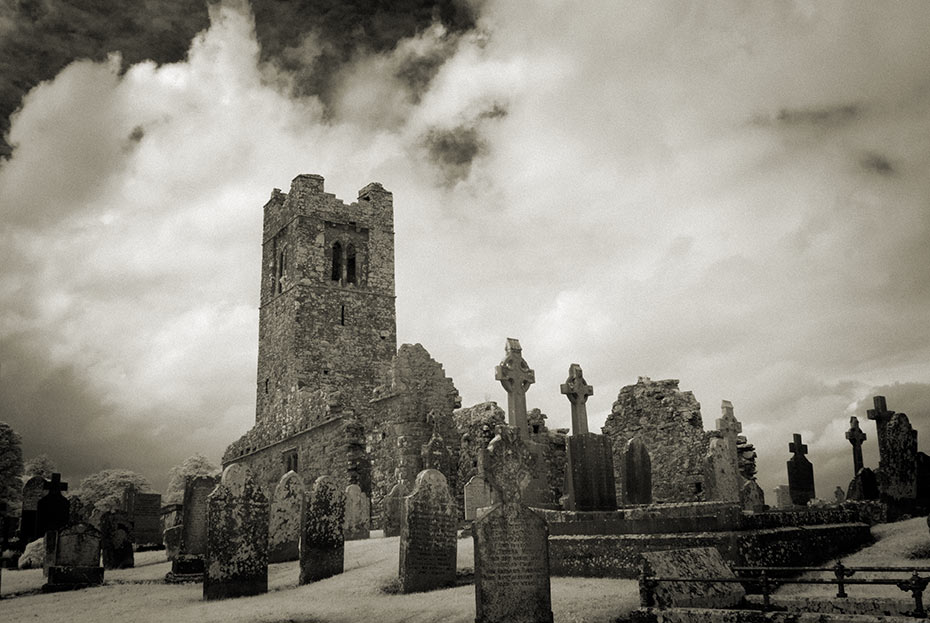
The ruins of St Patrick’s Church
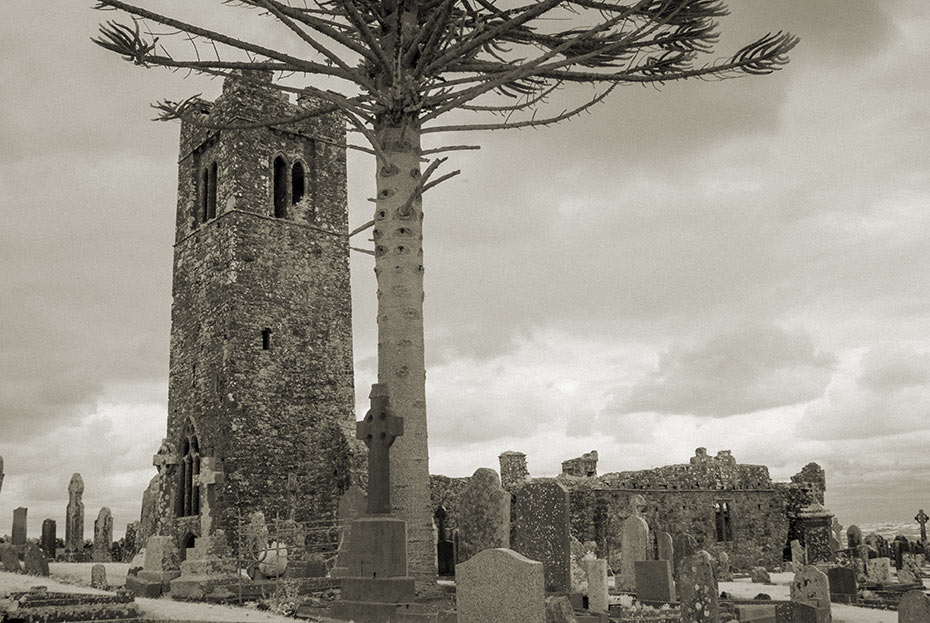
The Chilean pine tree in the graveyard
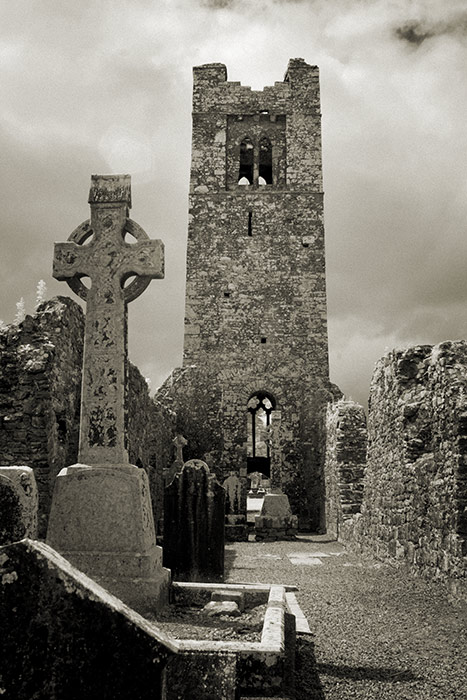
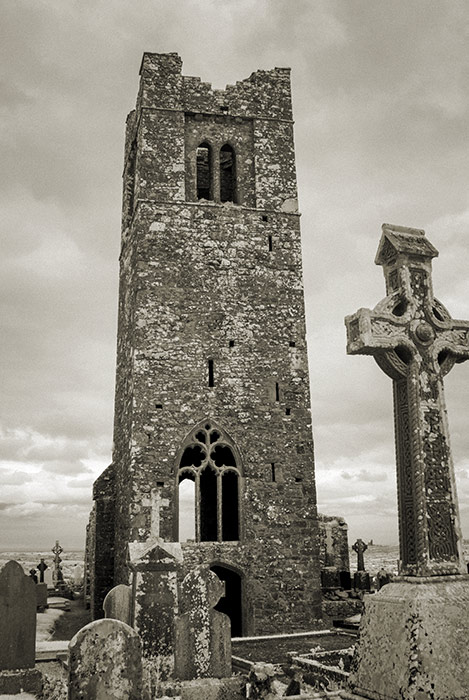
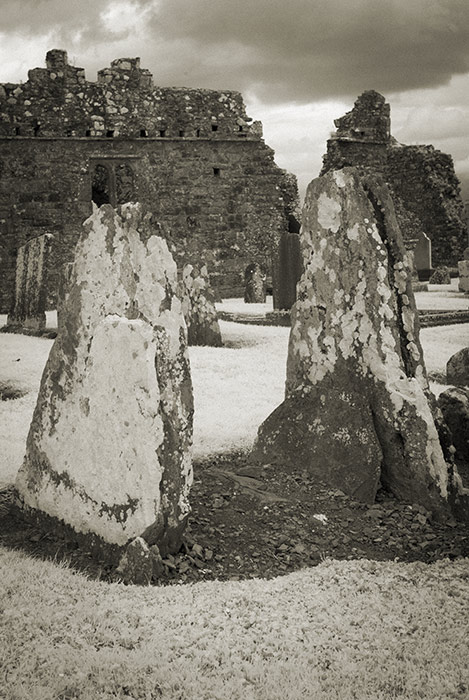
Two rough stone slabs thought to be the remains of St Erc’s tomb. Patrick appointed Erc as the first Bishop of Slane

Lia Fáil (Stone of Destiny) is said to have been brought to Ireland by the mythical race known as the Tuatha Dé Danann who defeated the original inhabitants of Ireland the Fir Bolg and took their seat of power on the Hill of Tara.
It was one of four treasures brought by the Tuatha Dé Danann and used as the inauguration stone for the High Kings of Ireland


