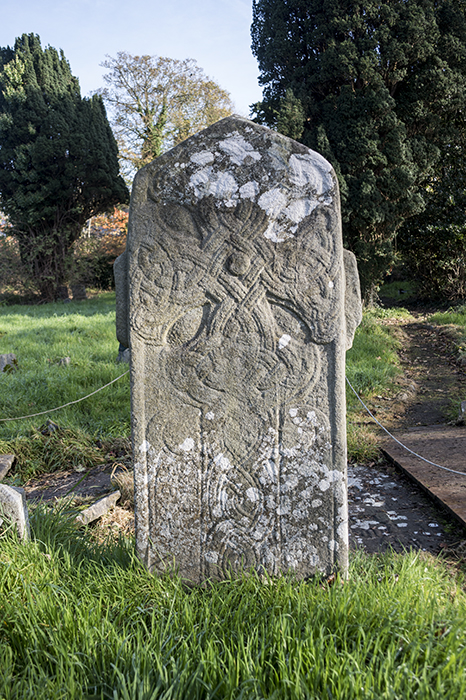
Fahan Cross Slab aka St. Mura’s Cross, Co Donegal, Ireland
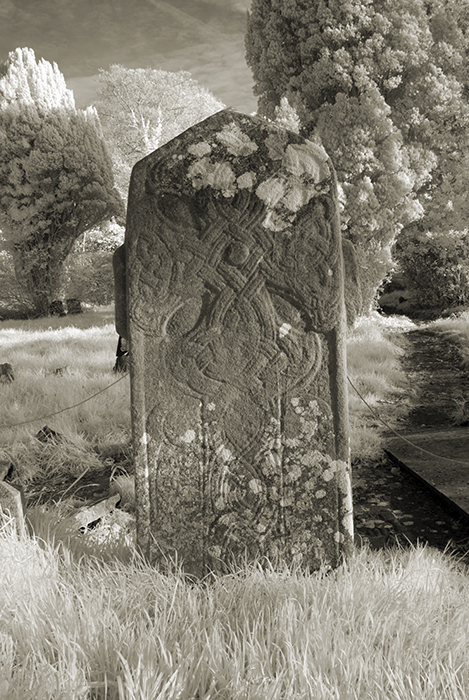
The west face of the Fahan Mura Cross Slab
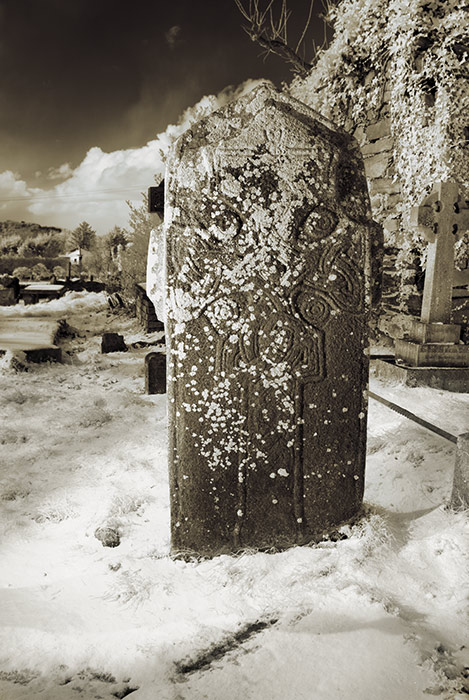
The east face of the Fahan Mura Cross Slab
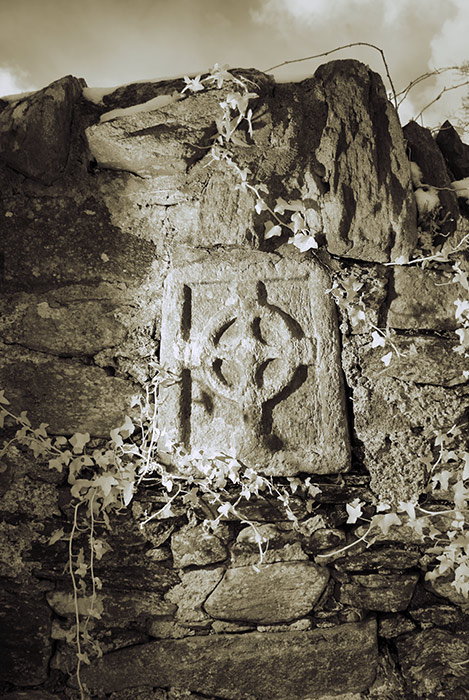
The small cross slab embedded into the wall at Fahan
Underexposed – an Irish Photoblog
Fahan Cross Slab aka St. Mura’s Cross, Co Donegal, Ireland
The west face of the Fahan Mura Cross Slab
The east face of the Fahan Mura Cross Slab
The small cross slab embedded into the wall at Fahan
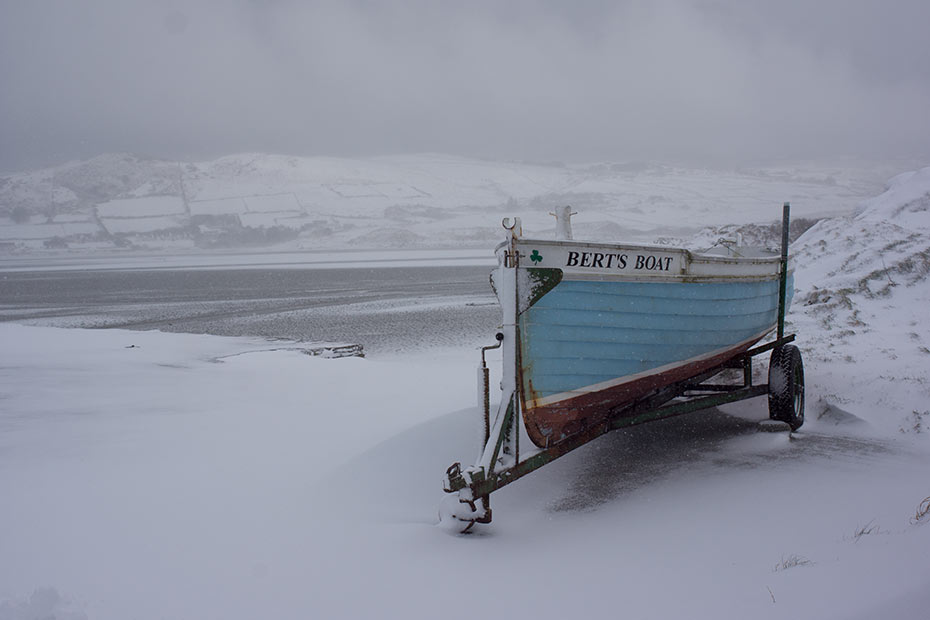
Bert’s Boat in snow, Dunfanaghy, Co Donegal, Ireland
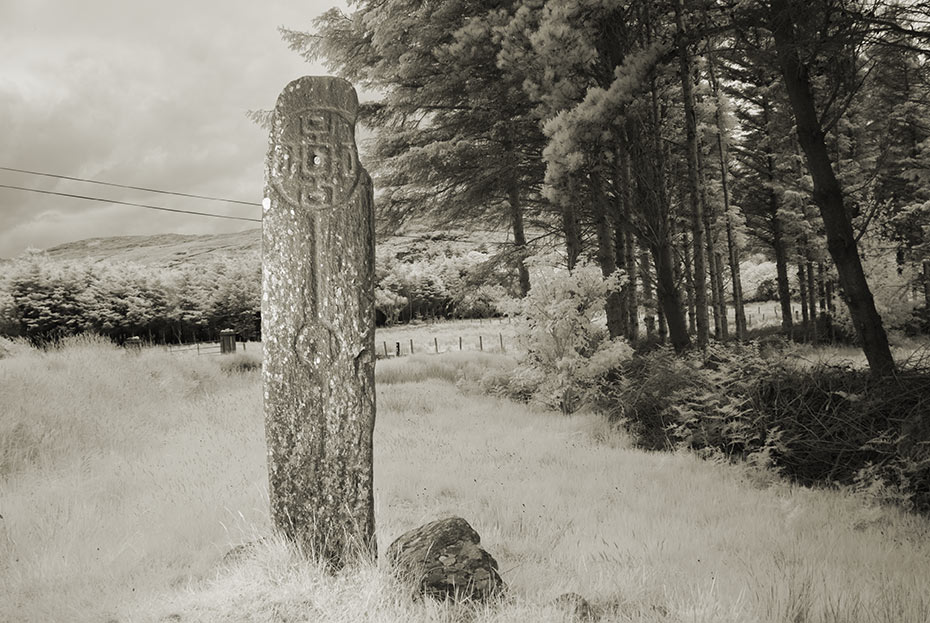
Glencolmcille Turas Station 9, Co Donegal, Ireland. The decorated northern face of the holed cross pillar
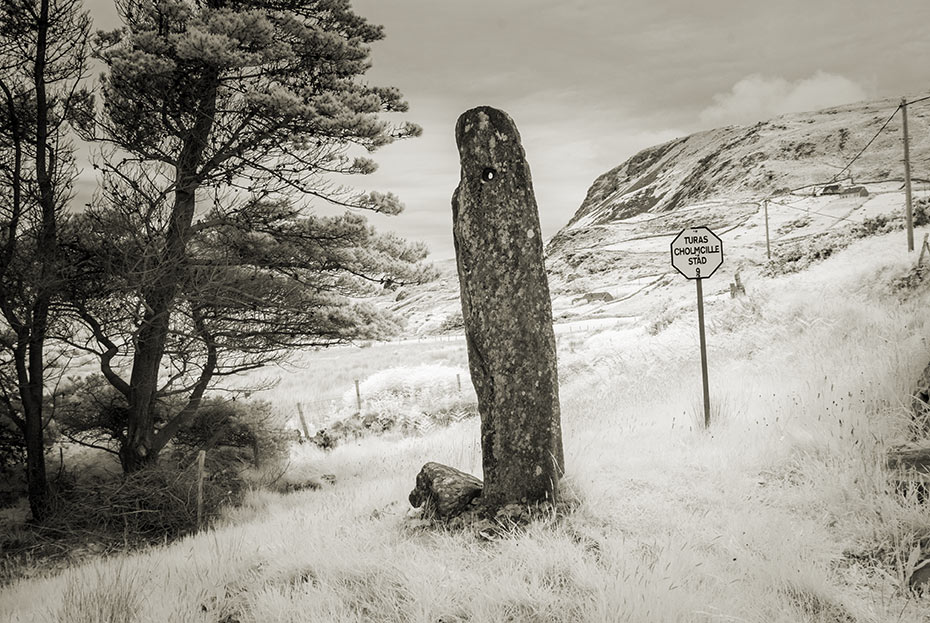
The stone is also known as Cloch an Aonaigh or the Stone of the Gathering
Glencolmcille Turas Station 2, Co Donegal, Ireland
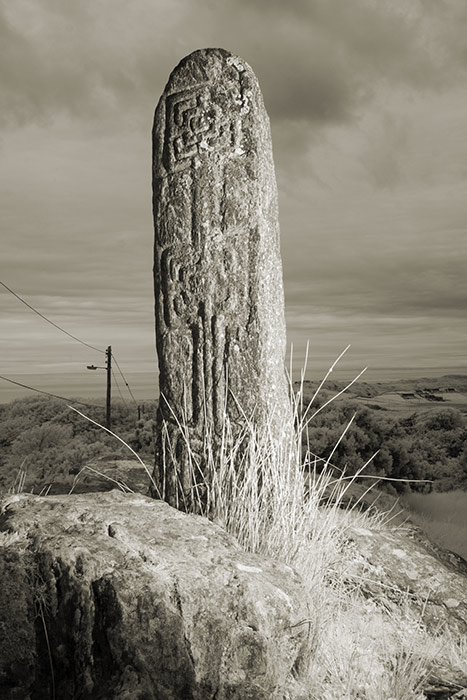
The pillar is inscribed on both sides – this is the east face
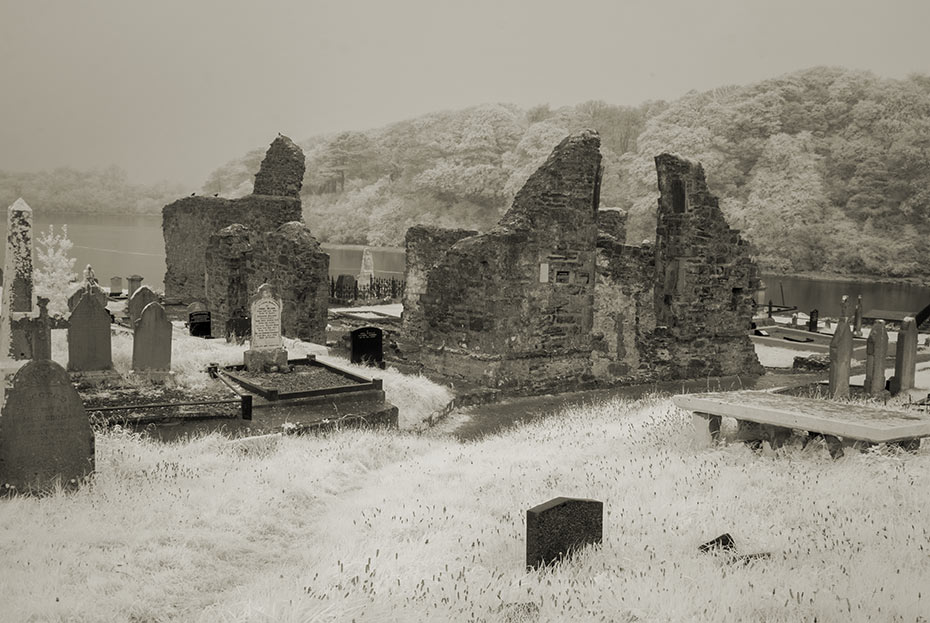
The ruins of Donegal Franciscan Abbey on the River Eske, Co Donegal, Ireland
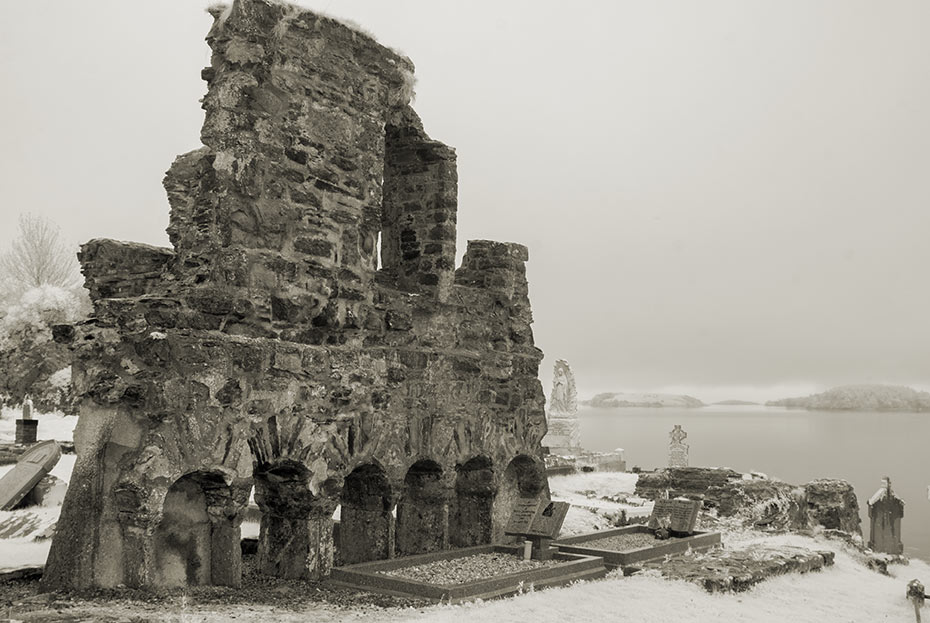
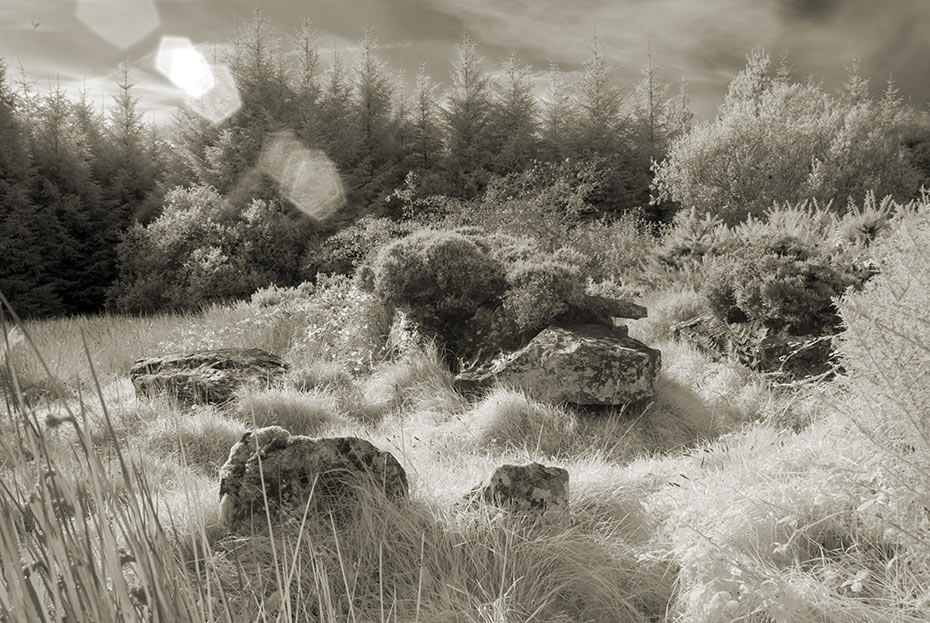
The three Wedge Tombs at the overgrown Chasheltown site. The 2 stones in the foreground are part of a kerb that encircles the tombs
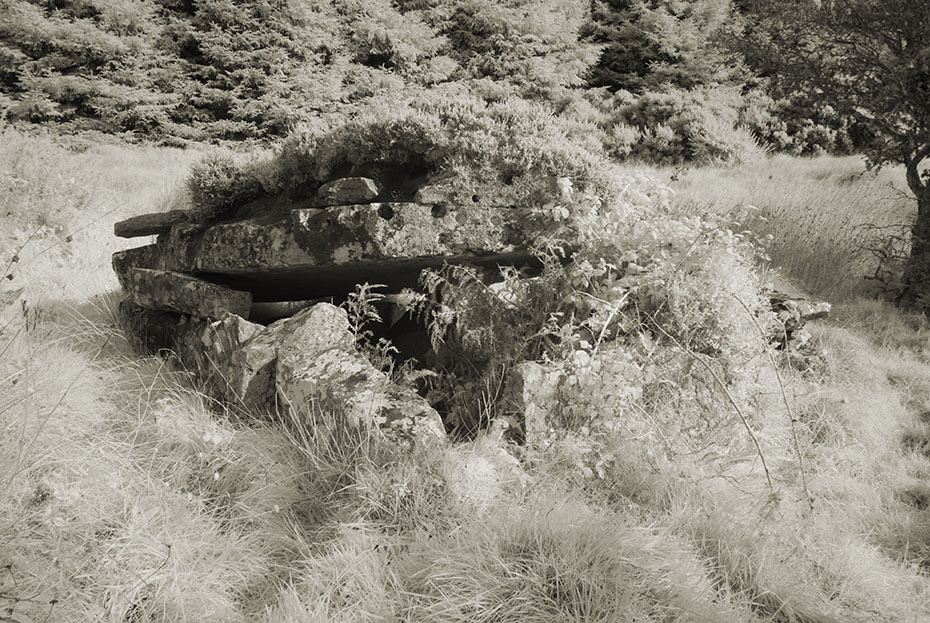
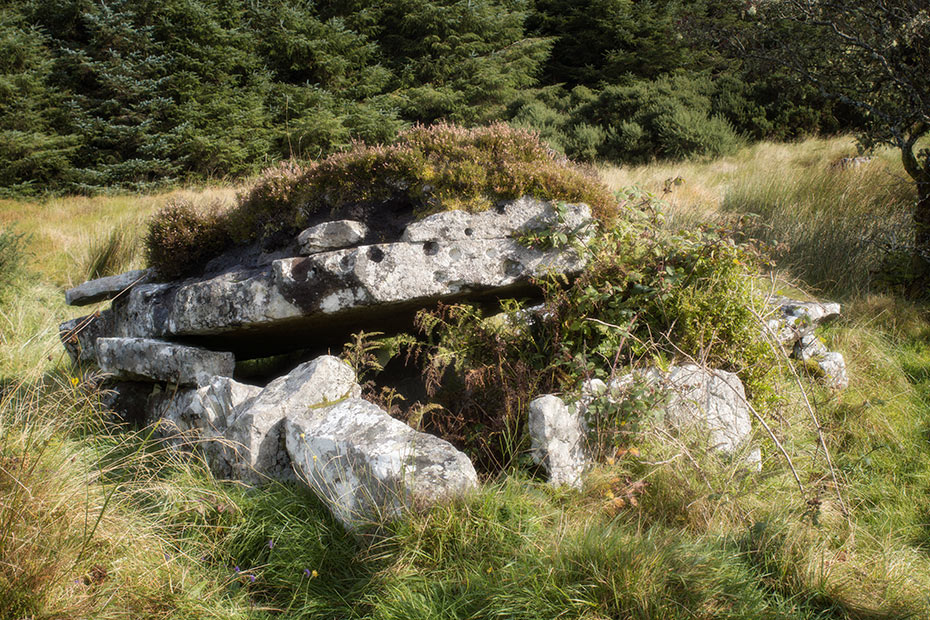
The largest of the Casheltown Wedge Tombs with the smallest just to the right
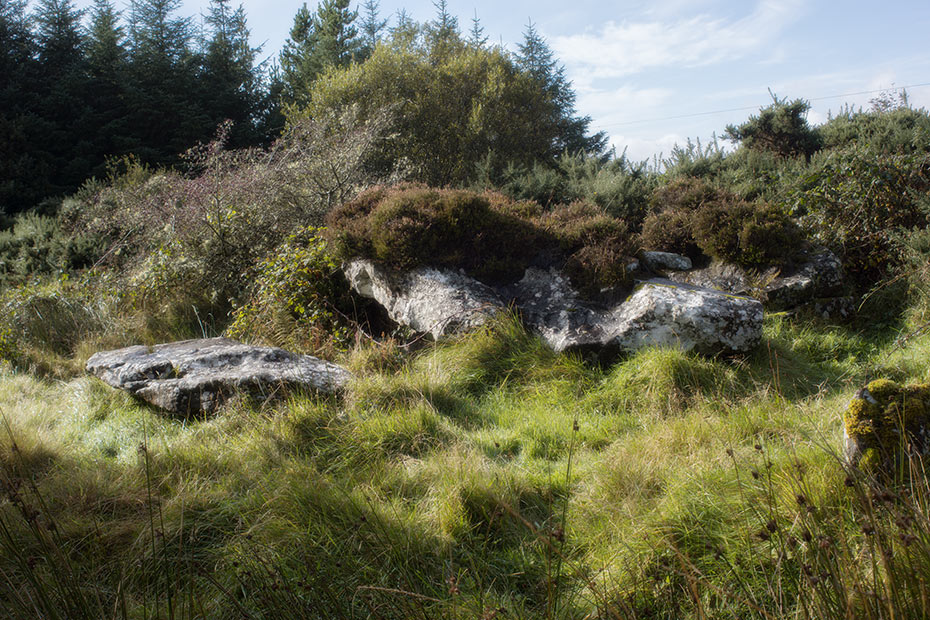
The overgrown site in colour
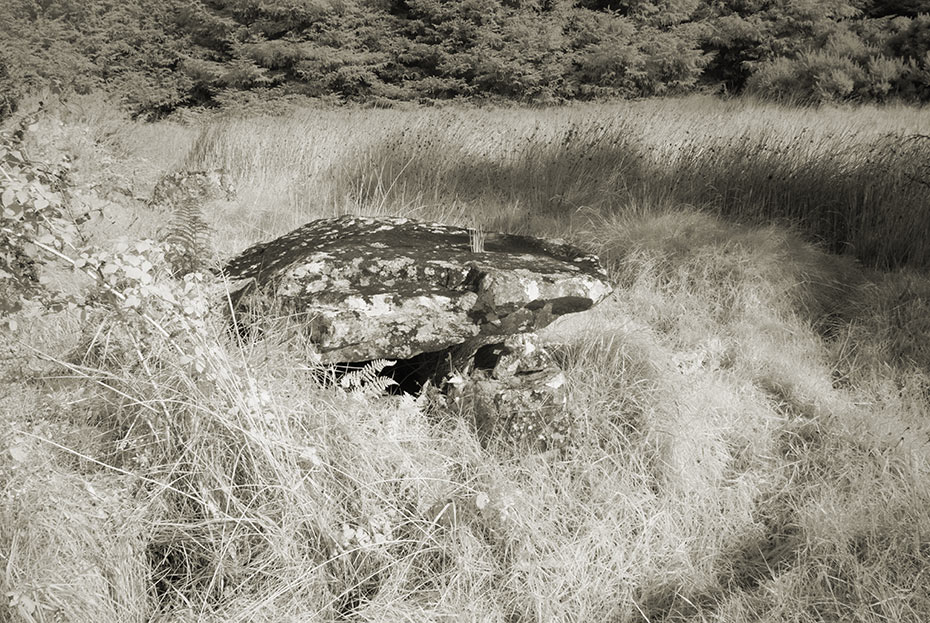
The smallest of the tombs
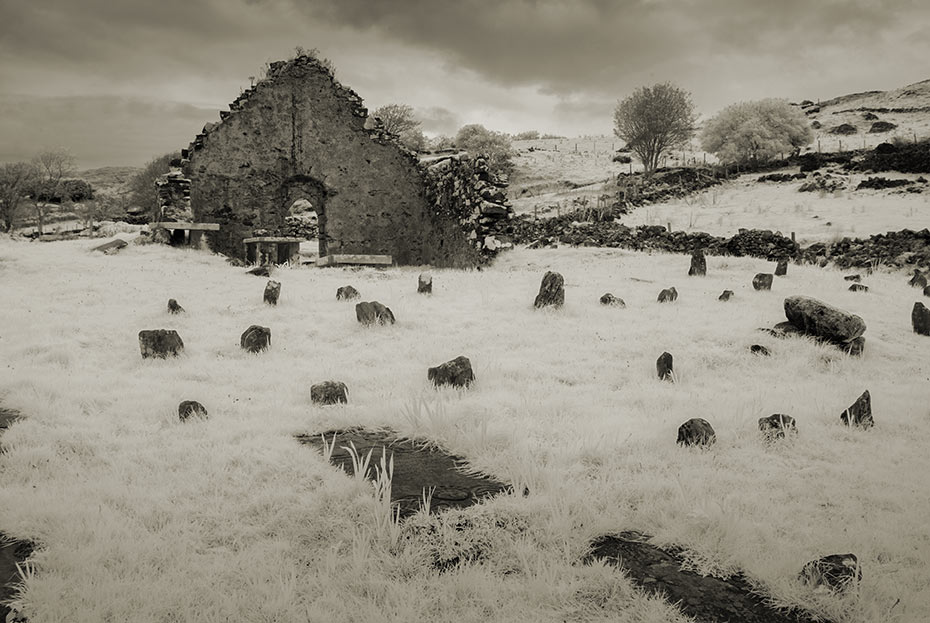
Kilcar old church and graveyard, Co Donegal, Ireland
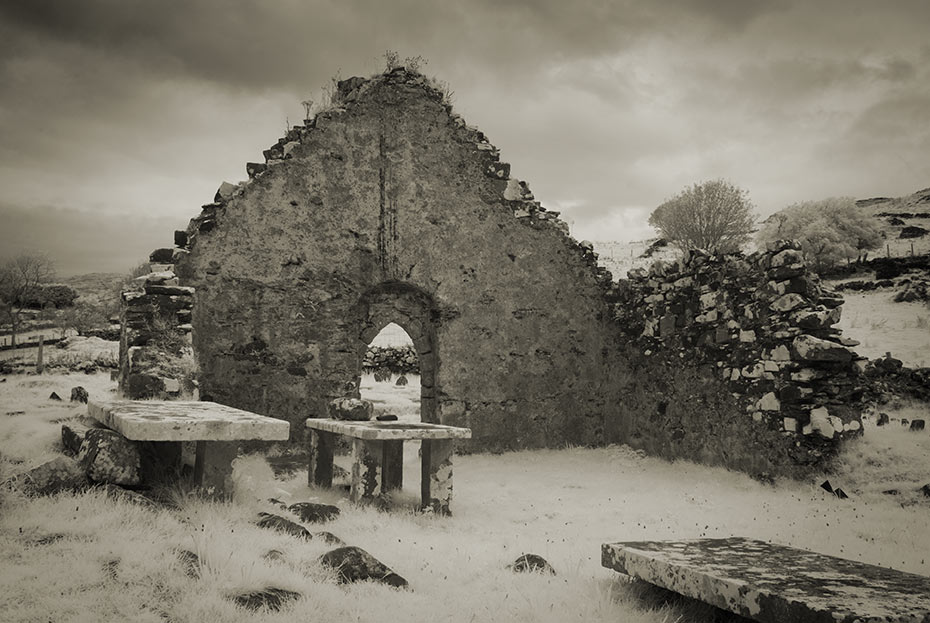
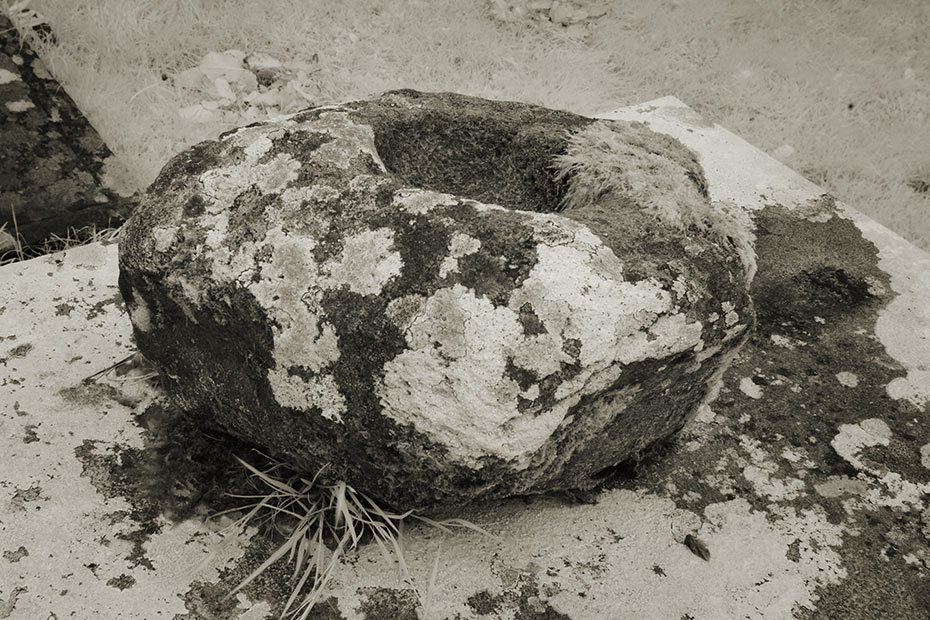
The bullaun stone that sits in the ruin of Kilcar old church
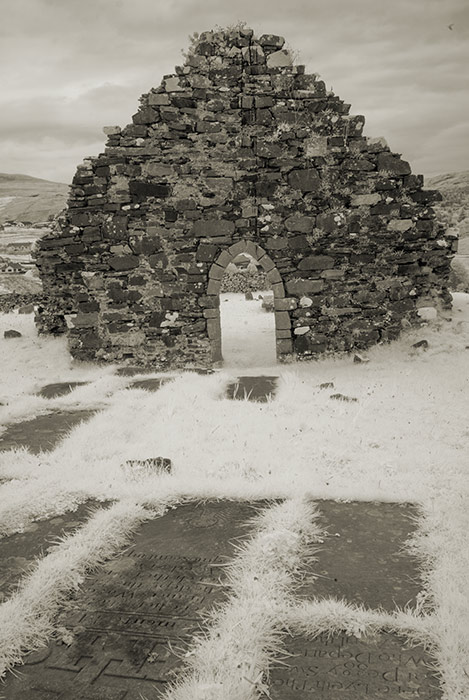
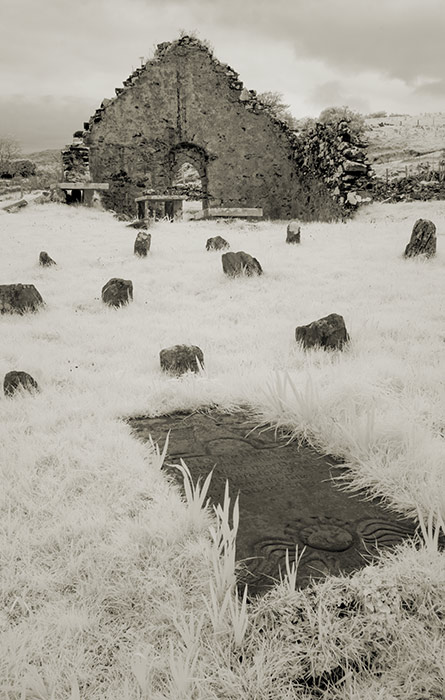
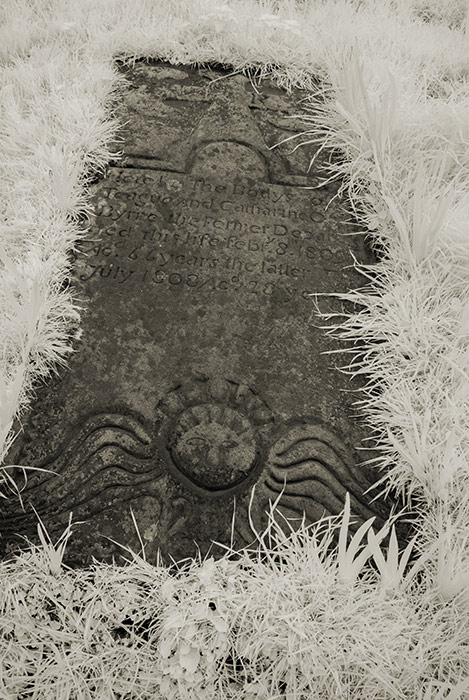
Two of the numerous grave slabs that lie in the graveyard
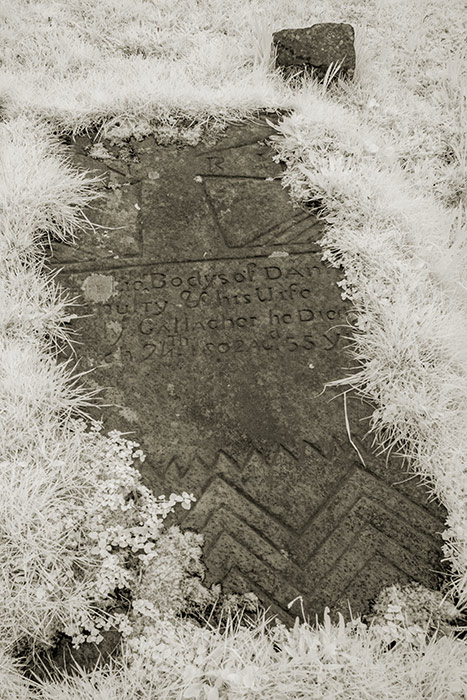
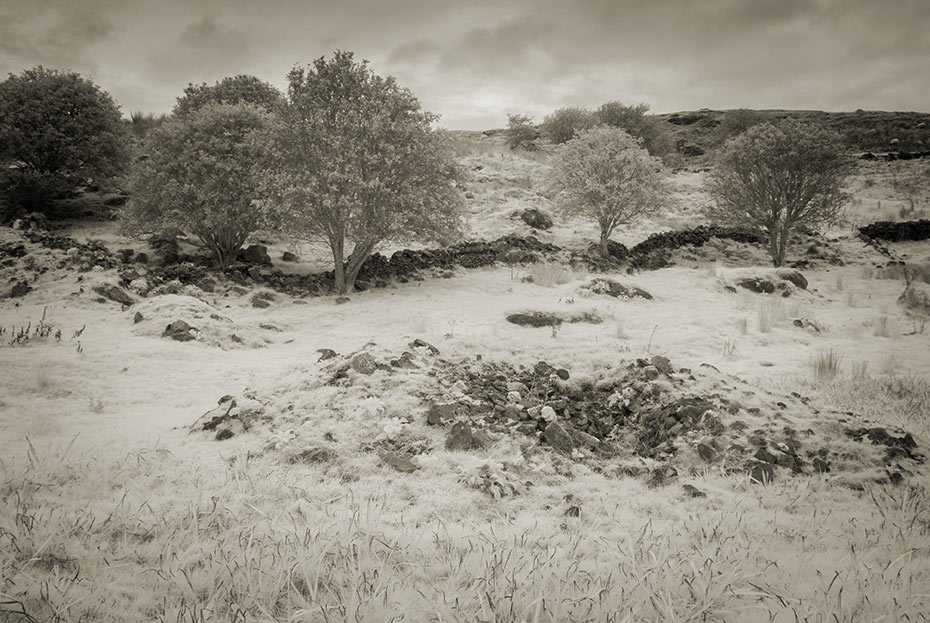
The Cairn and Holy Well in a field next to Kilcar old church
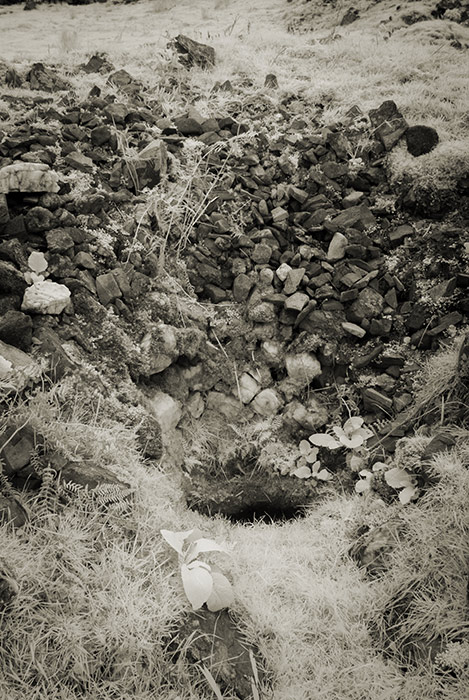
The holy well flows into a bullaun stone or rock-basin
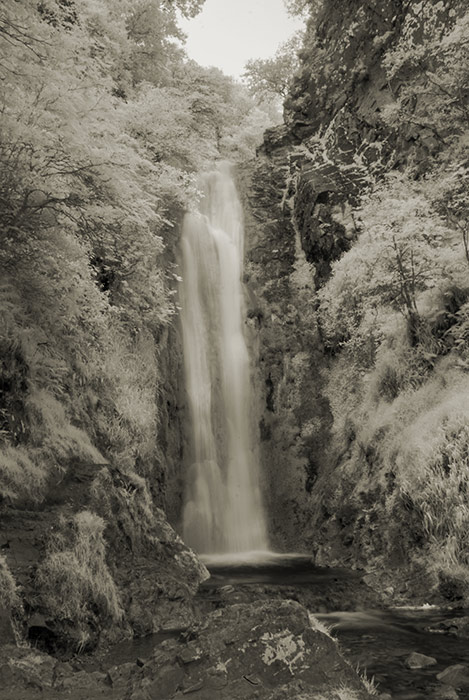
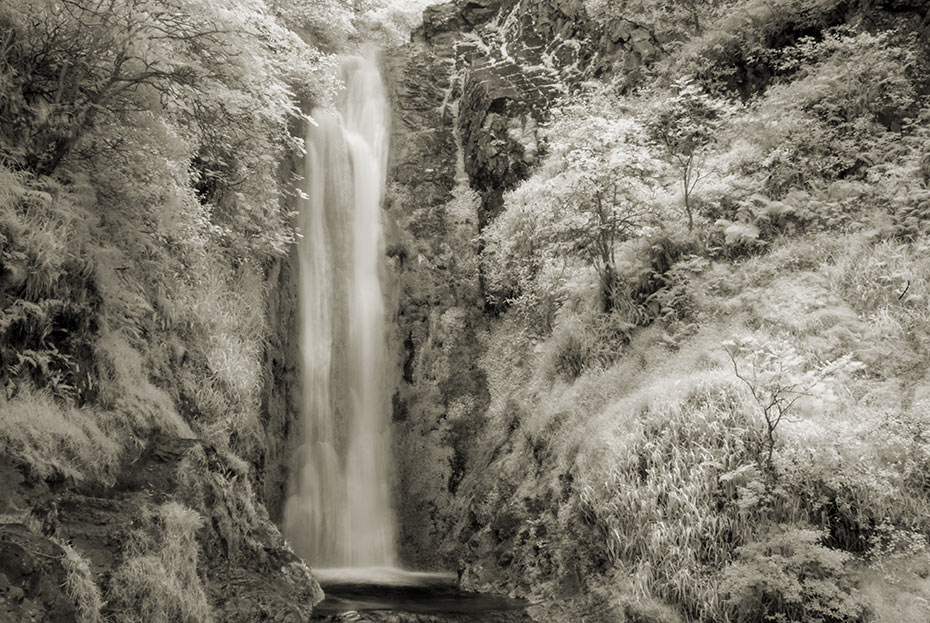
Glenevin Waterfall, Clonmany, Inishowen, Donegal, Ireland
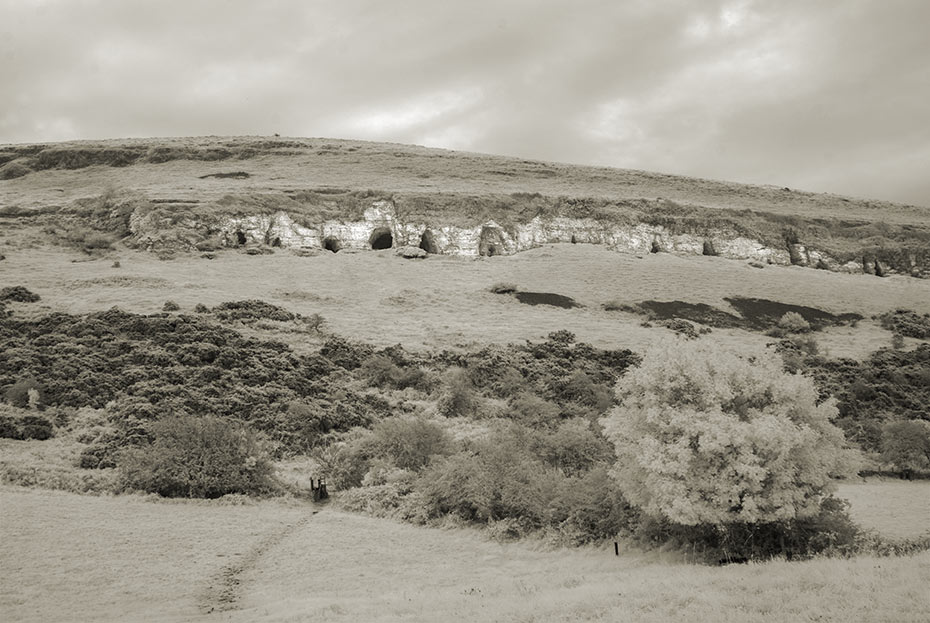
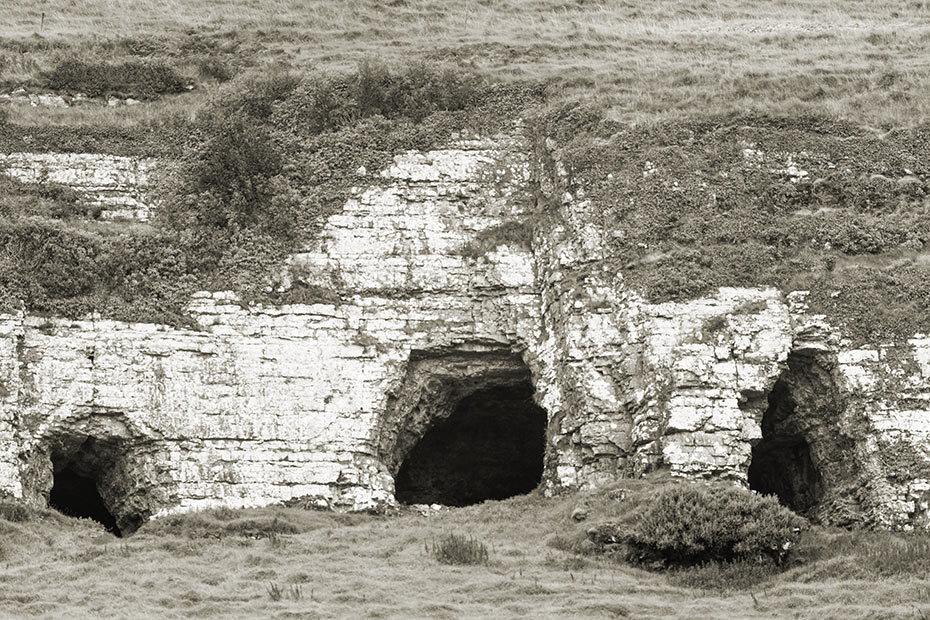
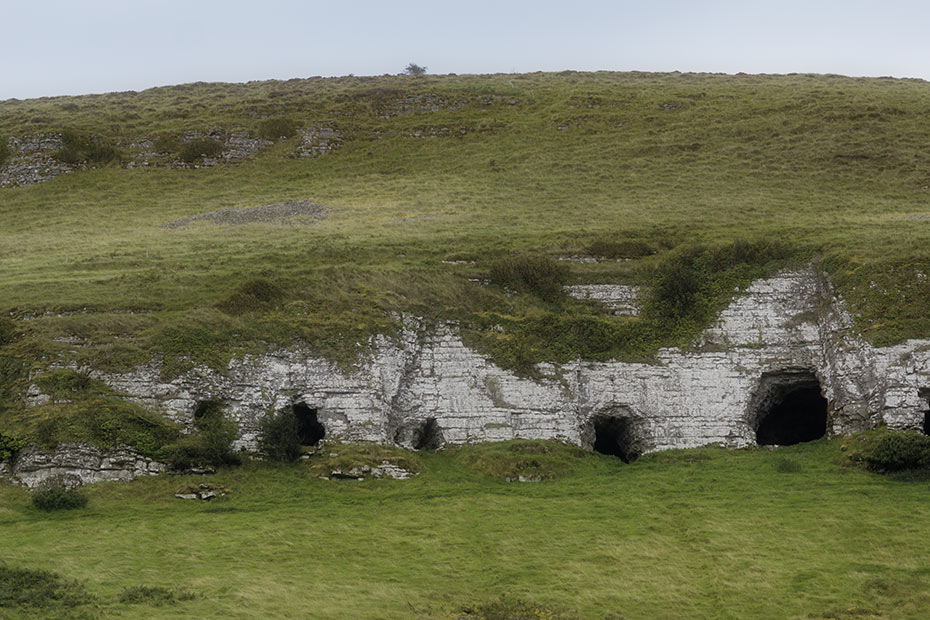
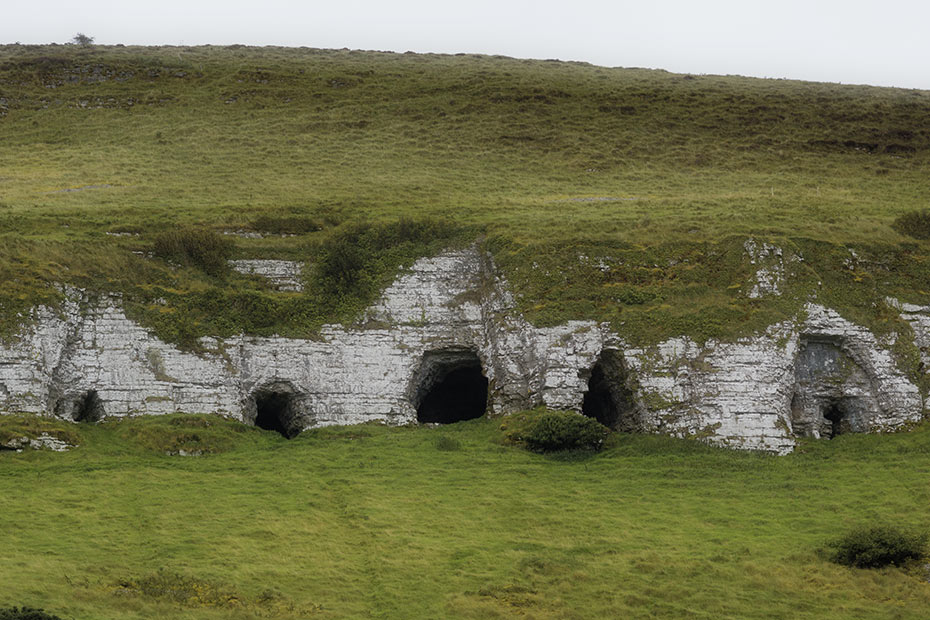
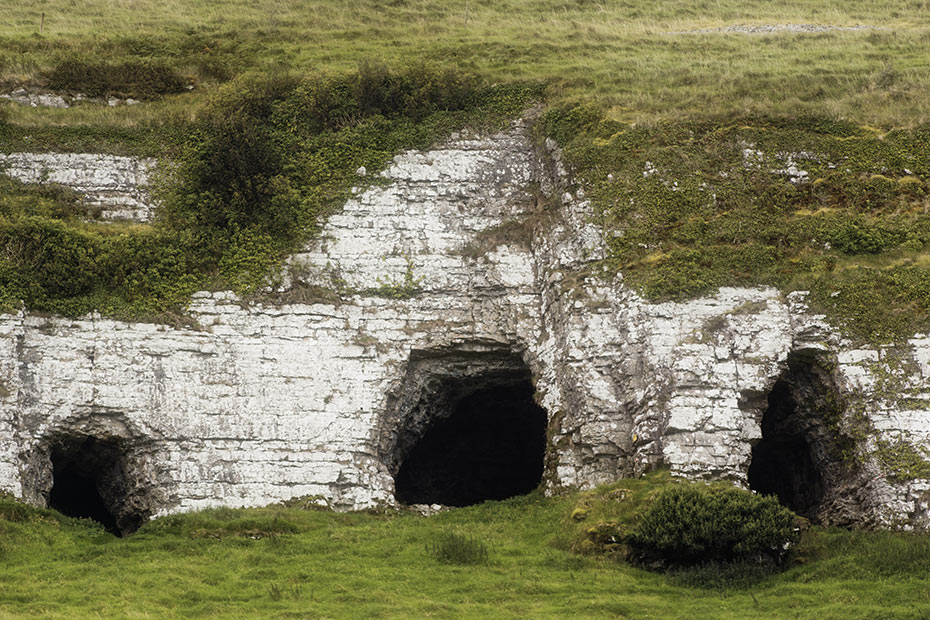
Caves of Kesh, Keshcorran, Sligo, Ireland
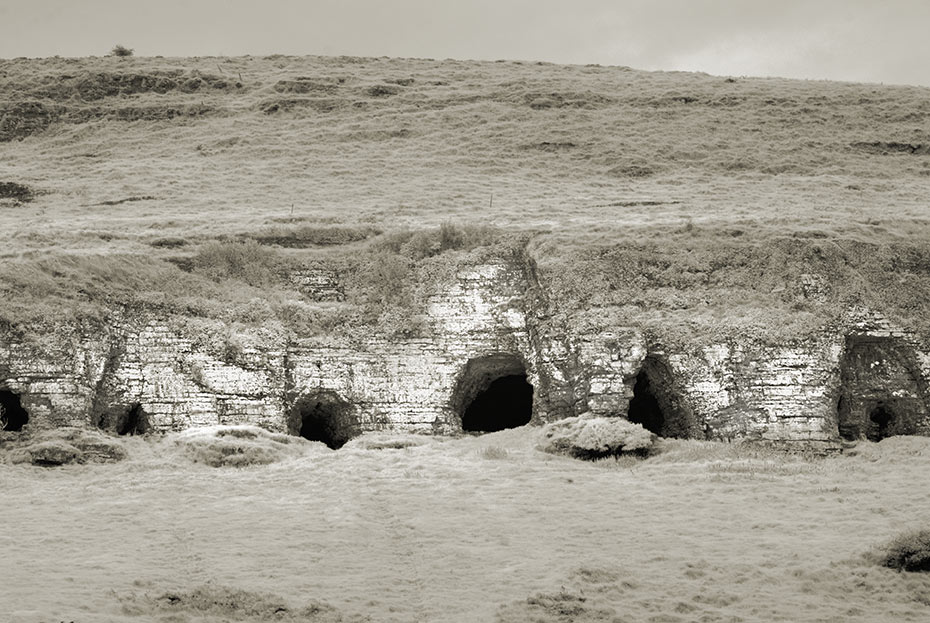
In Irish mythology the caves of Kesh were believed to be an entrance to the the Otherworld. One story tells how, when on a hunt, Fionn mac Cumhaill, head of the Fianna, was put under enchantment by three witches along with a troop of his men. The witches were the daughters of Conaran of the supernatural race Tuatha de Danaan who ruled in the underworld of Keshcorran. As the witches prepared to kill their captives the last of the hunting party Goll mac Morna encounters them and in a hard fought engagement slices in half two witches then beheads them and gets the better of the third putting her into bondage. In exchange for her life she agrees to dissolve the enchantment on Fionn and his Fianna. Diarmuid and Gráinne are also said to have sought refuge in the caves as the lovers evade Fionn mac Cumhaill who Gráinne had been betrothed to. Another story tells how the high king of Ireland Cormac mac Airt was born at the foot of Keshcorran and reared by a she-wolf with her cubs in the caves.
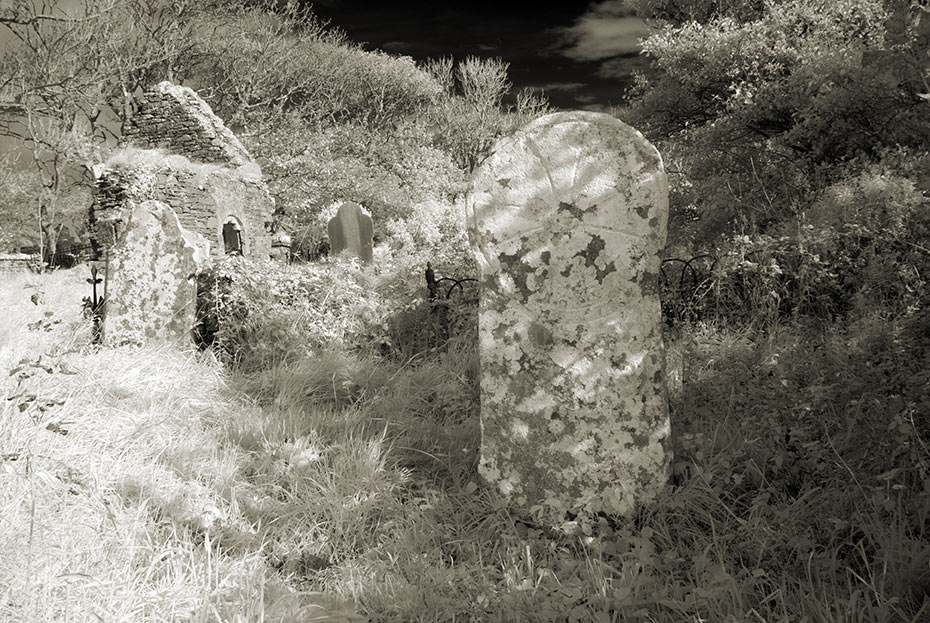
Slab with a carved Maltese cross inside a circle. The cross is thought to date from 650AD and mark the resting place of Aédh, an anchorite monk
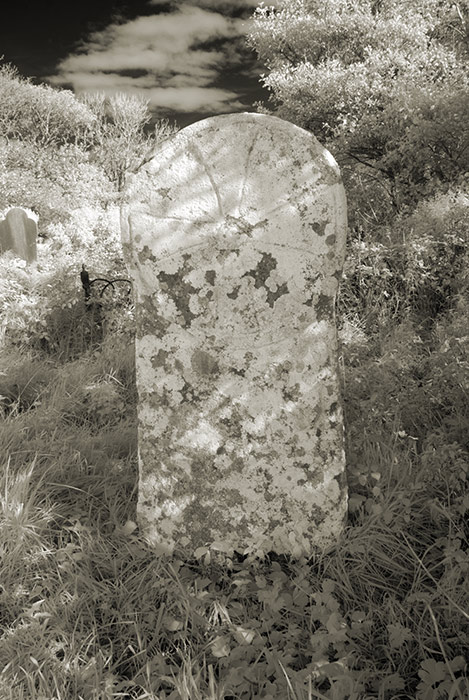
Killaghtee Cross, Co Donegal, Ireland
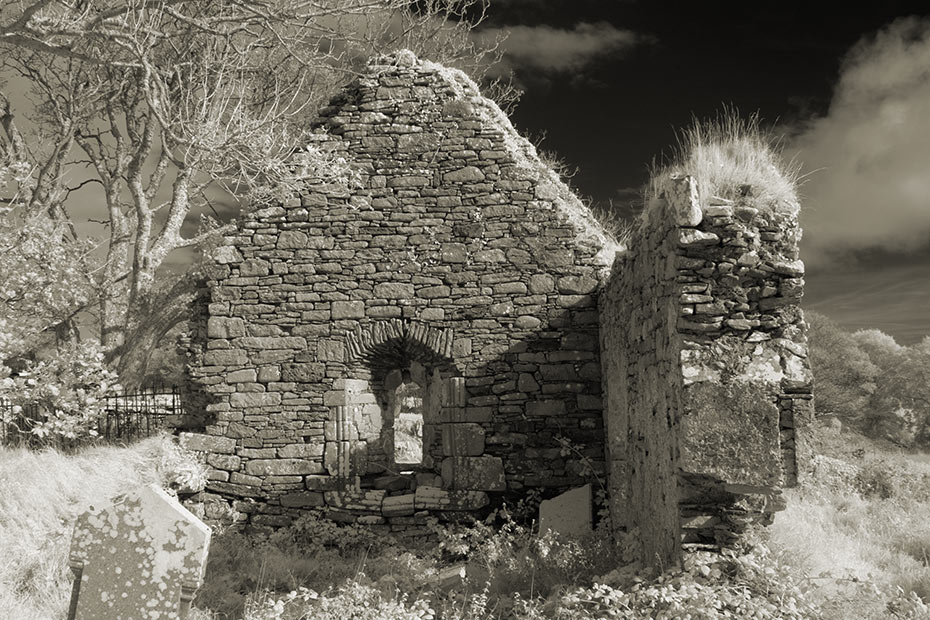
Killaghtee old church
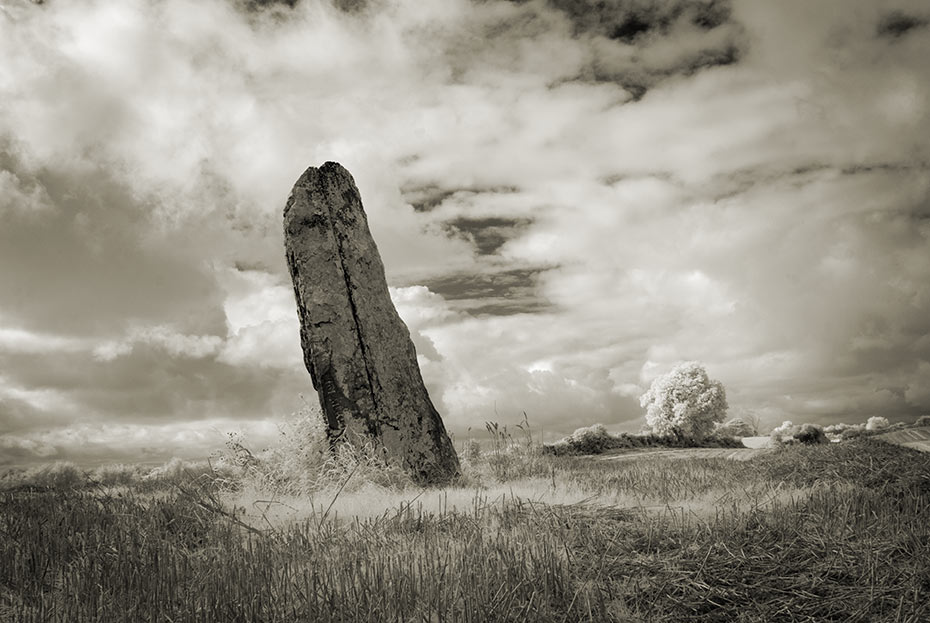
Clochafarmore Standing Stone aka Cuchulain’s Stone, Co Louth, Ireland
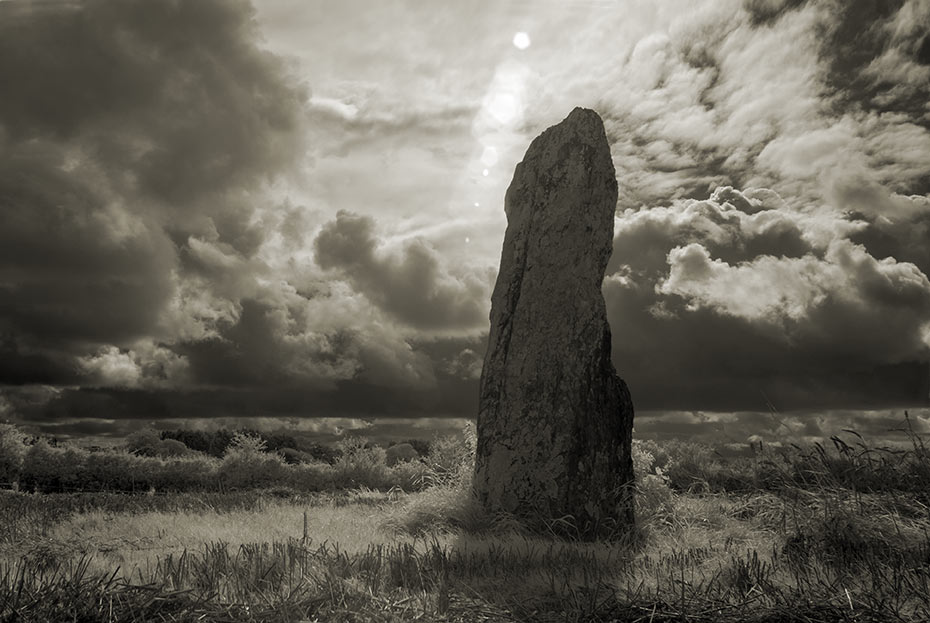
In the Irish saga the Táin Bó Cuailgne (The Cattle Raid of Cooley) Cú Chulainn (the hero of Ulster) is said to have tied himself to a standing stone when mortally wounded. While tied to the stone his enemies feared approaching thinking he lived until the battle goddess Morrigu (Morrígan) lands on his shoulder in the form of a raven. When sure he is dead they approach and Lugaid beheads Cú Chulainn whose sword falls and slices of Lugaid’s right hand, in revenge they cut off Cú Chulainn’s hand.
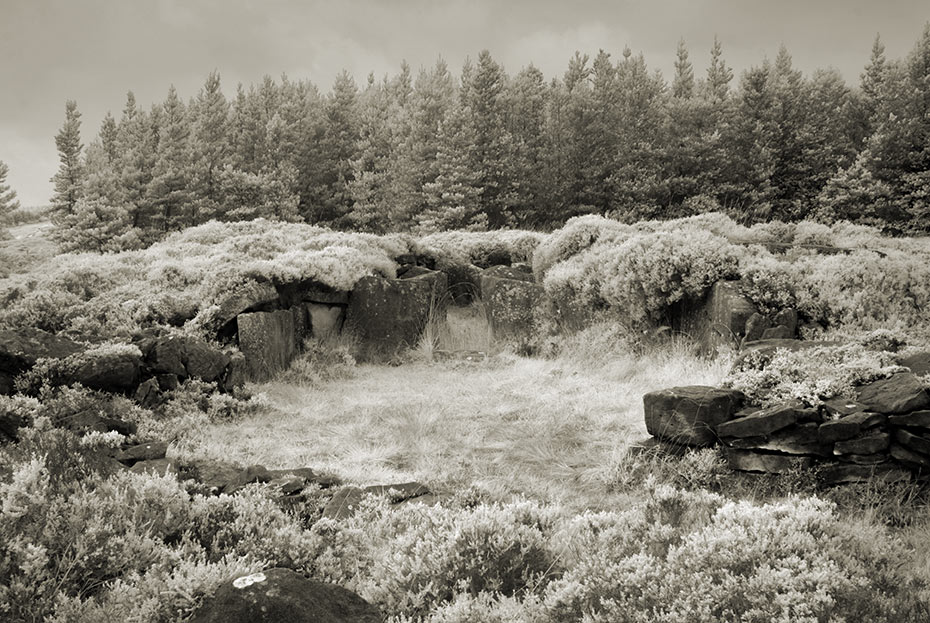
Rathlackan Court Tomb, Co Mayo, Ireland
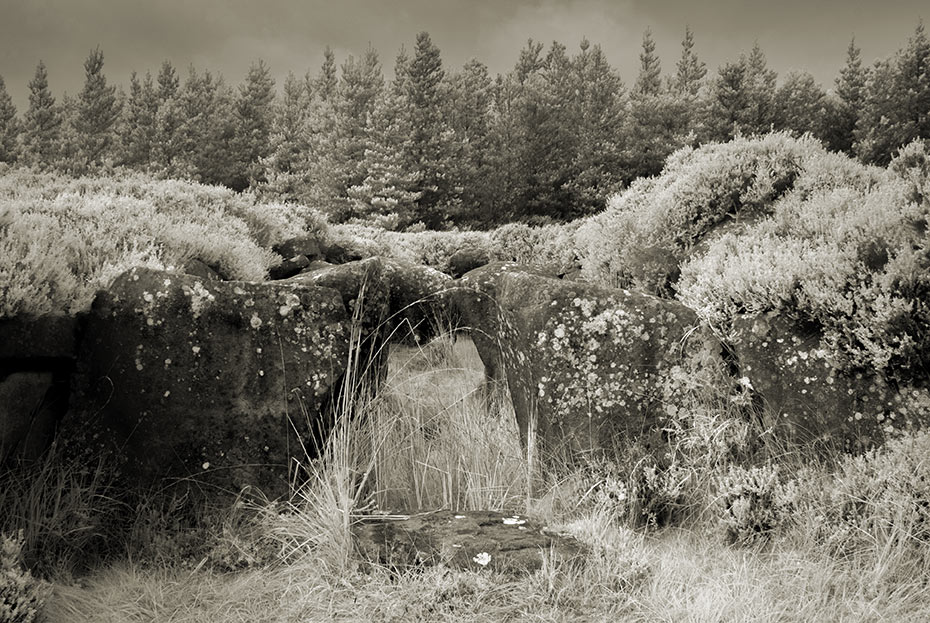
The east facing entrance to the gallery
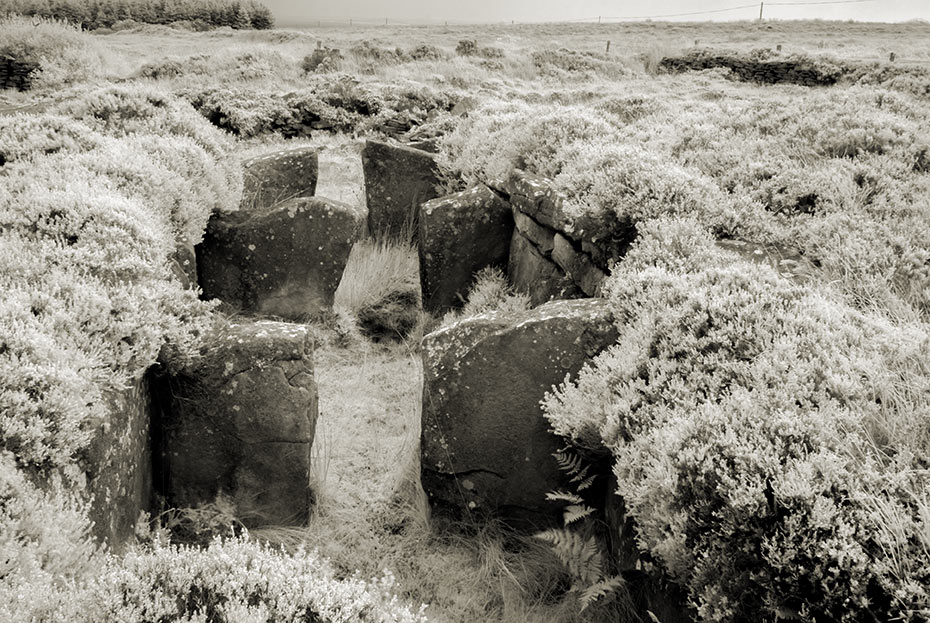
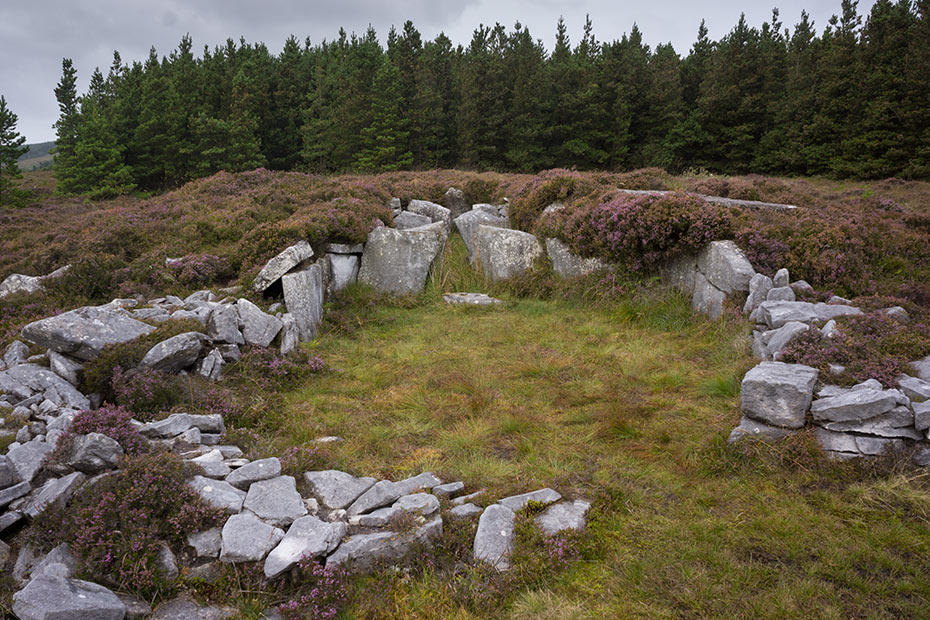
The court from the east
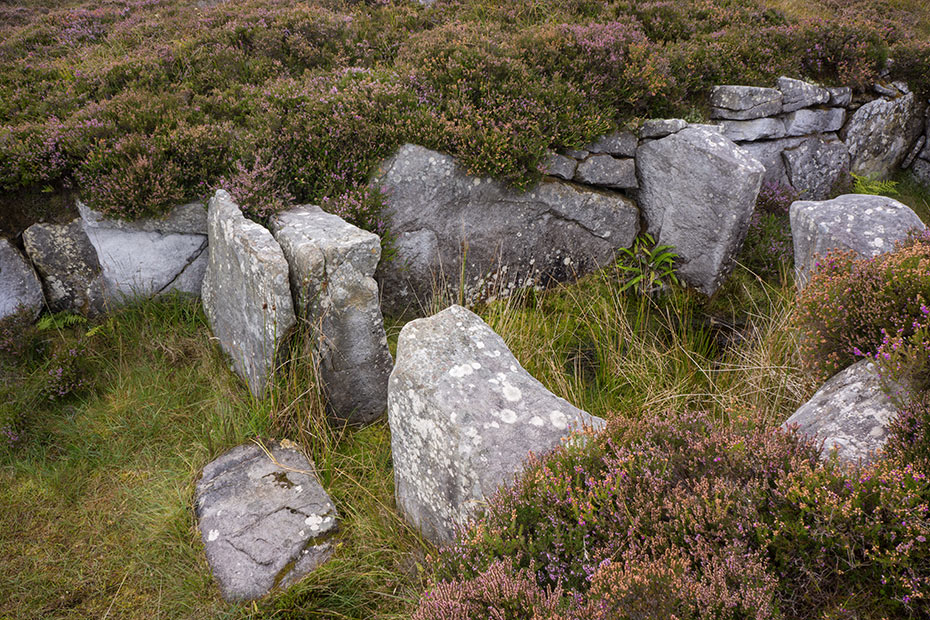
Looking down on the gallery entrance and first chamber
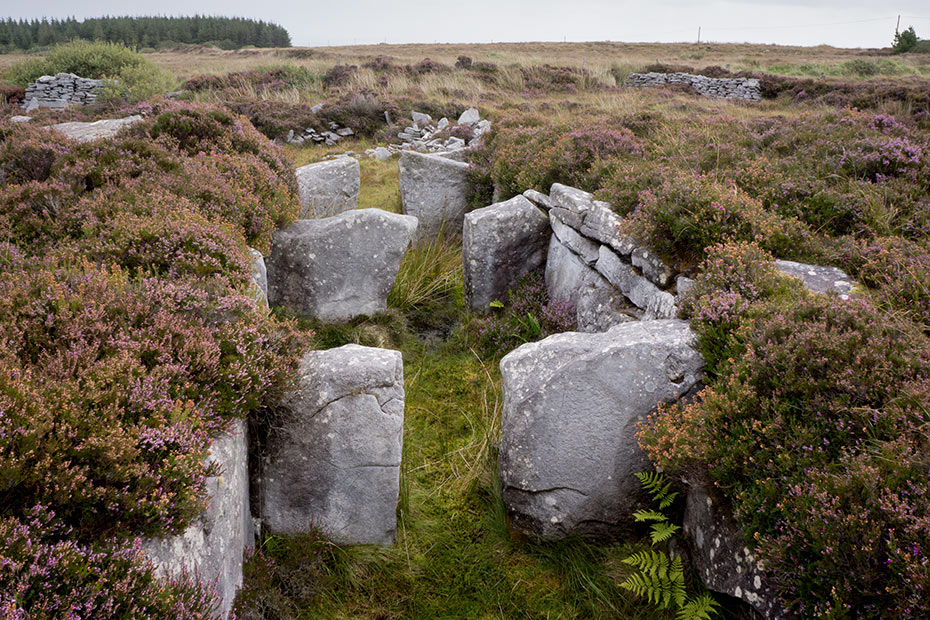
The gallery as viewed from the back (west)
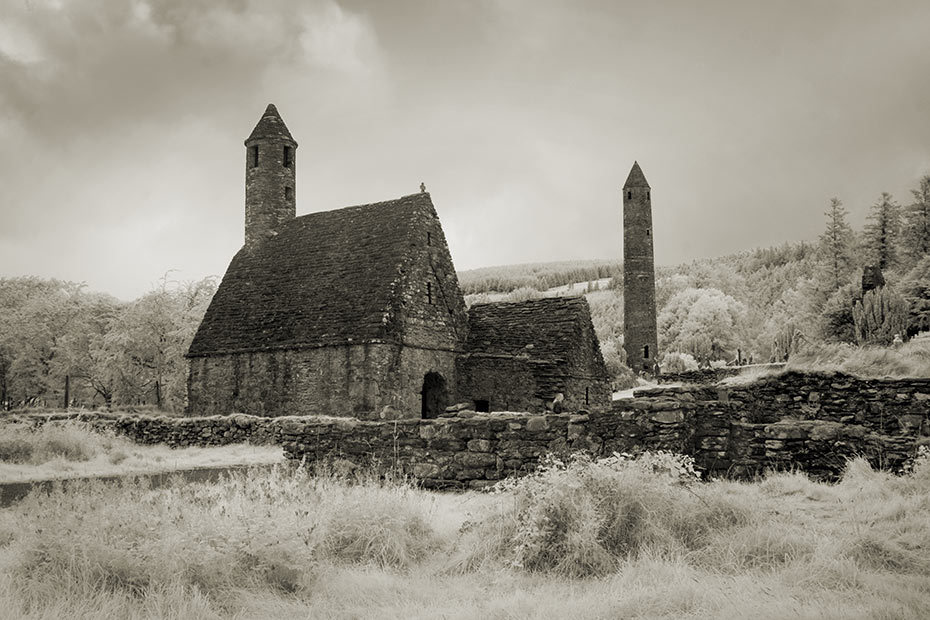
St Kevin’s Church and Round Tower, Glendalough, Co Wicklow, Ireland
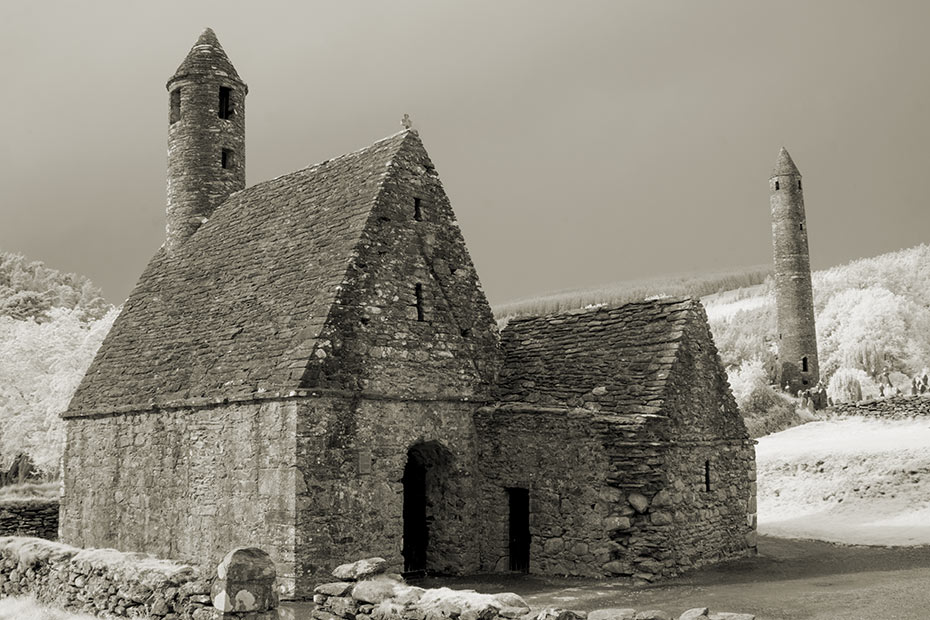
St Kevin’s Church and Round Tower, Glendalough
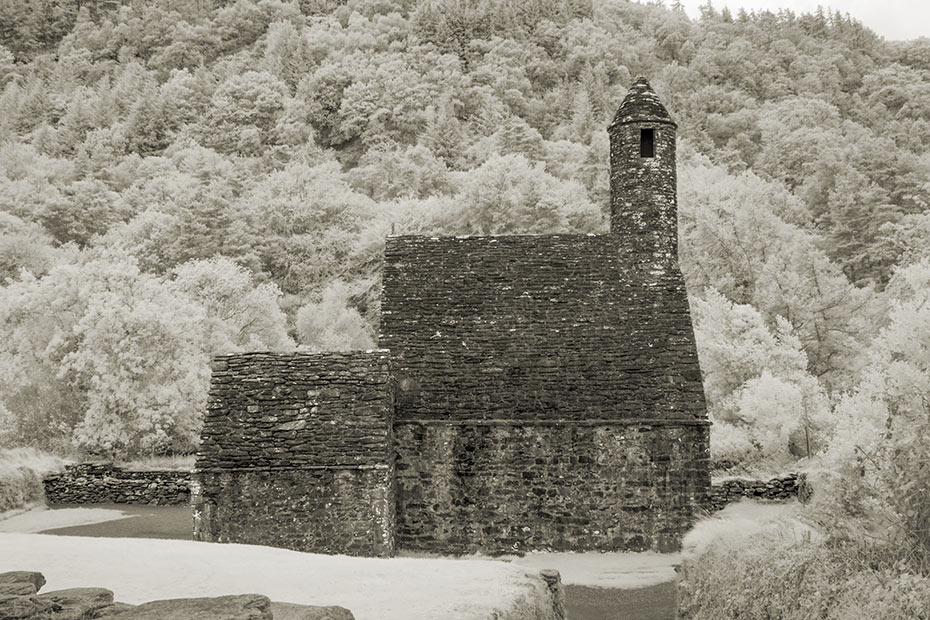
St Kevin’s Church
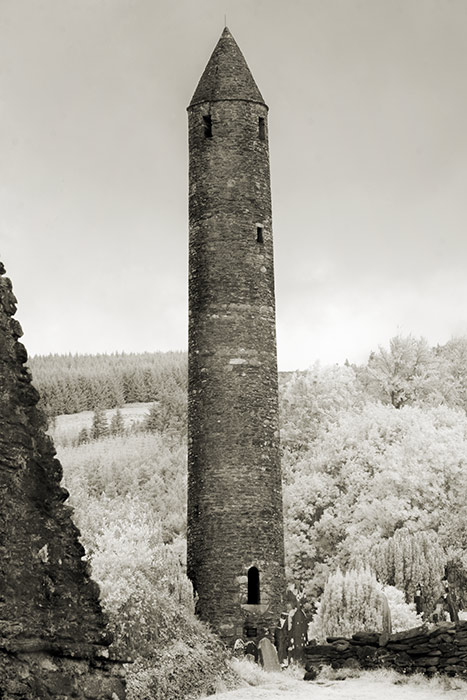
Glendalough Round Tower, Glendalough
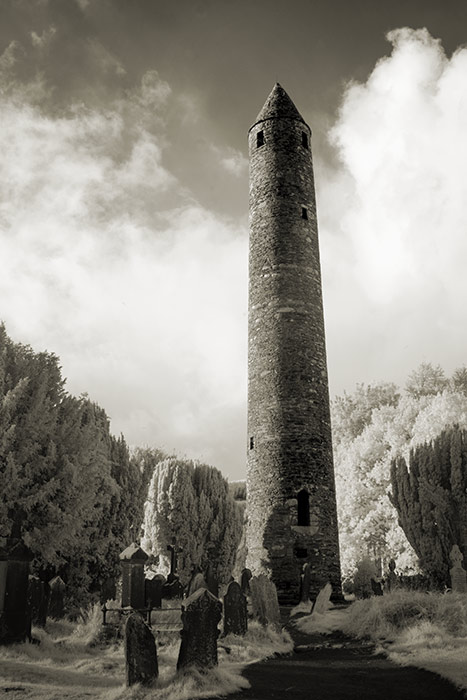
Glendalough Round Tower, Glendalough
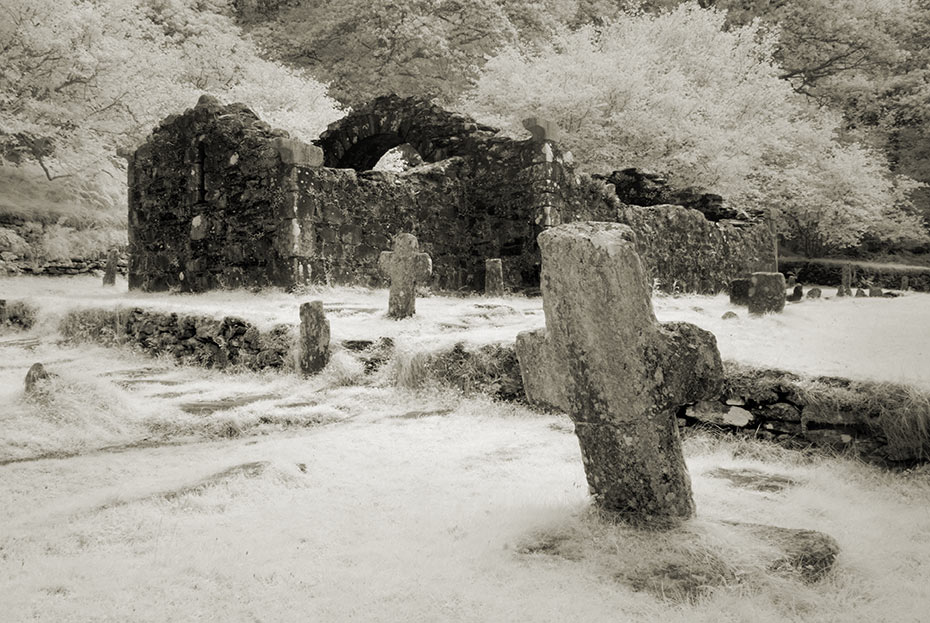
Glendalough Reefert Church and crosses, Glendalough Monastic City
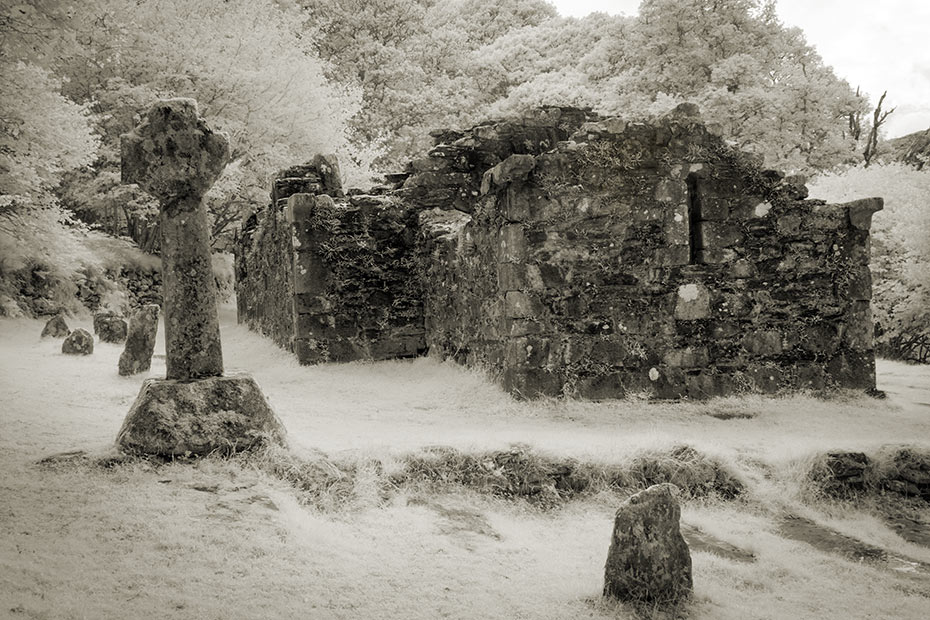
Glendalough Reefert Church and cross, Glendalough Monastic City
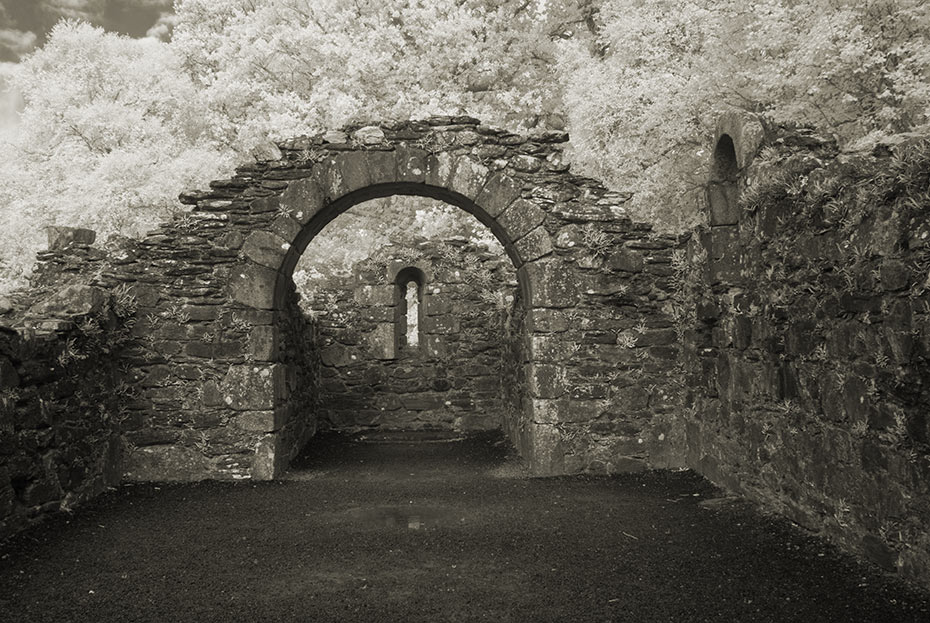
Glendalough Reefert Church
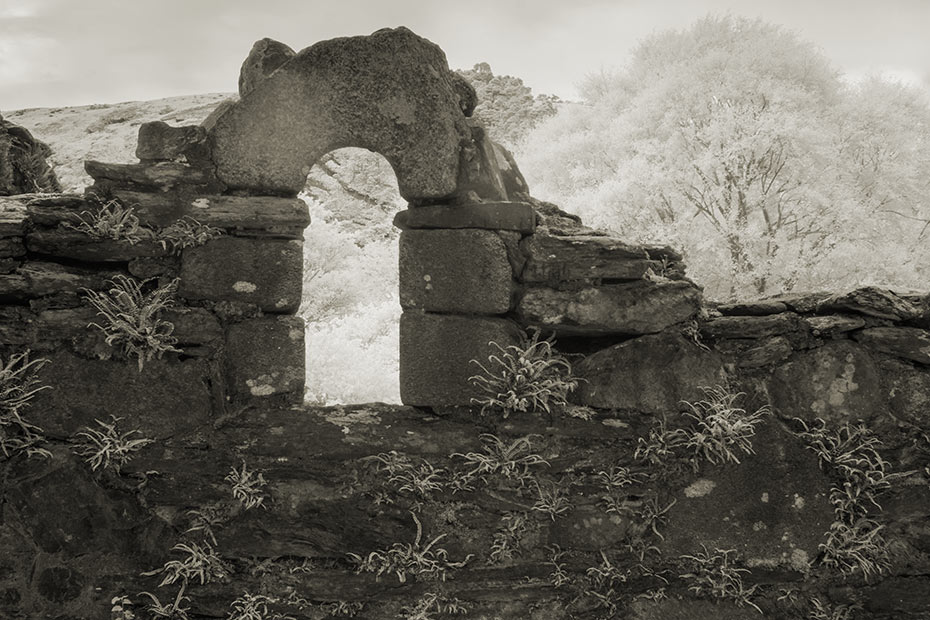
Glendalough Reefert Church
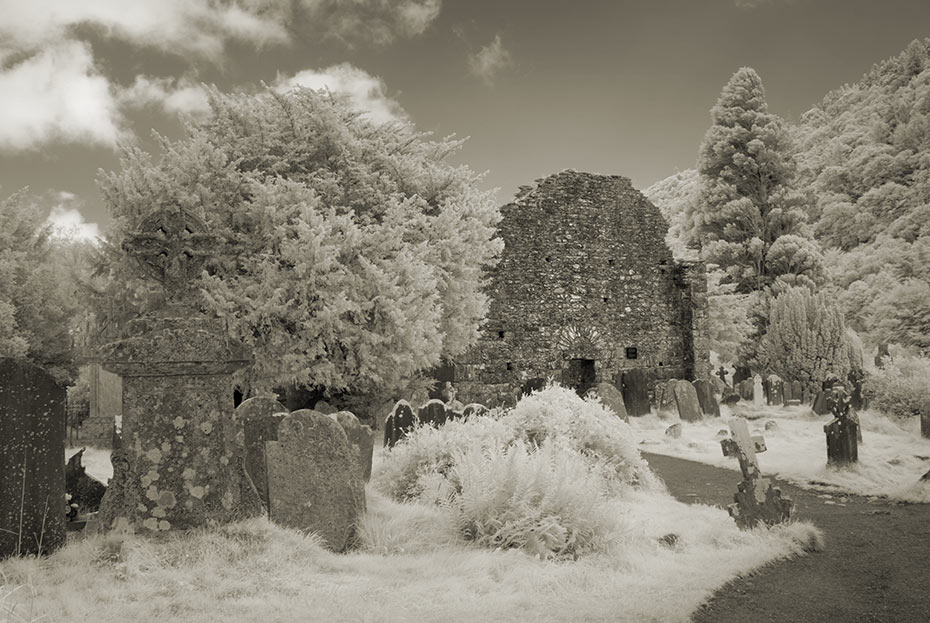
Glendalough Cathedral
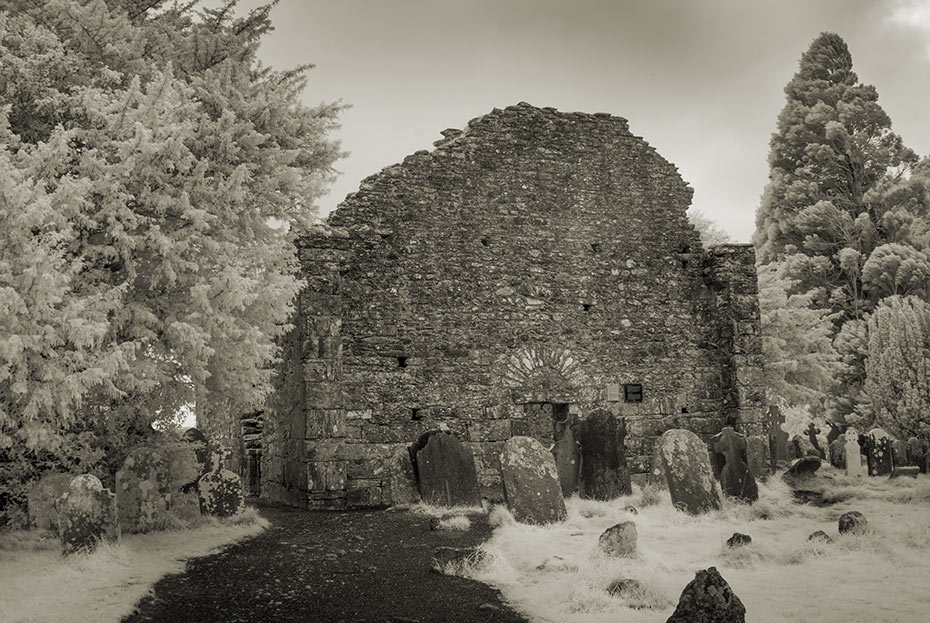
Glendalough Cathedral
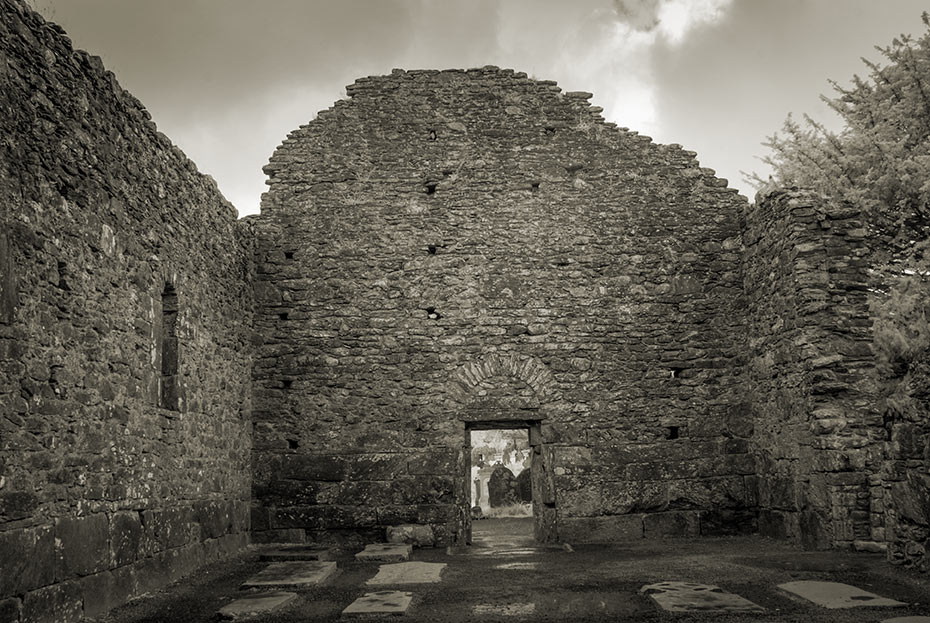
Glendalough Cathedral
Nine crosses at Glendalough Monastic City
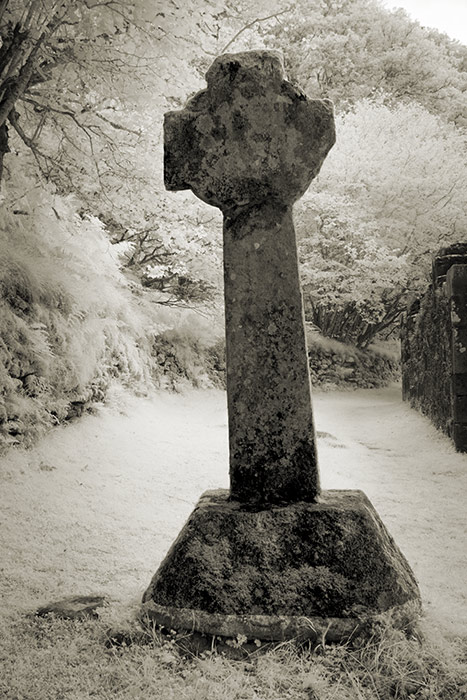
Reefert Cross, Glendalough, Co Wicklow, Ireland
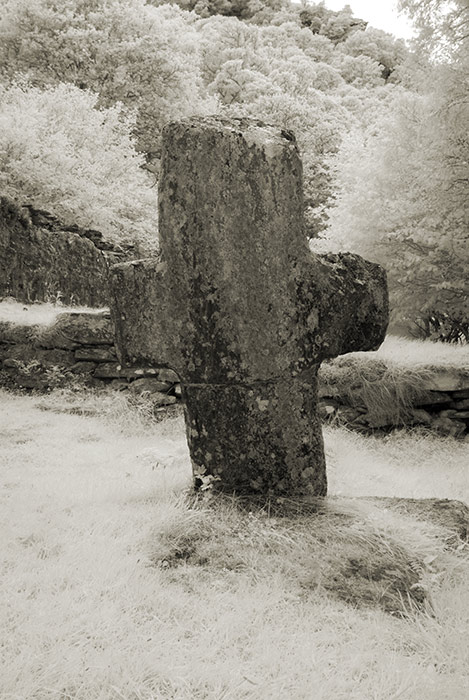
Cross at Reefert Church ruin, Glendalough
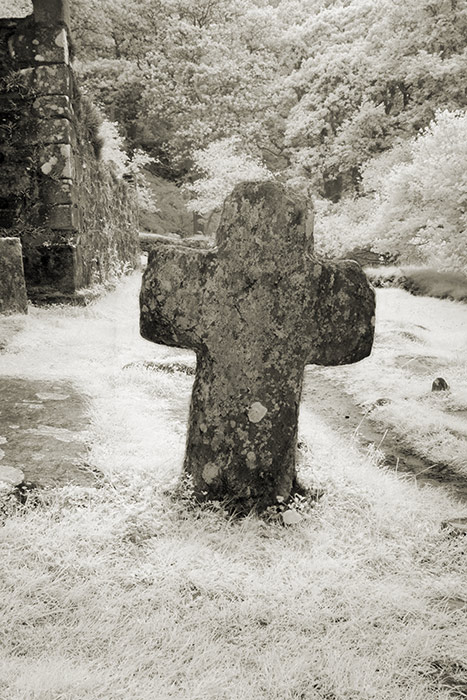
Rough Cross at Reefert Church ruin, Glendalough
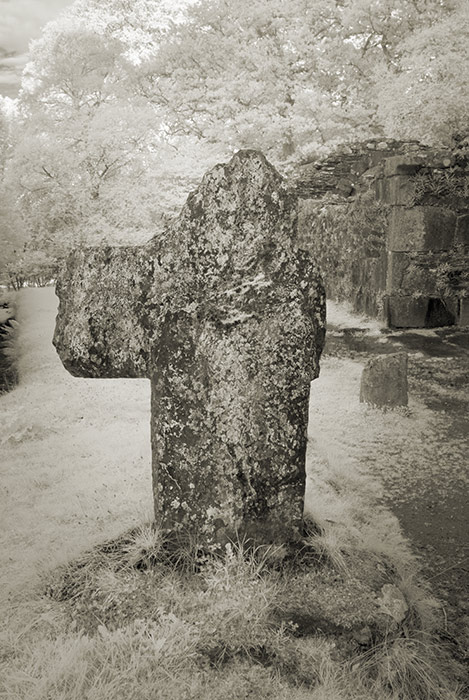
Broken Cross at Reefert Church ruin, Glendalough Monastic City
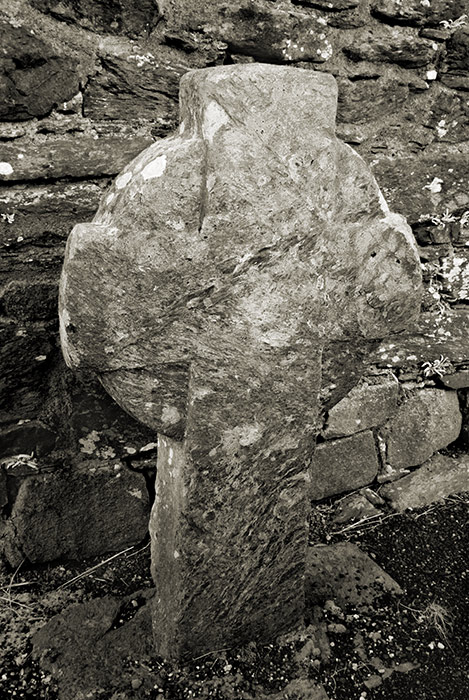
High Cross (with broken shaft?), Glendalough
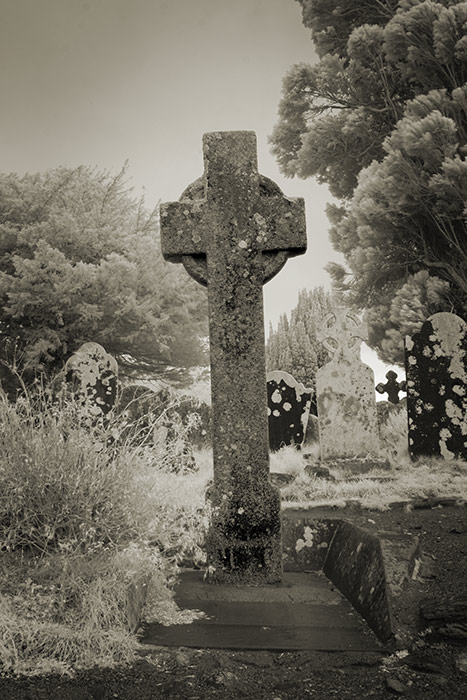
St Kevin’s Cross, Glendalough Monastic City
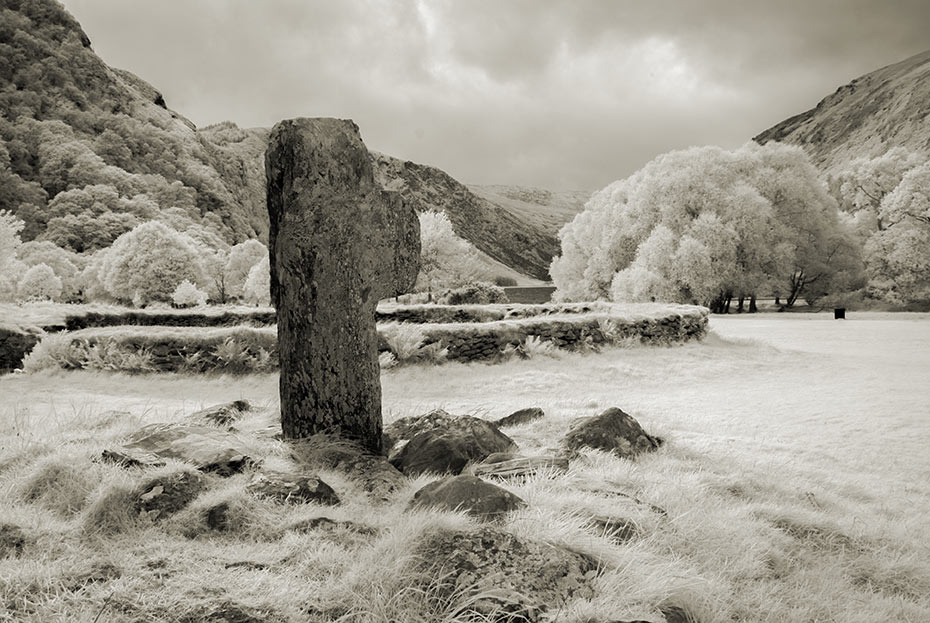
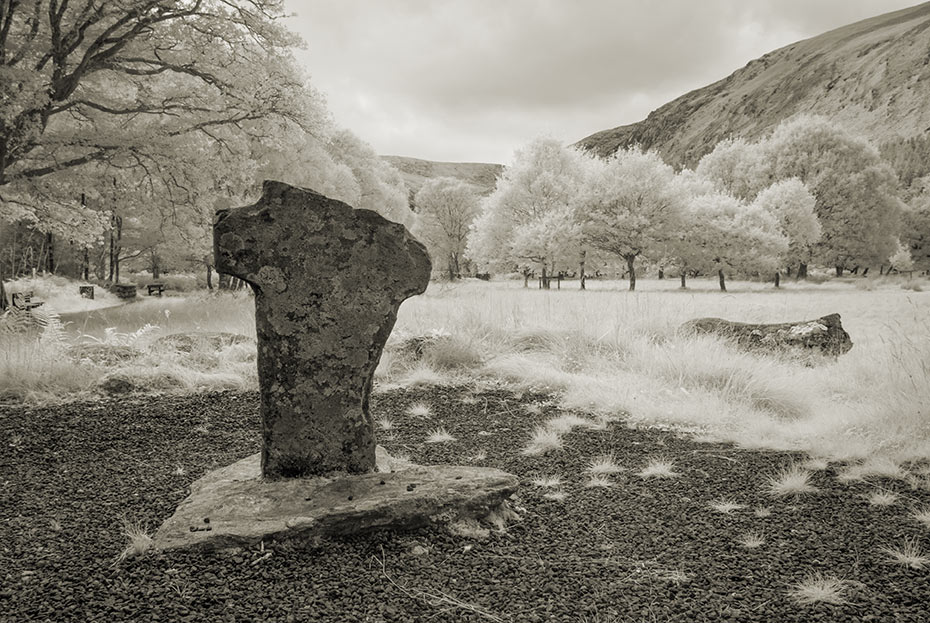
Three more broken crosses, Glendalough Monastic City
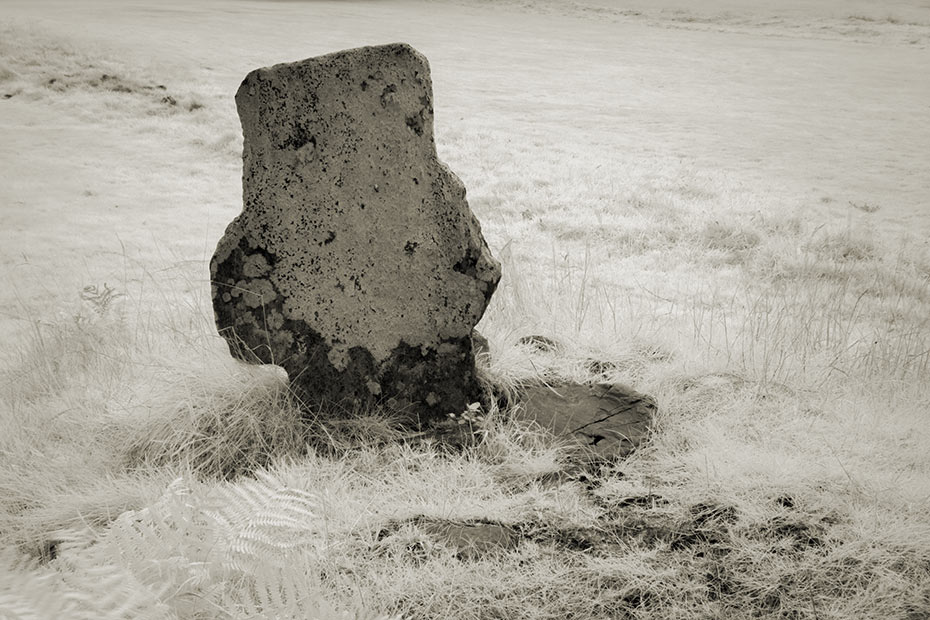
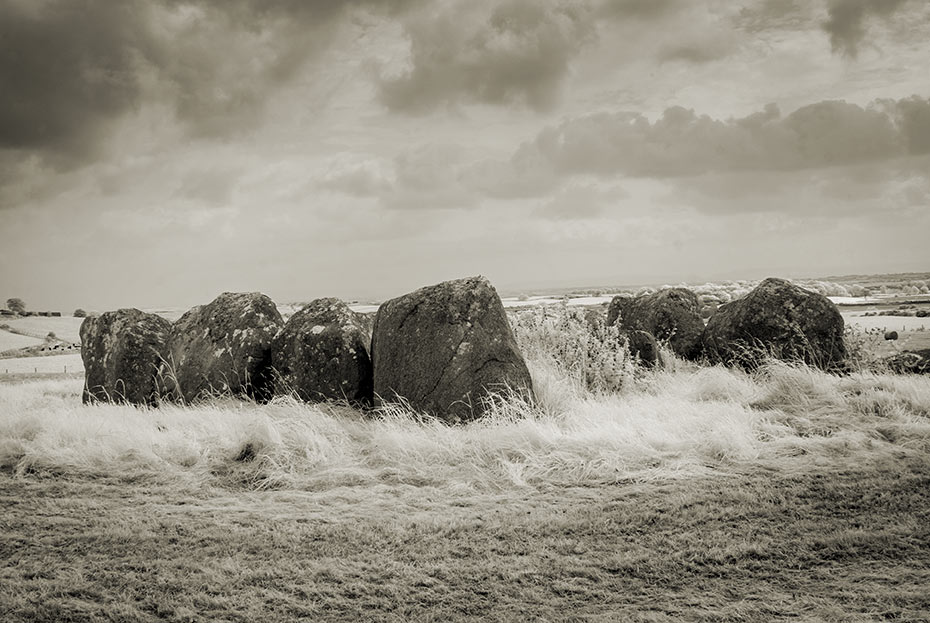
Rathfranpark Wedge Tomb, Co Mayo, Ireland
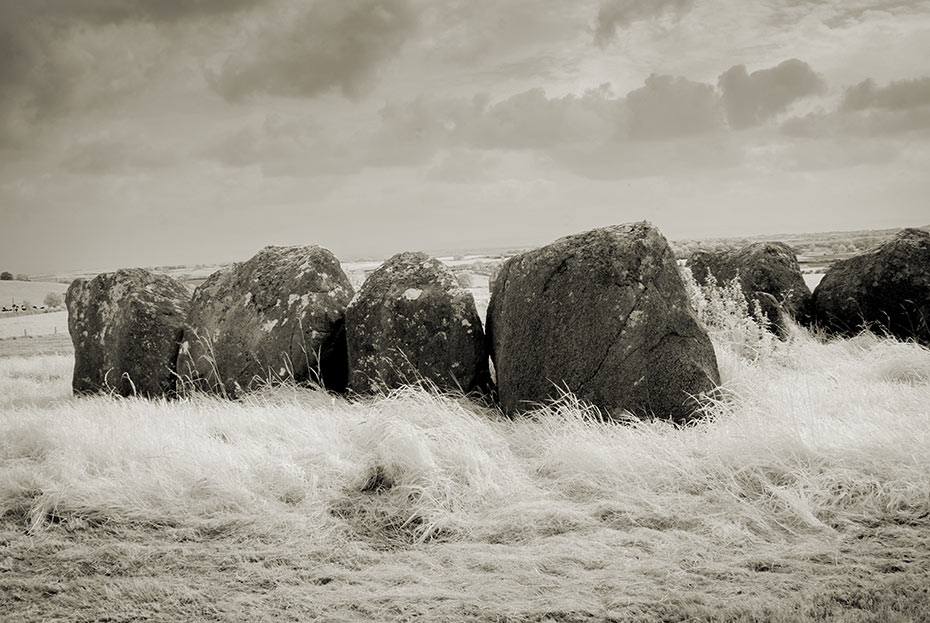
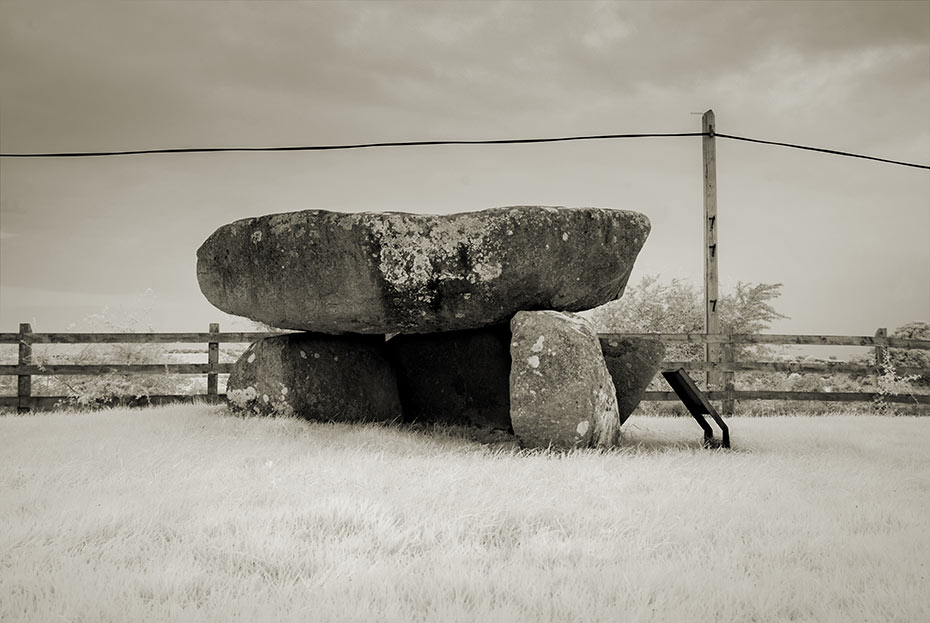
Dolmen of the Four Maols, Ballina, Co Mayo, Ireland
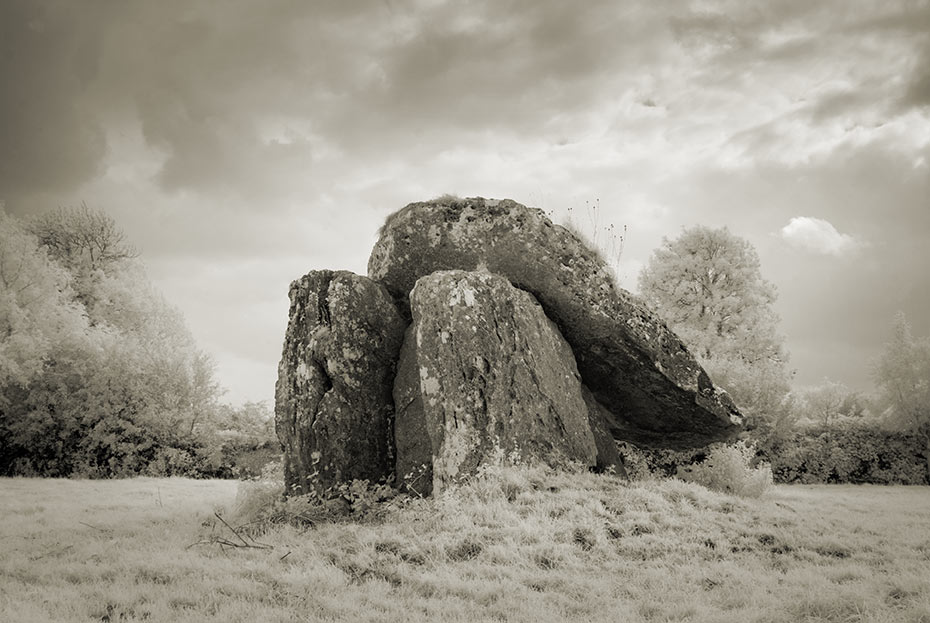
Drumanone Portal Tomb aka Tinnacarra Dolmen, Co Roscommon, Ireland
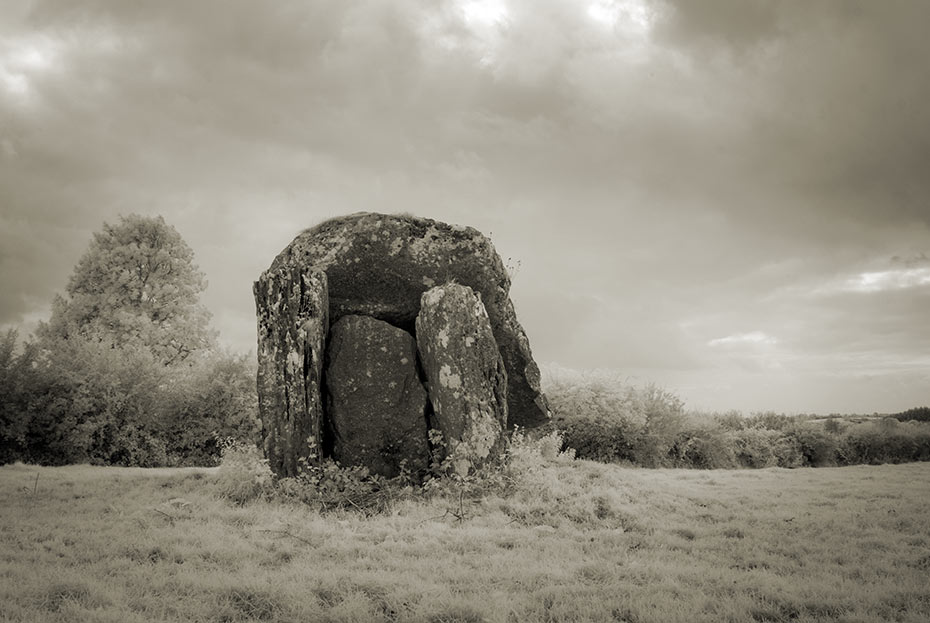
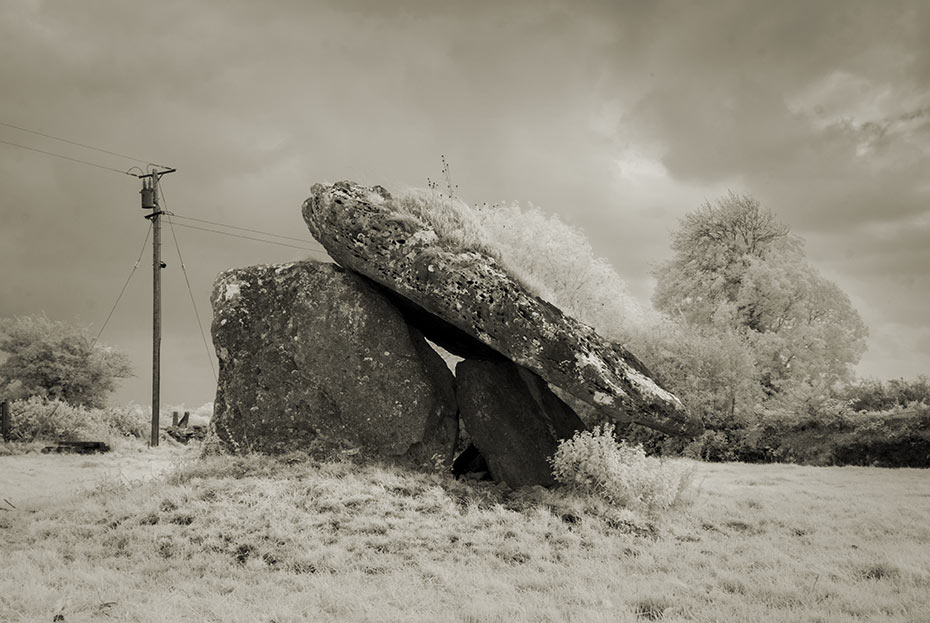
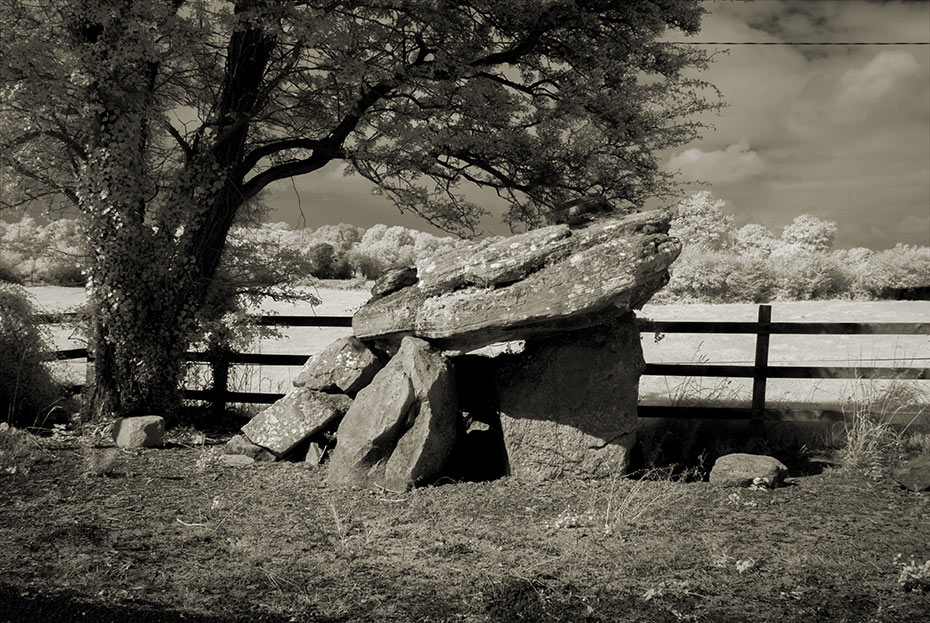
Annaghmore Portal Tomb, Co Leitrim, Ireland
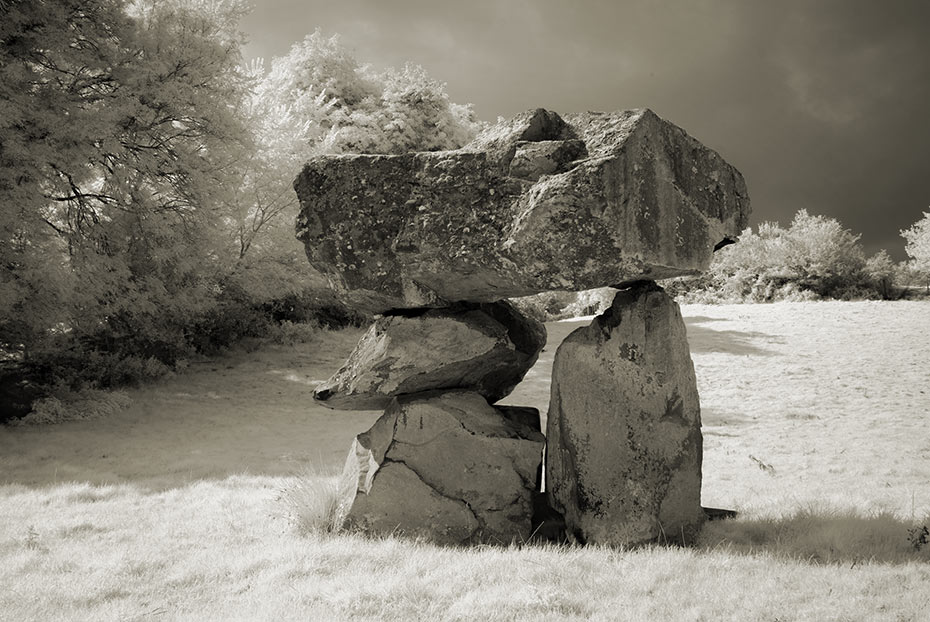
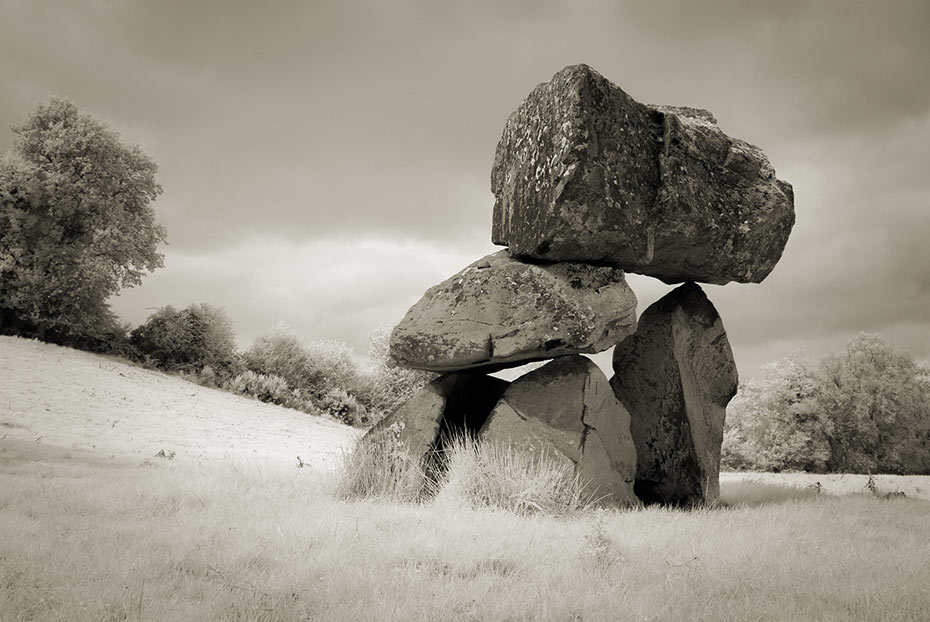
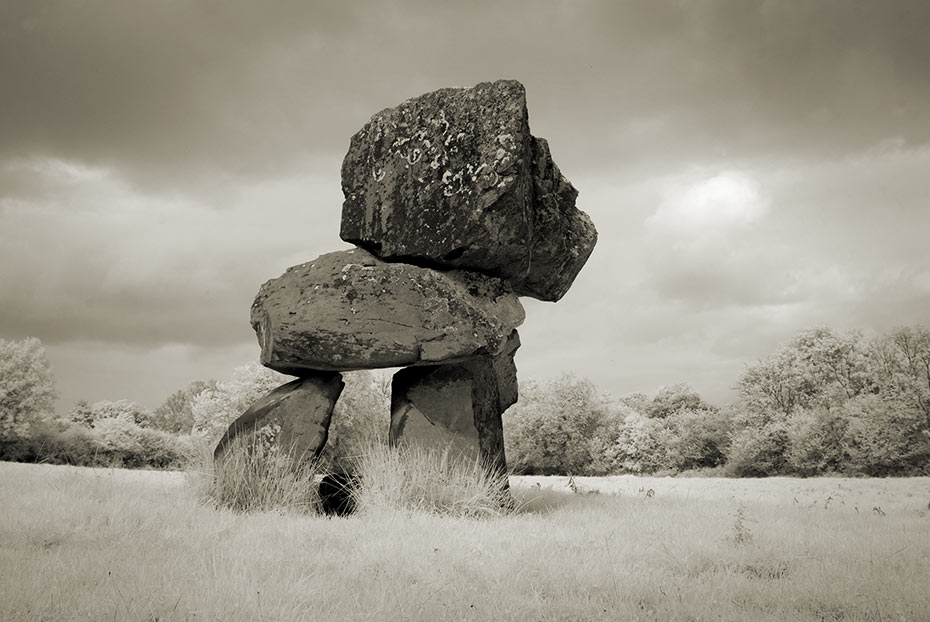
Aghnacliff Portal Tomb, Co Longford, Ireland
Also spelt Aughnacliff Portal Tomb or Aghnacliffe Portal Tomb
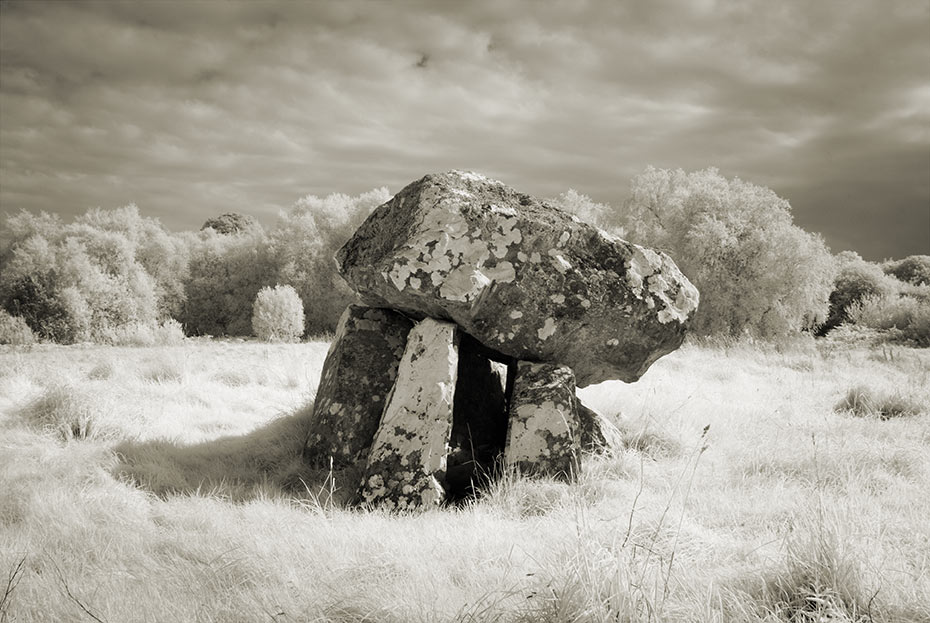
Cleenrah Dolmen aka Cleenrath, Aughnacliff, Co Longford, Ireland
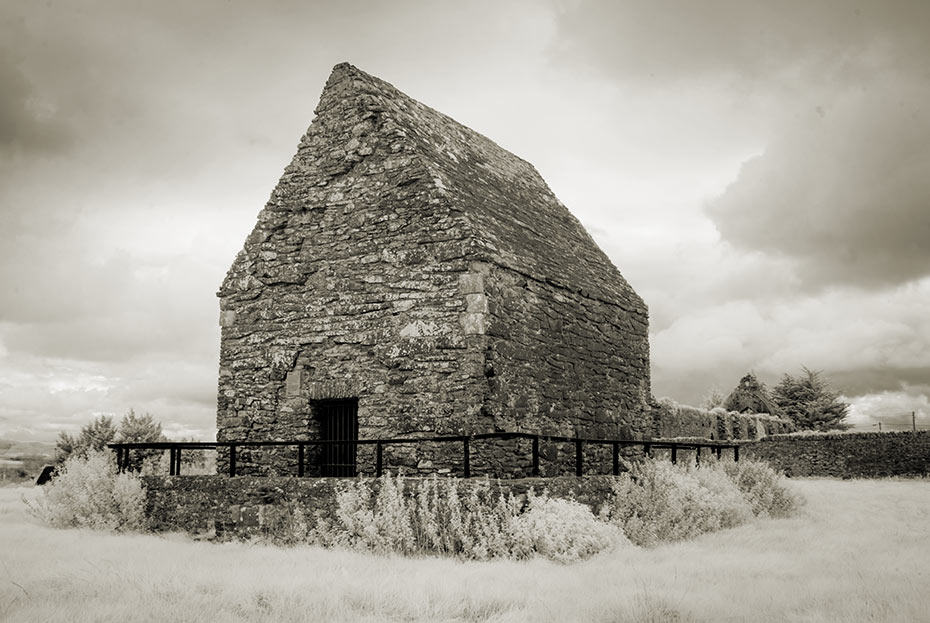
St Mochta’s House, Louth, Co Louth, Ireland
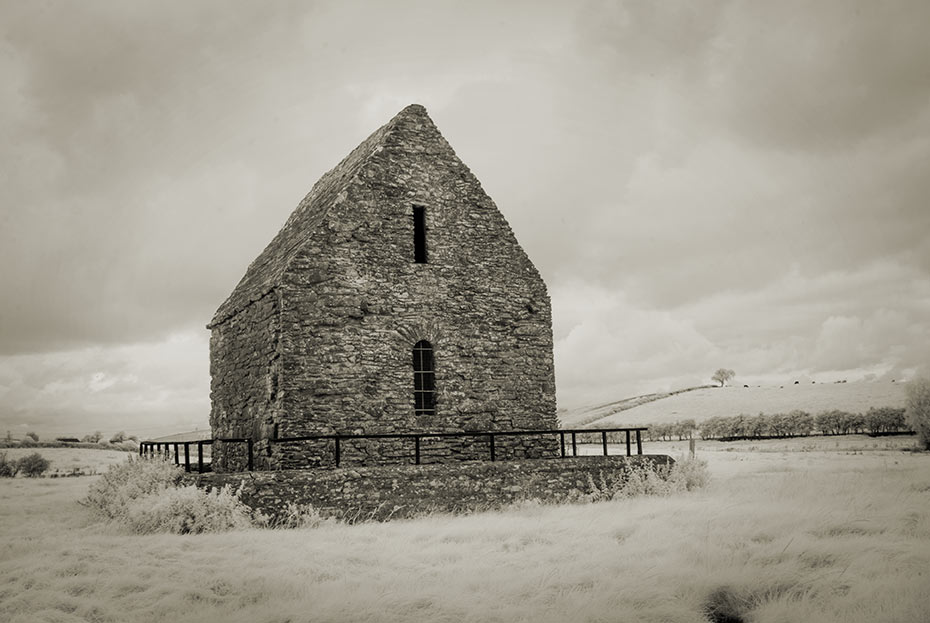
St Mochta, a disciple of St Patrick, founded a monastery here in the early 6th century. The building here is thought to date to the 12th Century
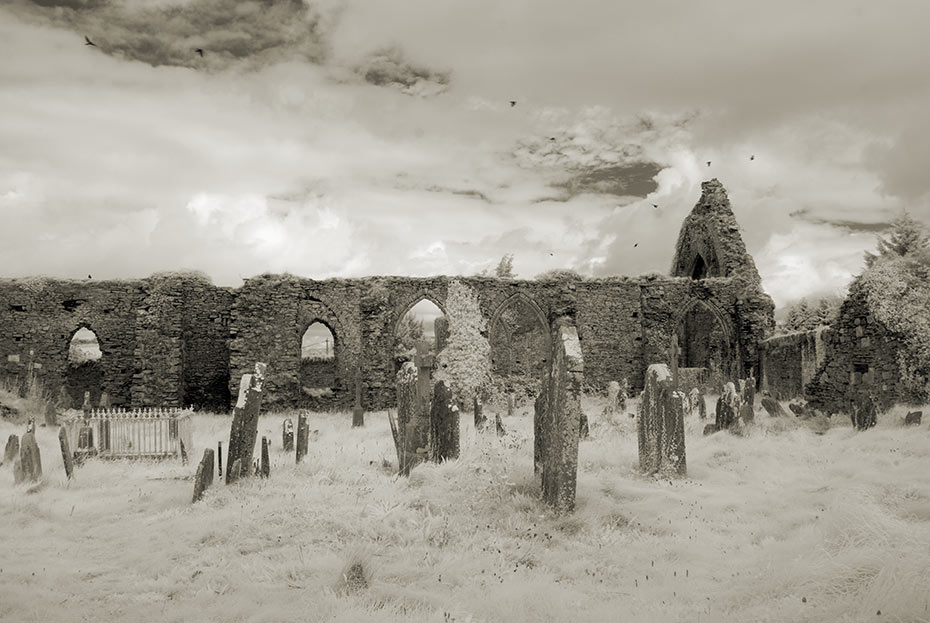
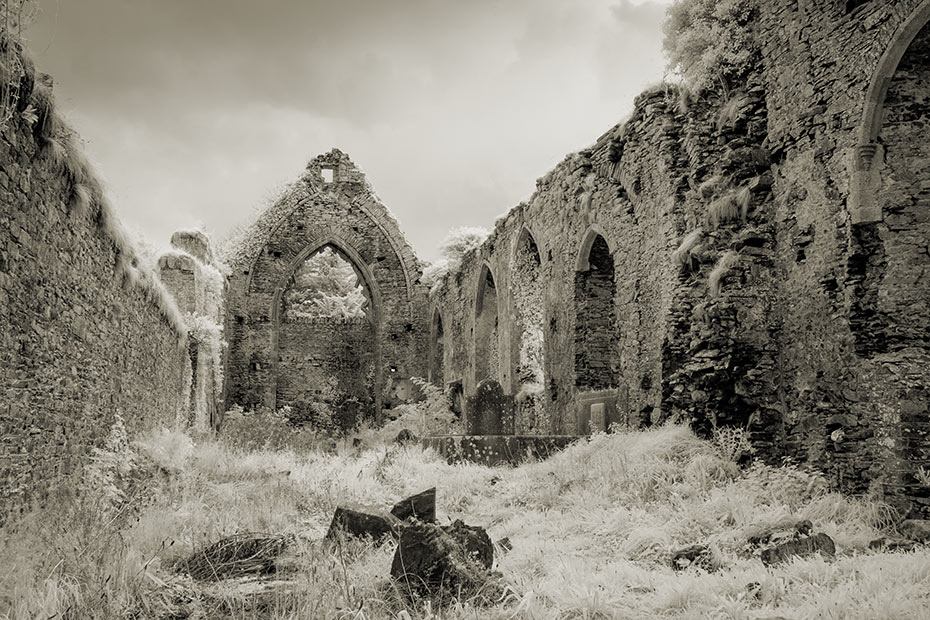
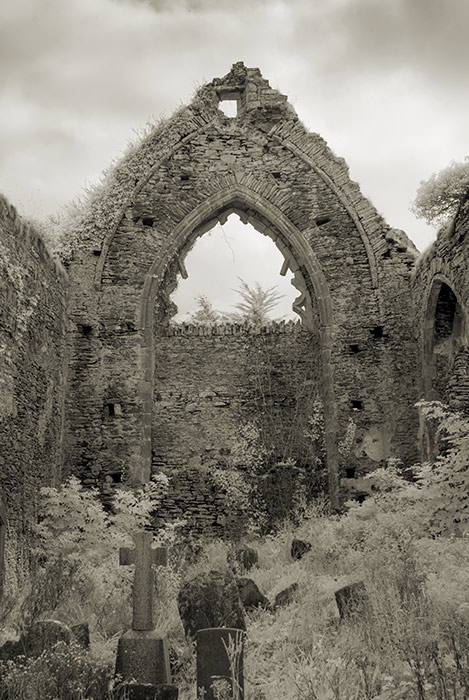
St Mary’s Priory, Louth, Co Louth, Ireland
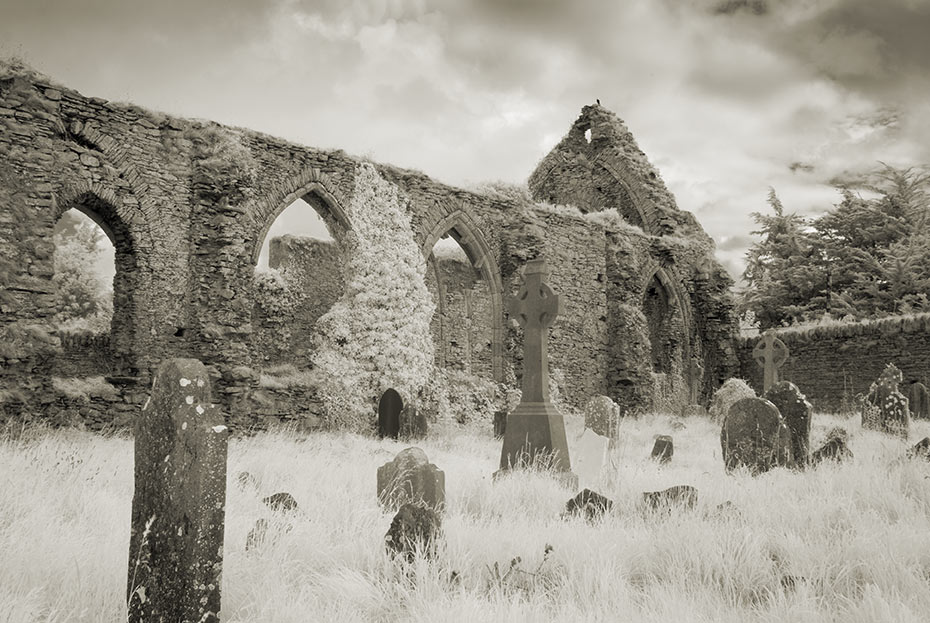
The 13th century church ruins are on the site of a monastery founded by St Mochta early in the 6th century
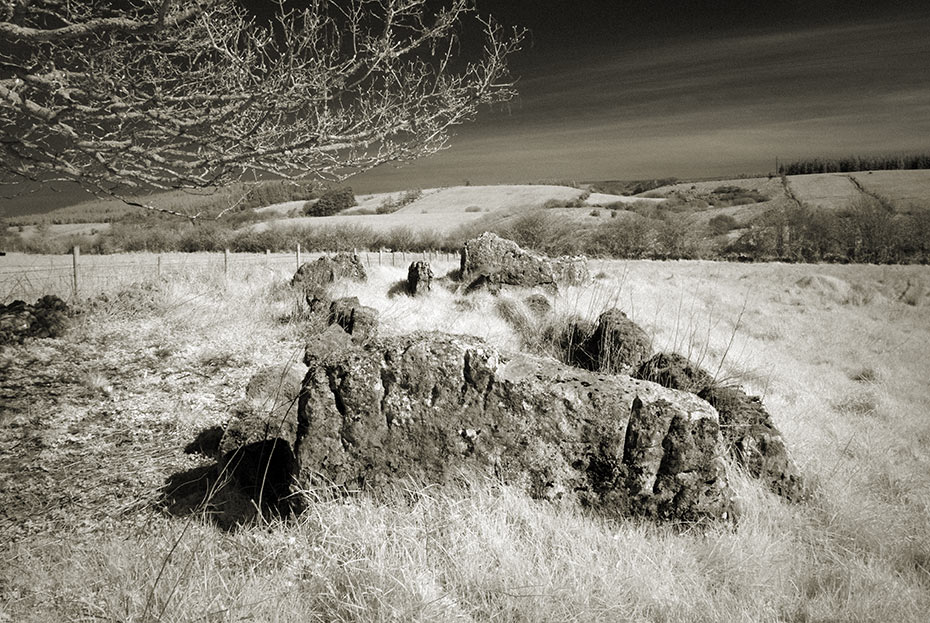
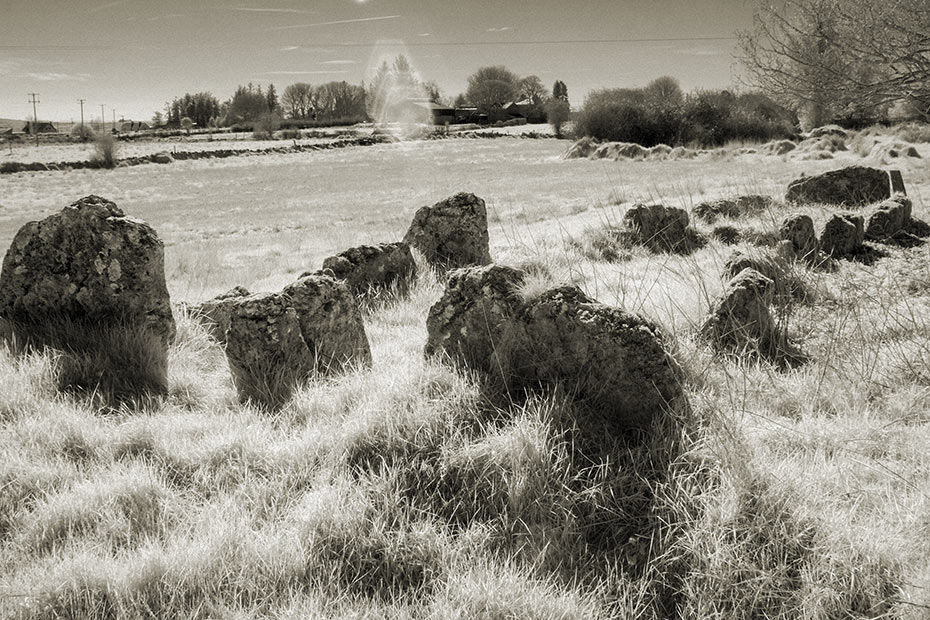
Moytura aka Moytirra East Court Tomb, Co Sligo, Ireland
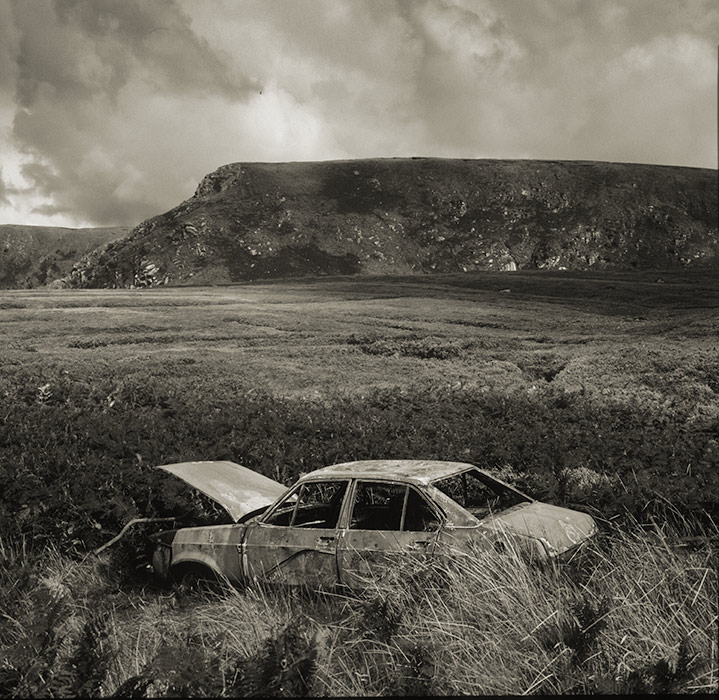
Abandoned rusting Hillman Avenger Car, Co Donegal, Ireland
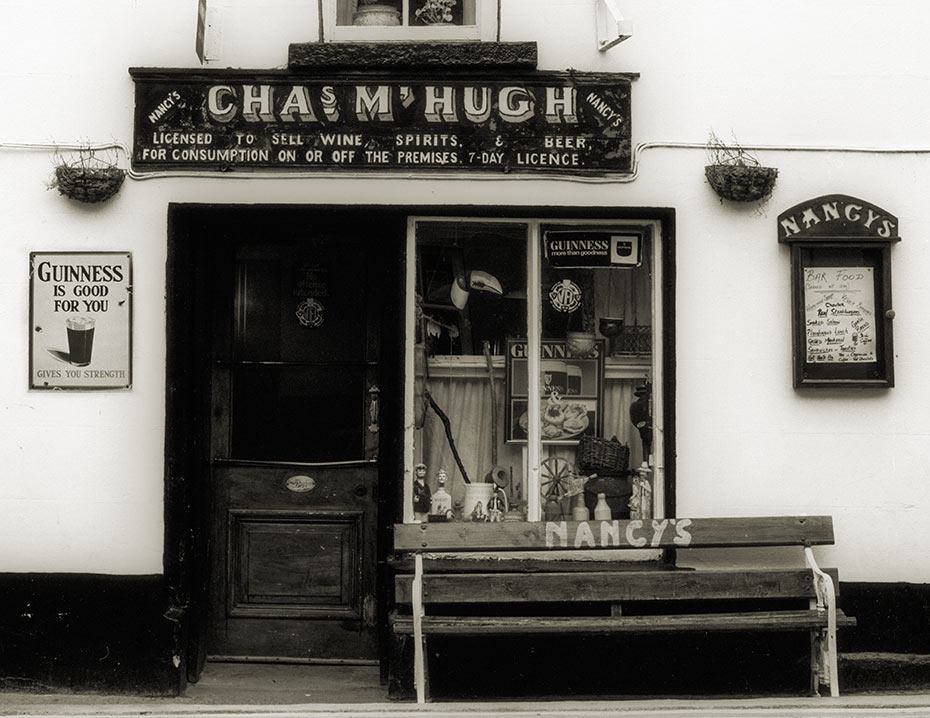
Chas McHugh aka Nancy’s Bar, Ardara, Co Donegal, Ireland. circa 1980
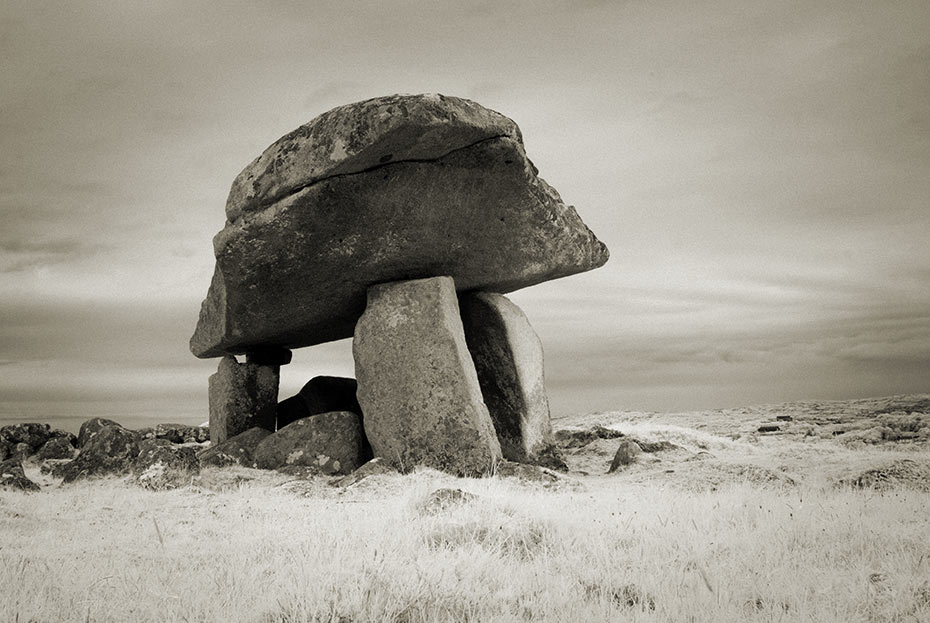
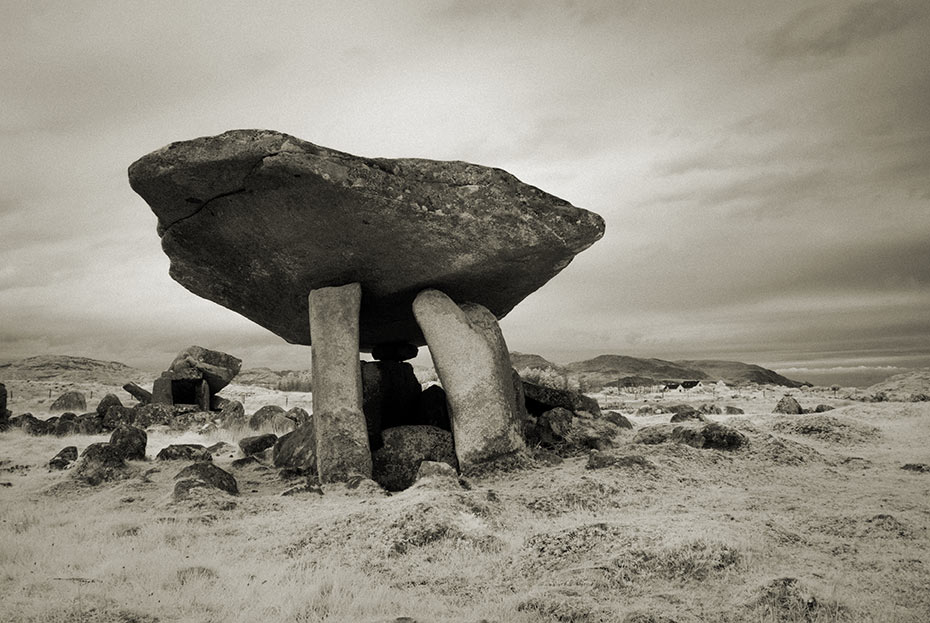
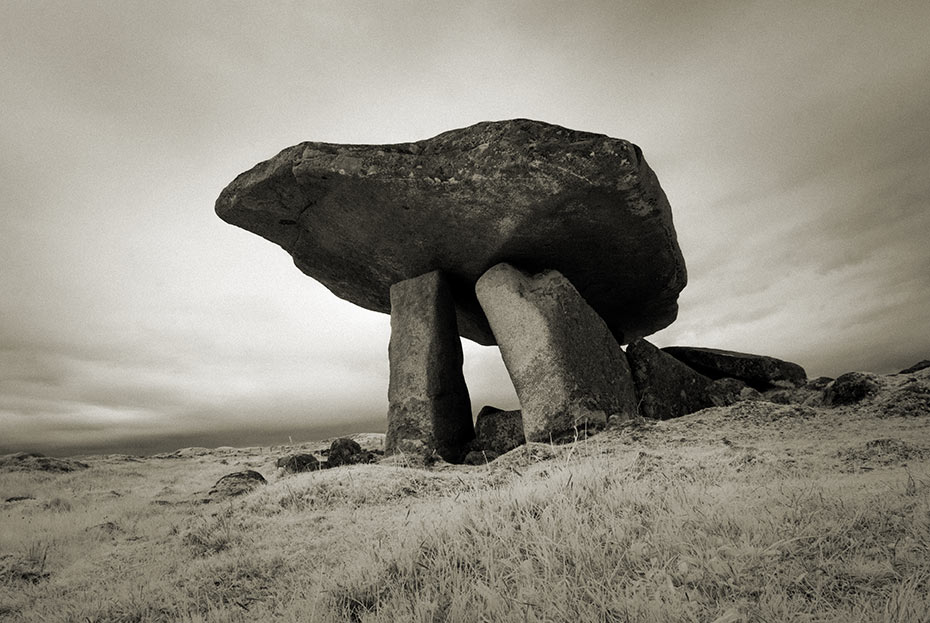
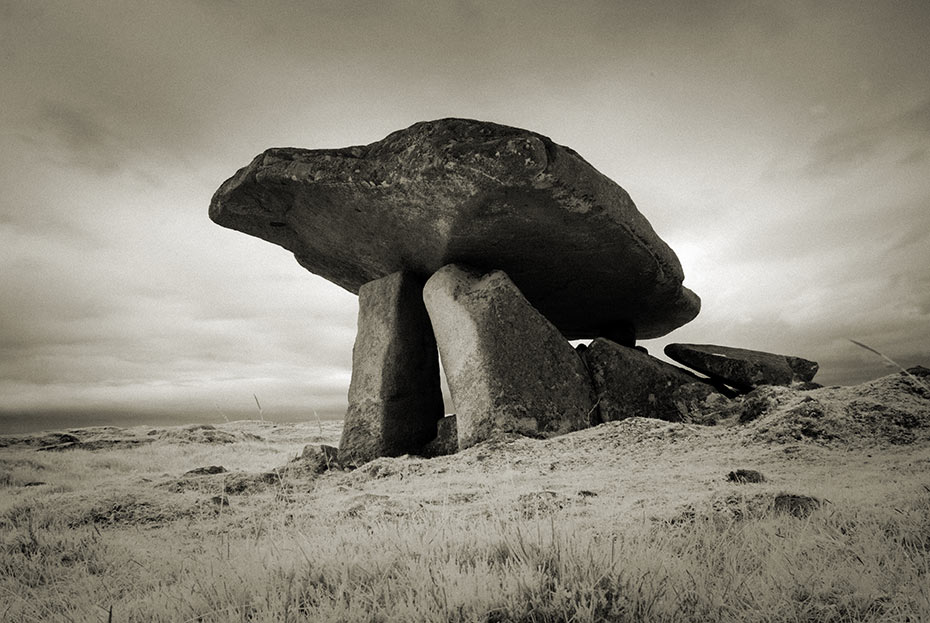
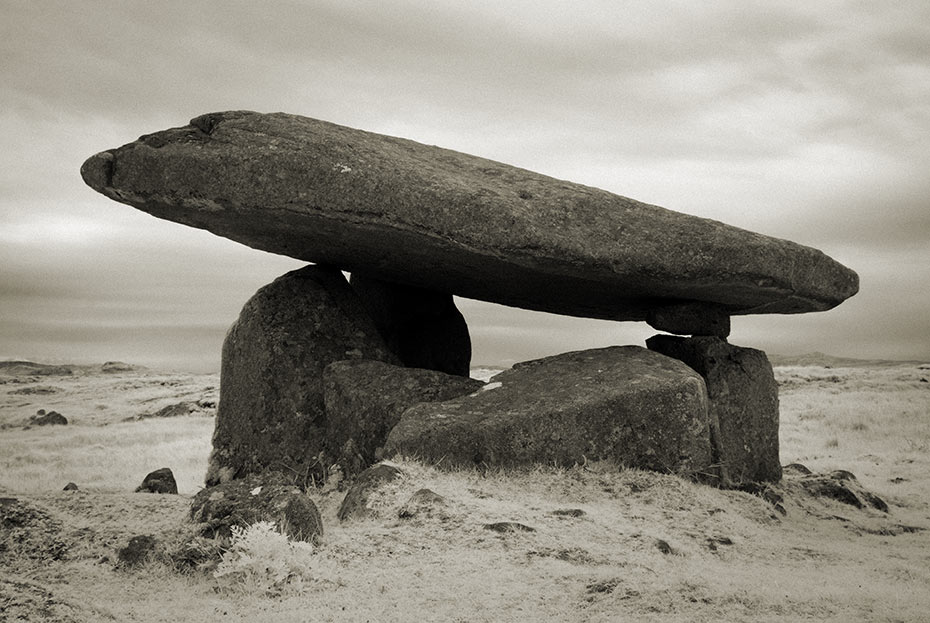
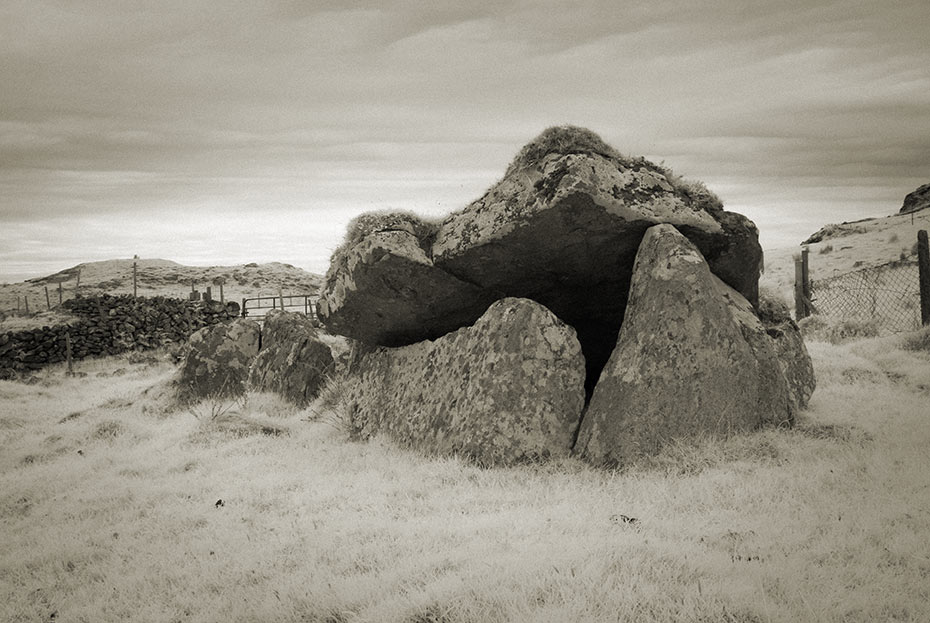
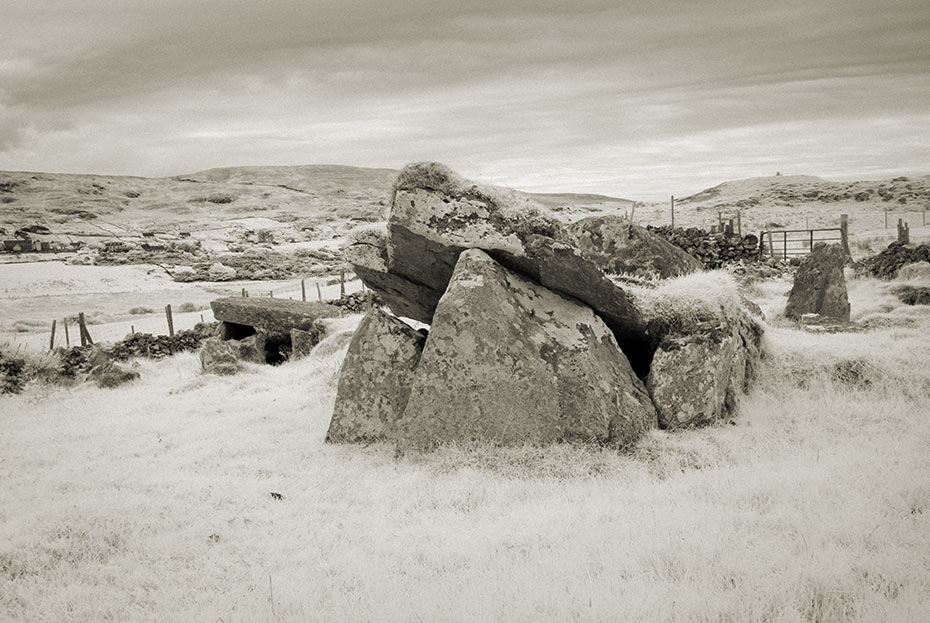
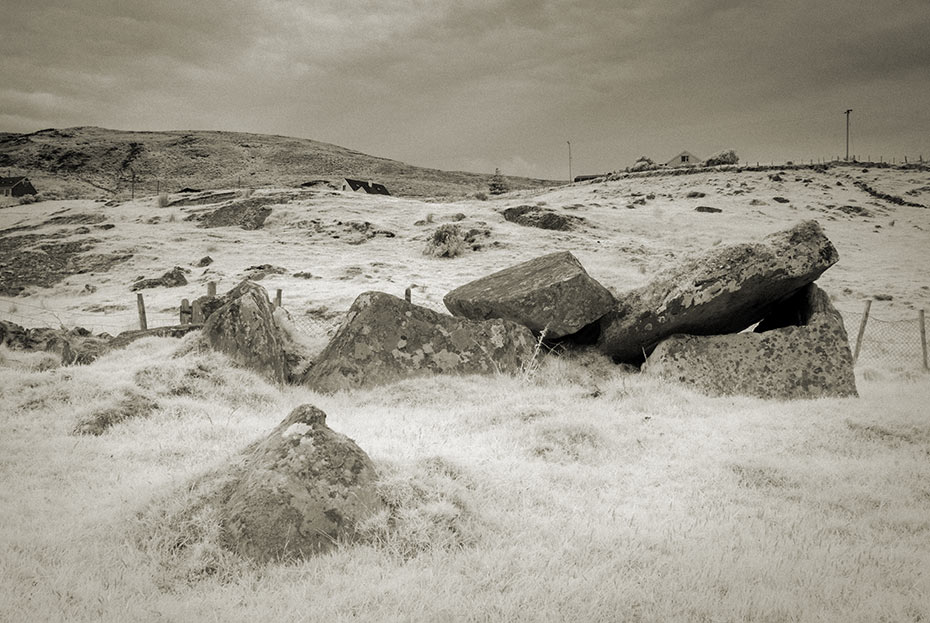
Kilclooney More Dolmen (Portal Tomb), Co Donegal, Ireland
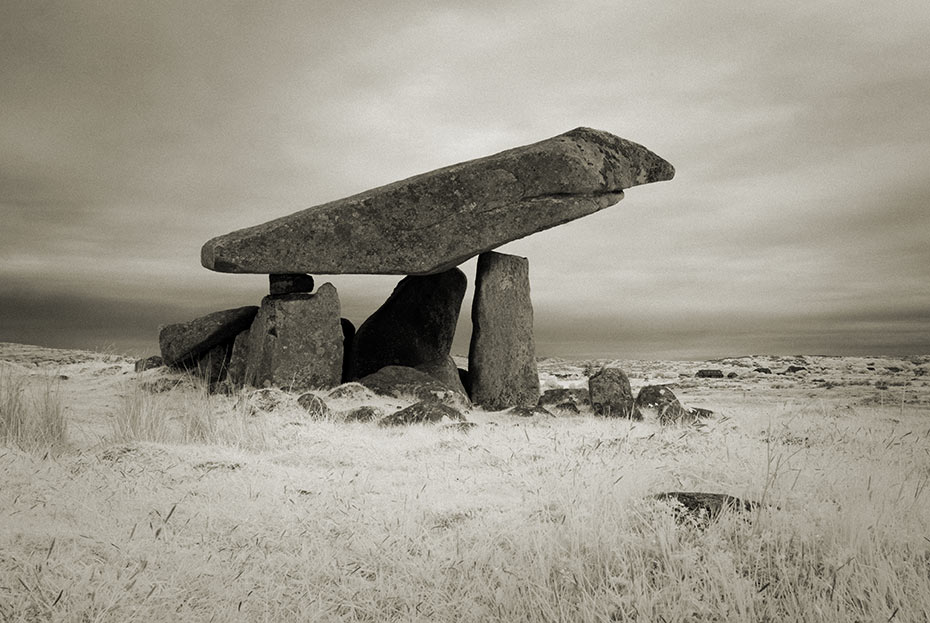
The portal tomb viewed from the south (above)
…viewed from the south east (above)
… viewed from the east (above)
… viewed from the north east (above)
… viewed from the north (above)
and viewed from the north west (above)
Farranmacbride Court Tomb, Glencolmcille, Co Donegal, Ireland
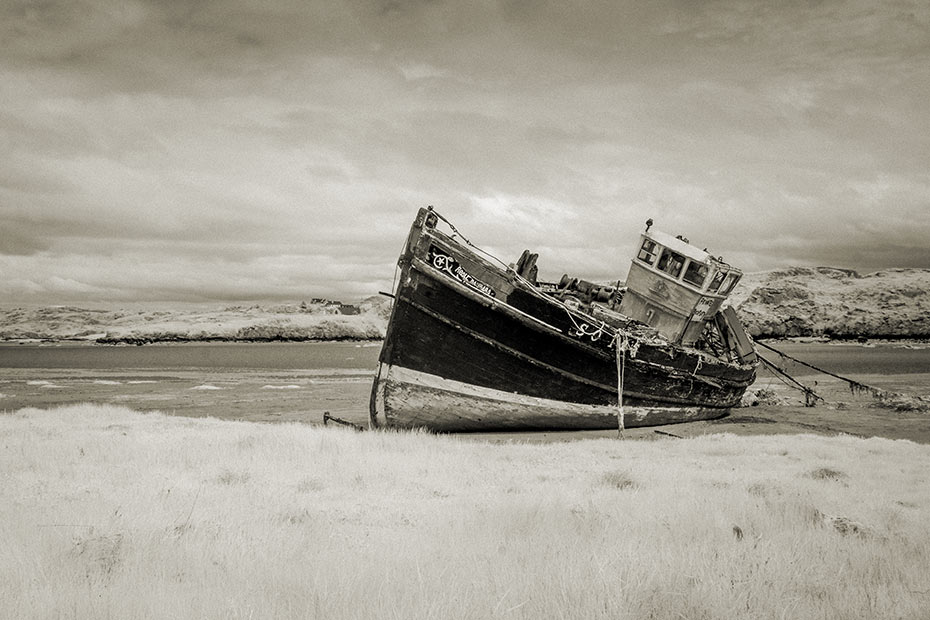
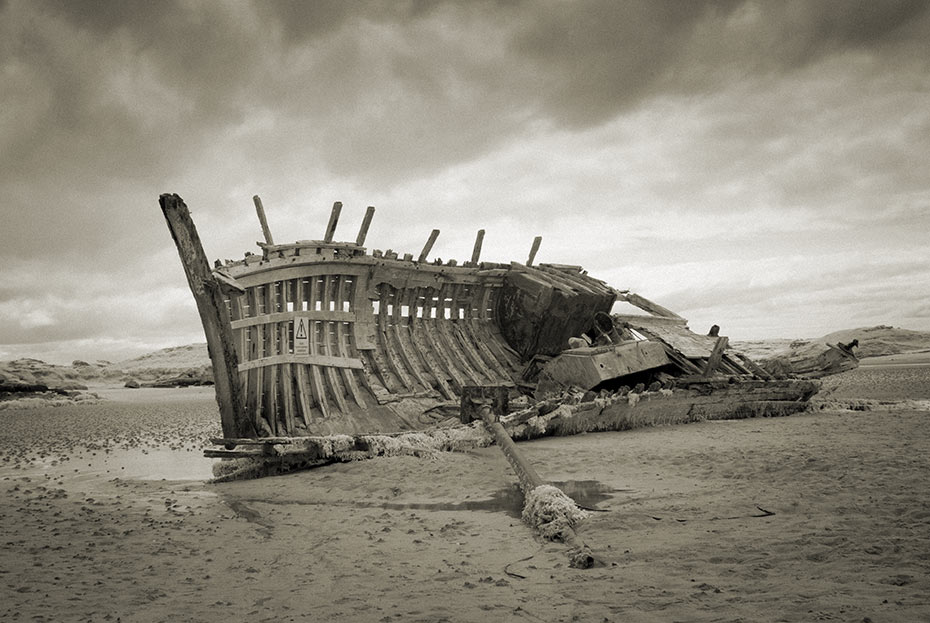
Cruit Island Shipwreck, Co Donegal, Ireland
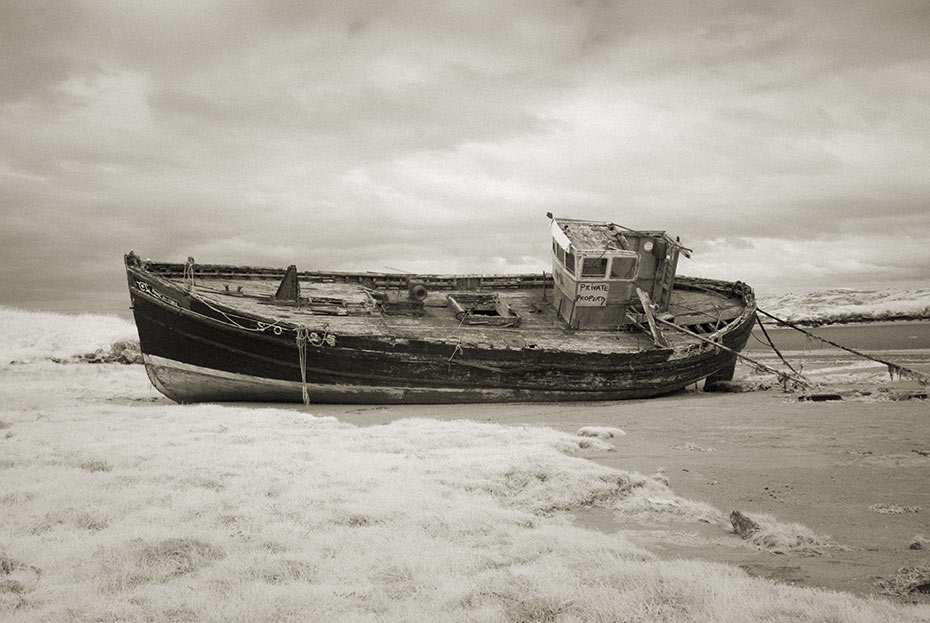
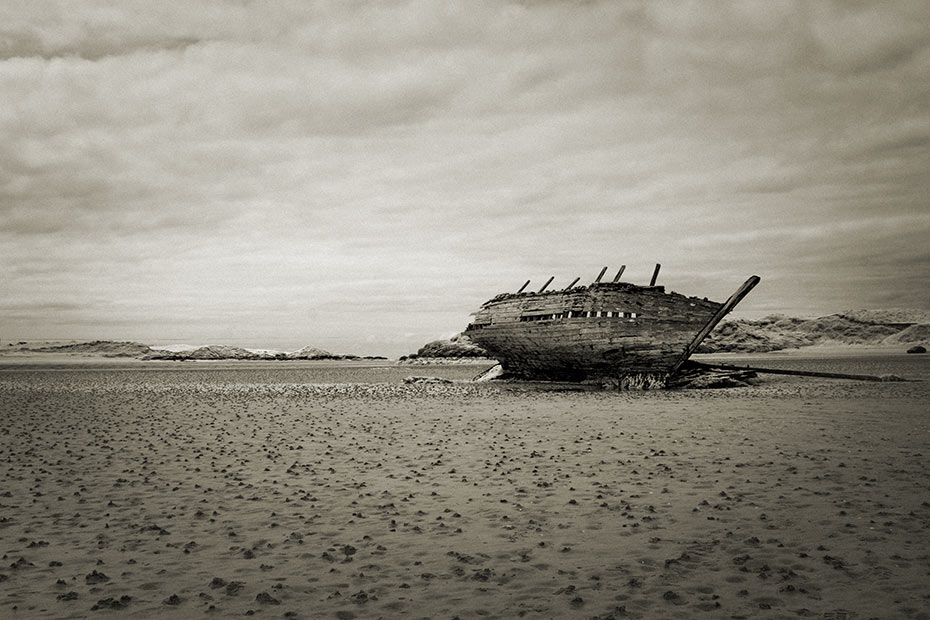
Bunbeg Shipwreck, Co Donegal, Ireland… May 2017
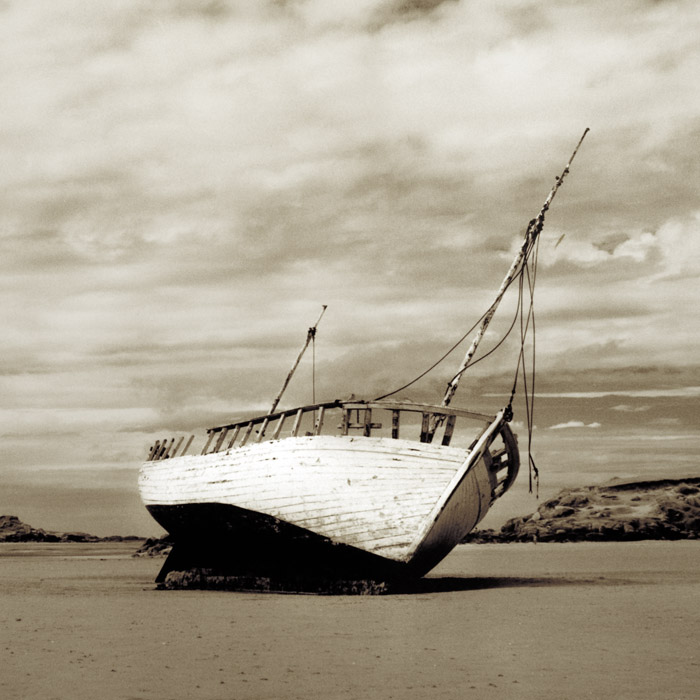
Bunbeg Shipwreck as it was in 1990.
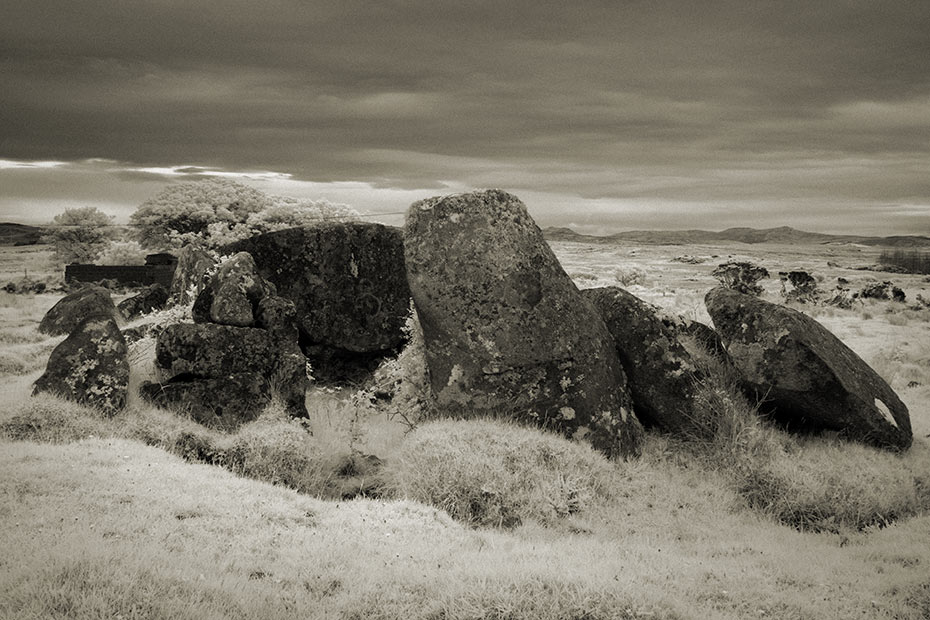
Kilclooney More Court Tomb, Co Donegal, Ireland. The west end of the tomb
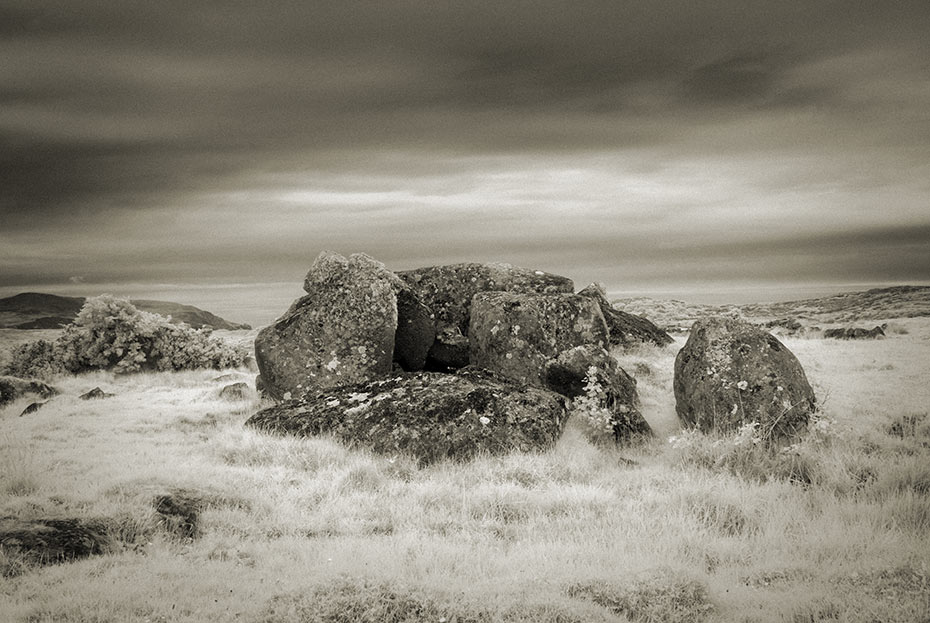
The east entrance to the tomb
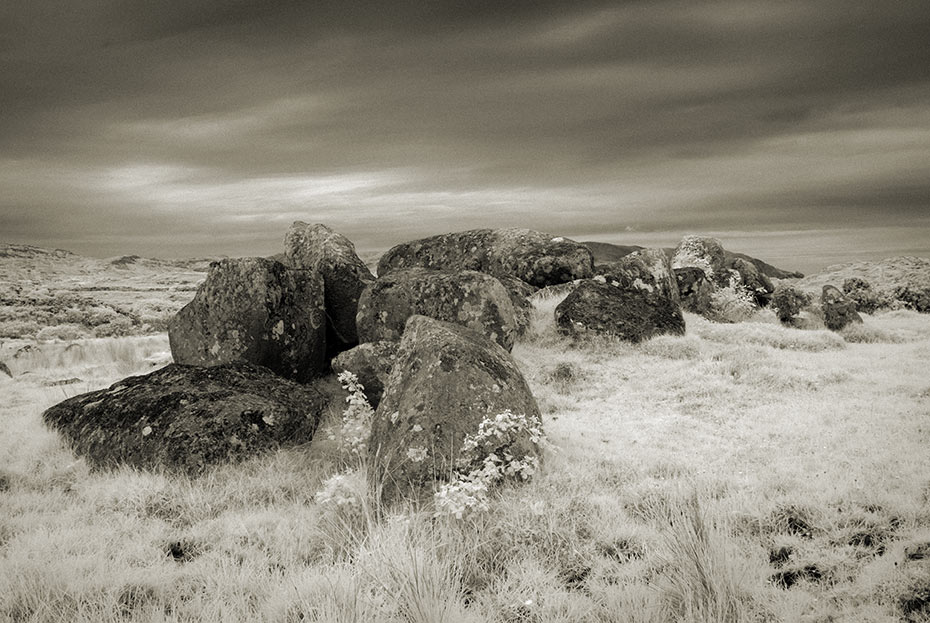
The court tomb viewed from the north east
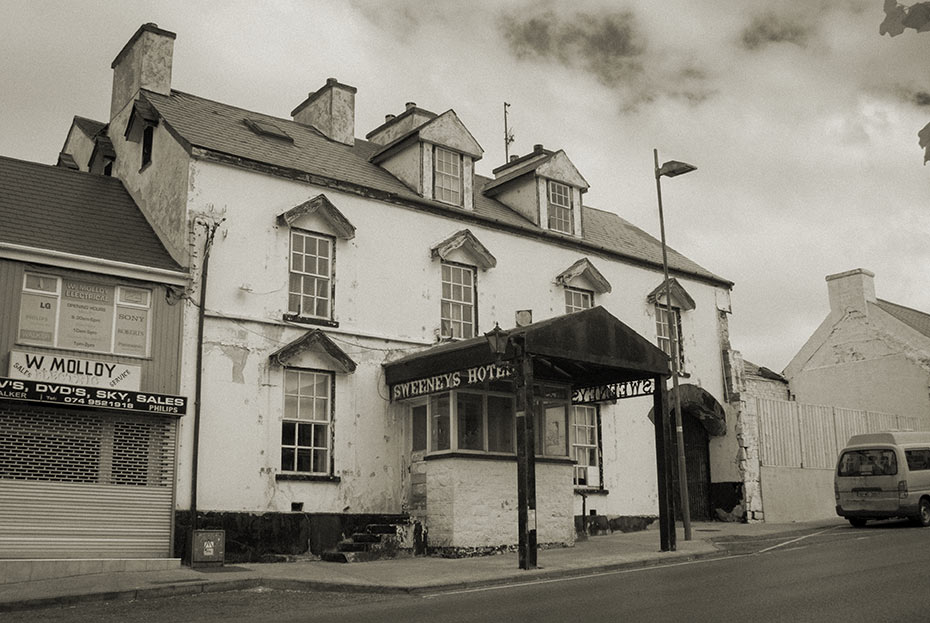
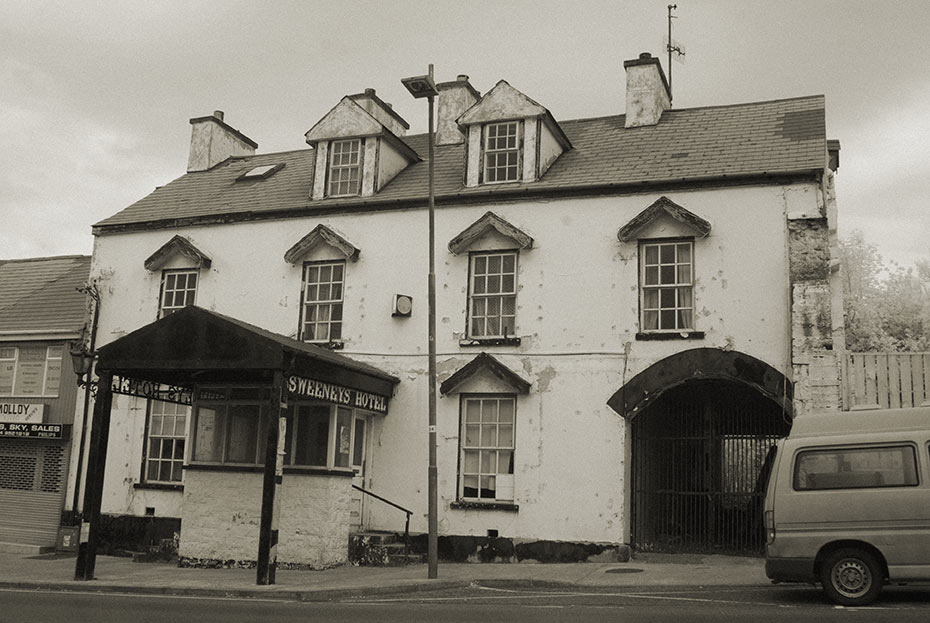
Sweeny’s Hotel, Dungloe, Co Donegal, Ireland

Owenea Standing Stone aka Ardara Standing Stone, Ardara, Co Donegal, Ireland
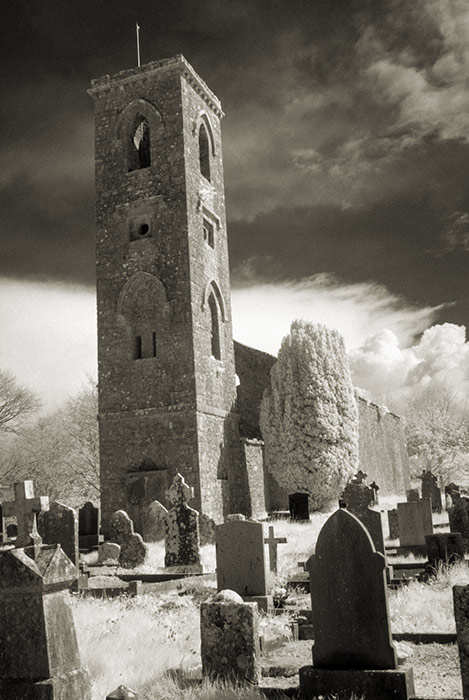
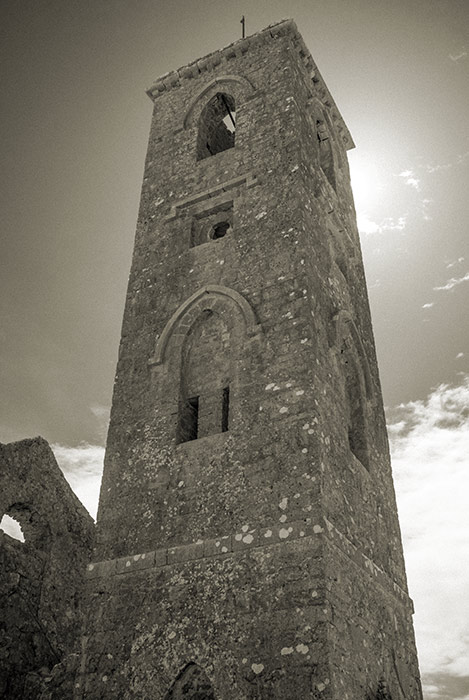
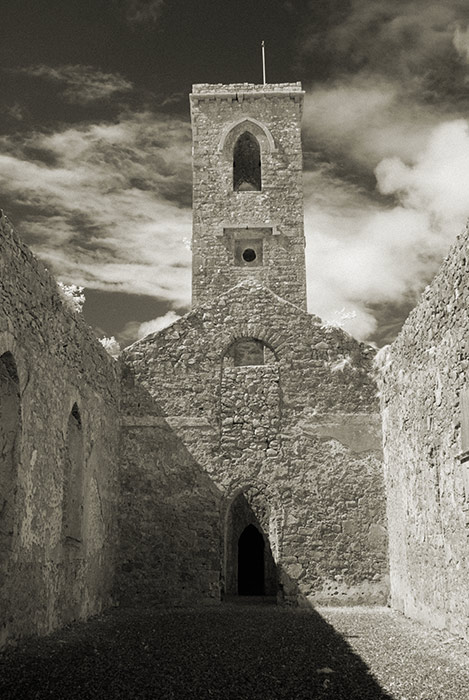
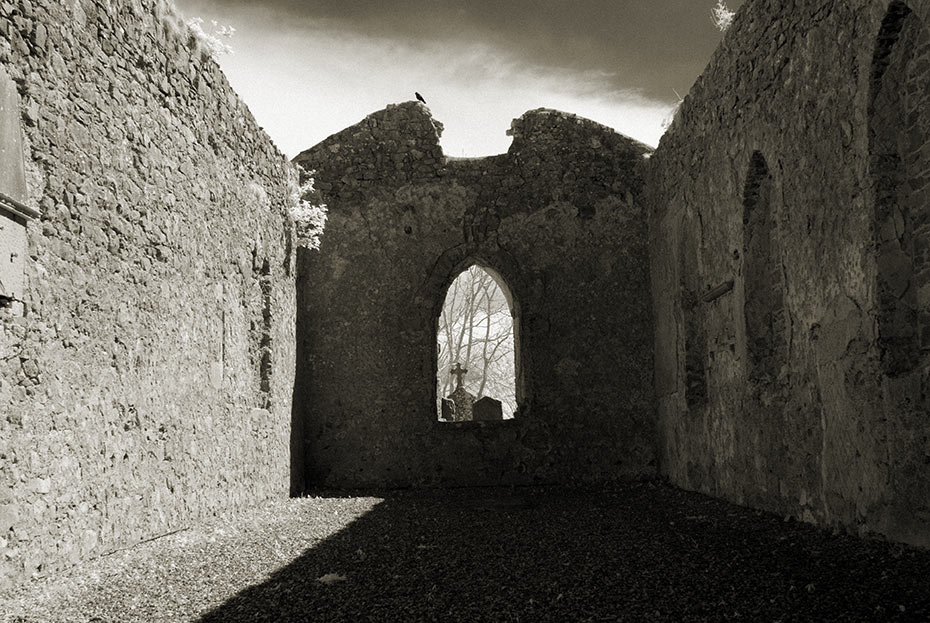
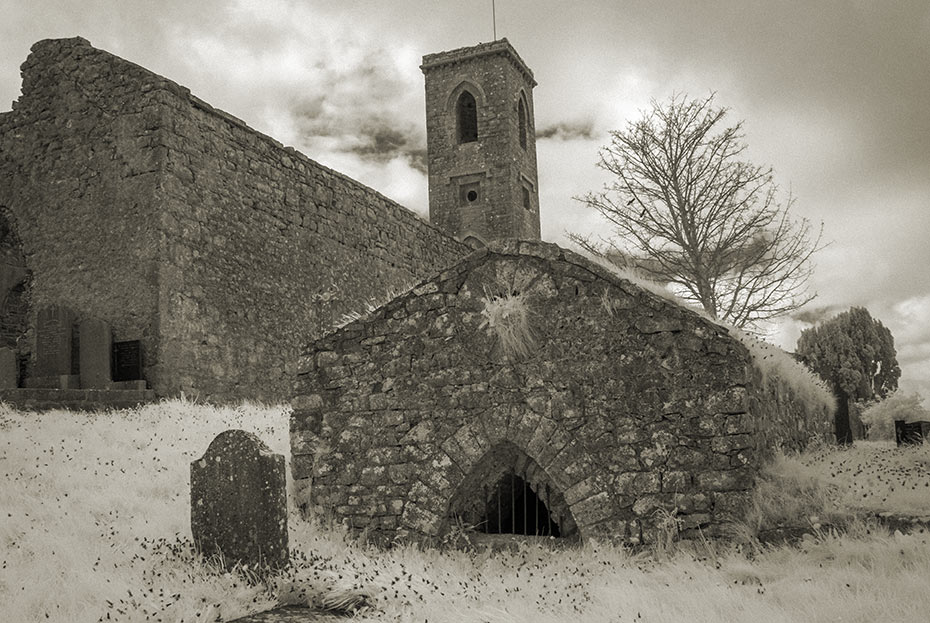
Fuerty Abbey and Ancient Graveyard, Co Roscommon, Ireland
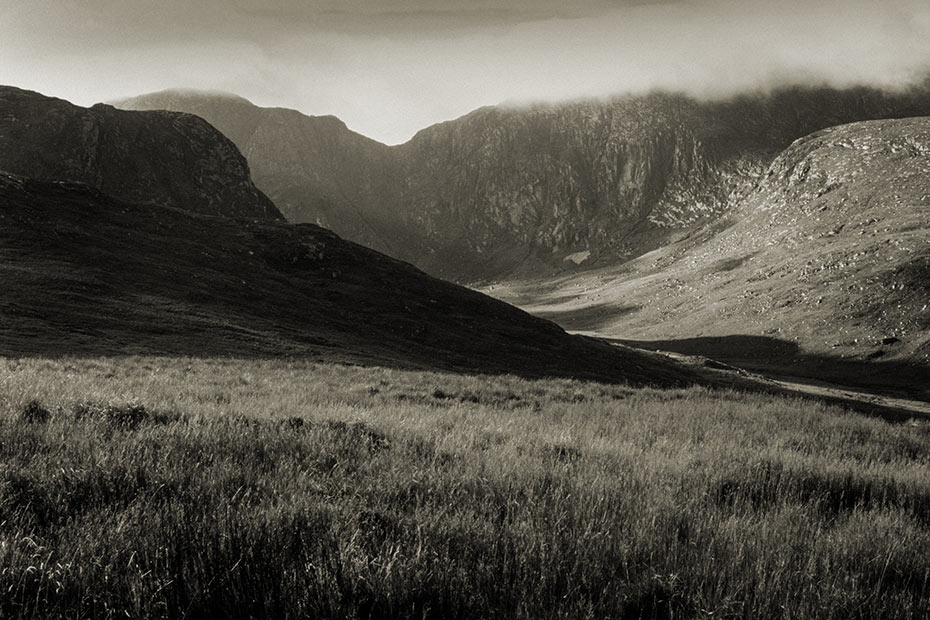
The Poisoned Glen, Co Donegal, Ireland. In Irish mythology poisoned by Balor of the evil eye.
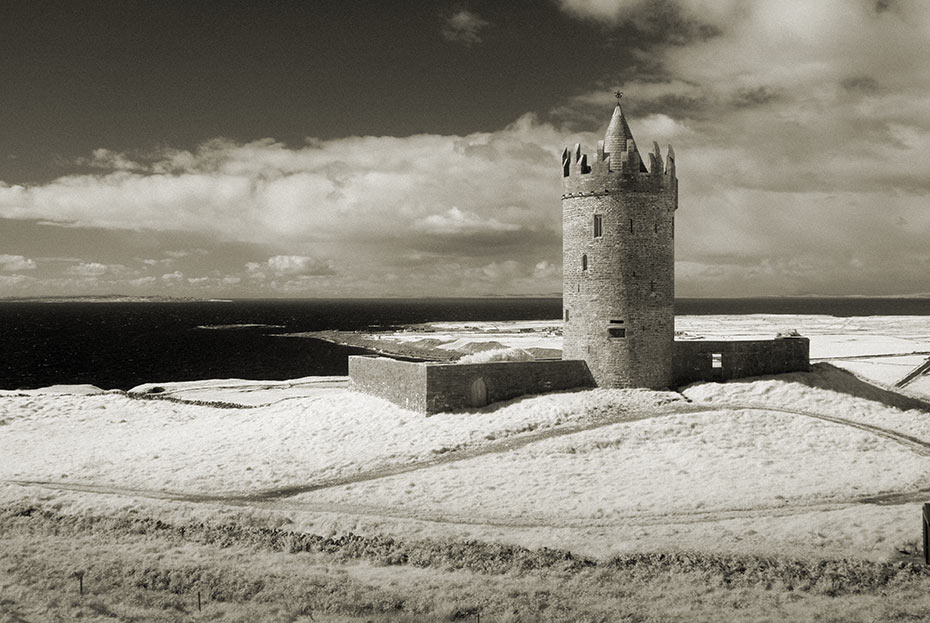
Doonagore Castle, 16th century round tower house
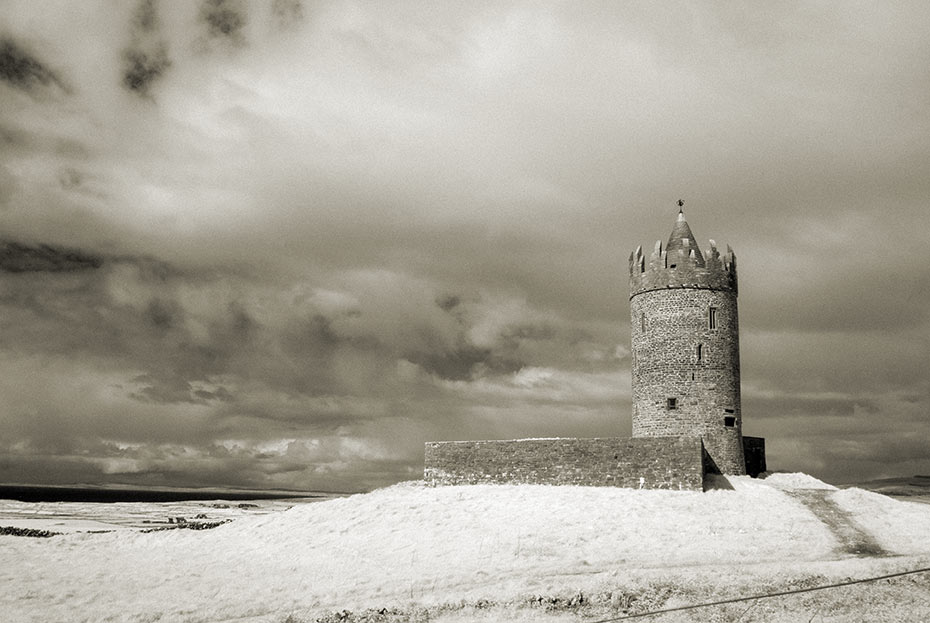
Doonagore Castle, The Burren, Co Clare, Ireland
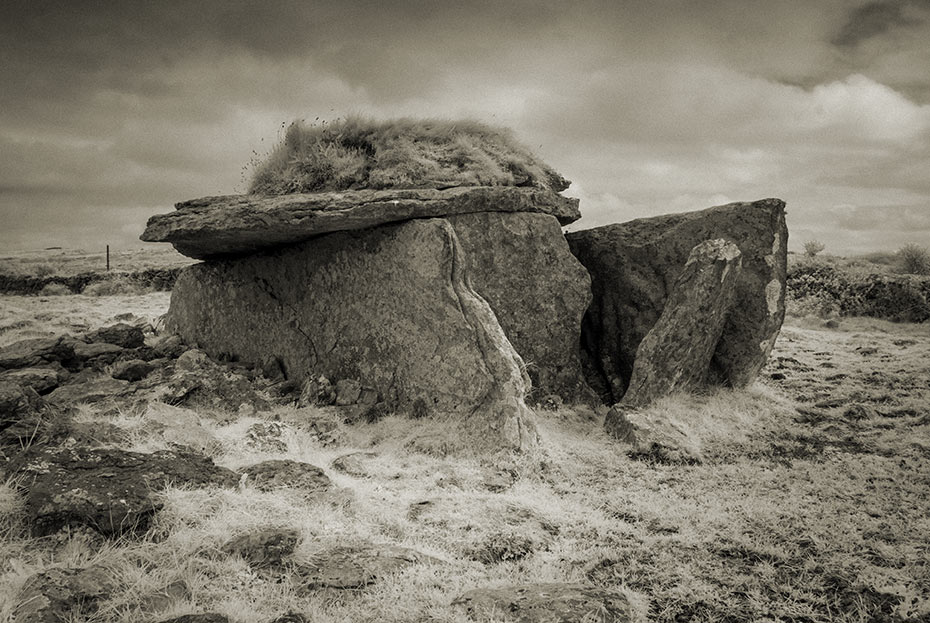
Parknabinnia wedge tomb, the Burren, Co Clare, Ireland
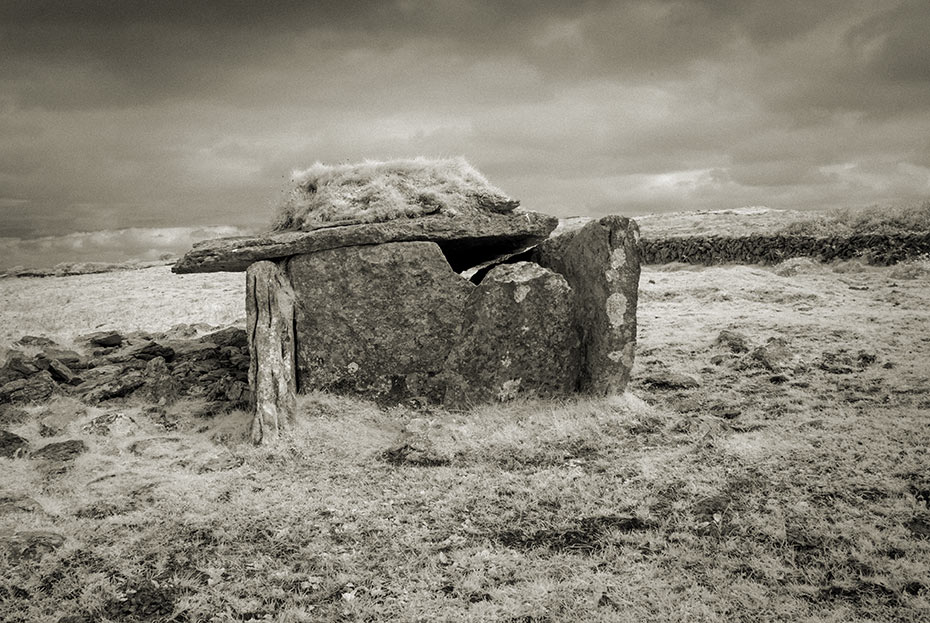
Front entrance of Parknabinnia wedge tomb
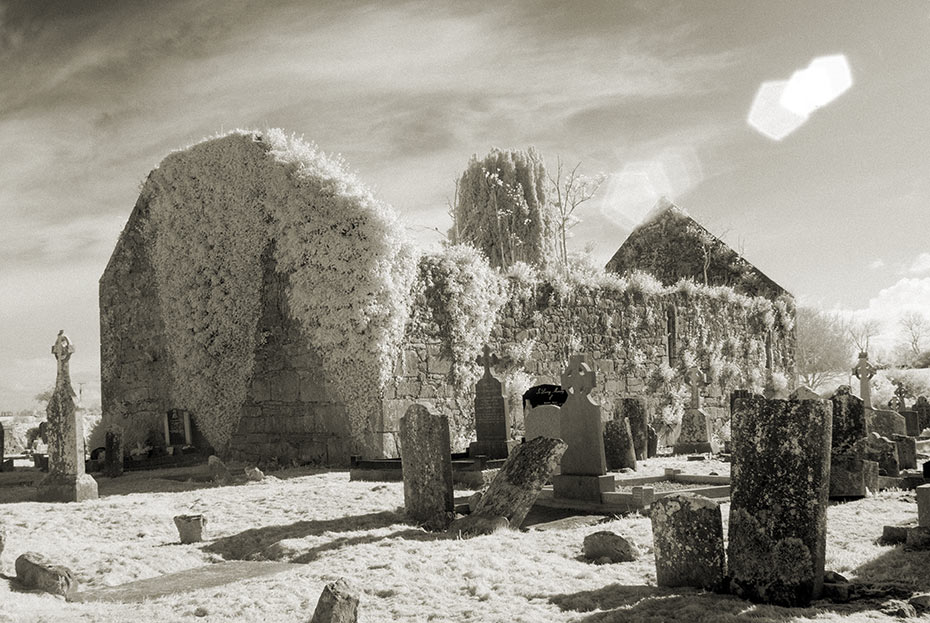
Old Kiltartan Graveyard, Gort, Co Galway, Ireland
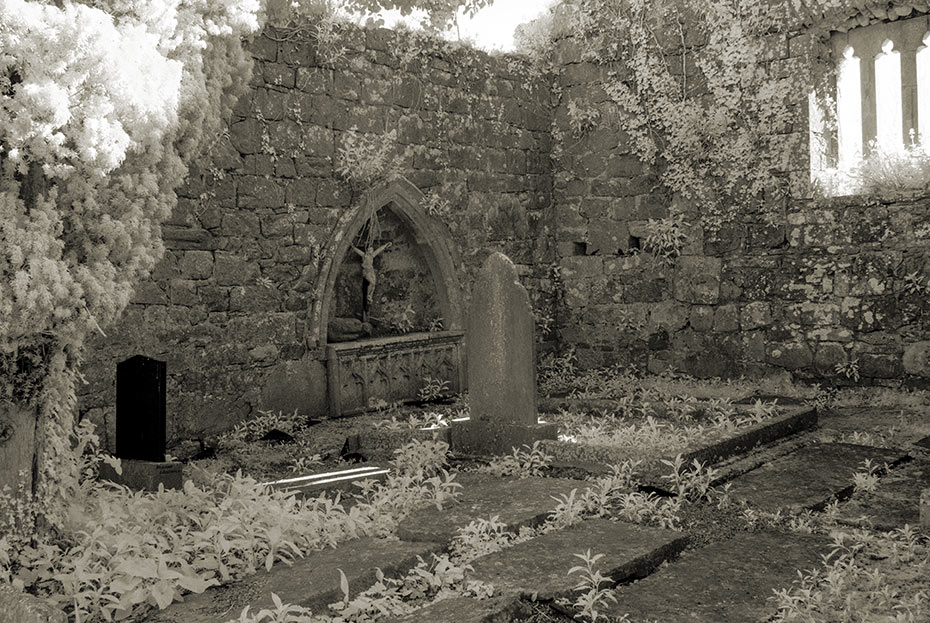
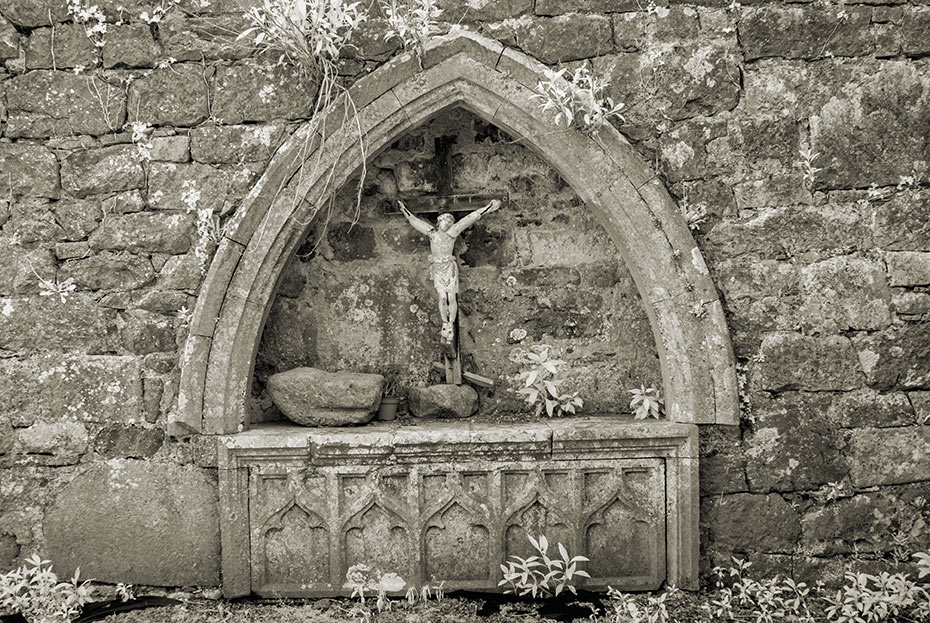
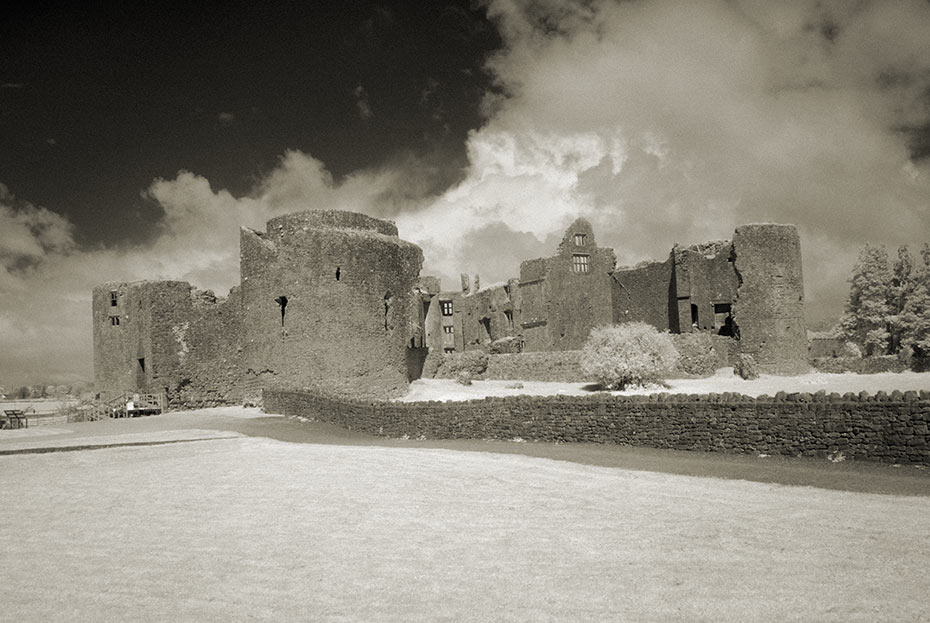
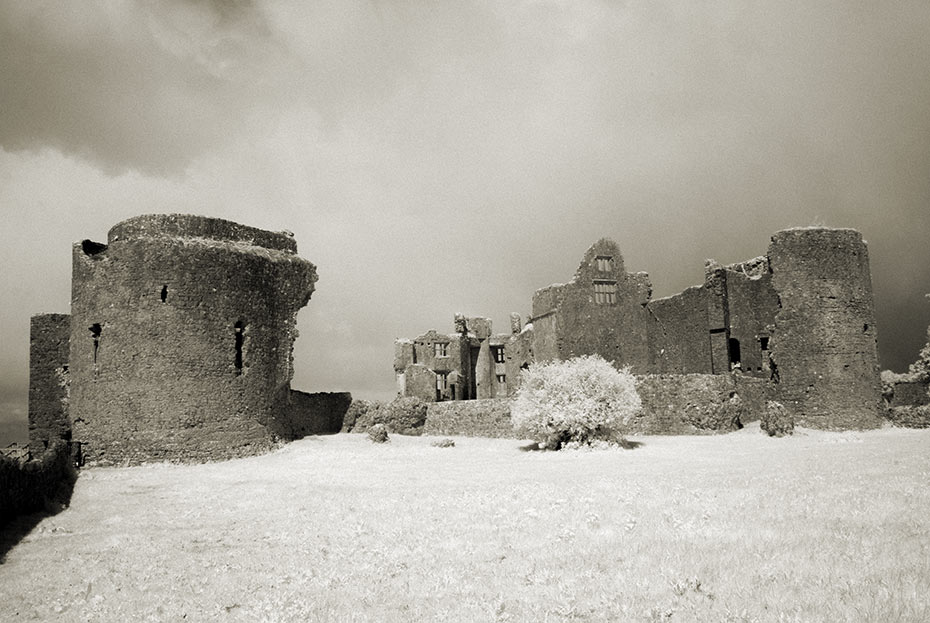
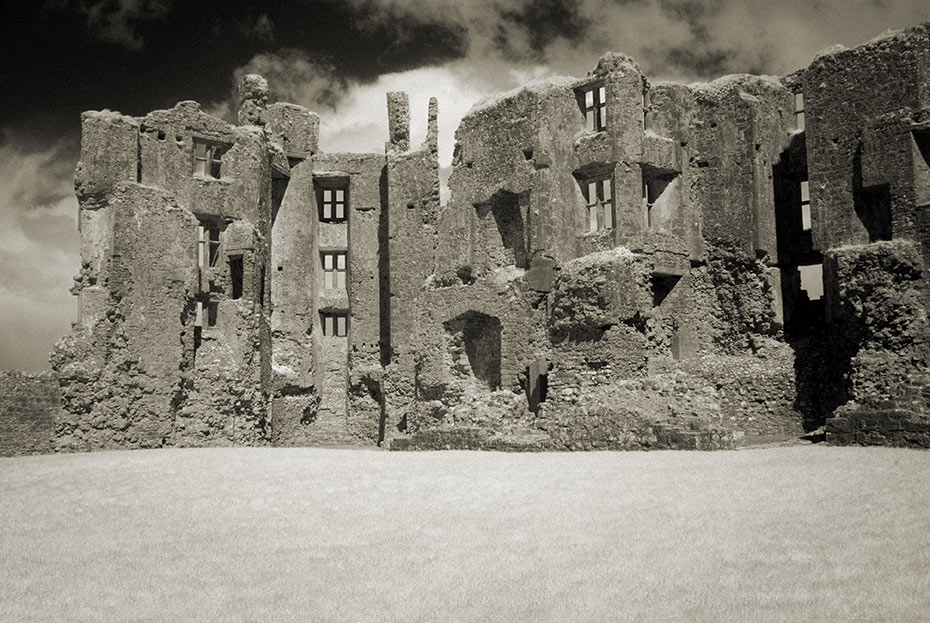
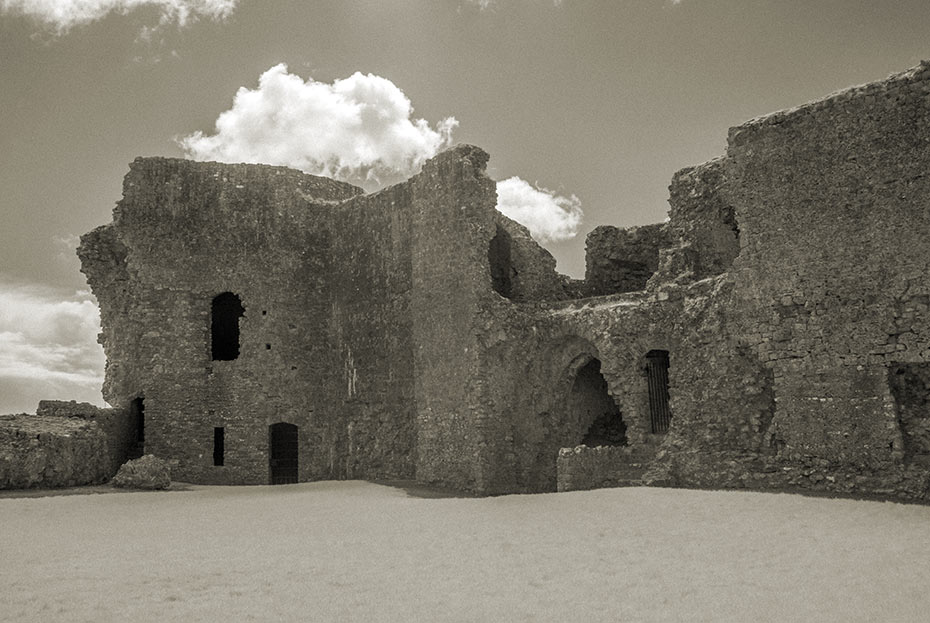
Roscommon Castle, Roscommon, Co Roscommon, Ireland
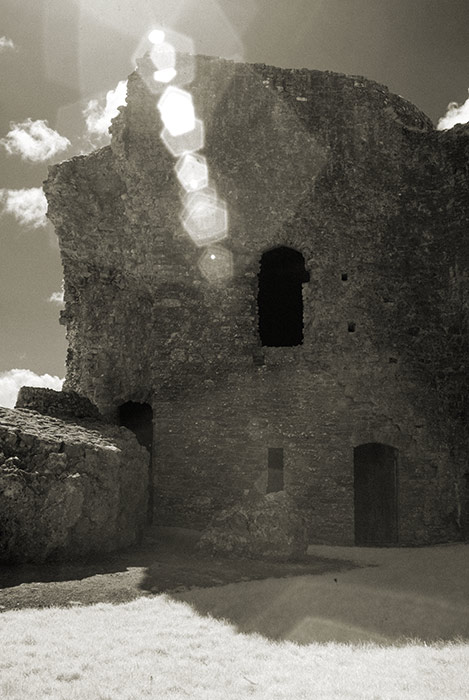
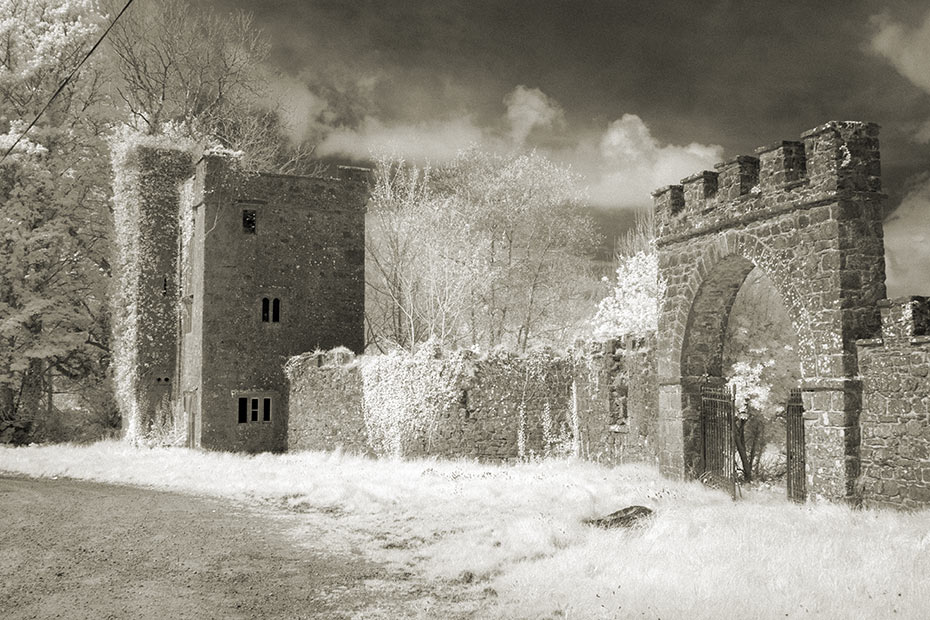
Woodlawn Tower House folly and fake entrance
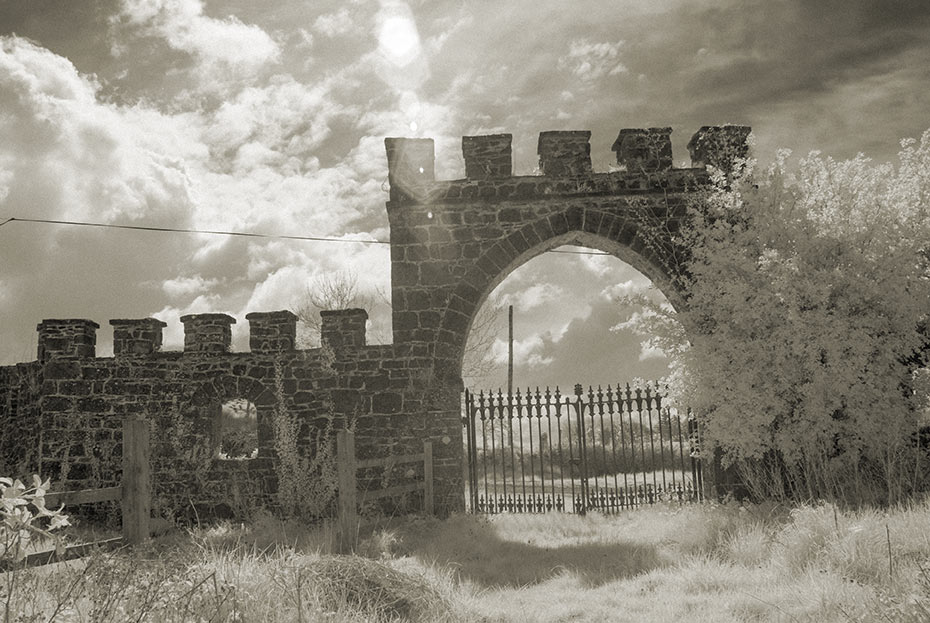
Gothic style wall and arch folly
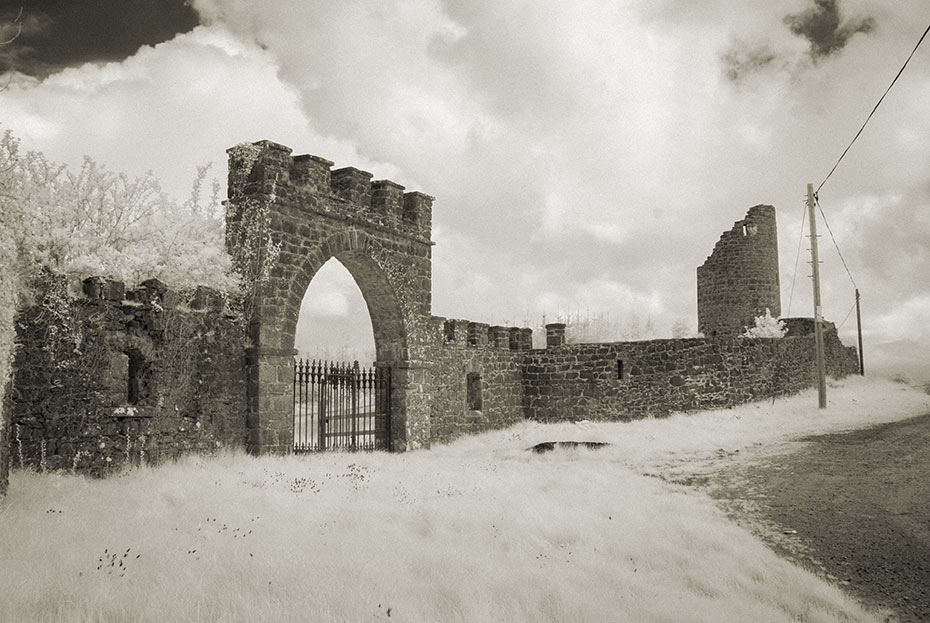
Woodlawn fake entrance and Round Tower folly
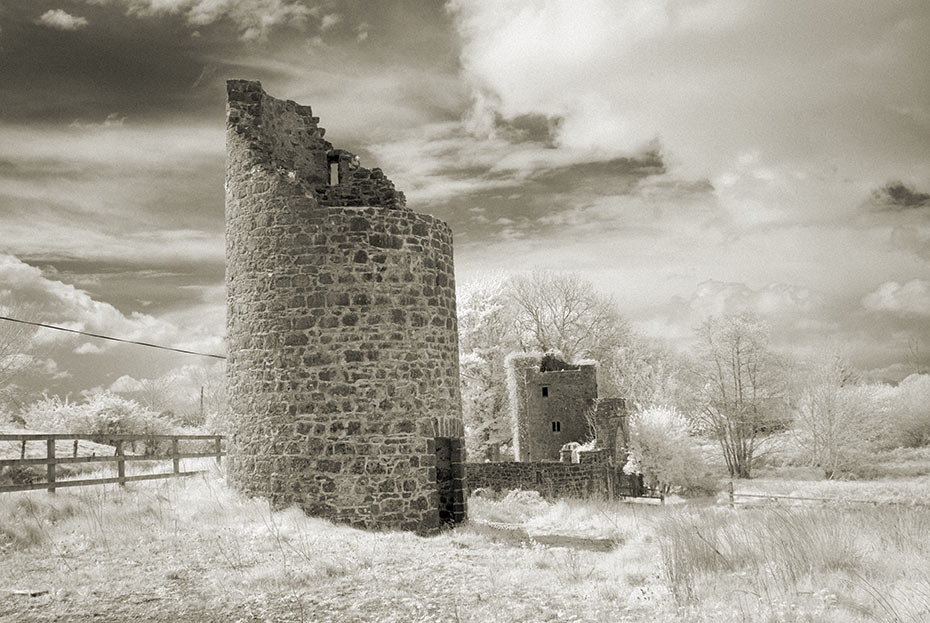
Round Tower folly built circa 1900. Woodlawn, Ballinasloe, Co Galway, Ireland
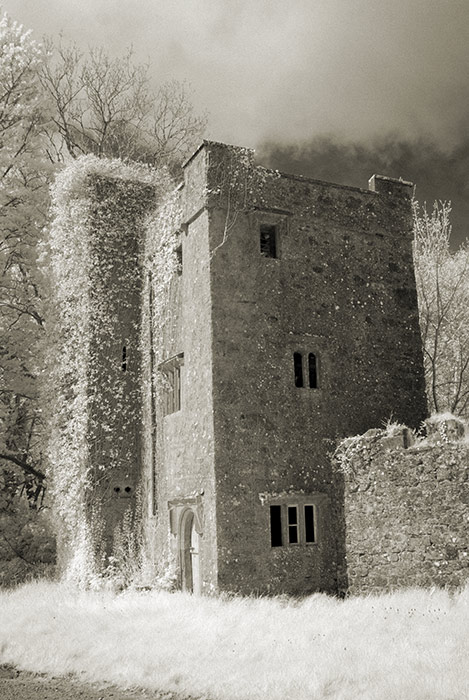
Gate lodge built circa 1850 in the style of a Tower House
Kells (Ceanannas Mór) monastery was founded in 554AD by St Columba (St Colmcille).
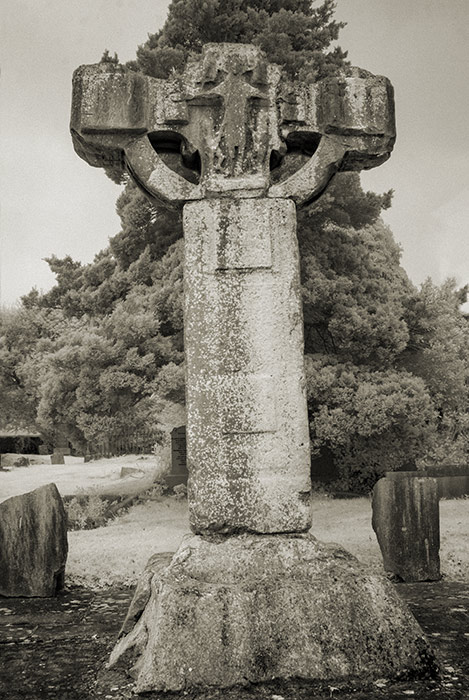
Kells High Cross – The East Cross, east face
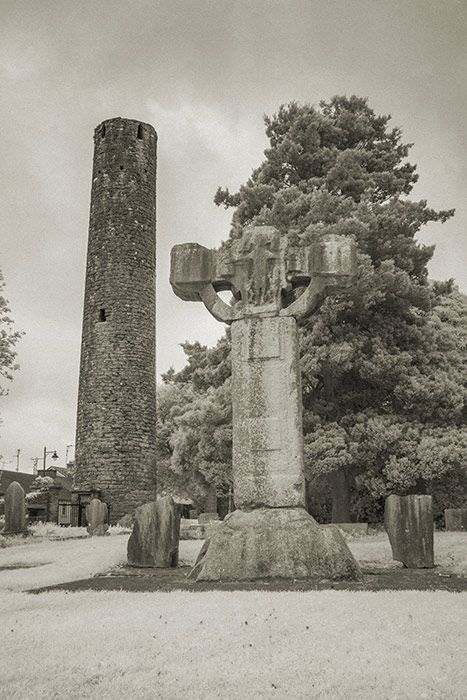
Kells High Cross and Round Tower
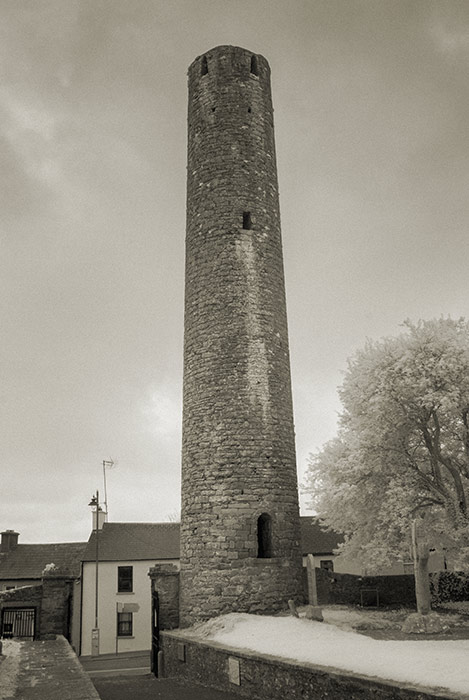
Kells Round Tower, 10th century
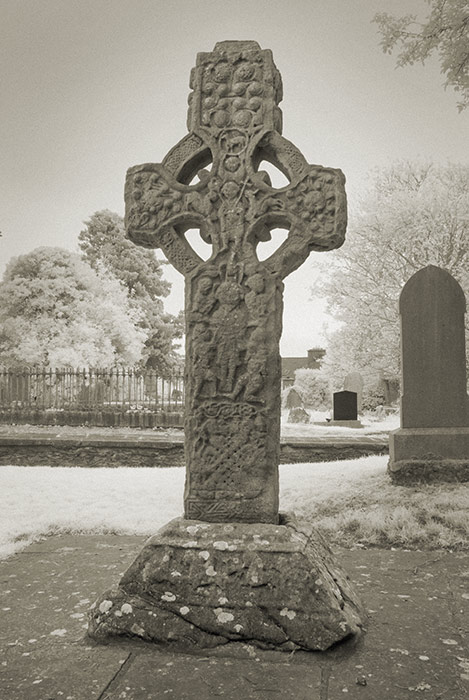
Kells High Cross – The South Cross aka Cross of Patrick and Columba
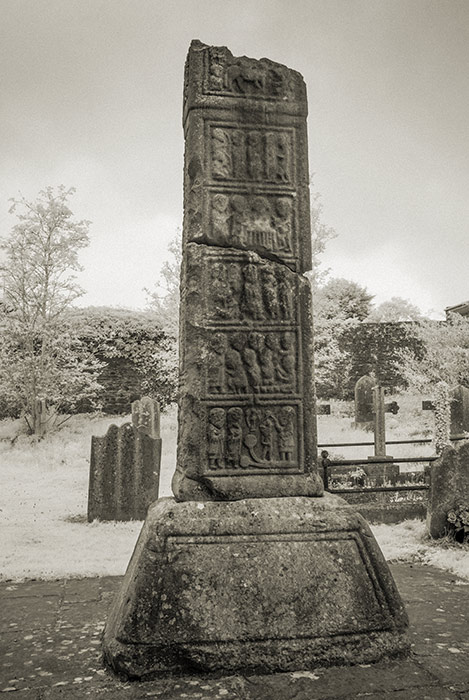
Kells High Cross – The West Cross, west face
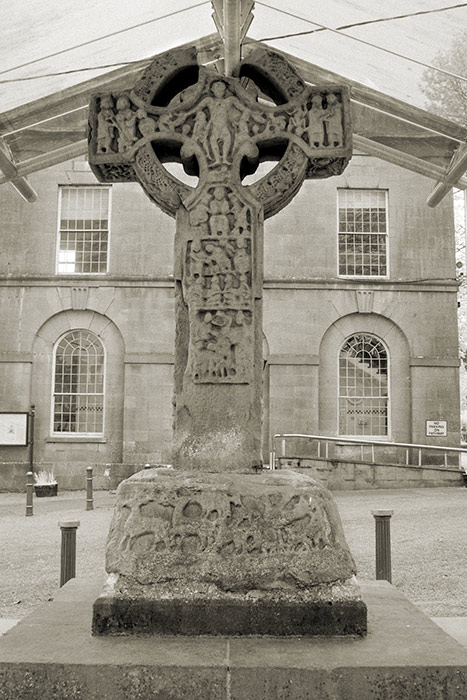
9th century Kells High Cross – The Market Cross, west face.
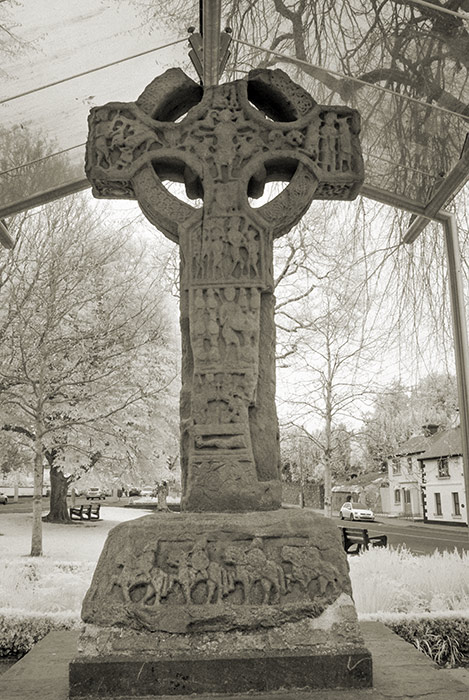
Kells High Cross – The Market Cross, east face
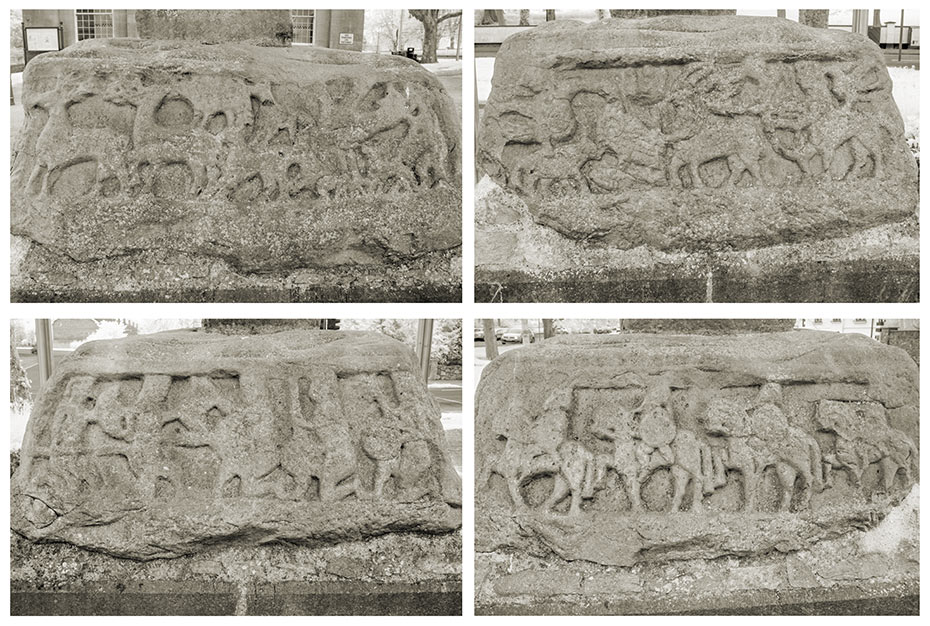
Kells High Cross – the base of the Market Cross
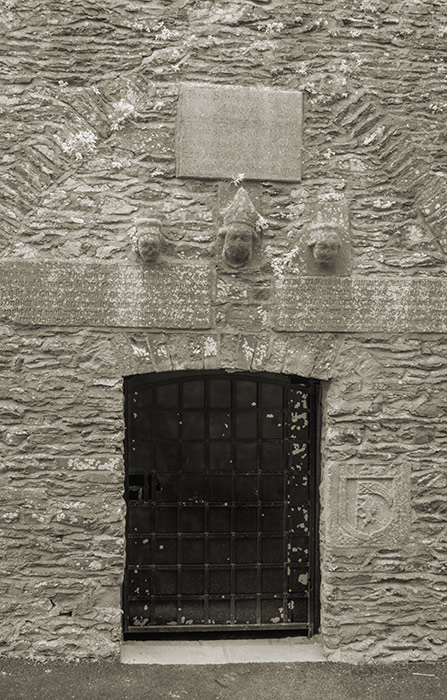
Spire doorway. Kells Monastic Site, Co Meath, Ireland